



Those nearing retirement have plenty to think about. Having enough money to live off of in one’s old age is an important factor to consider. But for those with extra capital to spend, deciding how they want to spend it (vacations, time with family, or philanthropy) is another key item to consider.
The good news for retirees in the U.S. is that everyone receives their Social Security payments (or is eligible to receive them – you have to apply) come age 65. Those who wait longer can see higher payouts, and it is also possible to claim these benefits early (something most personal finance experts caution against).
But in terms of putting together a checklist of “to do” items to think about before the end of the year, here’s the best advice I’ve seen for baby boomers looking to set themselves up for their golden years.
Review Your Social Security Benefits
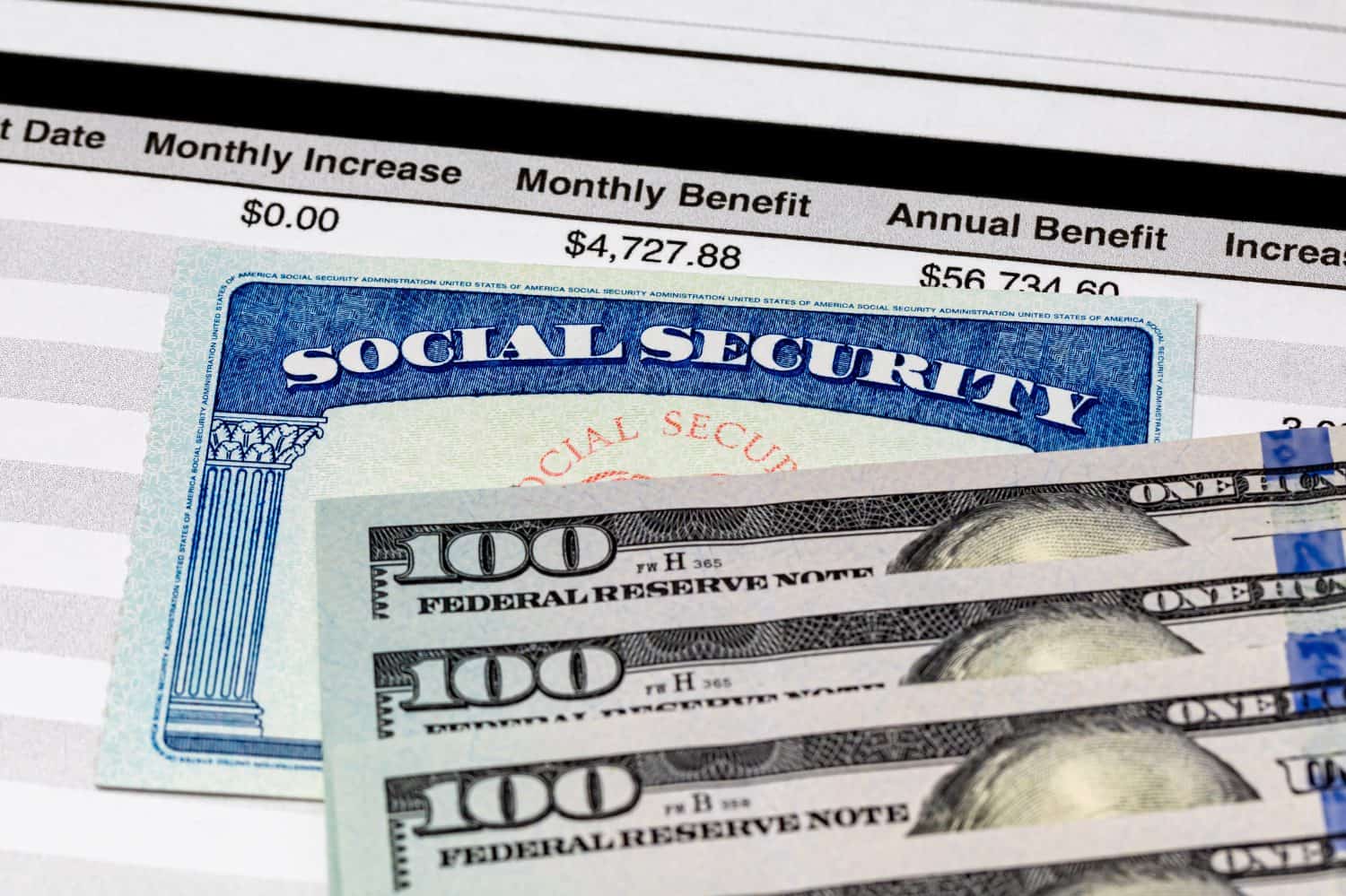
Social security cards with $100 bills
Finding out what one’s expected benefits are should be the first step in trying to put together a monthly budget for retirement. After all, social security payments can make up a significant percentage of most retirees’ income in retirement, particularly for those who choose to stop working after they begin taking distributions.
For investors who haven’t built up a retirement portfolio at all, these payments will amount to the entirety of their monthly income. So, understanding how these benefits will be calculated is an important first step in putting together a comprehensive plan.
Social security benefits are based on the highest 35 years of indexed earnings. What this can mean is that seniors who choose to work past the age of 62 may increase their overall earnings, if their pay is higher than their lowest-earning years. Thus, many may want to think about choosing to stay in the workforce longer, not only to contribute to their retirement accounts, but also to increase their potential social security payouts as well.
For those able to do so and in good health, the other key factor to consider is potentially waiting until age 70 (versus retiring at the full retirement age) to maximize benefits. Every year a prospective retiree waits after the age of 65 adds 8% to their benefits for the rest of their life. Importantly, this starting amount one chooses to receive will be eligible of annual cost of living adjustments, so maximizing one’s base can be the best way to go.
Confirm Spousal and Survivor Benefits

Older man thinking
Spousal and survivor benefits are two areas many soon-to-be retirees may not pay close enough attention to. For those who are married, divorced or widowed, carefully assessing how their social security benefits interact with those of their partners is important. That’s because spousal benefits can pay up to 50% of a spouse’s full retirement age benefit, and the survivor benefit can step up a retiree’s payment to the deceased’s full amount.
In other words, there are some complicated implications for those who are married (or have been at some point), with financial advisors likely to quickly point out that everyone’s situation is different. However, there are certain playbooks that can be implemented for one higher-earning spouse and a lower-earning spouse, to attempt to maximize benefits throughout retirement.
This is the part of the piece where I suggest staying away from the internet and social media for advice and talking to a professional. Those in this grouping may benefit in a significant way from having a full-fledged plan of which spouse may take benefits first, or how to maximize one’s benefits if their spouse is deceased.
Tax Preparation and Medicare Coordination

Couple discussing their tax and healthcare plan
Taxes and healthcare are generally two topics few of us like to think about. There’s good reason for this – the tax man can bring hefty bills, and thinking about healthcare means thinking about getting sick. No one really wants to do think about these things.
However, the reality of course is that death and taxes are two of the only sure things in life, so it’s probably a good idea to at least prepare for what’s to come.
Whether one’s plan for covering taxes and healthcare costs (which have continued to increase faster than the rate of inflation, by the way ) is to pull funds from one’s 401(k), or have social security pay for a portion of these expenses, there’s a lot of math that goes into how much may need to be stocked away for a rainy day.
Social security payments can be around 85% taxable for those bringing in income from their 401(k) plans to cover such expenses, so having high healthcare costs and drawing from one’s retirement accounts can produce a double-whammy expenditure for seniors. Planning for this is essential.
Perhaps the most essential piece of managing the complex U.S. healthcare system, though, is signing up for Medicare benefits when one is eligible. Signing up late can trigger penalties, and medicare premiums are tied to income, so figuring out how much one wants to withdraw in retirement and over what age ranges is an important step to take care of early on (preferably before one retires).














 Top Gaining Stocks
 Top Losing Stocks