



Social Security can be a blessing or a curse, depending on how much you know and how prepared you are for retirement. When should you claim your benefits? Taking out your Social Security funds even just a few years too early can cost you thousands of dollars or more, depending on your circumstances.
Navigating Social Security can be confusing and overwhelming. We don’t want you to panic as you consider your retirement and Social Security, but we do want you to be prepared and know how to maximize your investments and make the smartest decisions for your future. To help you gain peace of mind that you’ll be financially protected when you retire, we’ve put together a list of commonly made mistakes that you can avoid with Social Security.
This post was updated on October 16, 2025 to clarify that 77–81% of scheduled benefits could be paid by 2033, how to review your earnings online, and when/how COLA rises.
Why We’re Covering This

Most workers count on Social Security funds to enhance their retirement accounts.
Building a solid retirement account is a huge part of your quality of life as you age. It’s important to know your retirement needs, prepare for healthcare and leave your assets to the right beneficiaries. A retirement account is a big part of your personal wealth, even if it’s not something you think about every day.
Workers of all ages figure their Social Security earnings into their retirement plan, but as the program seems to be more unstable every day, it’s important that you don’t risk your future with simple mistakes. Staying educated about what you can expect from Social Security and the best ways to maximize can be the difference between a comfortable retirement and living from check to check.
Fearing the Stability of the Social Security Program

While the future of the Social Security problem is a huge talking point on any campaign trail, the chances of the fund completely failing are minimal.
Politicians love to use programs like Social Security as a talking point to create panic with voters, and the Congressional Budget Office does expect the fund to run short by 2033-2034 if Congress doesn’t fix it. But as with every other program, the issue isn’t as simple as it seems.
The Social Security program consists of four “buckets” and the only one underfunded is the “reserve” account. Even if the program runs short, it can still pay out 77- 81% of its obligations, and it’s extremely unlikely that Congress would let the clock run out before fixing the program. We advise against early claiming out of fear; the nature of the political machine is to cause panic about issues like this to get votes. However, the truth is something entirely different. Make informed, rational choices about your future based on facts and statistics, not media or political talking points.
Avoiding Valuable Benefits

Make sure you understand the additional benefits available through Social Security, including access to spousal benefits even if you’re divorced.
Social Security isn’t as simple as collecting an amount after you quit working. The program has additional benefits that many are unaware of. For example, if you are a widow or widower or divorced widow or widower who remarries after 60, you may be eligible for survivor benefits. Disabled and young children can collect survivor benefits if a parent is deceased. If you were married for more than ten years and then divorced, you may be eligible to access your ex’s record for spousal benefits. Understand all the benefits available through the program so you don’t lose out on money you’re entitled to.
Treating Social Security as Your Only Income

Getting a part-time job after retirement is one way to supplement your Social Security income.
Many retirees and workers plan for Social Security funds to be their primary income, but the truth is that funds will always be tight if that’s your only source of money. Experts recommend that you treat the program as supplemental income. Invest in other retirement options or consider a part-time job after you retire from your lifelong career. This is also important if the fund dries up and only partial amounts of benefits can be paid.
Ignoring Gender Bias in Income

Ignoring gender bias in the workforce can lead to problems with Social Security down the road.
Typically, women make less than more over their lifetime, so they need to look at Social Security differently. They also have longer lifespans compared to many, and many widows can be left with substantial financial needs and no preparation. Experts note that many women also lose up to 12 years of employment as they care for elderly parents or children. This leads to women working until 70 before they retire rather than the expected 66 or 67. Women also forget that they may be eligible for survivor or divorced spousal benefits if the marriage lasted more than ten years.
Taking Benefits at the Wrong Time

Waiting a few years to collect benefits can increase your monthly benefits by quite a bit.
When is the right time to take Social Security benefits? This is one of the heaviest questions that retirees ponder, and because the answer is heavily dependent on their individual situation, it’s difficult to find an answer that works for everyone. If you take benefits at the age of 62 (the earliest you can), your total benefits each month can be reduced by 25% or more. Instead, if you can, wait until full retirement age between 66 and 67. Your benefit can grow by as much as eight percent every year until you hit 70 if you do so.
Not Aligning with Your Spouse

Align your retirement goals with your spouse’s (or ex-spouse’s) to make sure you’re maximizing your benefits.
Whether you’re married or divorced, your Social Security funds affect your spouse’s. Experts suggest that the spouse who makes less money elects to receive their full benefit amount right at retirement age, while the spouse who makes more waits to collect funds until 70. The Social Security Administration looks at several factors when paying out benefits, and they’ll often choose between one or the other. Ignoring this reality is basically like leaving your money behind because you didn’t know it was there.
Not Understanding Earned Income and Wages
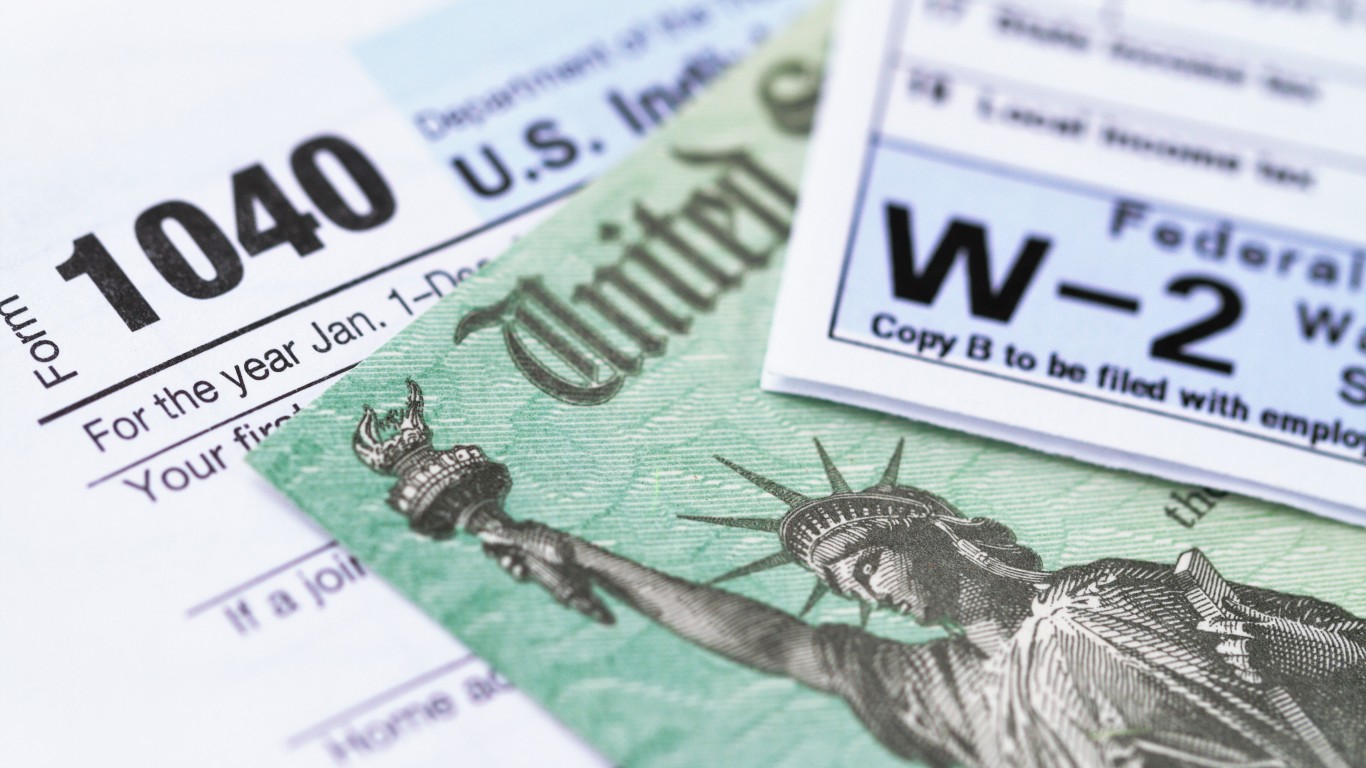
Make sure your earnings are reported correctly so you get maximum benefits.
The Social Security Administration states that about 99% of their earnings records are accurate but admits that errors are more common than they would like. Employers don’t always get your wages exactly right, so it’s important that you make sure your earnings are recorded accurately because it has a direct impact on your benefits. You should review your earnings record at ssa.gov/myaccount and request corrections using Form SSA-7008 with documentation. If you’re unsure about this, you can contact the department at 1-800-772-1213 and ask for an earnings statement.
Ignoring Cost of Living Adjustments

As it becomes more expensive to cover basic expenses, federal law requires that benefits increase for things like food, taxes, healthcare and housing.
The Department of Labor’s Consumer Price Index for Urban Wage Earners and Clerical Workers monitors the cost of living, and federal benefits are required by law to increase whenever the cost of living rises. By statute, COLA is based on Q3-to-Q3 CPI-W. If CPI-W doesn’t rise enough (or falls), no COLA is given. As you figure out your retirement amounts and age, study the history of the cost-of-living increases and factor in both the extra money you need each month and the extra benefits you’ll receive.













 Top Gaining Stocks
 Top Losing Stocks