


With the S&P 500 ending just over 16% higher in 2025, headlines are unsurprisingly celebrating another year of market strength. For investors who stayed the course, the reward was wealth accumulation, as advisors point to these gains as proof that equities are likely to always win out in the long run.
[keynotes]
All of the good news aside, there is something beneath the surface that cannot be ignored, and it’s something most investors don’t want to hear, and advisors don’t want to acknowledge. The stock market’s 16% rally is increasingly detached from the underlying economic reality we’re in right now.
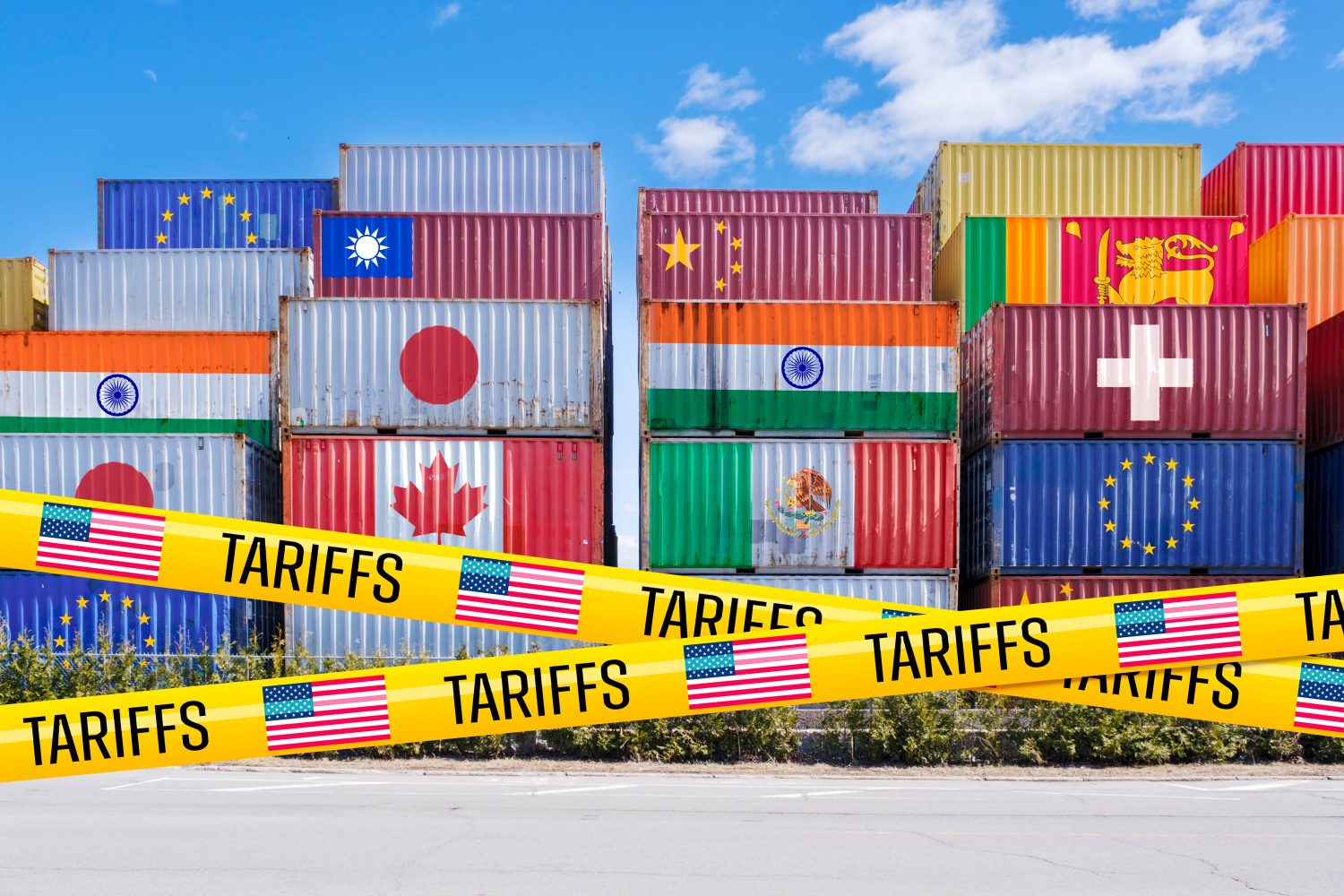
Research coming out of the Federal Reserve is linking President Trump’s tariff policies to meaningful job losses and slower growth. At the same time, the S&P 500 is trading at valuations last seen only two times in the last 40 years.
The Unsettling Disconnect Between the S&P 500 and Economic Fundamentals
The stock market’s strength in 2025 is coming at a rather peculiar moment, as the market climbed 16% while the same underlying indicators tell a different story. Interest rates are falling, but inflation has remained a sticky talking point, and corporate earnings growth has slowed compared to previous years.
You also have the idea that consumer spending is showing signs of fatigue and that credit stress is also quietly increasing in certain markets, and yet, the market climbed anyway in 2025, thanks to large-cap tech and AI-related stocks.
It’s here that most of the confusion starts, as many investors look at the S&P 500 and the 16% number and think the economy is strong. However, it’s important to note that the market and economy are not the same thing, and they are sending different, distinctly different signals right now. There is no question that the economy is going to face headwinds in 2026, especially as the labor market continues to slow, wage growth is going to be more moderate, and unemployment is likely to rise.
Add to all of these concerns the idea that tariffs could threaten to disrupt things even more, and yet the market has largely ignored these signals. Instead, it’s focused on valuing stocks on the hopes that AI will deliver generational returns and that growth will accelerate. To be fair, the real question here isn’t whether the market will eventually acknowledge this disconnect in reality, but when.
Historic Valuation: Why 23x Forward Earnings Signals Extreme Caution
The S&P 500 is currently trading at approximately 23 times forward earnings, which means that for every dollar of expected earnings companies are expected to make in the next 12 months, investors will pay $23. The historical number for the S&P 500 is somewhere between 16 and 17 times earnings, and when valuations hit 20x or higher, they are considered rich, but a 23x valuation is an extreme number, and it’s one to be concerned about.
This valuation level has only happened twice in the past 40 years, and the first instance was in early 2000 during the dot-com bubble. It was during this time period that investors were valuing unprofitable internet companies at astronomical multiples. Of course, everyone knows what happened next as the market crashed almost 50% from its peak over the course of three years.
The second instance was in 2021, near the peak of the pandemic boom, when a stimulus flooded the market with liquidity. In this instance, the market declined roughly 20% over the following year, so it’s safe to say that both previous times in history this kind of multiple came to reality, things ended poorly. For the era we’re in today, the warning signals would start when we see that the valuations we’re experiencing today stop accelerating or earnings stop surprising on the upside. The same goes if interest rates start to fall dramatically.
None of these outcomes is guaranteed, and none is priced with much margin for error. In other words, when you’re paying 23x forward earnings, you are betting that things are going to go right and you’re not getting paid if things go wrong. The bottom line here is that if the economy slows down, if earnings disappoint just once, or if tariffs disrupt supply chains, the market has very little cushion to absorb any of these outcomes.
The Fed’s Dire Warning on Tariffs, Unemployment, and Growth
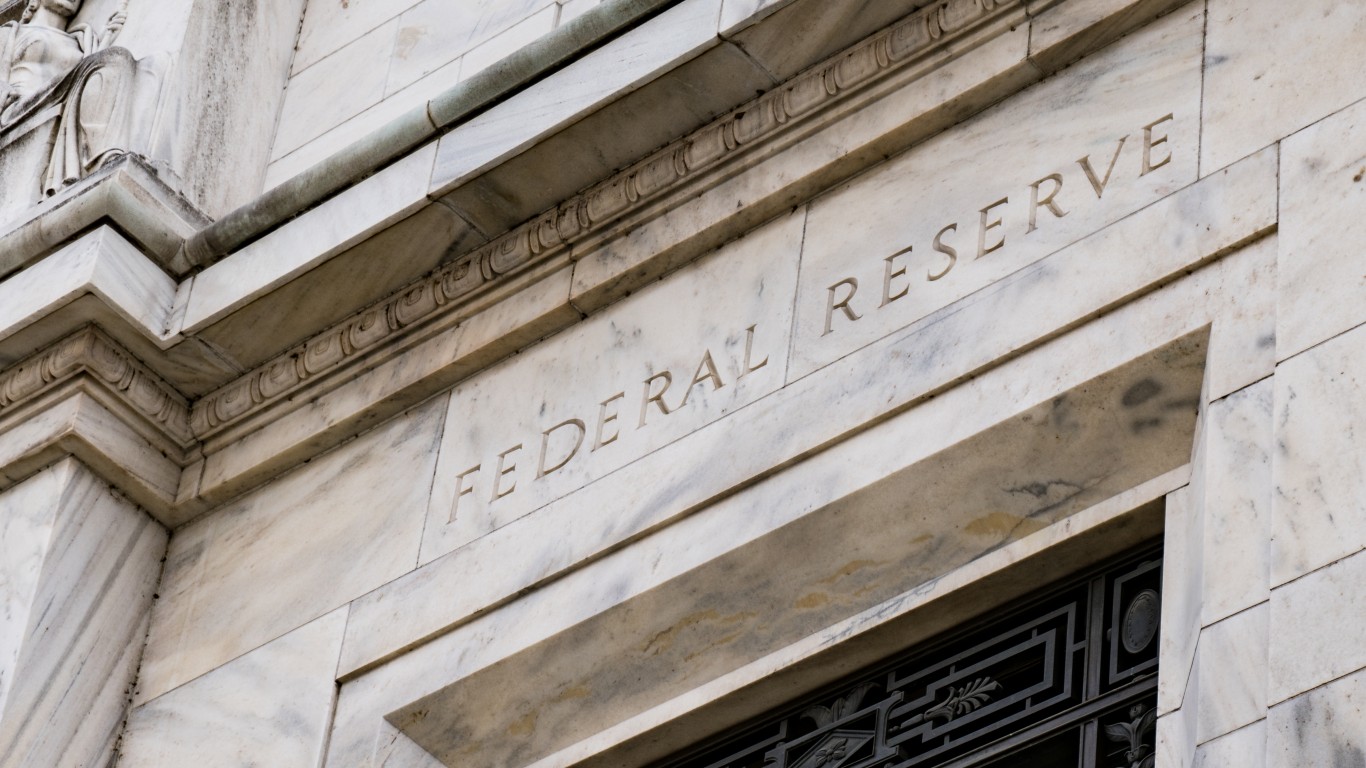
In late 2025, the Federal Reserve released research on the potential economic impact of tariff policies that were under discussion in the Trump administration. The findings were both straightforward and sobering in that if tariffs are implemented at the levels currently being proposed, economic growth could slow down by as much as 0.5% or 10% relative to baseline expectations. In addition, unemployment could rise by up to 0.5%, resulting in hundreds of thousands of jobs lost and billions of dollars in GDP losses. For the former, this would be a meaningful shift in labor market momentum at a time when the Fed is already concerned about softening employment.
Alternatively, there is consideration about tariffs keeping inflation sticky, and higher costs for goods and services are going to put pressure back on inflation. This would complicate the Fed’s ability to continue cutting rates. Instead of the 1.5% to 2% rate cuts many investors are hoping for, the Fed might find itself in a position to have to pause or even reverse course and keep rates higher for longer.
This matters quite a bit when you consider that if the Fed can’t or doesn’t cut rates aggressively, dividend yields become less attractive relative to bonds, and growth stocks become harder to justify purely on a valuation grounds. What’s also really worth remembering is that this research is coming straight from the Federal Reserve, the institution that sets our interest rates and manages monetary policy. This isn’t guesswork, but models based on historical precedent and current economic insights. If the Fed is releasing this info publicly, they are signaling that these risks have to be taken seriously.
This means that every investor should be asking themselves the same question: if the Fed is warning about tariff-reduced unemployment and slower growth, and if the market is priced as if none of this will happen, who is wrong?











 Top Gaining Stocks
 Top Losing Stocks