


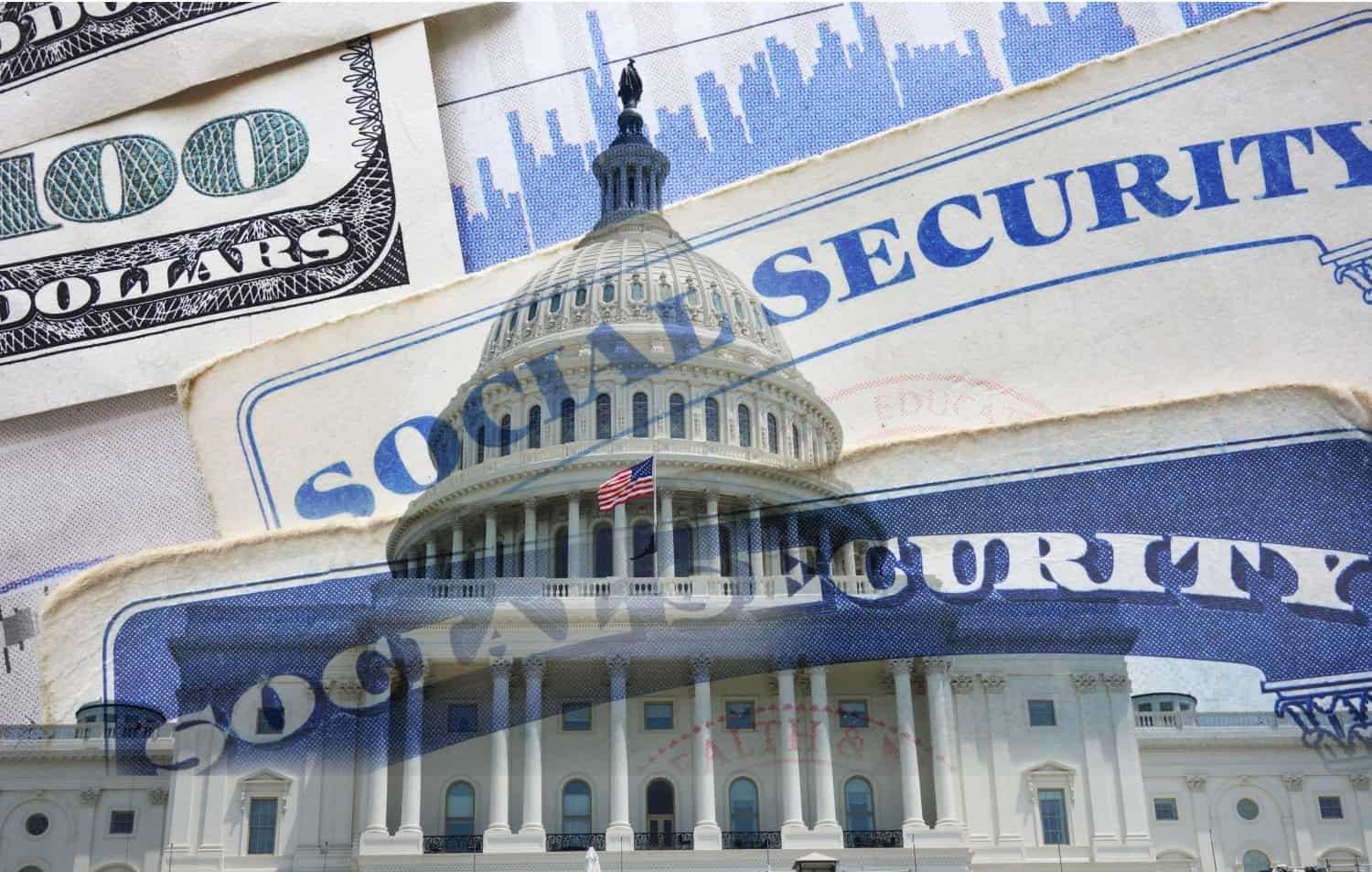
Many people recognize that Social Security is an important income source for seniors. But Social Security goes beyond that.
Americans are issued Social Security numbers for a variety of purposes. The primary ones are to track earnings, which are then used to calculate future retirement benefits, and identify tax payers.
But there’s a lot more to Social Security than that. Social Security numbers are also used for employment verification purposes, banking and credit inquiries, and certain government services. It’s even a common practice to ask for patients’ Social Security numbers in the course of seeking healthcare services.
For these reasons, Social Security numbers are sensitive pieces of information. And when they get into the wrong hands, bad things can happen.
That’s why it’s so important to protect Social Security data. But the Trump administration is now being blasted for failing to do just that.
AARP says DOGE dropped the ball on Social Security data
In late January, AARP called for the Department of Government Efficiency (DOGE) to be held accountable for sharing Social Security data with an advocacy group accused of trying to overturn election results, and for storing private information on Cloudflare.
As Nancy LeaMond, AARP chief advocacy and engagement officer, told The Hill, “SSA is entrusted with the sensitive data of hundreds of millions of Americans, and protecting that data from illegal use must be a top priority.”
Lawmakers didn’t stay quiet either.
“Remember when the Supreme Court gave DOGE the green light to access your Social Security data? It was never about curtailing waste, fraud, and abuse,” Senate Minority Leader Chuck Schumer wrote in a statement on X.
How to keep your Social Security number safe
Unfortunately, incidents like the ones mentioned above are out of everyday people’s hands. But there are still steps you can take to keep your Social Security number safe.
First, store your physical Social Security card in a safe place, and don’t carry it with you everywhere. It’s very rare that you would need to show your Social Security card, since it lacks a photograph and therefore generally isn’t a valid primary form of government ID.
Also, make sure to shred documents that contain your Social Security number. These could include tax documents you no longer need, pay stubs, credit card statements, and even medical bills.
Along these lines, never give out your Social Security number when someone calls, emails, or texts you for it out of the blue. As a matter of course, the Social Security Administration will not contact you via these methods and ask you to confirm your number.
If you’re worried that your Social Security number has already been compromised, one thing it pays to do is check your credit report. If you notice recently opened accounts you don’t recognize, or if you see a number of hard inquiries that you didn’t authorize, it could be that a criminal has gotten a hold of your Social Security number.
In that case, it pays to freeze your credit and contact the SSA if you’re worried a criminal may be seeking to file for benefits on your behalf.
The more vigilant you are, the less likely you are to run into issues — assuming, of course, that the government doesn’t compromise your Social Security data itself.












 Top Gaining Stocks
 Top Losing Stocks