



Needless to say, one of the happiest times of the year is the holiday season. Young children very excited for a visit from Santa, families together often for the only time of the year, and just a general feeling of goodwill regardless of specific holiday traditions and practices. One of the dark parts of the season is that criminals have an open-season to cause mayhem. Quite often, it turns out really bad.
We receive research from many of the top firms on Wall Street, and one of the firms we cover sent out a very solid list of things that people should be very aware of during the holiday season. The tips come from a variety of sources, and we wanted to pass these along to our readers, as they are commonsense ideas that really make sense.
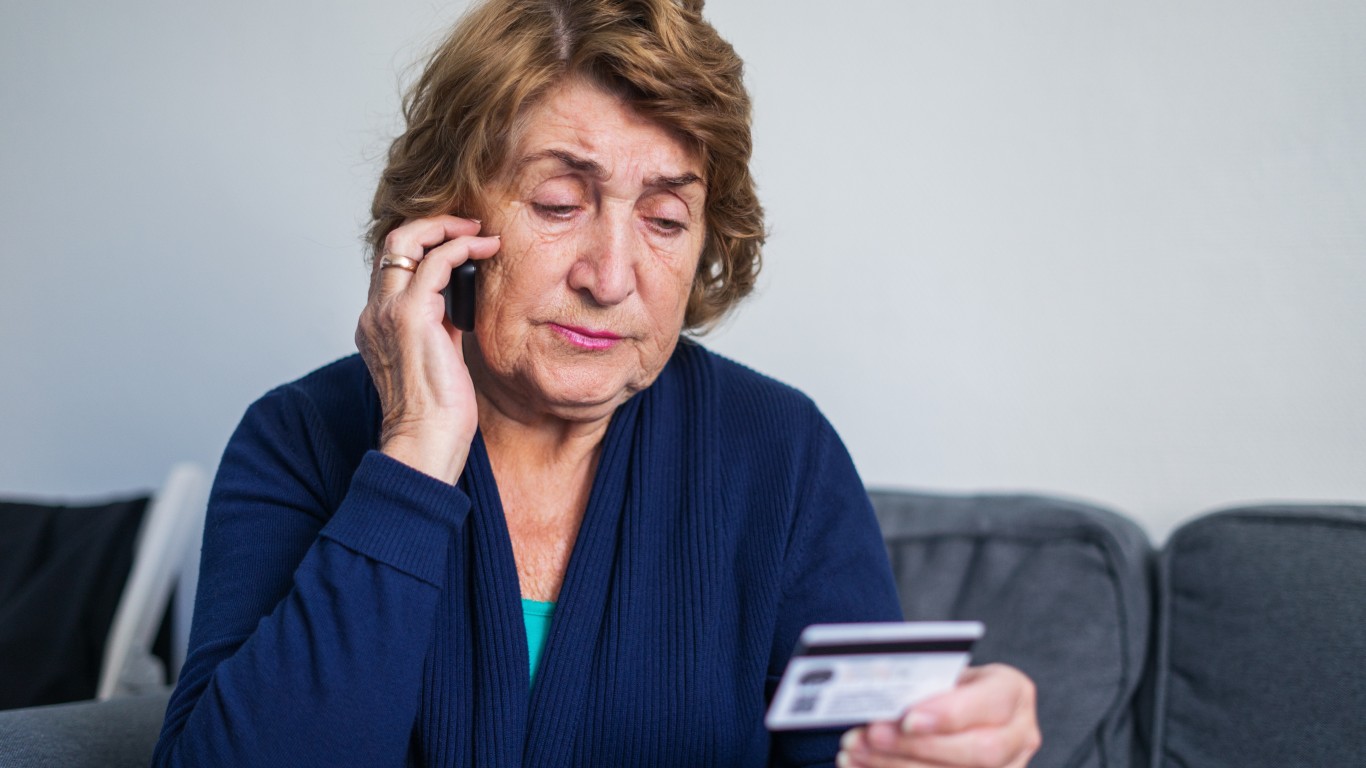
1) Family emergency scams: Scammers pose as relatives or friends, calling or sending messages that urge you to wire money for situations such as getting out of jail, paying a hospital bill or being stranded in a foreign country.
[nativounit]
2) Online shopping scams: Scammers mimic or slightly alter a website URL and launch a close replica of the site in its place, promising great deals on those Black Friday items. Look closely at the URL for red flags such as poor spelling or grammar.
3) Fake charities: Scammers create fake charities that request your donations. Before opening your checkbook, verify the organization exists through Charity Navigator (charitynavigator.org) or the Better Business Bureau.
4) Gift card fraud: Gift cards are popular presents, but they can be easily compromised by thieves who access card numbers and authorization codes from cards on a store rack. With that information, they can drain the funds on the cards, leaving the card recipient with a zero balance. If you buy your gift card off of a rack, ask the cashier to activate the card and verify the balance.
5) Public Wi-Fi: Many holiday shoppers incorrectly believe that it is safe to access sensitive information via free Wi-Fi networks as long as websites are secured by “https.” Online security experts warn that consumers should never use public Wi-Fi to access bank accounts or to buy products online.
6) Don’t advertise the gifts you received: Placing your empty boxes at your curb for pickup shows thieves what is available inside your home. Break the boxes down, turn them inside out, put them in your trash receptacle and don’t place them at the curb until collection day.
7) Don’t post your holiday travel plans on social media: Broadcasting the location or duration of your trip on social media sites like Facebook and Twitter can be dangerous. It may be something exciting you really want to share, but be aware that you are telling criminals, “I’m not home.” Additionally, if you are going out of town, get someone you trust to check on your house and pick up your mail and newspapers. Nothing tells a thief you are not home like a week’s worth of newspapers on your driveway.
8) Put your holiday lights on an automatic timer: This prevents thieves from learning your habits by taking note of when your lights are turned on and off. It is also a good idea to put your indoor lights on an automatic timer if you are vacationing for the holidays.
[recirclink id=303138]
One other good reminder is that criminals are big on ripping off packages left at the front door. Since the days of the delivery driver making you sign for a delivery are gone with the wind, keep an eye out for your neighbors’ porches. If you see a package and they are not home or out of town, grab it and hold it until they get home.
These top tips can help everybody to have a very safe and happy holiday season. Well, everybody except criminals who would play the part of the Grinch.










 Top Gaining Stocks
 Top Losing Stocks