



Josh’s dilemma sounds extraordinary: at 26 with $800,000 net worth, he quit a high-paying job two years ago and now debates returning to work he hates or draining savings for music. Strip away the numbers and you’ll find a familiar pattern: someone with resources but no commitment, options but no direction.
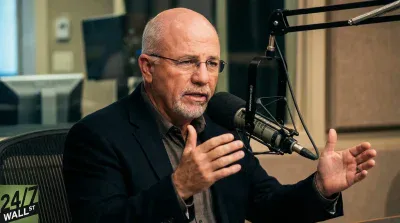
On a recent episode of The Dave Ramsey Show, Josh from Minneapolis explained he’s made music for 10 years but admitted he “hasn’t put effort into promotion or content creation.” He’s considering marketing work as a fallback while pursuing pop or rap on the side.
The Numbers Tell One Story
| Factor | Details |
|---|---|
| Age | 26 years old |
| Net Worth | $800,000 |
| Time Out of Work | 2 years |
| Music Experience | 10 years, minimal promotion effort |
| Passive Income Potential | $34,080/year at 4.26% Treasury yield |
Ramsey’s advice was direct: “I wouldn’t drain your savings just because you’re trying to pursue music. You can go do marketing for a full time job and you got plenty of time, nights and weekends at 26, to do the music and try to get that off the ground.”
Co-host Jade Warshaw offered contrasting perspective, noting successful artists “don’t have a fallback plan. They go hard all in into it.”
Josh’s situation mirrors a 2012 Reddit post from a 26-year-old engineer considering leaving his career for music. One commenter captured the core issue: “You can pursue a music career without quitting your day job. That is the beauty of a 40-hour work week.”
What The Economic Context Reveals
Current conditions favor Josh’s position. Unemployment at 4.4% indicates a healthy job market if he needs traditional work. At 4.26%, Treasury yields could generate over $34,000 annually from his savings with zero risk.
But consumer sentiment tells a different story. At 52.9, the University of Michigan Consumer Sentiment Index sits well below neutral, down 26% year-over-year. This pessimistic environment hits discretionary spending hardest-exactly where music careers depend on streaming, concerts, and merchandise revenue.
The Real Financial Tension
Josh’s problem isn’t money. With $800,000 and two years out of work, he’s had the perfect runway to test his music commitment. He hasn’t used it. The marketing job compromise sounds responsible but delays the real question: does he want this badly enough to commit fully for a defined period with measurable goals?
Ramsey’s advice protects wealth but perpetuates indecision. Warshaw’s all-in approach demands clarity Josh hasn’t shown. The middle path-set a 12-month timeline with specific milestones for promotion, content creation, and audience growth. If he can’t commit to that structure now, no amount of savings will change the outcome.













 Top Gaining Stocks
 Top Losing Stocks