


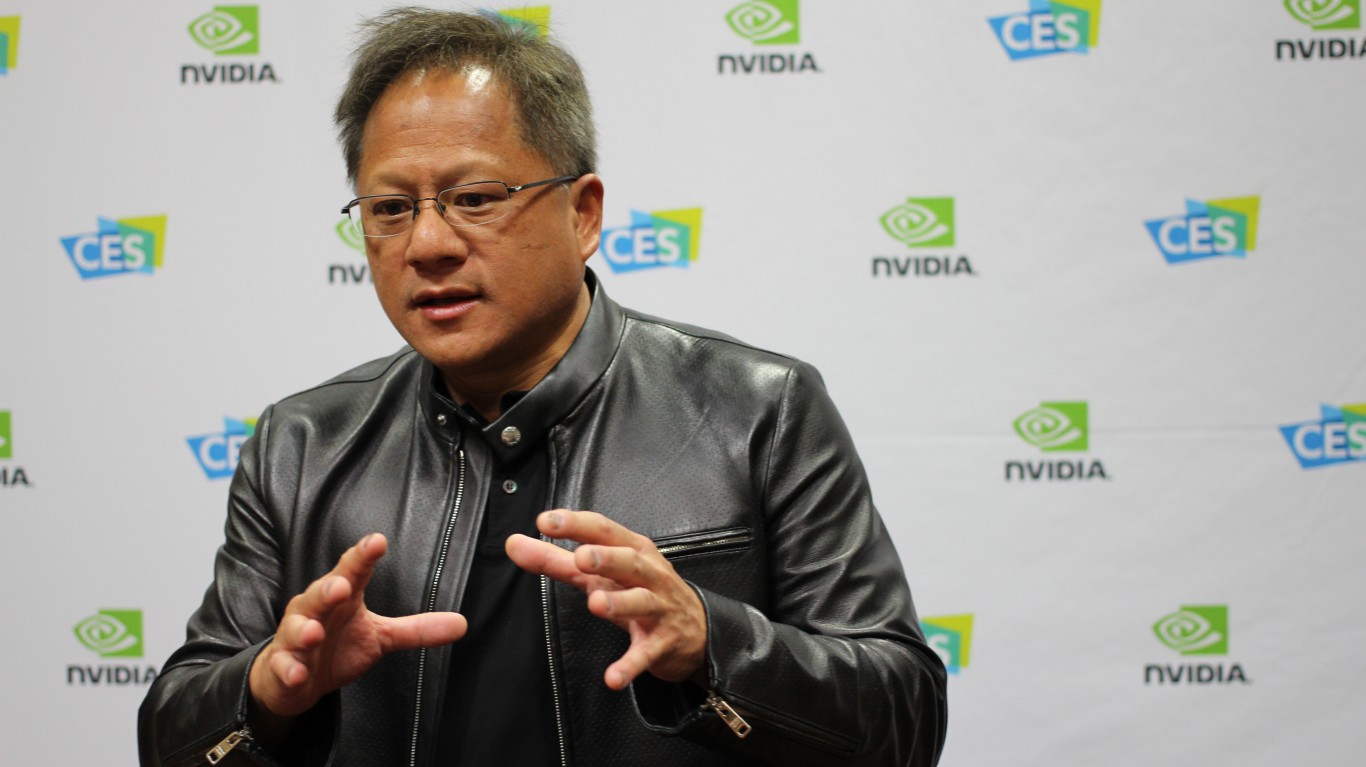
Mega-cap tech is ready to raise the bar on its AI spending, and that’s really helped shares of NVIDIA (NASDAQ:NVDA | NVDA Price Prediction) come roaring back after a few sessions that saw all of tech (AI and software) take several steps lower. Undoubtedly, perhaps the market is still underestimating the potential sales surge that Vera Rubin could bring. In the past couple of weeks, Nvidia CEO Jensen Huang has had quite a lot to say. He’s delivering deep insights at a time when it’s easy to lose track of where the puck is headed next in the tech scene.
While Huang isn’t convinced it’s lights out for software just because new, specialized agentic AI tools have arrived (he thinks it’s “illogical” to think AI will replace software), I do think that investors should watch the sagging software names closely as some sort of rebound looks to happen. Of course, Huang’s comments haven’t been all too soothing for software, but, in any case, I do think many notable names will lift off the canvas, as others look to continue gravitating lower.
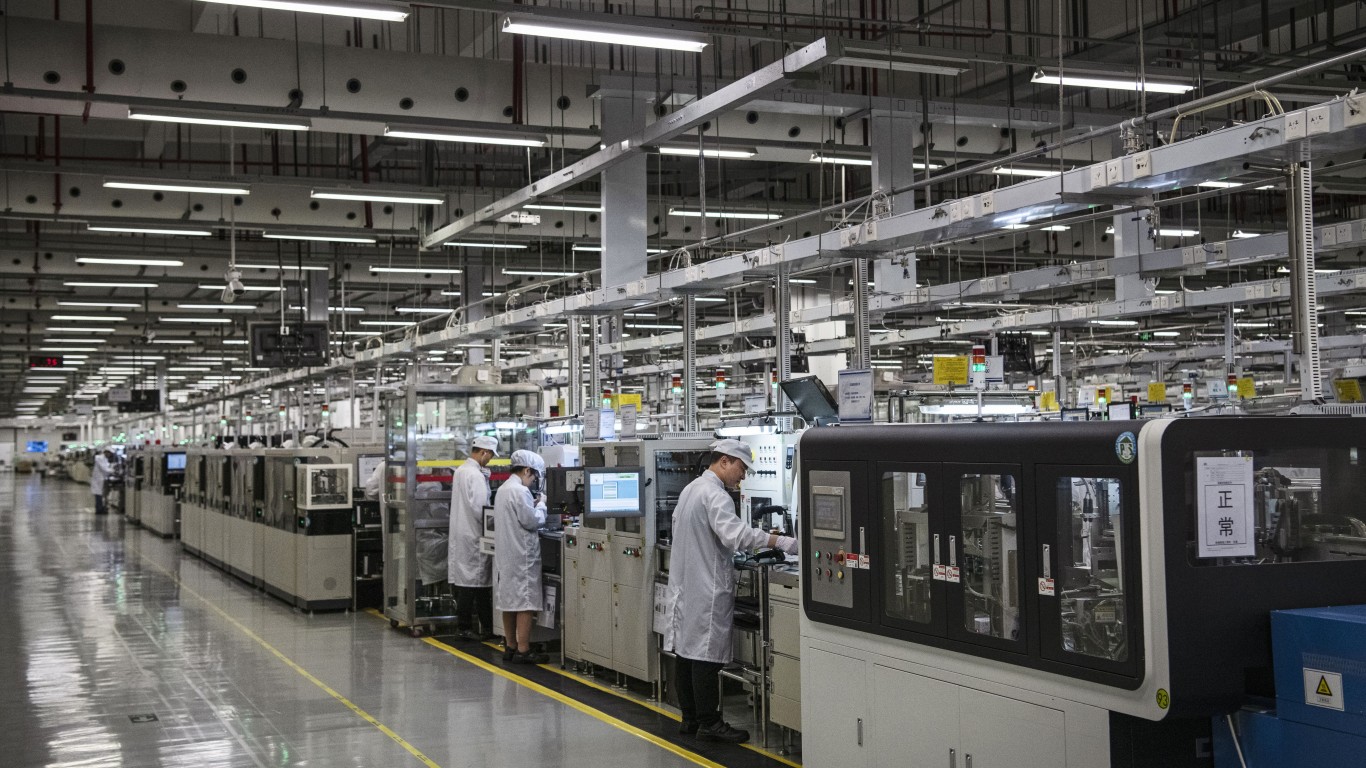
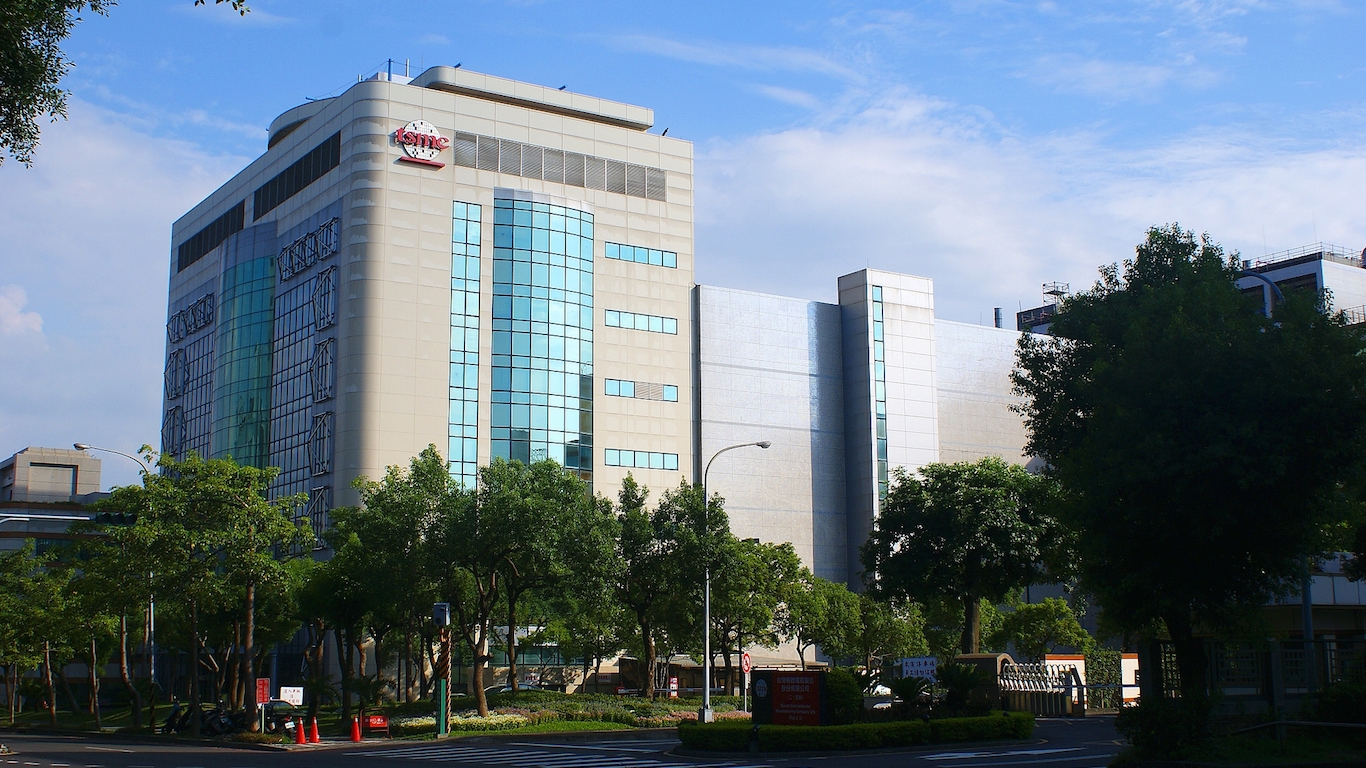
In any case, hardware has been the better place to be in the first few weeks of 2026. Of course, even the top semi names have faced intense volatility more recently. In any case, much buzz has been generated after Huang projected Taiwan Semiconductor (NYSE:TSM) to increase its production capacity by a whopping 100% over the next decade.
Can Taiwan Double Its Capacity in the Next Decade? It Might Be Necessary to Keep up With Demand
Undoubtedly, Taiwan Semiconductor is already a behemoth, so the prospect of doubling capacity is quite a profound one. Of course, flooring it to ramp up could accompany significant rewards, especially if the AI revolution starts paying serious dividends. At the same time, though, such an aggressive ramp could leave one more exposed to downside to be had should an AI bubble suddenly burst.
Either way, the AI boom doesn’t seem to be in bubble territory yet, especially considering attractive valuations across the board. Of course, it’s an uncommon take to think of AI as undervalued. But when you consider that Nvidia goes for around 23.0 times forward price-to-earnings (P/E) despite its off-the-charts earnings growth potential, I do think it’s quite a stretch to dismiss anything that touches the technology as being either overvalued or in a bubble.
Even Microsoft (NASDAQ:MSFT) looks like a bargain after shedding more than 25% of its value. The enterprise AI darling is arguably best positioned to monetize the technology in the enterprise, especially given its close ties to OpenAI (an entity that could be the source of much disruption through 2026).
Yet, shares are now going for less than 24.0 times forward P/E. Of course, Microsoft had a massive quarterly disappointment and a ton of AI spend ahead. But with cash to spend and the power to make AI and agents incredibly useful (the AI boom is entering a show-me-the-money kind of climate, at least in my opinion), it feels like investors are missing the long-term narrative for the scary-high capex figure.
AI CapEx Blasts off, Taiwan Semiconductor Might Need to Stay in Expansion Mode
Either way, Microsoft Azure seems like it could have room to run once it can get capacity up to speed. With other hyperscalers looking to ramp up aggressively on AI efforts, it feels like Taiwan Semiconductor might be a bottleneck if it can’t “work harder” to level up its capacity in the boom that lies ahead.
Whether hyperscalers opt to use their own silicon or go with NVIDIA’s latest and greatest, all paths go through Taiwan Semiconductor. And that makes the name worth careful consideration, even as shares look to break out to new all-time highs past $350 per share.
The stock goes for just over 23.0 times forward P/E as well, which still seems too low, given the capacity expansion and the multi-year earnings growth spurt that could lie ahead. If Huang is right (and he usually is), Taiwan Semiconductor could be the AI winners to stash away for the long haul.









 Top Gaining Stocks
 Top Losing Stocks