


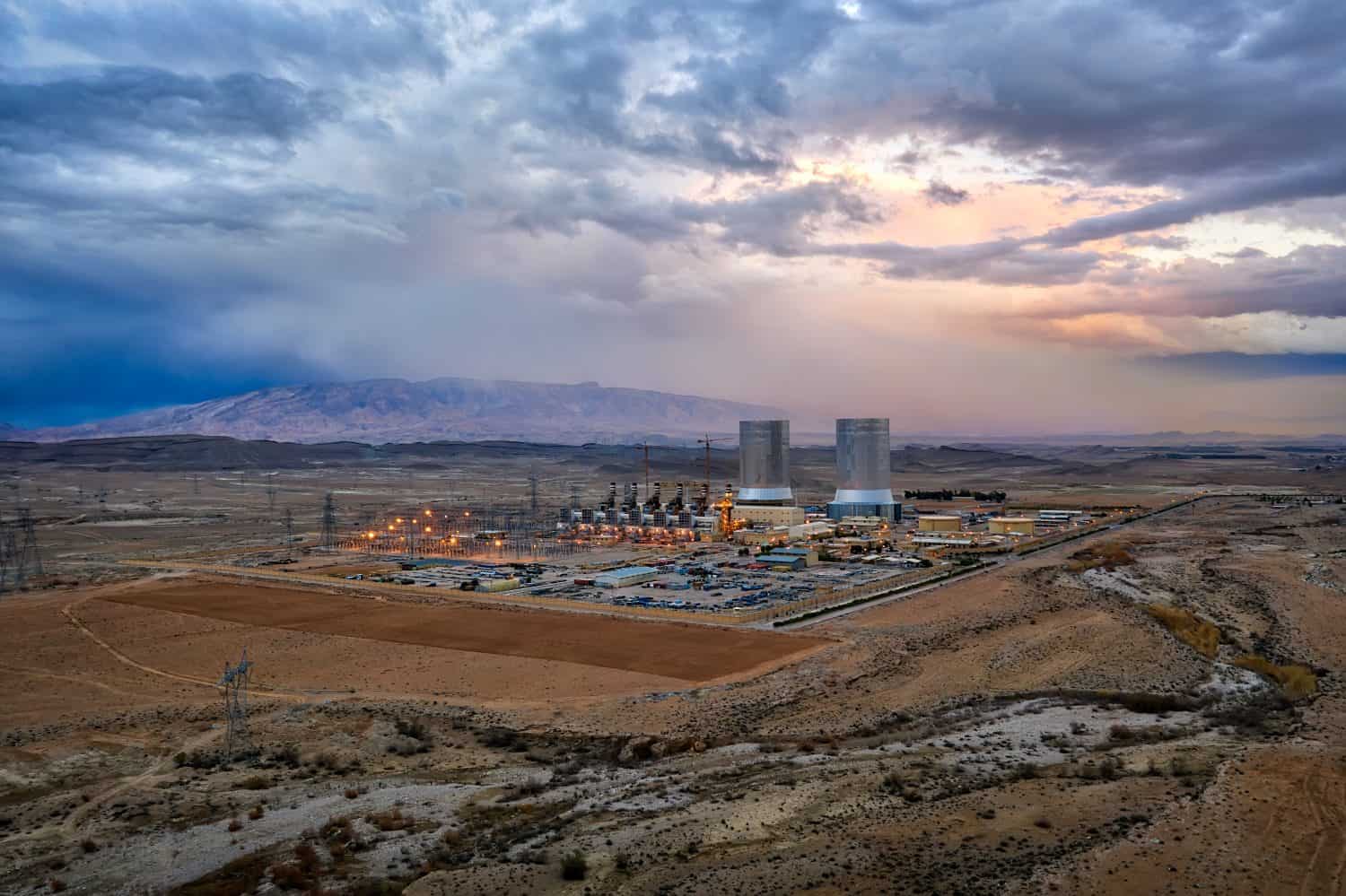
If you need a gigawatt of power in the next two to four years, there is exactly one realistic path. BKV Corp (NYSE:BKV | BKV Price Prediction) CEO Chris Kalnin made that case in a recent interview, and from my perspective the data behind BKV backs him up.
“If you need a gigawatt of energy, a gigawatt in two or 3 or 4 years, there’s only one way to get that. It’s not turning on more wind, it’s not turning on more solar. And it’s certainly not building a nuclear plant. It’s putting up a combined cycle natural gas plant.”
Chris Kalnin, CEO, BKV Corp
Natural gas supplied nearly 60% of ERCOT power during peak load periods — nearly four times the next closest source. Within ERCOT, natural gas supplied nearly 60% of power generation during peak load periods, representing nearly four times the next closest source. Kalnin described a paradigm shift happening over the last six weeks driven by hyperscalers and data center customers who need gigawatt-scale power commitments on timelines no other technology can match.
BKV’s Position on the ERCOT Grid
BKV’s Temple Energy Complex sits at the center of this thesis. Temple 1 and Temple 2 together represent 1.5 gigawatts of combined-cycle capacity, with BKV holding a 75% majority stake following a transaction that closed January 30, 2026. Kalnin noted BKV currently produces 1.5 gigawatts of natural gas power and has 1.2 gigawatts on order.
Transmission congestion is what makes co-located gas generation so attractive. As Kalnin explained on the earnings call: “One of the biggest constraints in the market is the ability to move electrons in sizable form in and out of localized areas. Having co-located power in a private use network setup solves a lot of the issues associated with that.” Data center loads have moved from 200 to 300 megawatts to gigawatt-plus, and the grid cannot absorb that shift without localized generation.
Q4 2025 revenue came in at $330.09 million, up 89.4% year over year, with net income of $70.38 million reversing a net loss of $57.46 million in Q4 2024. The Power JV spark spread expanded to $24.5/MWh in Q4 2025 versus $19.4/MWh in Q4 2024.
Kalnin also highlighted the carbon optionality that makes BKV’s offer a complete package: BKV has an option to decarbonize their natural gas capacity for customers sensitive about carbon footprint, through their growing CCUS business targeting 1.5 million tons per annum injection run-rate by 2028.
Analyst conviction has followed. Truist Securities initiated coverage with a Buy rating and $37 price target, while Mizuho raised its target to $39 and Siebert Williams Shank carries a $40 target. The stock trades around $28.52 with a 35.81% one-year return.
The key catalyst to watch is a power purchase agreement. Management is targeting PPA execution in 2026 to early 2027, with approximately 750 MW expected to be contracted under long-term offtake agreements, leaving remaining capacity for merchant sales. If BKV lands that deal, the thesis Kalnin outlined becomes a contracted cash flow stream.











 Top Gaining Stocks
 Top Losing Stocks