


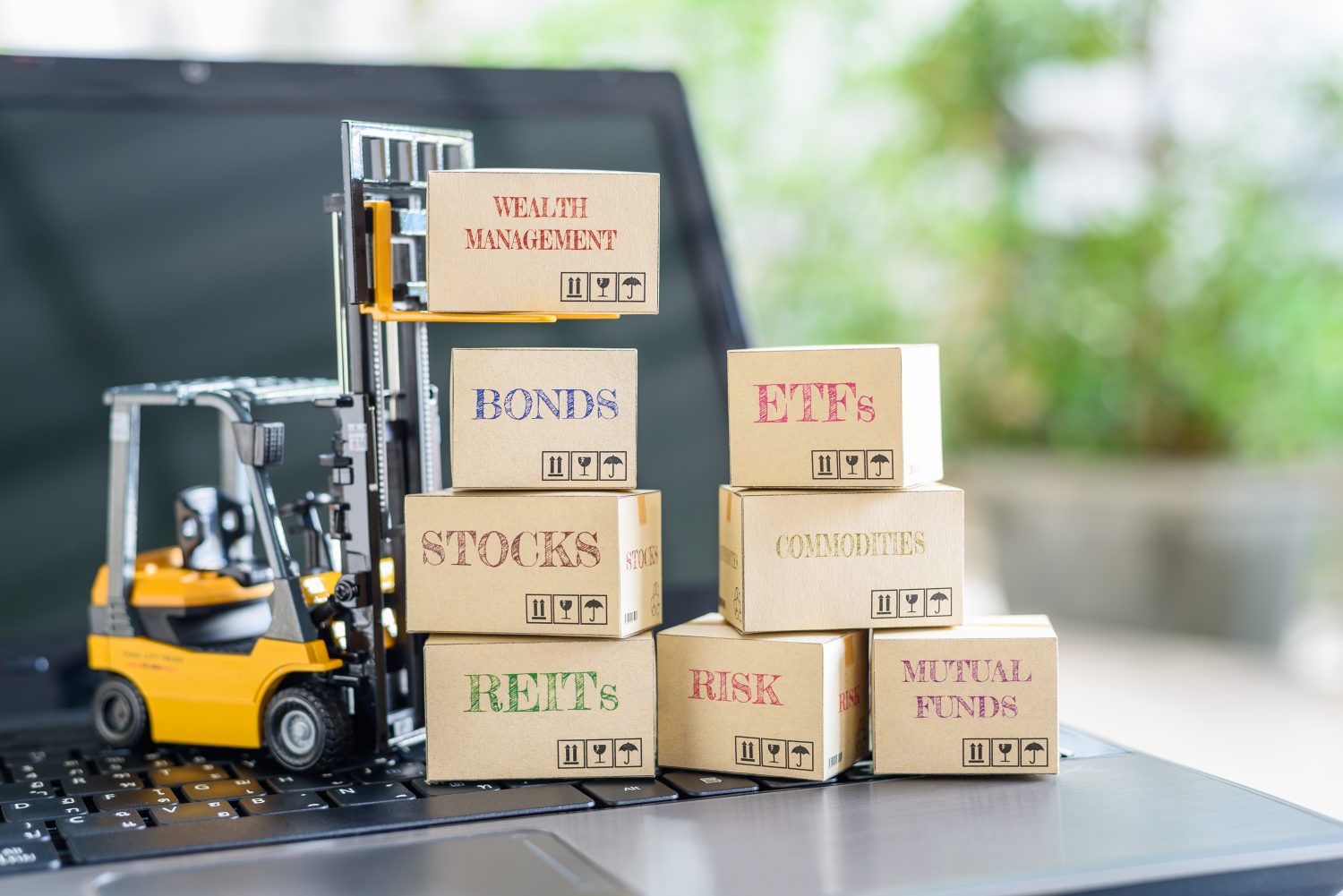
The stock-bond correlation that defined portfolio construction for four decades has quietly broken down. When both equities and Treasuries fell together in 2022, and again during the volatility spikes of 2025, investors discovered that the classic 60/40 portfolio offered less shelter than expected. That is the precise problem Harbor Commodity All-Weather Strategy ETF (NYSEARCA:HGER) was built to solve.
What Role HGER Is Designed to Play
HGER tracks the Quantix Commodities Index (QCI), a rules-based benchmark that weights commodities based on their correlation to inflation and includes a scarcity debasement indicator to tilt toward gold or consumable commodities depending on the source of inflation. The fund launched in February 2022 under the name Harbor All-Weather Inflation Focus ETF before being renamed to HGER effective March 1, 2023.
The intended portfolio role is a diversifying sleeve, not a core equity replacement. Kristof Gleich of Harbor Capital Advisors recommends 10% commodity exposure for typical investors, framing HGER as a tool for “profit generation and inflation protection through an evolving methodology.” The return engine has two components: commodity price appreciation driven by supply-demand dynamics and a dynamic tilt that rotates between gold and energy depending on whether inflation stems from monetary debasement or physical scarcity.
Currently, gold represents 40.9% of the fund, reflecting a meaningful debasement tilt. The remainder sits in energy and other consumable commodities, with weights shifting as the QCI’s regime indicators change.
The Numbers Behind the Promise
The performance record is hard to dismiss. HGER has returned 25% year-to-date and 40% over the past year, with shares trading near $31. Since inception, the fund has returned 83% from its starting price of roughly $17.
The comparison against a broad commodity peer is instructive. The WisdomTree Enhanced Commodity Strategy Fund (NYSEARCA:GCC) returned 13% year-to-date and 31% over the past year, solid but notably behind HGER’s results over both periods. HGER’s dynamic rebalancing between gold and energy appears to be adding real value relative to static commodity exposure.
A MarketWatch analysis noted that “since its launch in February 2022, the ETF has matched the S&P 500’s performance but with a much smoother ride,” which is a meaningful claim for investors who want equity-like returns without equity-like drawdowns. The fund has crossed $2 billion in assets under management, and institutional buyers including 3EDGE Asset Management, which increased its stake by 182.6% in Q3 and now holds over 2 million shares, have been adding aggressively.
The Tradeoffs That Come With the Strategy
The first tradeoff is concentration risk. A 40.9% gold allocation means HGER behaves more like a gold-heavy fund than a true broad-commodity vehicle when the debasement indicator is active. Gold’s performance is driven by real interest rates and dollar strength, not the same dynamics as energy or agricultural commodities. Investors expecting diversified commodity exposure may be getting something closer to a gold-plus-energy tilt.
The second tradeoff is the current rate environment. The 10-year Treasury yield sits at 4.44%, near the 91st percentile of its 12-month range. Higher yields increase the opportunity cost of holding commodities, which produce no income on their own. HGER does carry a 6.23% dividend yield at a 0.7% expense ratio, which partially offsets that headwind, but the yield competition from Treasuries is real.
The third tradeoff is regime dependency. HGER’s dynamic methodology works best when inflation is persistent and stock-bond correlations are elevated. CPI currently stands at 327.5, up 0.3% month-over-month, keeping inflation concerns alive. But if inflation cools meaningfully or the dollar strengthens sharply, the fund’s core thesis weakens. The VIX is at 31.05, near its 96.5th percentile over the past year, signaling the kind of market stress where commodity diversifiers historically earn their keep. That environment will not last forever.
For investors who believe inflation will remain sticky and want a commodity allocation that actively tilts toward wherever that inflation is coming from, a 5-10% portfolio sleeve is the range Harbor Capital itself recommends. Anyone expecting it to behave like a passive commodity index will be surprised by how much gold is doing the heavy lifting.










 Top Gaining Stocks
 Top Losing Stocks