


Commodities are in a really interesting spot right now. Even though we’re well into 2026, inflation is still stubbornly above the Fed’s 2% target. The Consumer Price Index hit 336.1 in March, jumping over 1% in just a single month. At the same time, the 10-year Treasury yield is sitting right at 4.32%. That is high enough to give stocks some serious competition and keep bond prices from moving much higher.
It has also been a wild ride for volatility. We saw the VIX scream past 31 back in March before finally settling down near 19 recently. Energy hasn’t been any calmer. Oil went from a low of about $55 in December to $115 earlier this month before it started to cool off.
This mix of sticky inflation, jumpy energy prices, and occasional stock market stress is usually exactly when commodities deserve a spot in your portfolio. The three ETFs we are looking at today each take a very different path to getting you that exposure.
DBA: Pure-Play Agricultural Futures
The Invesco DB Agriculture Fund (NYSE:DBA) is a commodity pool that tracks the DBIQ Diversified Agriculture Index Excess Return by holding futures contracts on corn, soybeans, sugar, coffee, cocoa, wheat, cattle, and hogs. Agricultural commodities sit in a different macro lane than energy or metals, responding to weather, planting cycles, crop disease, and shifting global demand patterns. That is the mechanism linking DBA to the diversification theme: its return stream has limited structural overlap with equity earnings or interest-rate moves.
The fund is built around futures positions rather than producer equities, which means holders get direct price exposure to the underlying softs and livestock. DBA is up about 7% year to date and roughly 71% over five years, a track record that reflects the post-2021 run in agricultural prices.
Two tradeoffs matter here. A DBA issues a K-1 at tax time, which can complicate investors’ filings when held in a taxable brokerage account. The fund is also subject to contango, the condition where futures roll at higher prices than the expiring contract, which quietly erodes returns when markets are oversupplied. Investors looking for agricultural exposure without equity overlap accept those frictions in exchange for the purest available play on soft commodity prices.
GCC: A Broad, Actively Managed Commodity Basket
The WisdomTree Enhanced Commodity Strategy Fund (NYSEARCA:GCC) is an actively managed ETF that spreads exposure across all four major commodity sectors: energy, agriculture, industrial metals, and precious metals. For an investor who wants commodities as an asset class rather than a bet on any single sector, that breadth is the entire point. Any one of those sleeves can lead or lag in a given year, and GCC’s active approach lets the manager adjust sector weightings and contract selection to mitigate roll costs that plague passive futures funds.
Performance through the recent cycle illustrates the value of diversified commodity exposure. GCC is up 17% year to date and has returned roughly 39% over the past year. Those figures coincide with the March WTI spike above $114 and a natural gas seasonal burst earlier in the year.
The structural feature that distinguishes GCC from most of its peers is its 1940 Act fund structure, meaning it issues a standard 1099 at tax time rather than a K-1. That alone is meaningful to investors who want broad commodity exposure without the K-1 reporting overhead associated with most futures-based competitors. The caveat is that active management and a 1940 Act wrapper typically carry a higher expense ratio than a passive index fund, and performance depends on the manager’s sector and roll decisions.
XME: Equity Exposure to U.S. Metals and Mining
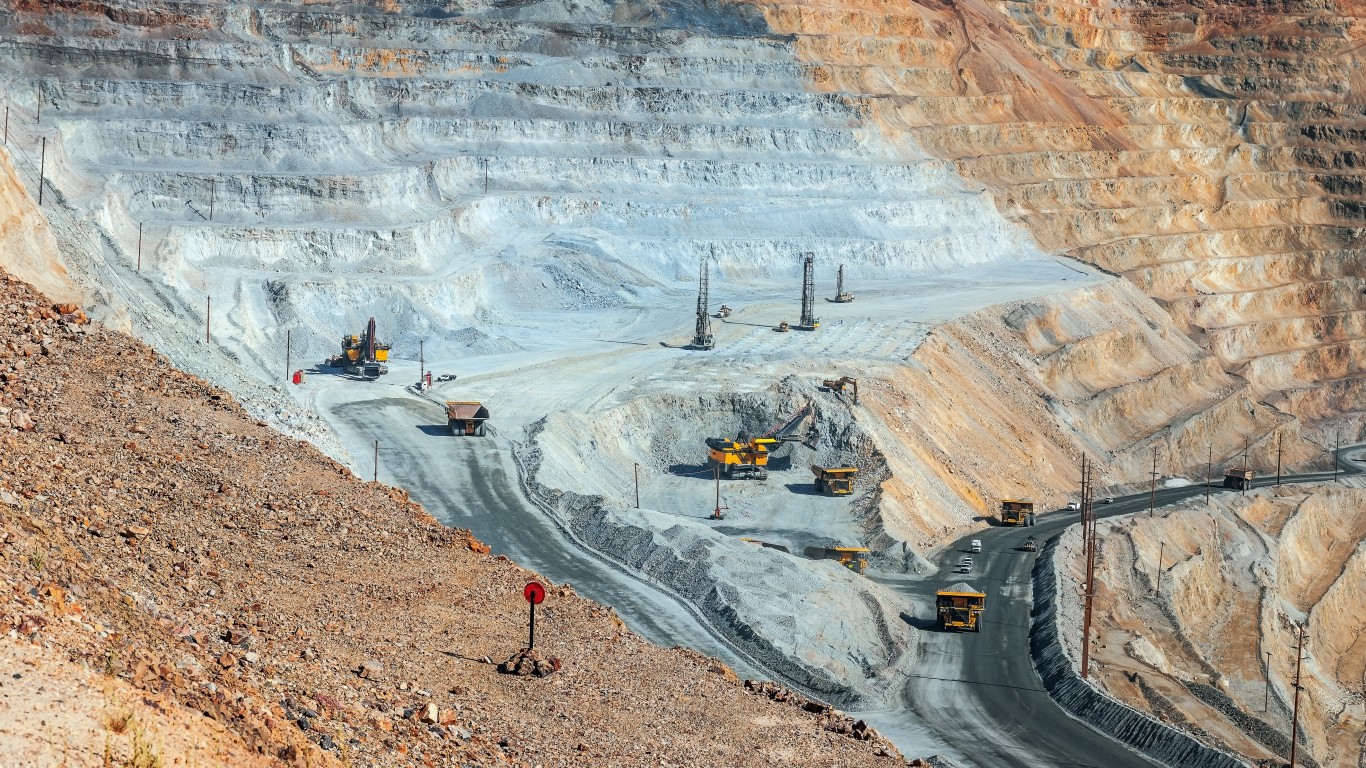
The SPDR S&P Metals & Mining ETF (NYSEARCA:XME | XME Price Prediction) takes the picks-and-shovels route. Rather than holding metals directly, the fund tracks an equal-weighted index of U.S.-listed miners and processors, so investors gain exposure to operating leverage tied to underlying commodity prices rather than the commodities themselves. When steel, aluminum, and copper prices rise, producers often see earnings expand faster than spot prices, which is why mining equities can outpace the metals they extract from the ground.
The sector weights make that positioning very clear. Steel makes up about 33% of the fund. It is followed by diversified metals at 19% and gold at roughly 15%. Coal and fuels account for about 12%, while aluminum, copper, and silver make up the rest. The equal-weighting strategy tilts the fund toward smaller miners and producers compared with a standard market-cap-weighted approach. This naturally sharpens the fund’s response whenever the economic cycle takes a turn.
Performance reflects that leverage. XME is up roughly 14% year to date, 119% over the past year, and about 476% over a decade. The fund launched in June 2006 and carries a relatively low expense ratio for a sector ETF. Top holdings include Alcoa, Nucor, Steel Dynamics, Freeport McMoRan, and Newmont, spanning aluminum, steel, copper, and gold producers.
The tradeoff is real. Because XME holds equities, its correlation to the broader stock market is higher than that of a futures-based commodity fund. In a broad equity drawdown, XME will typically fall with stocks even when underlying metal prices hold up. The equal-weight methodology also concentrates the portfolio in smaller, more cyclical names, which amplifies drawdowns during industrial slowdowns.
Choosing Among the Three
Each of these funds answers a different question for your portfolio. DBA is the right fit if you want a direct bet on agricultural prices. It has the lowest correlation to the stock market, though you do have to deal with the extra K-1 tax paperwork. GCC is better for investors seeking broad exposure to commodities. It uses active management to pick the best spots, and it provides a 1099 tax form to keep things simple and easy. XME is for those who are comfortable with the risks of the stock market. It gives you extra leverage because it owns the miners and processors that tend to jump the most when commodity prices start to rally.






 Top Gaining Stocks
 Top Losing Stocks