


Dick’s Sporting Goods (NYSE: DKS | DKS Price Prediction) and Keurig Dr Pepper (NASDAQ: KDP) both paid shareholders on April 10, 2026. The question for retirement-focused investors is straightforward: which one just paid you better, and which one deserves a place in a long-term income portfolio?
Yield and Income: Edge to Keurig Dr Pepper, With a Caveat
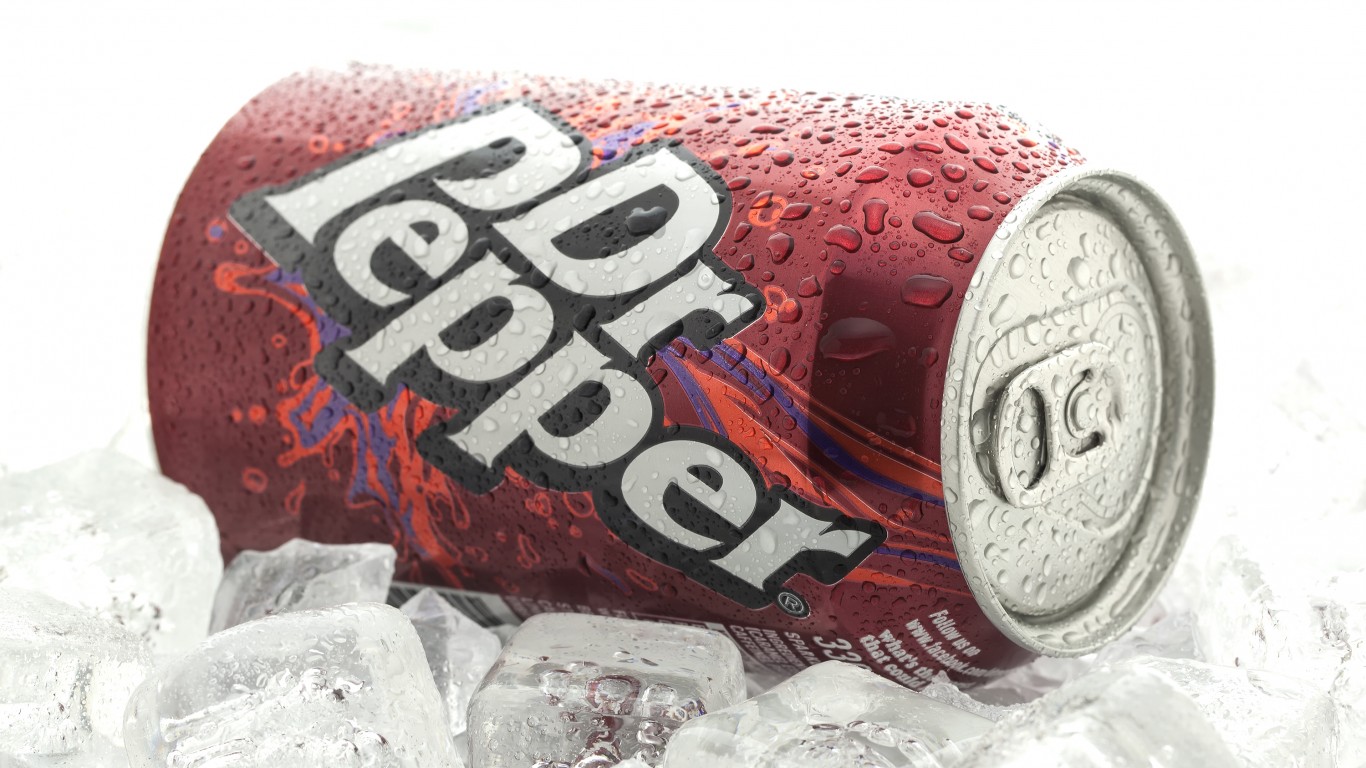
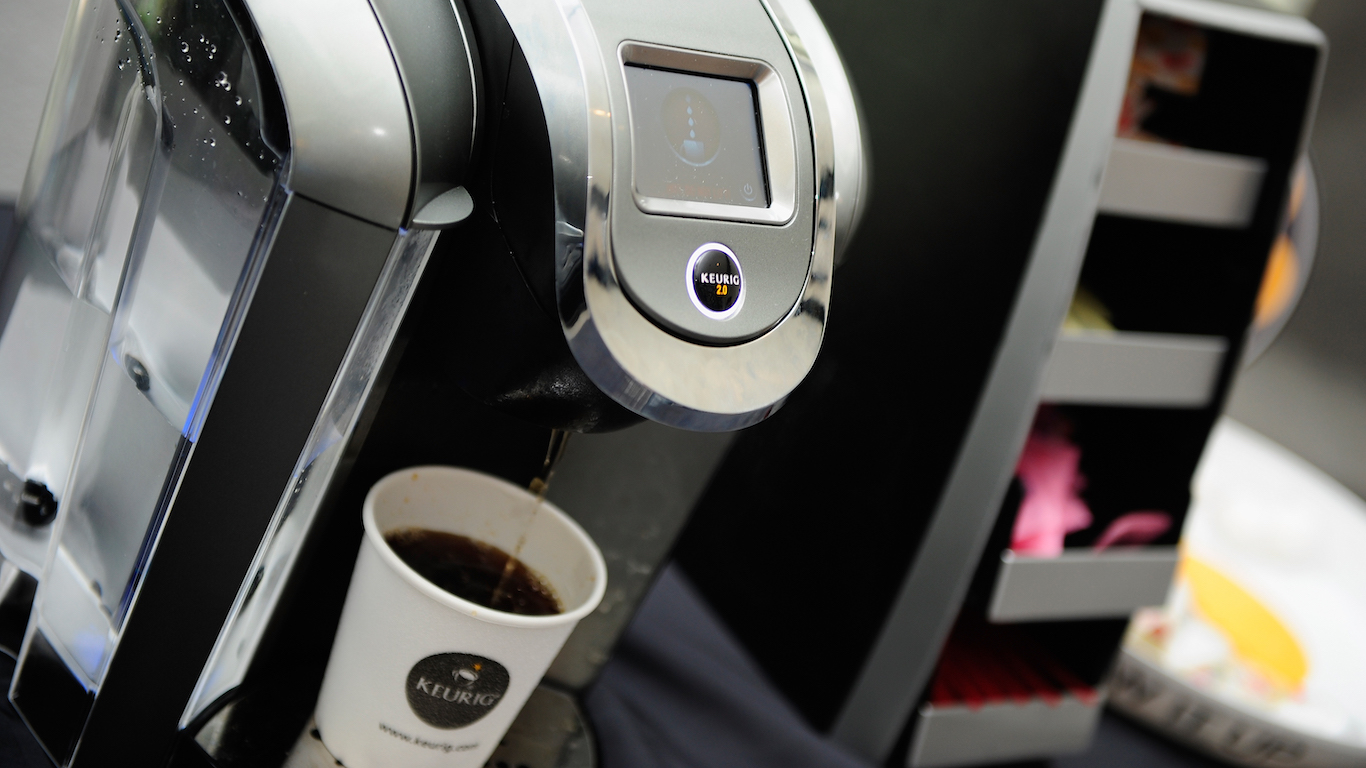
On raw yield, Keurig Dr Pepper wins this round. The company pays an annualized dividend of $0.92 per share, translating to a 3.5% yield at current prices. That yield comes with four consecutive years of dividend increases, moving from $0.7625 in 2022 to $0.92 in 2025.
Dick’s Sporting Goods pays $1.25 per quarter, or $5.00 annualized, but at a stock price of $212.46, the yield comes in at roughly 2.4%. Dick’s did raise its quarterly payout 3% from the prior level, and its dividend history shows consistent growth from $0.17 per quarter in 2017.
There is a caution flag on Keurig Dr Pepper, however. While the full-year FY2025 FCF payout ratio improved to 83% from a problematic 134.6% in FY2023, quarterly data tells a more volatile story. Q1 2025 showed dividend payments exceeding free cash flow by 3.5x. The pending JDE Peet’s acquisition adds further complexity. The income edge belongs to Keurig Dr Pepper, but investors should weigh the FCF variability and acquisition uncertainty carefully.
Price Performance and Growth: Dick’s Wins Decisively
Dick’s Sporting Goods leads decisively on price performance. Dick’s Sporting Goods is up 11.8% over the past year and 158.6% over five years. Keurig Dr Pepper is down 23.5% over the past year and 24.5% over five years.
Dick’s acquisition of Foot Locker, which closed in September 2025, pushed full-year revenue to $17.22 billion, up 28.06% year over year, with FY2026 consolidated net sales guided to $22.1 billion to $22.4 billion. The core Dick’s business posted 4.5% full-year comparable sales growth. Analysts have set a consensus target of $234.76 for Dick’s, versus $34.33 for Keurig Dr Pepper, a meaningful gap relative to current prices.
Keurig Dr Pepper did post 10.7% net sales growth in Q3 2025 and raised its full-year outlook to a high-single-digit constant currency sales growth range. But the stock’s multi-year price erosion makes it a difficult growth argument.
Volatility and Risk: Keurig Dr Pepper Is the Steadier Ride
Keurig Dr Pepper’s beta of 0.361 versus Dick’s beta of 1.238 reflects a fundamental sector difference. Keurig Dr Pepper operates in consumer staples, a defensive category. Dick’s sits in consumer discretionary, where spending cycles and retail sentiment create real volatility.
Dick’s also carries near-term integration risk. The Foot Locker business posted a segment loss of $52.2 million for the full year, with $500 million to $750 million in pre-tax restructuring charges still expected. Net income fell 27.12% in FY2025. That is a real drag, even if the long-term thesis remains intact.
Verdict
Retirement investors who prioritize stable, predictable income with low volatility should favor Keurig Dr Pepper. The 3.5% yield, defensive sector positioning, and low beta make it the income pick, even with the FCF variability and acquisition uncertainty factored in.
Investors who want total return alongside a growing dividend should own Dick’s. The five-year return of 158.6%, consistent dividend growth, and a forward multiple of 15x earnings make it the stronger long-term compounder. The April 10 payout was smaller in yield terms, but the stock behind it is in a fundamentally stronger position.









 Top Gaining Stocks
 Top Losing Stocks