


When investors buy a thematic ETF, they’re betting that a specific trend will reshape the economy. The Sprott Critical Materials ETF (NYSEARCA:SETM) takes that idea and applies it to the materials powering everything from electric vehicles to data centers to nuclear reactors. If you believe the energy transition and technology buildout will require exponentially more copper, lithium, uranium, and rare earths, this fund gives you a direct line to that thesis.
A Portfolio Play on Supply Chain Rewiring
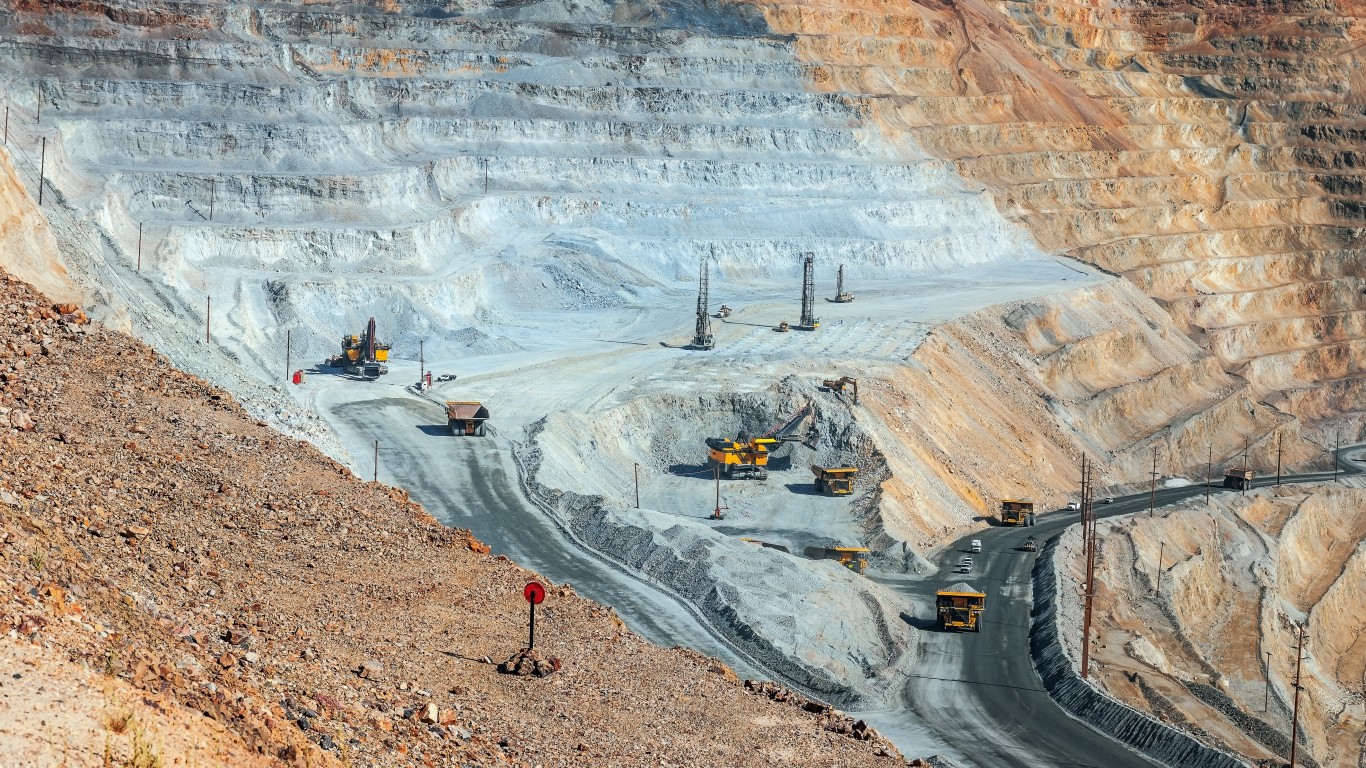
SETM concentrates on materials critical to national security and industrial competitiveness through over 130 positions. The strategy centers on copper for electrification infrastructure, lithium for battery production, and uranium for nuclear energy. Major producers like Freeport-McMoRan (NYSE:FCX | FCX Price Prediction) and Albemarle Corp (NYSE:ALB) provide the core exposure, combining for more than 10% of the portfolio. The uranium allocation spans established players like Cameco Corp (NYSE:CCJ) and emerging producers. This structure excludes legacy commodities like steel and aluminum, betting instead on the inputs for tomorrow’s infrastructure.
The return engine here is straightforward. As demand for these materials rises and supply struggles to keep pace, the miners and processors in this portfolio should see pricing power and margin expansion. Unlike broad materials funds, SETM focuses on the inputs for batteries, semiconductors, and clean energy infrastructure.
Performance That Validates the Thesis
The fund delivered a 127% gain over the past year, vastly outpacing the S&P 500’s 14% return. This outperformance stems from supply constraints meeting surging demand – when uranium prices rally or lithium supply tightens, the mining companies see their margins expand faster than commodity prices themselves, creating operational leverage that amplifies returns.
The Tradeoffs You Accept
The concentrated structure creates real tradeoffs. Top holdings represent roughly 40% of assets, which means the portfolio moves sharply when sentiment shifts on specific supply chains. The 0.65% expense ratio reflects this targeted approach – you’re paying for focused exposure rather than broad diversification. This concentration is intentional, but it means SETM works best as a tactical position rather than a core holding.
SETM works best for investors who want tactical exposure to the energy transition without picking individual miners, but it’s not a set-and-forget holding. The volatility is real, and the thesis depends on sustained government support and infrastructure spending.








 Top Gaining Stocks
 Top Losing Stocks