


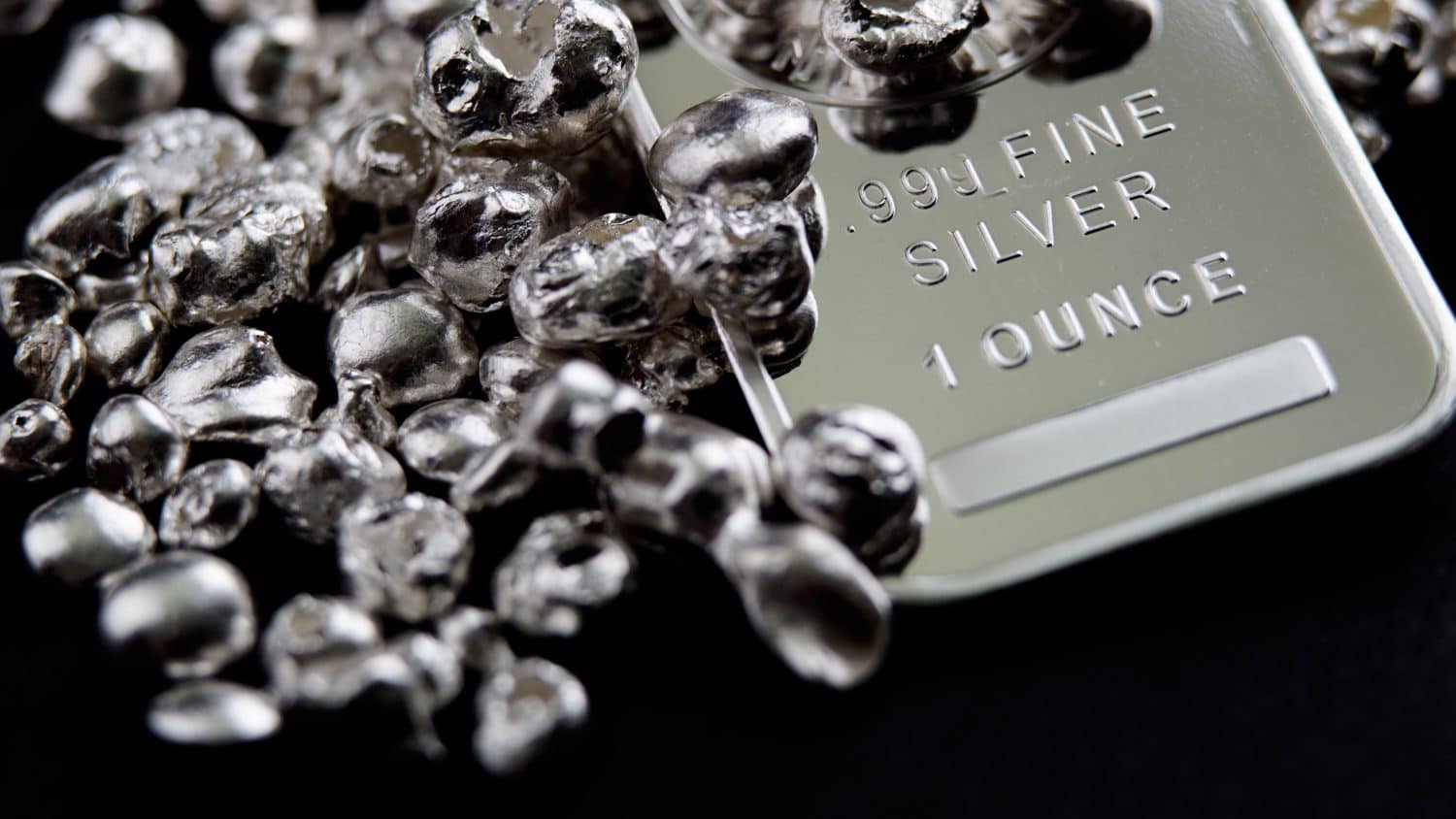
When investors talk about precious metals as a store of value, gold tends to dominate the conversation while silver gets treated as the cheaper alternative, a kind of gold-lite trade for investors who missed the primary move.
This kind of framing misses something important, as silver has a demand driver that gold simply does not have, and in 2026, that driver is accelerating in ways that make the iShares Silver Trust (NYSE:SLV | SLV Price Prediction) a fundamentally different kind of position.
The iShares Silver Trust holds physical silver, charges an expense ratio of 0.50%, trades around $68 per share, and has returned 9.24% YTD and 138.54% over the past year. This is a straightforward vehicle, but the supply-and-demand math underlying it is not.
Industrial Demand Is the Story Gold Cannot Tell
Roughly 50 to 55% of annual silver demand comes from industrial applications, according to Silver Institute data. Gold’s industrial demand is effectively zero, and it serves mostly as a monetary asset and a store of value, full stop. Silver is both of these things, and it is also a critical input for some of the largest capital spending cycles in the global economy right now, creating a demand floor that gold investors never have to think about.
Solar is the most significant of those cycles as each standard solar panel uses approximately 20 grams of silver in its electrical contacts, and global solar installations have been growing at roughly 25 to 30% annually. The International Energy Agency projects solar capacity additions exceeding 500 gigawatts in 2026, which at 20 grams per panel translates to more than 100 million ounces of silver demand from solar alone, representing approximately 10% of total annual global output from a single end market.
Artificial Intelligence infrastructure adds another layer that was not part of the silver thesis five years ago. Silver is used in electrical connectors, thermal interface materials, and circuit boards, and the data center buildout currently underway for AI compute is a multi-year capital deployment that will continue consuming silver in meaningful quantities regardless of what the metal does as a financial asset.
Electric vehicles are also helping to round out the picture as each vehicle uses approximately 25 to 50 grams of silver, more than a comparable internal combustion vehicle, primarily in battery management systems and charging components. As EV penetration continues to grow globally, the incremental demand per vehicle compounds across an expanding installed base.
The Supply Side Is Not Keeping Up
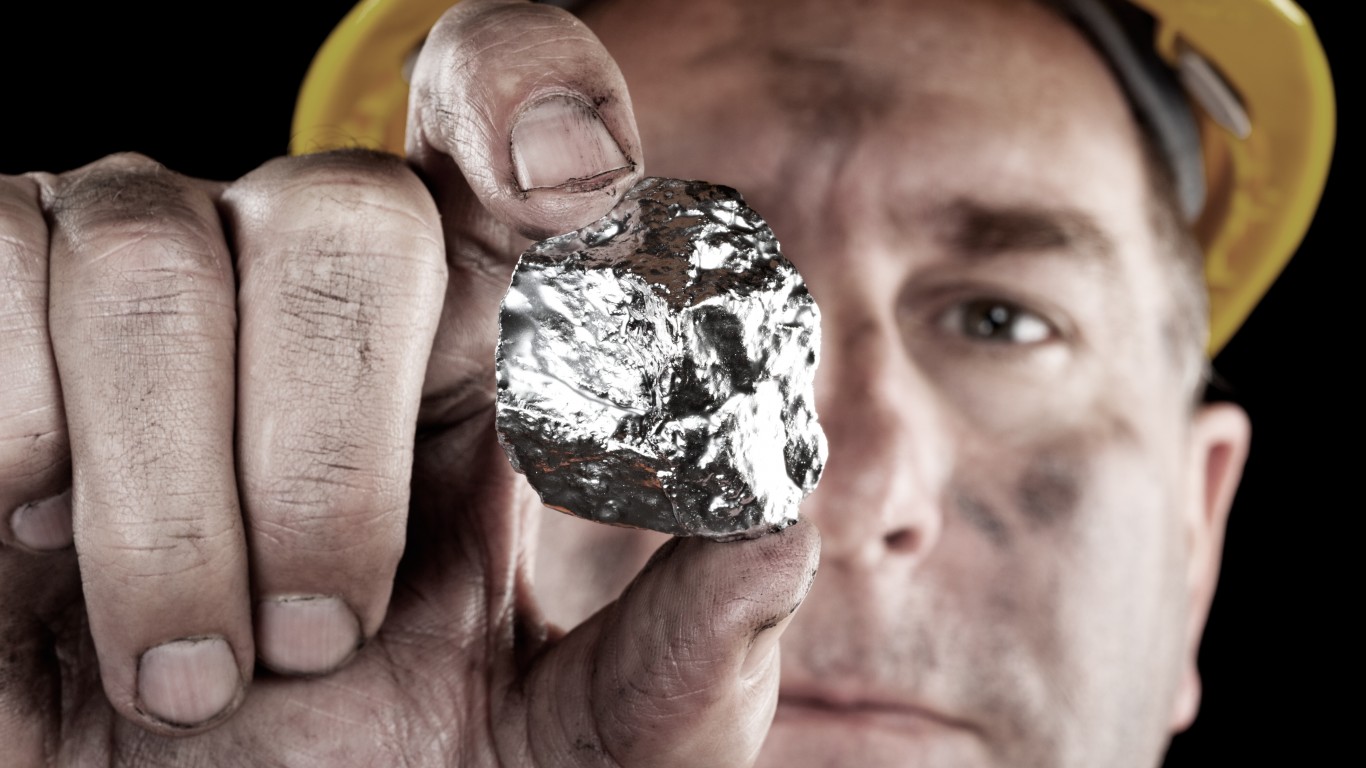
Silver mine production has been roughly flat at approximately 830 million ounces per year for the past five years. Unlike demand, which is being pulled higher by structural technology investment, supply is constrained by geology, capital timelines, and the fact that most silver is produced as a byproduct of copper, zinc, and lead mining rather than dedicated silver operations.
This means the primary silver supply cannot respond quickly to price signals, so sustained demand growth hits a relatively inelastic supply base, and the gap between the two widens over time.
How the Comparison With Gold Actually Works
The iShares Gold Trust and similar gold vehicles are legitimate portfolio tools, but their demand profile is structurally different in ways that matter. Gold demand is driven by central bank reserves, jewelry, and investment flows, none of which are tied to solar installations or AI server racks.
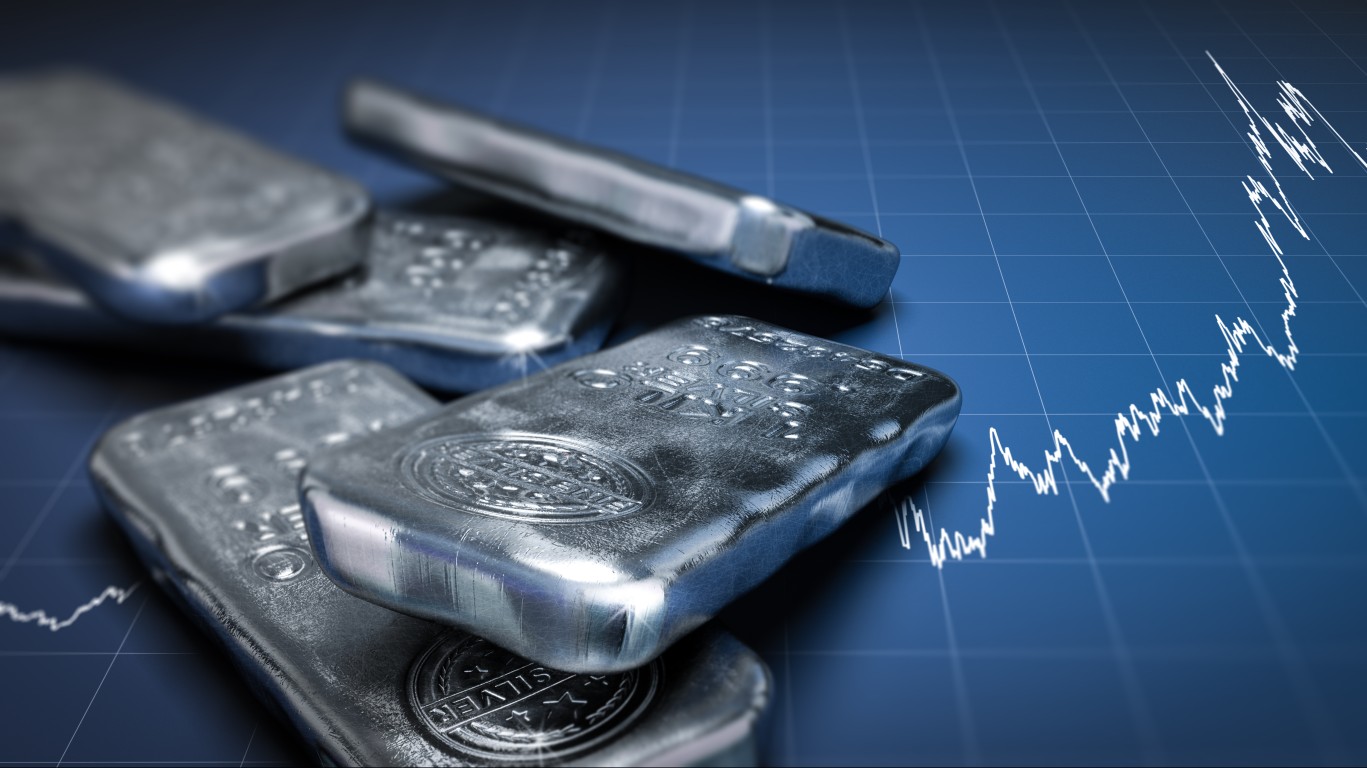
When industrial demand for silver grows, it creates a price support that gold does not benefit from. The trade-off is volatility, as silver has historically traded at 1.3 to 1.5 times the volatility of gold. It fell more sharply in 2022, and it recovered more aggressively through 2023 and 2025, so investors who held through that full cycle were rewarded, but the drawdowns required real conviction.
The Risk Worth Taking Seriously
A global industrial slowdown would compress silver demand and likely its price faster than gold would decline, because silver is not a pure safe haven. It trades like a hybrid between a commodity and a monetary metal, which means it can sell off in risk environments even when the underlying industrial thesis remains completely intact. Ultimately, position sizing matters here more than it does with gold.
For investors who believe solar buildout, AI infrastructure, and electrification are durable multi-year trends rather than cyclical trades, the iShares Silver Trust offers a way to participate in that demand growth through an asset that also retains monetary metal characteristics. This combination is genuinely unusual in the commodities space, which is why the silver thesis deserves more attention than usual.









 Top Gaining Stocks
 Top Losing Stocks