



The memory stocks just keep finding new ways to defy the laws of gravity, with the SanDisk (NASDAQ:SNDK | SNDK Price Prediction), once again, leading the charge higher, with shares up more than 75% in the past month or about 264% year to date.
It’s the best performer of the S&P 500 so far this year, and it’s not even close. Its storage rivals have also more than doubled in 2026 so far, while Micron (NASDAQ:MU), the DRAM pick, is up close to 60% on the year. The trade seems unstoppable, even if it’s based on the same unprecedented demand narrative that helped drive the broad basket higher last year.
The memory trade has stayed blistering-hot
Undoubtedly, when the year began, it felt less probable that the DRAM and NAND plays would continue leading the upward charge. Back in January, I noted that the price of admission into the memory stocks wasn’t yet all that obscene, given the magnitude of the supercycle. As it turned out, it was the right call despite the overbought conditions going into 2026.
Here we are, another 75-264% or so worth of gains later, and some of the sell-side analysts are ready to turn bearish. While the demand supercycle still seems to be in play with “memflation” paving the way for triple-digit percentage price hikes, I must say that I’m notably less bullish after a name like SanDisk rocketed over 250% in just under four months.
Sure, the supply-demand imbalance is real, and memflation could stay the main story for another couple of years, even as the top player ramps up production. That said, I think some uncertainties were introduced to the trade since the year began. And combined with the even higher price of admission, I’d be on pause with the memory names, even if it means missing out on more outsized gains as the AI trade looks to pick up steam once again.
The rise of efficiency breakthroughs could change things
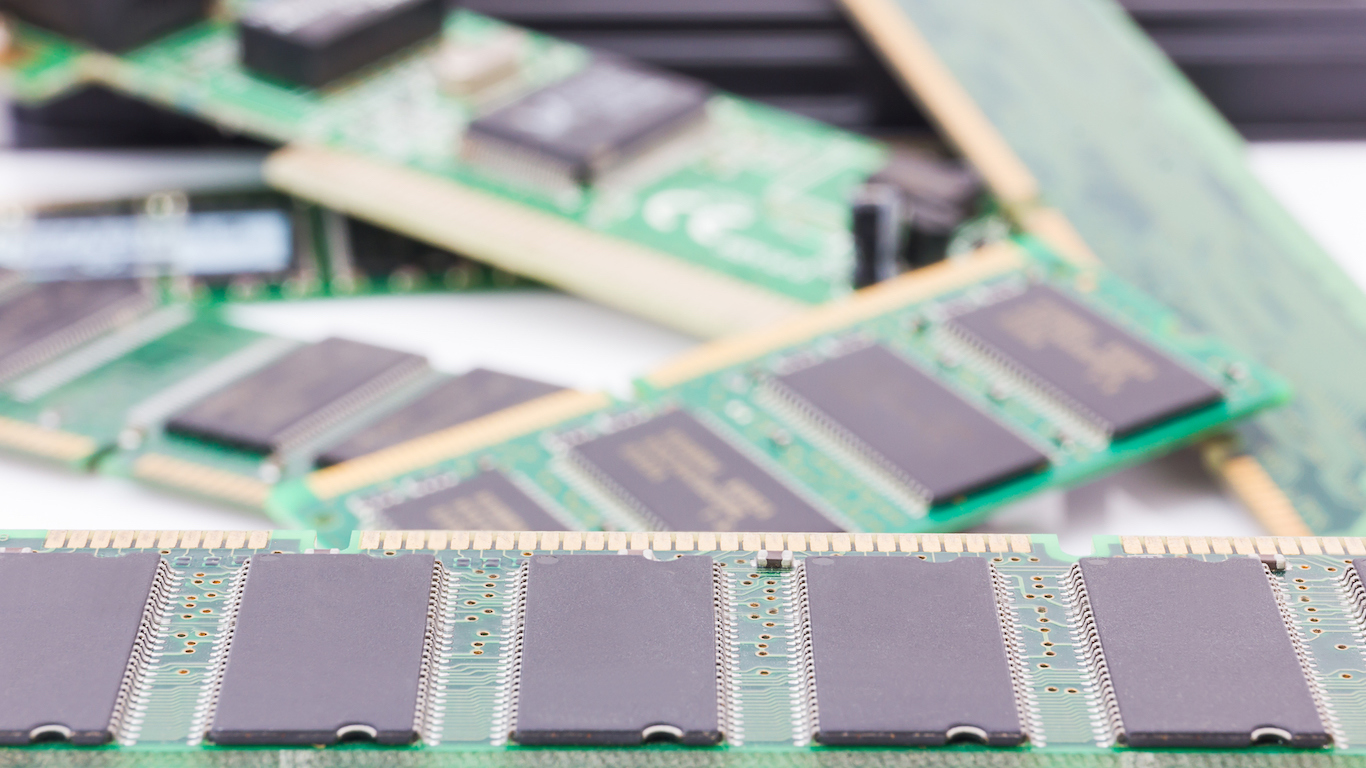
On the DRAM front (Micron’s turf), the TurboQuant breakthrough delivered by Alphabet (NASDAQ:GOOG), Google, I think, gave investors plenty of food for thought. Some argue that memory compression algorithms and other efficiency-driven advancements would lead to even greater demand, since greater efficiency tends to accompany greater use under Jevons Paradox. I’d be inclined to agree.
That said, what if Jevons Paradox doesn’t apply in this case? It already seems like AI model makers are hoarding up all the memory chips they can get their hands on. At what point do they have their fill?
It’s hard to tell. But being a bit more cautious and skeptical over the bull case, I think, could prove wise, especially following a report that noted OpenAI missed its internal revenue and user growth targets. Personally, I’m in the camp that thinks Jevons Paradox will kick in and add even more heat to the Memflation we’ve already seen.
Time to change how we value the storage stocks?
On the NAND front (think storage), Melius Research analyst Ben Reitzes thinks that it makes more sense to value a name like SanDisk as an “inverse SaaS” company. That’s one of the most intriguing takes I’ve heard on the storage plays. And I do think it makes more sense to consider such an approach in the age of AI. The explosiveness of the past-year rally suggests investors were inappropriately valuing the firm for far too long.
The firm’s sold out for the year, and there’s no sign its pricing power will wane. The big question is what happens when the AI data center-driven builds slow, and what the implications will be once 3D NAND (a more efficient stack of memory) hits the ground running.
Will the hardware efficiencies enabled by the rise of 3D NAND also pave the way for greater adoption? Or will satiation hit? That’s the big question, and while only time will tell, I do think that the risks and rewards remain incredibly heightened. With GF Securities calling for a run to $1,277, perhaps it’s till premature to hit the sell button on a name like SanDisk.
Either way, I think memory chip investors ought to be satiated by the gains they’ve enjoyed so far this year.






 Top Gaining Stocks
 Top Losing Stocks