


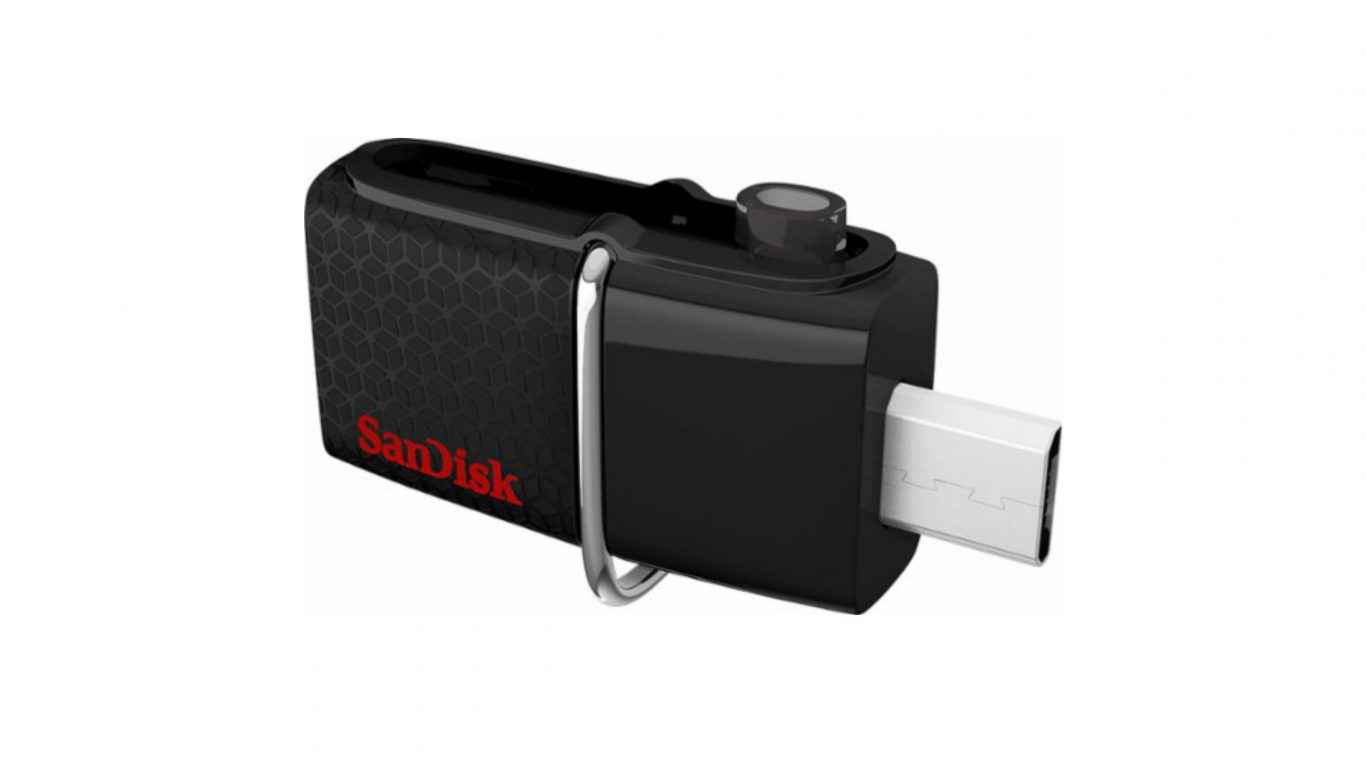
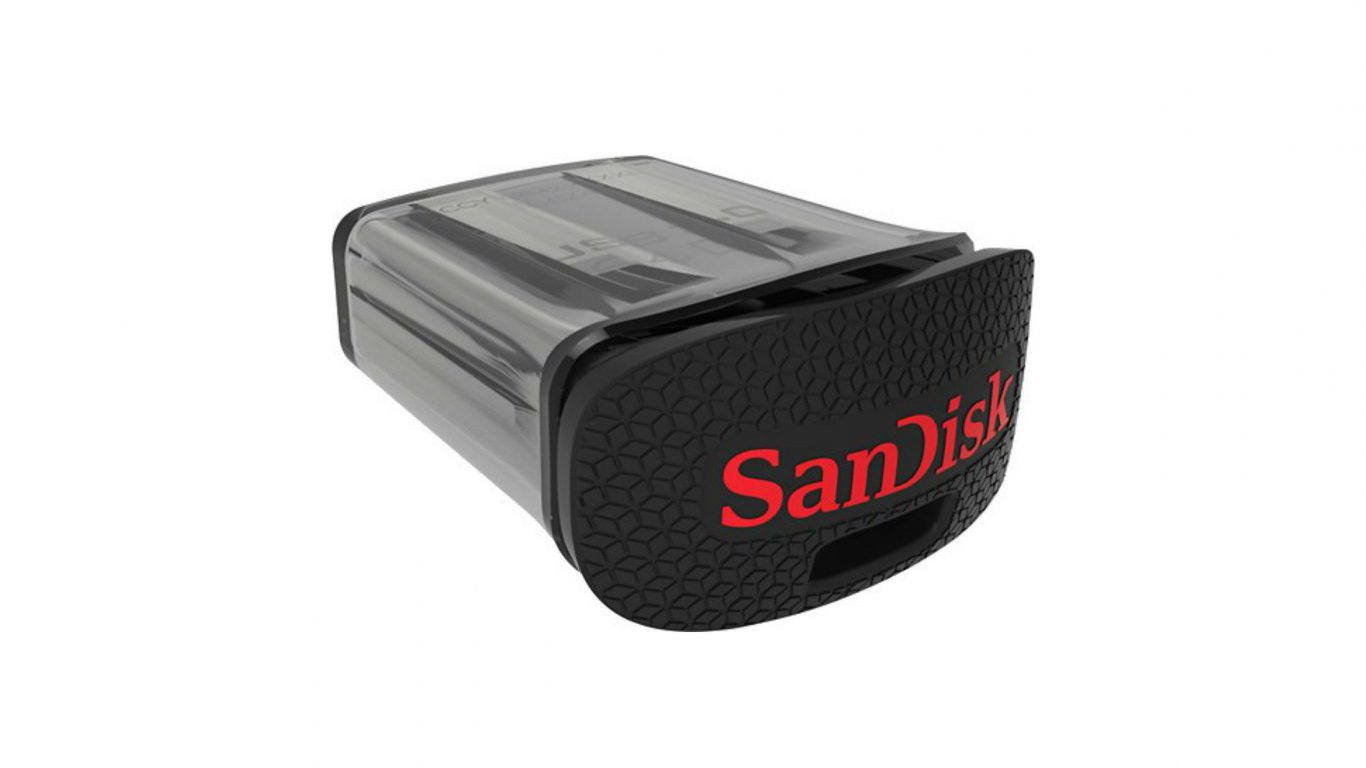
SanDisk Corporation (NASDAQ:SNDK | SNDK Price Prediction) shares are up 5% in Tuesday morning trading, reaching $600 after opening at $572.50. The move marks a meaningful reversal after an 18.5% decline over the past week triggered by fears around Alphabet‘s (NASDAQ:GOOGL) Google’s TurboQuant memory compression algorithm.
Zoom out and the story gets more compelling. SNDK shares are up 154% year to date and have gained 1,166% over the past year, making this one of the market’s most dramatic recovery stories since SanDisk spun off from Western Digital (NASDAQ:WDC) in February 2025 as a pure-play NAND flash company. Today’s bounce suggests investors are treating last week’s selloff as an overreaction rather than a signal of structural damage.
So, let’s dig into the three reasons the memory supercycle thesis remains very much intact, and why today’s rally may have legs beyond a single session.
DRAM Prices Are Surging and Supply Remains Tight
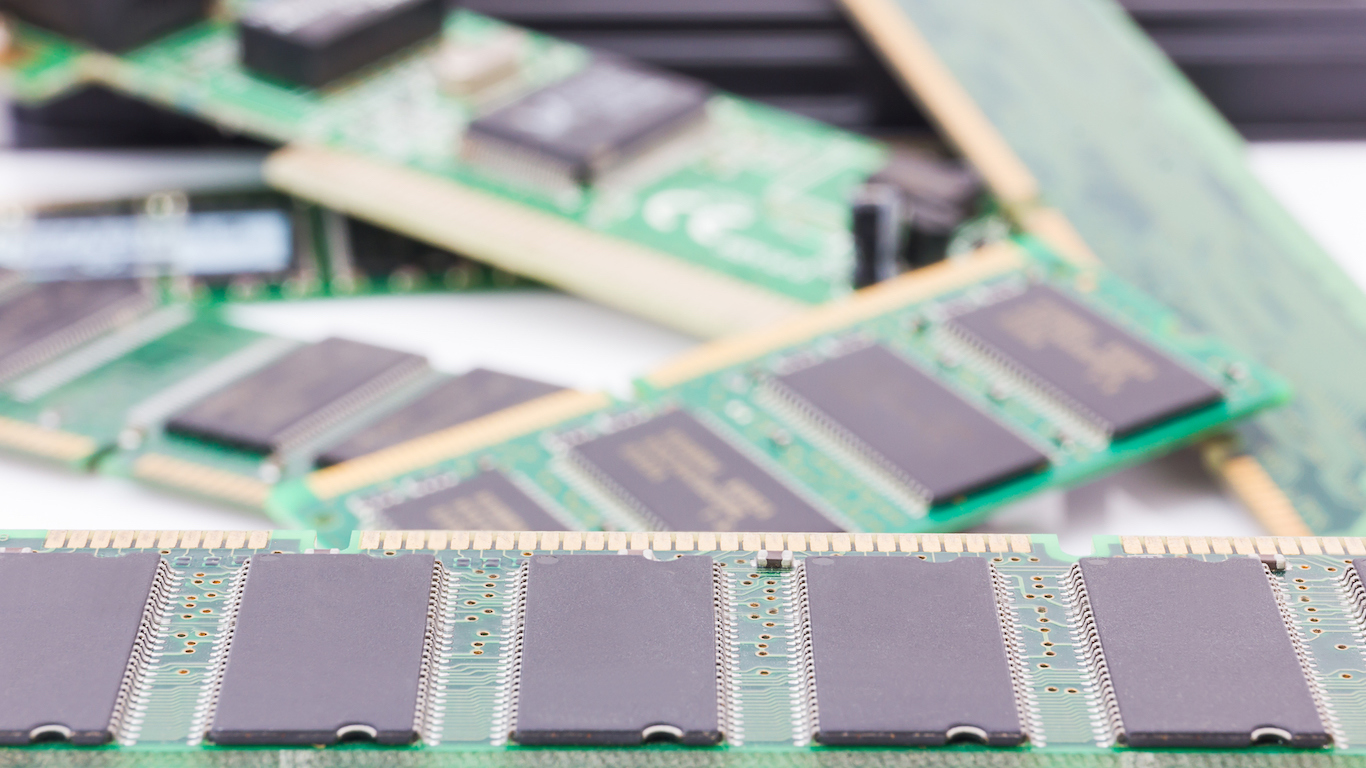
Supply chain checks point to a memory market that is tightening, not loosening. DRAM prices are expected to rise 50% or more in Q2 2026, a trajectory that directly benefits companies with locked-in supply agreements and pricing power. This backdrop alone gives SanDisk a meaningful tailwind heading into the back half of the fiscal year.
SanDisk put real money behind that conviction. The company committed a $1 billion strategic equity investment in Nanya Technology, acquiring 139 million shares representing roughly 3.9% of Nanya’s outstanding common stock, purchased at a 15% discount to the 30-day average trading price. The deal includes a three-year lock-up period and a multi-year DRAM supply agreement, signaling that SanDisk’s management sees memory tightness as a durable condition, not a passing moment.
That investment is part of a broader $2.5 billion collective investment in Nanya to secure stable DRAM supply. For SanDisk specifically, it positions the company to benefit from both NAND and DRAM price strength simultaneously, a rare combination of exposure for a single storage-focused name.
AI Storage Demand Is Accelerating, Not Decelerating
Micron Technology (NASDAQ:MU) stock also fell sharply in recent trading sessions, declining 20.38% over the past week. Yet, the analyst community pushed back quickly and clearly. Morgan Stanley reaffirmed its Overweight rating on SanDisk, arguing that memory supply acts as a critical bottleneck for AI development and that the strength in memory stocks is more durable than the market perceives.
BofA Securities was equally direct. The firm reiterated its Buy rating and $900 price target on SNDK stock, citing strong demand from hyperscalers and AI inference applications and expecting market share gains in the enterprise SSD segment.
The TurboQuant concern centers on inference memory efficiency, but analysts note it could actually accelerate new memory demand by enabling AI deployment on edge devices, a net positive for SanDisk’s Edge segment, which generated $1.678 billion in Q2 FY2026 revenue, up 63% year over year.
You can read more about the ongoing debate around SanDisk’s AI positioning in this analysis. The core takeaway: headline-driven selloffs in secular growth stories have historically preceded recoveries in companies with strong underlying fundamentals.
Listen to the Facts, Ignore the Noise
Strip away the noise, and SanDisk’s financial trajectory is difficult to argue with. The company reported Q2 FY2026 revenue of $3.025 billion, up 61% year over year, with net income of $803 million, up 672% year over year. Free cash flow came in at $980 million, a staggering turnaround from the company’s post-separation trough. The balance sheet backs it up: $1.5 billion in cash and $726 million in net cash.
Forward guidance is where the story accelerates further. SanDisk guided Q3 FY2026 revenue of $4.4 billion to $4.8 billion, with non-GAAP gross margins of 65% to 67%, reflecting continued pricing power and a mix shift toward high-margin cloud and enterprise SSD products.
All in all, the analyst consensus tells the same story. The average price target sits at $760.19, and KGI Securities has a target of $992. With SNDK shares trading around $600 and still below the 52-week high of $777.60, the gap between the current price and analyst targets remains a data point worth watching. Watch for whether today’s gains hold into the close as the first real test of whether the memory supercycle thesis has found its footing again.









 Top Gaining Stocks
 Top Losing Stocks