


Silver has done something this year that gold-obsessed portfolios were not built for. The iShares Silver Trust (NYSEARCA:SLV | SLV Price Prediction) is up 132% over the past year and trades around $70 a share, the kind of move that forces every diversified investor to ask whether they own enough of the white metal. SLV is the simplest answer for anyone who wants that exposure without buying a safe, insuring coins, or paying a private vault to hold bars they will never see.

The job SLV is hired to do
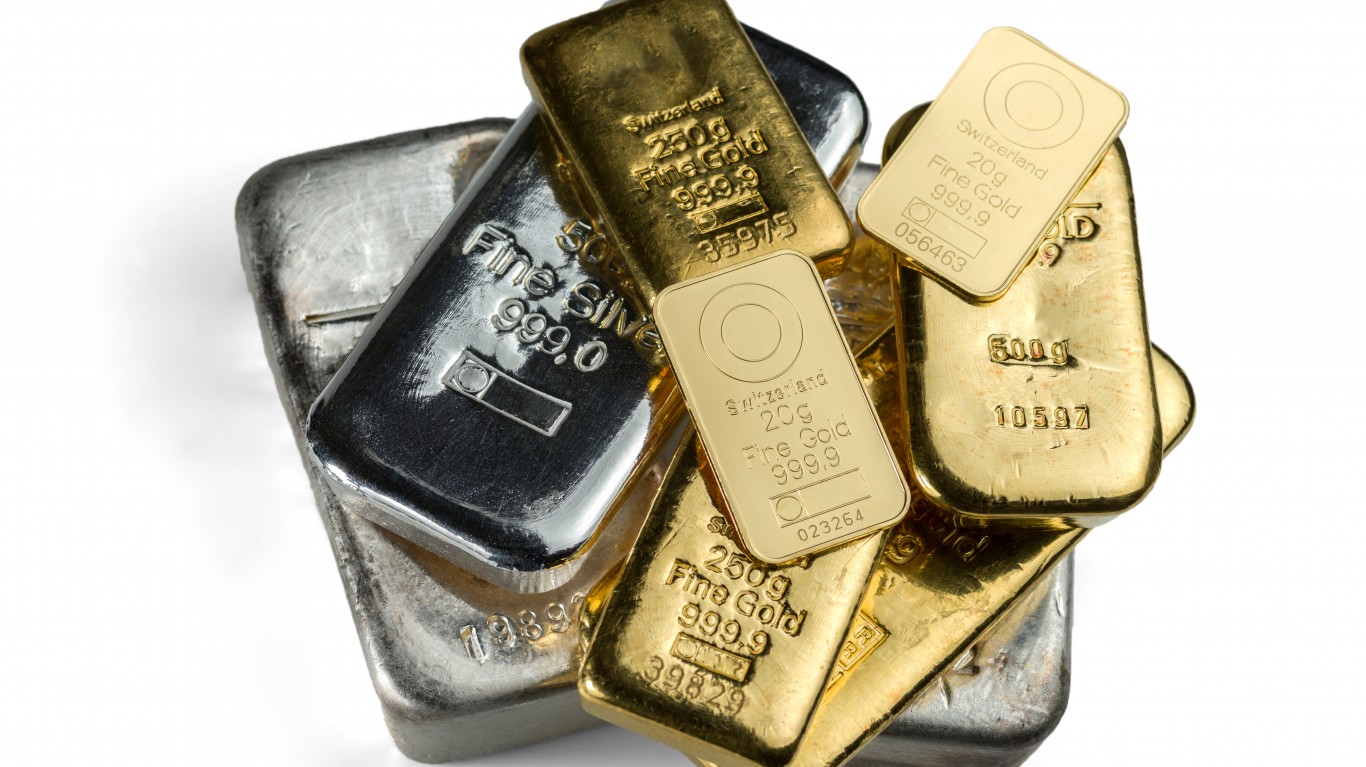
SLV exists to track the spot price of silver bullion, minus fees. Each share represents a fractional claim on physical silver held in vaults by the trust’s custodian, with roughly 483 million ounces in the trust as of early May. That is the engine: no futures rolls, no swap counterparties, no leverage. When silver goes up, the bars in the vault are worth more, and so is your share. When silver goes down, the same thing happens in reverse.
The strategic role inside a portfolio is narrow but useful. Silver behaves partly as a monetary metal (correlated with gold and real yields) and partly as an industrial input (solar panels, electronics, EV wiring). That dual identity is why advisors typically slot a silver position alongside gold in a 5% to 10% commodities sleeve, not as a core holding.
Does the fund actually deliver?
On tracking, yes. SLV has gained 8.1% in the past week, 8.8% year to date, and 175% over five years, broadly in line with spot silver less the expense drag. Holders captured the move that LBMA spot made when the price punched through $118 an ounce earlier this year on physical tightness in London.
The macro backdrop explains the rally and why retail interest jumped. CPI hit 330.3 in March, well above the Fed’s 2% target, and WTI crude is back above $109 a barrel. Sticky inflation and elevated energy prices are the textbook setup for precious metals demand. Layer on a silver market that analysts describe as in backwardation with a third consecutive year of supply deficit, and the fundamental case for owning physical ounces gets stronger.
What you give up
- A 0.50% expense ratio. SLV charges 0.50% annually, which compounds against you in a flat-price environment. The abrdn Physical Silver Shares ETF (NYSEARCA:SIVR) holds the same bullion structure for 0.30%. For long-term holders, that gap is real money.
- Tax treatment. SLV is taxed as a collectible at the federal level, meaning long-term gains can hit a 28% rate rather than the 15% or 20% most equity ETFs receive. That changes the after-tax math meaningfully if held in a taxable account.
- Volatility. Silver swings harder than gold in both directions. Reddit sentiment captured this whiplash: r/wallstreetbets posts in early April registered very bearish scores around 10 to 25, before flipping to a bullish 75 by late April as the price recovered.
Who SLV fits, and who should look elsewhere
SLV is the right tool for an investor who wants silver in the portfolio, has decided ETFs are easier than coins or vault accounts, and trades enough size that liquidity matters more than the last 20 basis points of fees. Long-term holders building a permanent precious metals sleeve are better served by SIVR’s lower cost or Sprott Physical Silver Trust‘s (NYSEARCA:PSLV) redeemability into physical bars. Investors expecting steady income should ignore the entire category. SLV is a directional bet on silver, packaged so you do not need a private vault to make it.









 Top Gaining Stocks
 Top Losing Stocks