



Silver enters 2026 facing its sixth straight annual structural deficit. The Silver Institute’s World Silver Survey 2026 projects a 46.3 million-ounce shortfall—15% wider than the 40.3 million ounces recorded in 2025. Total supply is seen slipping 2% while demand eases only modestly.
Above-ground stocks have already shed a cumulative 762 million ounces since 2021 to bridge prior gaps. That drawdown leaves the physical market thinner than at any point in modern history and sets the stage for renewed price pressure.
Let’s start with the numbers driving the tightness. Mine production is edging lower as operators normalize hedging after the 2025 price spike. Recycling is also rising but can’t close the gap. Industrial fabrication — silver’s largest end-use — is expected to drop 3% to 639.6 million ounces, yet coin and bar demand is seen jumping to an estimated 18% as investors seek exposure. The result is another year when demand outruns supply by a meaningful margin.
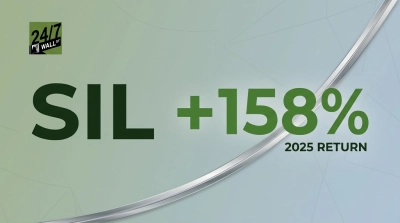
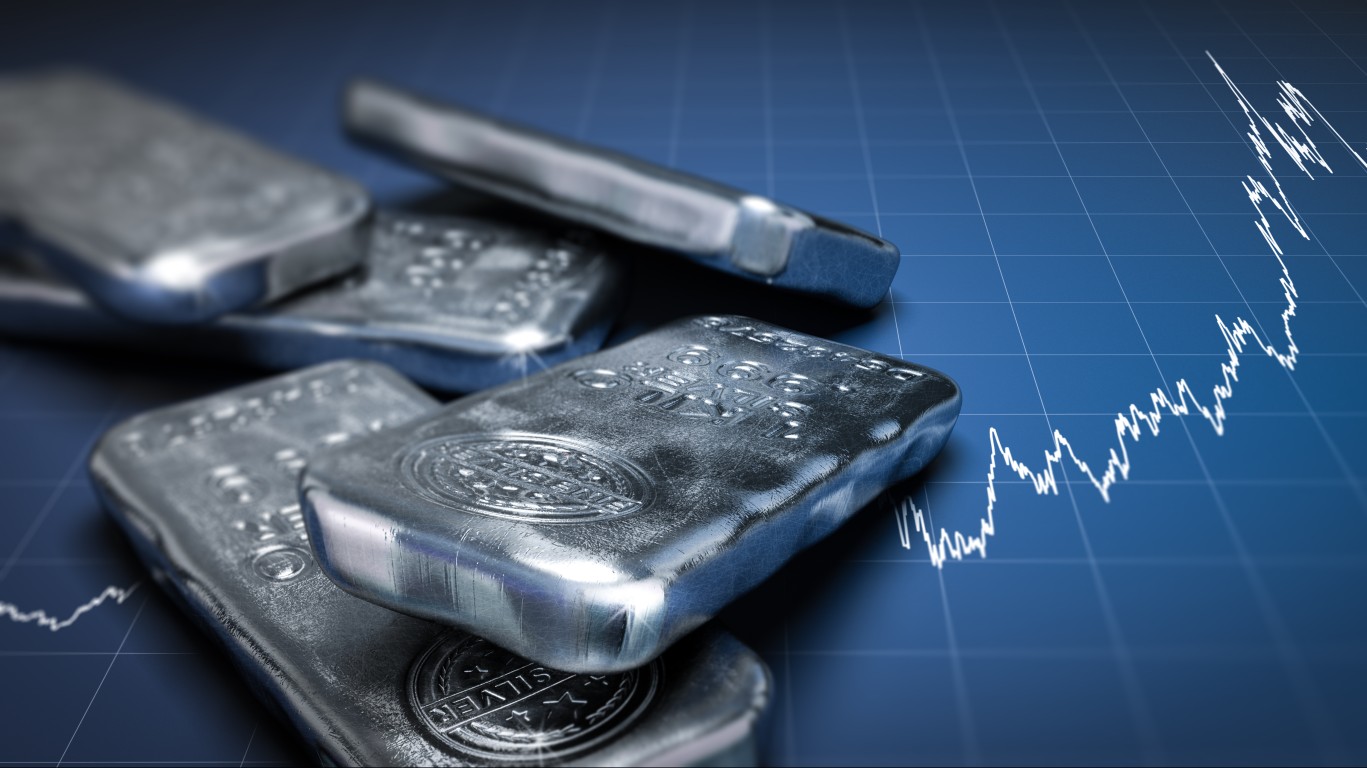
That persistent imbalance matters because it echoes exactly what fueled silver’s 2025 rally. The metal opened the year near $29 per ounce and closed above $72, delivering roughly 147% gains. With inventories now far lower, any fresh demand spike or supply hiccup carries greater potential to lift prices again. J.P. Morgan Global Research forecasts an $81 per ounce average for 2026 — more than double the 2025 average — citing the same structural shortfall.
Why the deficit creates upside torque
Simply put, silver no longer has the same buffer of above-ground metal to absorb shocks. The market has relied on stock draws for half a decade. That leaves lease rates and physical premiums vulnerable to sudden moves. Investment buying in bars and coins has stepped in to offset softer industrial numbers, keeping the deficit alive even as overall demand softens 2%. In short, the fundamentals line up for higher — or at least sustained elevated — prices, though macro factors like interest rates and the dollar can still introduce volatility.
Savvy investors will zero in on names with direct silver leverage and proven execution. First Majestic Silver (NYSE:AG) delivers the purest exposure, while Wheaton Precious Metals (NYSE:WPM) offers a lower-risk route through streaming. Both stand out when stacked against diversified miners,
First Majestic Silver (AG)
First Majestic Silver operates as the clearest pure-play. Its 2025 production reached 15.4 million ounces of silver within 31.1 million silver-equivalent ounces total. In the fourth quarter alone, 60% of the company’s $463.9 million revenue came directly from silver sales. For 2026 the miner is guiding silver output to between 13 million and 14.4 million ounces with all-in sustaining costs of $26.15 to $27.91 per silver-equivalent ounce.
That cost structure leaves substantial margin if silver trades anywhere near current levels or J.P. Morgan’s $81 forecast. Every $10 move higher in silver flows almost straight to the bottom line because silver dominates revenue. The trade-off is plain: First Majestic bears full mining risks, including costs and Mexico jurisdiction exposure. Yet for investors comfortable with that leverage, the torque is unmatched.
Wheaton Precious Metals (WPM)
Wheaton Precious Metals takes a different path. It finances mines upfront and receives a percentage of output at a fixed, low cost — no shovels, no fuel bills, no operational headaches. In 2025 silver accounted for 36% of its $2.3 billion revenue, with quarterly figures reaching 39%.
The company produced 22.4 million silver ounces last year and guided to 27 million to 29 million ounces for 2026, boosted by a new Antamina stream effective April 1 that lifts its share to 67.5% of payable silver. Overall gold-equivalent output rises to 860,000 to 940,000 ounces. Because Wheaton’s purchase price sits well below spot, higher silver prices expand margins without added expense. The model delivers diversification across dozens of assets and avoids the cost inflation miners face. Granted, it depends on partner performance, but the risk profile remains far lower than owning and operating pits.
| Metric (2025 actual or 2026 guidance) | First Majestic Silver | Wheaton Precious Metals |
| Silver revenue share | 60% (Q4) | 36% (full year) |
| Silver production | 15.4 Moz | 22.4 Moz |
| 2026 silver guidance | 13.0-14.4 Moz | 27-29 Moz |
| Cost structure | AISC $26.15-$27.91/oz | Fixed low % of spot |
Key Takeaway
The sixth deficit does not guarantee a straight-line rally, but it removes the easy supply response that capped prices in past cycles. First Majestic Silver gives maximum torque to any renewed silver strength. Wheaton Precious Metals delivers that same upside with far less operational friction.
Both companies generated record revenue in 2025 as prices climbed; the structural setup suggests 2026 holds similar potential. Investors simply need to match the risk level they can tolerate — pure-play leverage or streaming stability — without getting too aggressive.









 Top Gaining Stocks
 Top Losing Stocks