As Workers Strike for Higher Wages, Public Shows Support for Unions

Photo of Douglas A. McIntyre
By Douglas A. McIntyre Published
This post may contain links from our sponsors and affiliates, and Flywheel Publishing may receive compensation for actions taken through them.

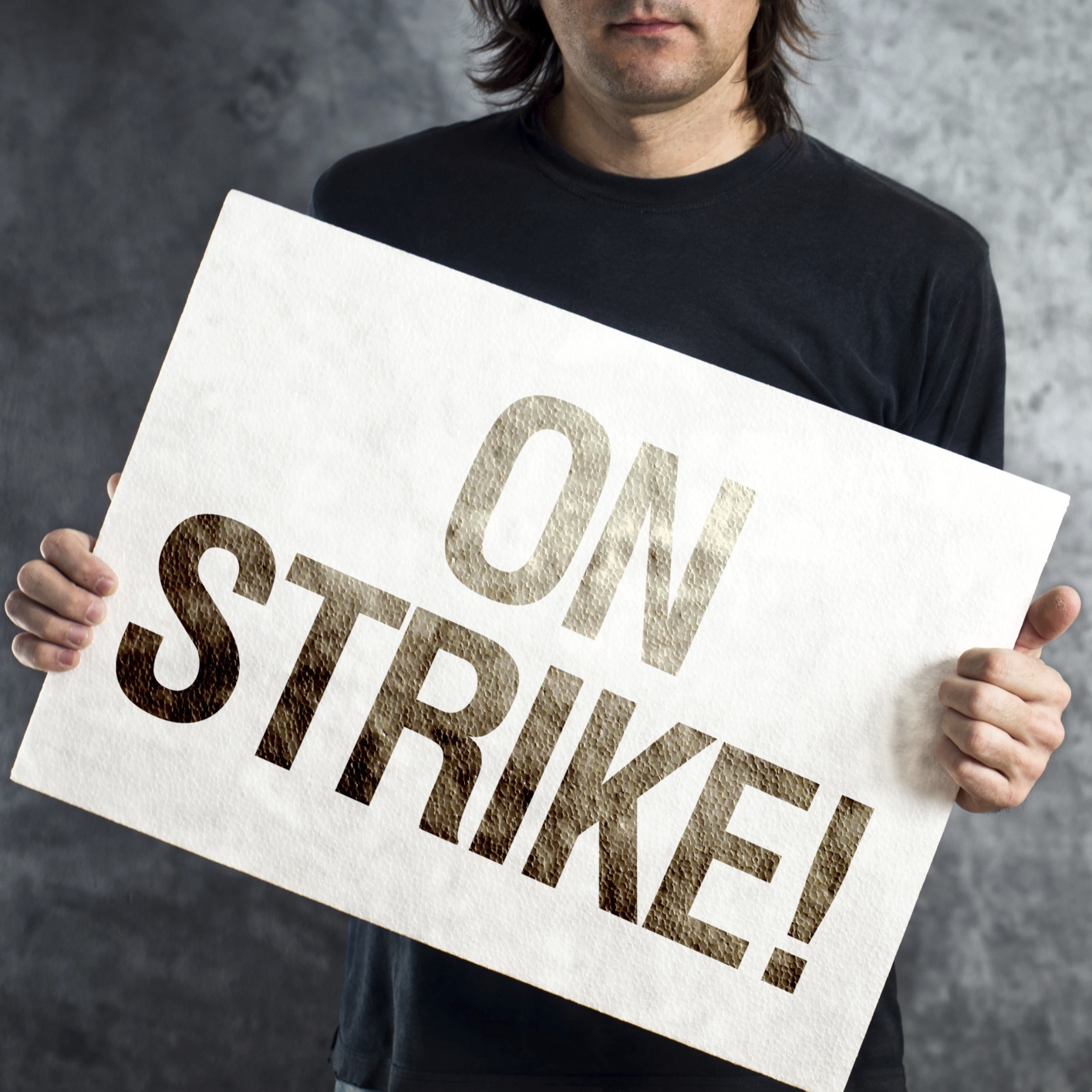
As retail and fast-food workers strike across 60 cities as a means to get their employers to raise wages as high as $15 an hour, most Americans support the labor union system, a fact that will not help the protesters at all.

A new Gallup poll on support for unions shows that:

Heading into Labor Day weekend, a majority of Americans, 54%, approve of labor unions, a slight increase from 52% in 2012 and six percentage points above the all-time low observed in 2009. Thirty-nine percent disapprove of labor unions.

The 2009 dip might be accounted for because many believed that strong unions that had gotten high wages for their members damaged auto manufacturers like General Motors Co. (NYSE: GM), which eventually filed for Chapter 11. That caused the layoffs of tens of thousands of workers. The incident was not isolated. Unions had helped push up compensation to levels that often were unsustainable in a brutal downturn.

Labor’s success has been blunted as big industries like fast food and large retailers largely have kept them out. Several industries, like newspapers, have pushed labor out across many years of bitter strikes. The labor movement lost much of its momentum over the past three decades. One other conclusion of the Gallup poll is that most people believe unions will weaken more over time.

It will be difficult for strikers who have challenged wages that are barely above those allowed by law to have any success. Their primarily argument is that $8, $9 or even $10 does not constitute a living wage — one that will pull them above the poverty level. McDonald’s Corp. (NYSE: MCD), Wal-Mart Stores Inc. (NYSE WMT) and other large retail and fast-food firms have countered that much higher hourly compensation would ravage their bottom lines. That would harm investors, consumers who will have to pay higher prices to offset labor’s advance, and workers themselves as companies resort to layoffs to balance out soaring worker compensation.

The public’s say in the strikes around the country matters little. For the most part, CEOs of public corporations do not care what the general population thinks, unless they begin their own “buyer strikes” and withdraw as customers. Most people are unwilling to change their habits and support people they do not know. The heads of the companies that the “$15 an hour crowd” has challenged know the movement will die out. It lacks support outside itself, and therefore, cannot be sustained.

cma4kmdgu0mcdofm5njv1w

Photo of Douglas A. McIntyre
About the Author Douglas A. McIntyre →

Douglas A. McIntyre is the co-founder, chief executive officer and editor in chief of 24/7 Wall St. and 24/7 Tempo. He has held these jobs since 2006.

McIntyre has written thousands of articles for 24/7 Wall St. He is an expert on corporate finance, the automotive industry, media companies and international finance. He has edited articles on national demographics, sports, personal income and travel.

His work has been quoted or mentioned in The New York Times, The Wall Street Journal, Los Angeles Times, The Washington Post, NBC News, Time, The New Yorker, HuffPost USA Today, Business Insider, Yahoo, AOL, MarketWatch, The Atlantic, Bloomberg, New York Post, Chicago Tribune, Forbes, The Guardian and many other major publications. McIntyre has been a guest on CNBC, the BBC and television and radio stations across the country.

A magna cum laude graduate of Harvard College, McIntyre also was president of The Harvard Advocate. Founded in 1866, the Advocate is the oldest college publication in the United States.

TheStreet.com, Comps.com and Edgar Online are some of the public companies for which McIntyre served on the board of directors. He was a Vicinity Corporation board member when the company was sold to Microsoft in 2002. He served on the audit committees of some of these companies.

McIntyre has been the CEO of FutureSource, a provider of trading terminals and news to commodities and futures traders. He was president of Switchboard, the online phone directory company. He served as chairman and CEO of On2 Technologies, the video compression company that provided video compression software for Adobe’s Flash. Google bought On2 in 2009.

Featured Reads

Our top personal finance-related articles today. Your wallet will thank you later.

Continue Reading

Top Gaining Stocks

CBOE Vol: 1,568,143
PSKY Vol: 12,285,993
STX Vol: 7,378,346
ORCL Vol: 26,317,675
DDOG Vol: 6,247,779

Top Losing Stocks

LKQ
LKQ Vol: 4,367,433
CLX Vol: 13,260,523
SYK Vol: 4,519,455
MHK Vol: 1,859,865
AMGN Vol: 3,818,618