


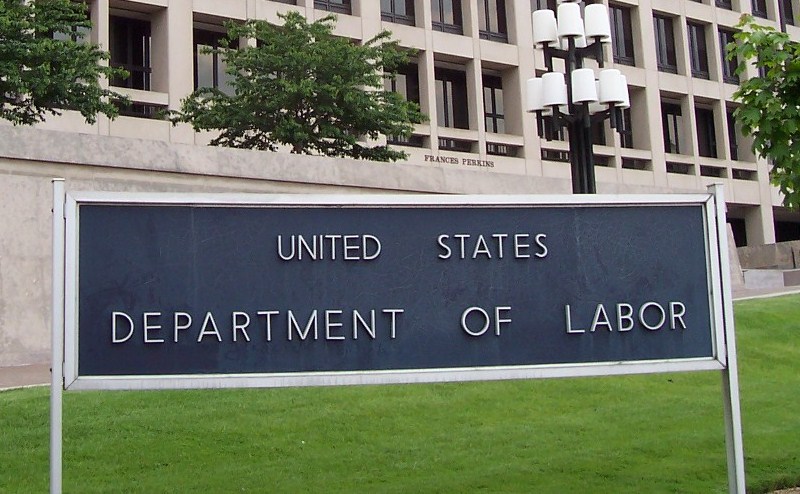
The official unemployment rate came in at 6.6% in January, versus 6.7% in December. Bloomberg was calling for 6.7% and Dow Jones was calling for 6.6%. Both numbers should be considered a rounding effort.
Weather has to be an issue, but this is now two months of very disappointing data from the Labor Department. Fed presidents have signaled that they want to end the bond buying, and the tapering of $10 billion for two months in a row still has the Fed buying $65 billion in bonds for the next month. It is hard to know whether these weak numbers will drive the fed to stop the tapering, but Fed presidents have indicated that they want out of the bond buying game this year.
More than a million Americans lost their extended unemployment benefits last month. That skews the size of the counted workforce, and we still believe that is an issue to watch. The labor force participation rate climbed up to 63.0% in January from 62.8% in December.
Another metric is the unofficial unemployment rate, which tallied full-time workers that are only able to work part-time or who are way underemployed. That rate fell to 12.7% in January from 13.1% in December, and it is down from more than 14% a year ago.
Again, the extended benefit expiration played a role here and so did the weather. That does not mean that the 6.6% should be considered a success by any measure.






 Top Gaining Stocks
 Top Losing Stocks