



The American economy has added close to, or more than, 200,000 jobs a month for most of the past eight months. Many are in retail, construction and leisure. The figure fell at a rate just as fast per month during the Great Recession, as unemployment hit 10% in October 2009. The economy does not need to have anywhere close to the 2008 to 2010 crater to shed a million jobs fairly quickly. A quick spread of COVID-19 could send people home for long periods.
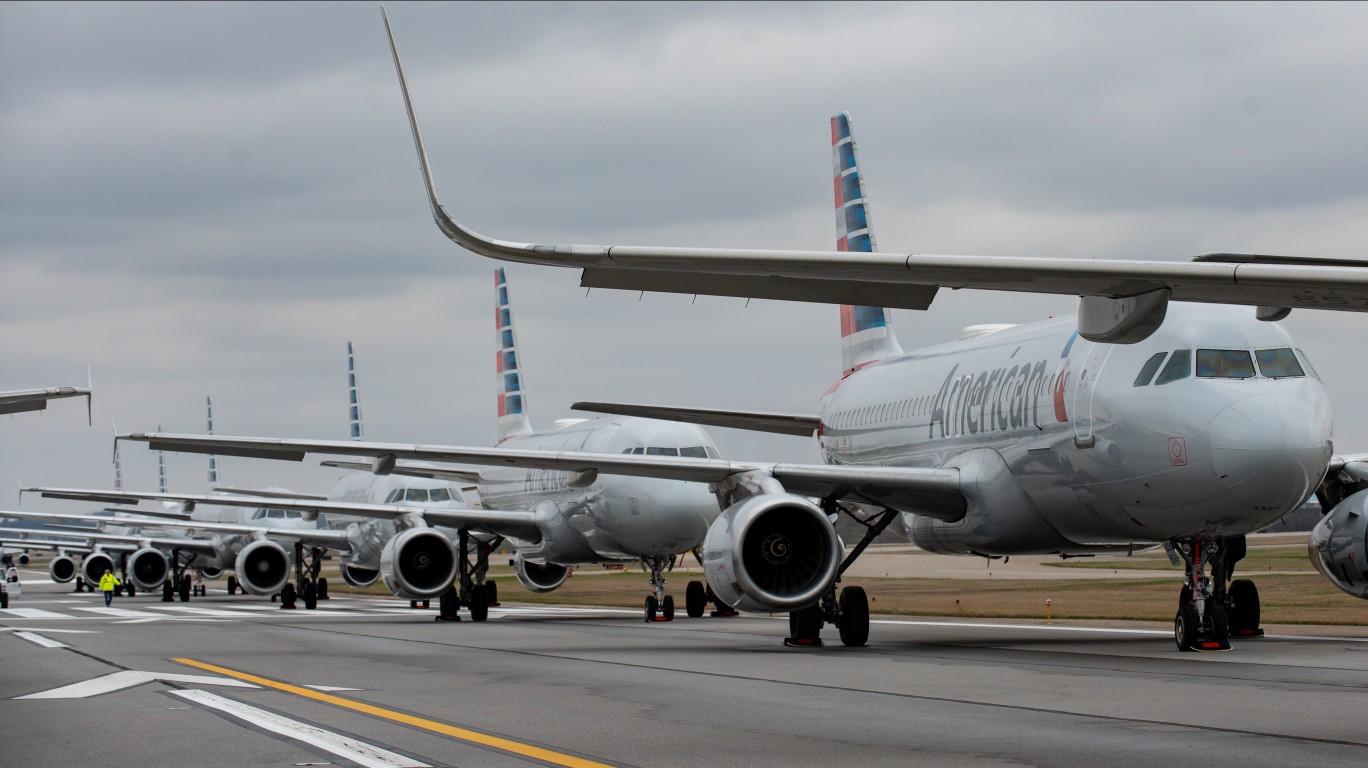
The rolling order of job losses is expected to be led by transportation, as the airline business takes a beating. People in the industry already have faced temporary job cuts as carriers eliminate some overseas routes by 20% and domestic ones by 10%. The largest carriers provide 100,000 jobs each. These companies say they have the cash to ride out a slow period, but it now appears that a slow period could last for months, and it could be worse than slow.
Retail is among the most vulnerable parts of the economy immediately. Malls and stores already have started to empty out in some cities, particularly Seattle and New York. In Italy, the problem exists in nearly every big city. The largest retailers employ hundreds of thousands of people each. Walmart on its own employs over a million. Retailers do not need to close all their stores to have a significant effect on the jobs picture.
Fast food is a first cousin of retail, based on customer foot traffic. Fast-food companies, led by McDonald’s, also employ hundreds of thousands of people. If China, South Korea and Italy are any indication, parts of these fast-food systems could be closed quickly by region.
Another of the largest employers in the United States that faces deep trouble is automotive. No one expects car sales to plunge by 10% or 20% a month. In China, however, car sales dropped by 80% in February. The Chinese government locked down some areas, which killed car sales in those regions. An economically reluctant Chinese consumer obviously pulled back for weeks, even if they did not live in a region where the virus had spread aggressively. Auto employment is not just in manufacturers. Car dealers are large parts of many local economies.
[nativounit]
Widespread job loss is always part of a ripple effect. One region or industry is hit, and that moves to many others. Construction was an example of this during the Great Recession, which killed the housing market. Jobs in the industry dried up in months.
It is already possible to predict which pockets of jobs will be hit hardest in the economy. If the spread of COVID-19 slows, these pockets may be hurt only modestly. However, the spread does not look like it will slow anytime soon.
[recirclink id=650491]
[wallst_email_signup]








 Top Gaining Stocks
 Top Losing Stocks