


 Marvel Entertainment, Inc. (NYSE: MVL) is about to disappear. The Walt Disney Co. (NYSE: DIS) acquisition is set to close this week. Some have criticized this $4.2 billion cash and stock deal, but there is going to be more merit to this combination with Disney than just traditional M&A. That old strategic word comes up: synergies. For starters, Disney has a market cap north of $60 billion and that makes this a relatively small deal to carry out for the Mouse House. This is also far smaller of a purchase price than when Disney paid $7.4 billion or so for Pixar in 2006. The movie business was a $10 billion venture for 2009, and most of this year was still in a recession and at a time when unemployment reached double-digits.
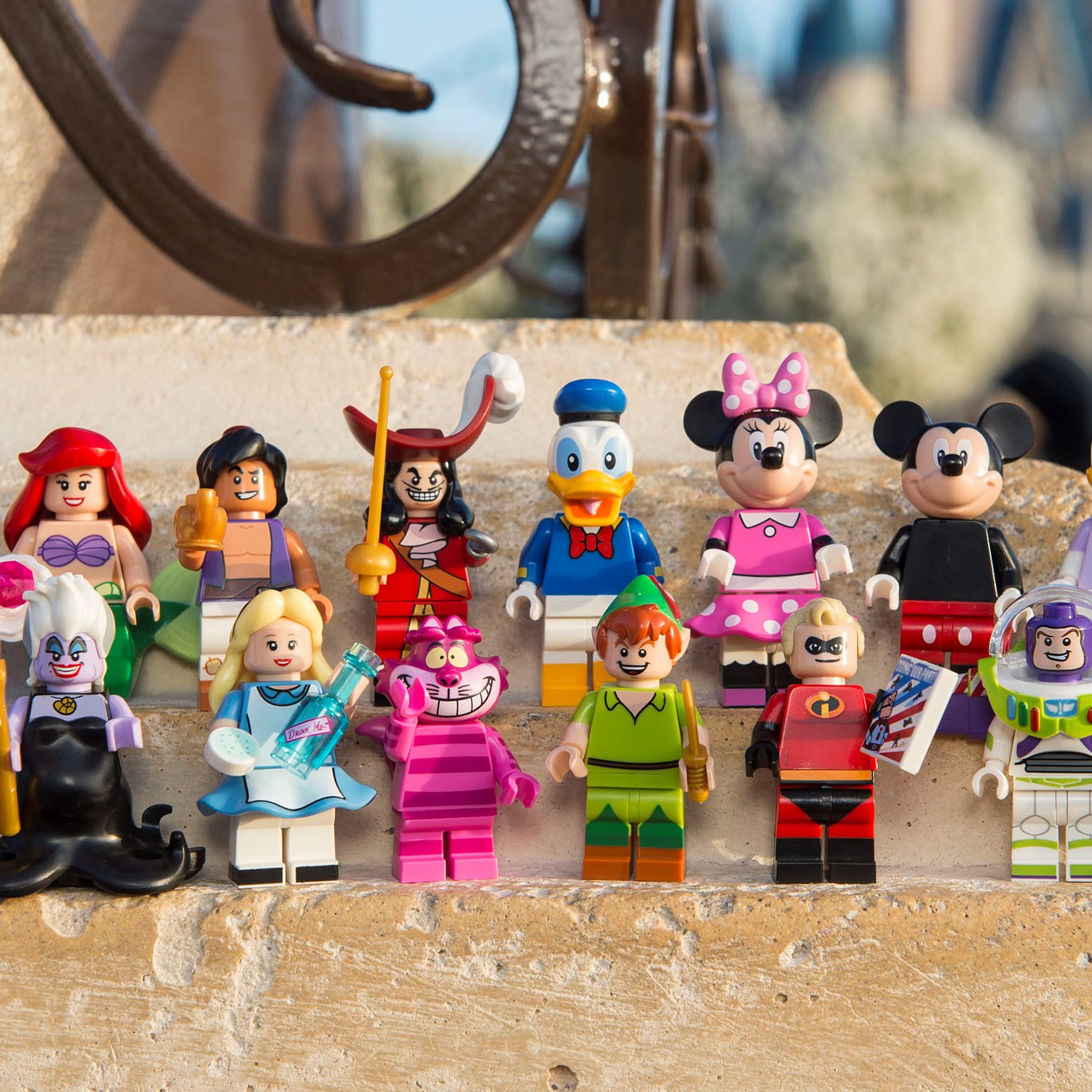
Pixar brought in a solid line-up. Marvel does that and then some with a library of more than 5,000 characters featured in a variety of media over seventy years. The Disney family of characters is about to get much larger. The issue being brought up by some is whether Disney can revive or extract the value in these lesser-known characters. The reality is that Disney only needs to carry out this on a few new blockbuster characters. It is already getting the X-Men, Spider-Man, Fantastic Four, Incredible Hulk, and more.
The $4.2 billion figure sounds expensive on the surface. While this was not updated much because of the merger, Marvel’s Thomson Reuters consensus data lists revenue expectations of $507 million for 2009 and over $659.8 million for 2010. The Thomson Reuters consensus estimate for fiscal year-end September-2010 is $36.8 billion. Marvel’s cash balance was too small to really matter. The entire asset base here is the character line-up and the added existing distribution channel of Marvel that does not overlap with that of Disney.
But Disney has been a master of toys and licensed products from games to clothes to toys to product placement and more. There is no reason to not expect that the Mouse House will increase that effort with Marvel. Disney can also afford to take more chances compared to what Marvel could do only on its own. Disney can also point to its share performance of over 20% since the Marvel acquisition first broke and can easily show that it knows how to milk more value in a group of characters than a standalone company because of its larger channel of media distribution and with stores and theme parks.
The deal vote is slated for final approval to come this week at 9:00 AM EST on December 31, and it is now expected that shareholders will approve the deal and the formal closure will be then. The M&A arbitrage spread was under 0.1% on last look, giving almost no chance of a deal break-up risk.
Marvel’s CEO Ike Perlmutter also owns about 37% of Marvel. While very few people are worth an extra $1 billion or so, he will have oversight of the Marvel operation and can offer continuity to a brand (or group of brands) that have worked. It is still merely guesswork on which character will be the next blockbuster for a new movie franchise owned solely by Disney. The company has deals already in place that would give Disney less revenue capture on existing movie franchises, but that does not have to be the case for future blockbuster character brands which have not had any movie development deals signed. Ditto for television and print.
This merger would be very expensive for a private equity firm to have pulled off even back in the M&A bubble of 2005 to 2007. But Disney has not been penalized at all for making this acquisition. Shares fell only 2.9% the day after the merger was announced, and they were actually up by more than 5% within two weeks. Since the closing bell price of August 31 at $25.74 (dividend-adjusted), Disney is up by more than 25%.
The deal might sound pricey on the surface. But Wall Street and Main Street are operating under the assumption that Disney can milk far more from this family of characters than what Marvel could have ever accomplished on its own. If the economy can avoid a double-dip recession and if the movie market stays strong, this deal might end up looking like it was dirt cheap.
JON C. OGG








 Top Gaining Stocks
 Top Losing Stocks