


 It may seem naive to say that Netflix (NASDAQ: NFLX) and Research In Motion (NASDAQ: RIMM) have alienated their customer bases, which cost them both millions of users. It is odd that neither knew enough about its market to make decisions that would hold subscribers, or at least would not drive them away. This shows a deep flaw in management prowess. Consumer testing has been a part of the product design and price process within large companies for years.
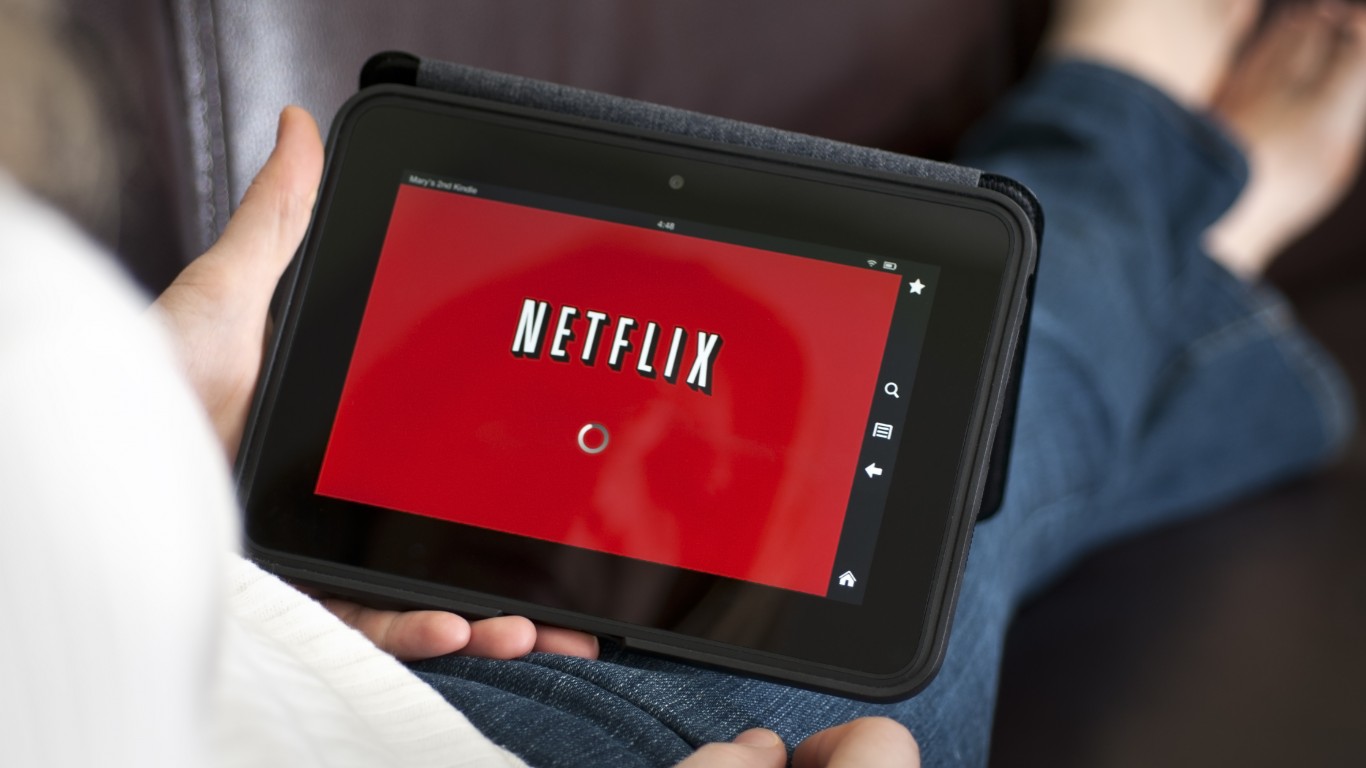
Netflix cut its third-quarter guidance on subscriber growth for both its streaming and DVD products. Streaming customers were expected to reach 22 million but now are expected to reach only 21.8 million. The DVD client base was expected to reach 3 million and the new forecast is only 2.2 million. When Netflix recently raised prices, the effect was much more negative than anticipated. Shares fell 15% after Netflix released the new numbers.
The situation at RIM is dire. Revenue for its most recent quarter fell to $4.2 billion from $4.6 billion in the same period in 2010. Net income fell sharply to $329 million. The company shipped only 200,000 units of its new PlayBook tablet PC.
Netflix management was sophisticated enough in the past to see that DVD-by-mail would take over the market for sales from Blockbuster. It was also savvy enough to see that broadband would make streaming of premium video over the internet the preferred way for many consumers to get content. It is strange that it did not know how rapidly and violently customers would react to a price increase. Netflix probably anticipated some slowdown in the adoption of its service, but assumed that would be more than made up for by what it would get from higher prices. The mistake has cost shareholders about $8 billion, based on the drop in share price. Management blundered in a way that the firm’s stockholders never could have imagined. The decision also has let rivals Blockbuster and Redbox back into the market.
RIM at least has an excuse. It has been wrong in most of its decisions about the direction of the smartphone market for years. Now, in introducing a new tablet PC, it is wrong again–very wrong. RIM management errors have driven shares from $85 two years ago to $22 recently.
The smartphone market was RIM’s to lose. It was the clear leader before Apple (NASDAQ: AAPL) introduced the iPhone. Management was flat-footed when consumer research should have shown that customers had begun to reject its proprietary BlackBerry server network and phone features. It did not bother to do that research to anticipate the change, or ignored whatever results it found.
Consumer products companies lose customers one-by-one. Somehow, RIM and Netflix missed all the signals that should have told them they had each moved in the wrong direction.
Douglas A. McIntyre





 Top Gaining Stocks
 Top Losing Stocks