


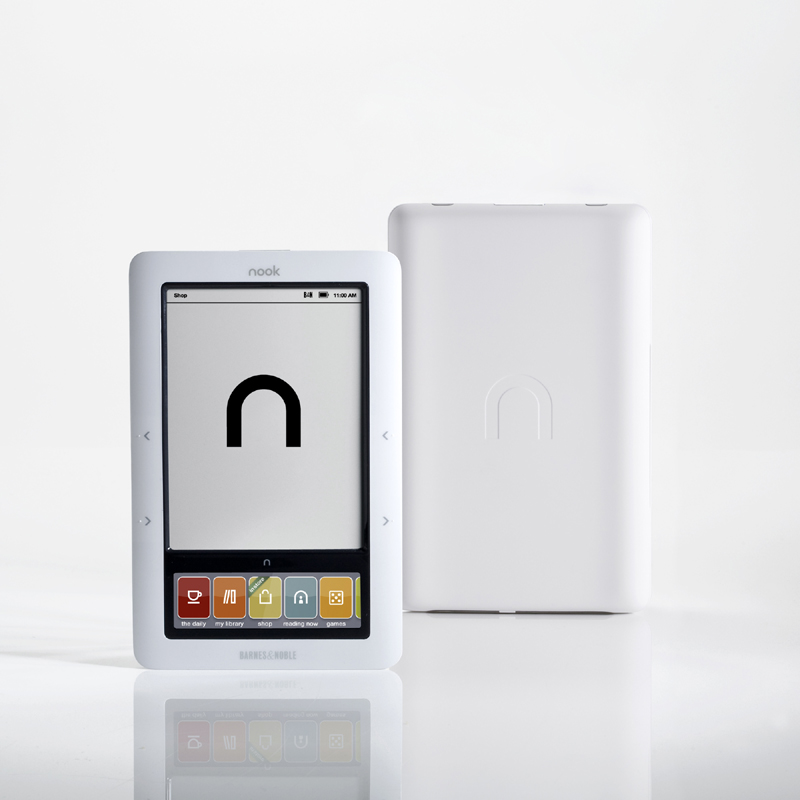
The analyses of most consumer electronics experts show that many e-reader-type products cost more to make than the consumer pays for them. This may even be the case with some versions the highly successful Kindle from Amazon.com Inc. (NASDAQ: AMZN). Amazon has the benefit that it sells more e-books than any competitor, so it probably makes enough money from that business to subsidize e-reader losses. Barnes & Noble almost certainly does not have that luxury, as its share of the e-reader market has been put as low as 20%.
Barnes & Noble had hoped it would be rescued by a partnership with Microsoft Corp. (NASDAQ: MSFT). Microsoft invested $300 million in the electronics division of the book retailer in April. Barnes & Noble created a new division for its online efforts, and the Microsoft investment gave it 17.6% of that. Microsoft will use that platform as a way to get broader distribution of its Windows mobile OS. But now Redmond has announced it will release its own tablet — the Surface. The product may not directly challenge the Nook because Microsoft will price it at $599, according to some media sources. However, there is only so much room among consumers for tablets, ultrabooks and e-readers because they share so many features and functions.
Price cuts are not done from a position of strength. Why give up margin when it is not necessary? Microsoft’s investment in Barnes & Noble is only four months old. That should give the book company some level of confidence to hold the line on Nook prices, unless unit volume has dropped considerably.
Barnes & Noble has entered a territory where price could trump features as the most attractive reason to buy its e-reader. That is never a good place to be.
Douglas A. McIntyre




 Top Gaining Stocks
 Top Losing Stocks