New Xbox Launched as PS4 Forecast Crumbles

Photo of Douglas A. McIntyre
By Douglas A. McIntyre Published
This post may contain links from our sponsors and affiliates, and Flywheel Publishing may receive compensation for actions taken through them.

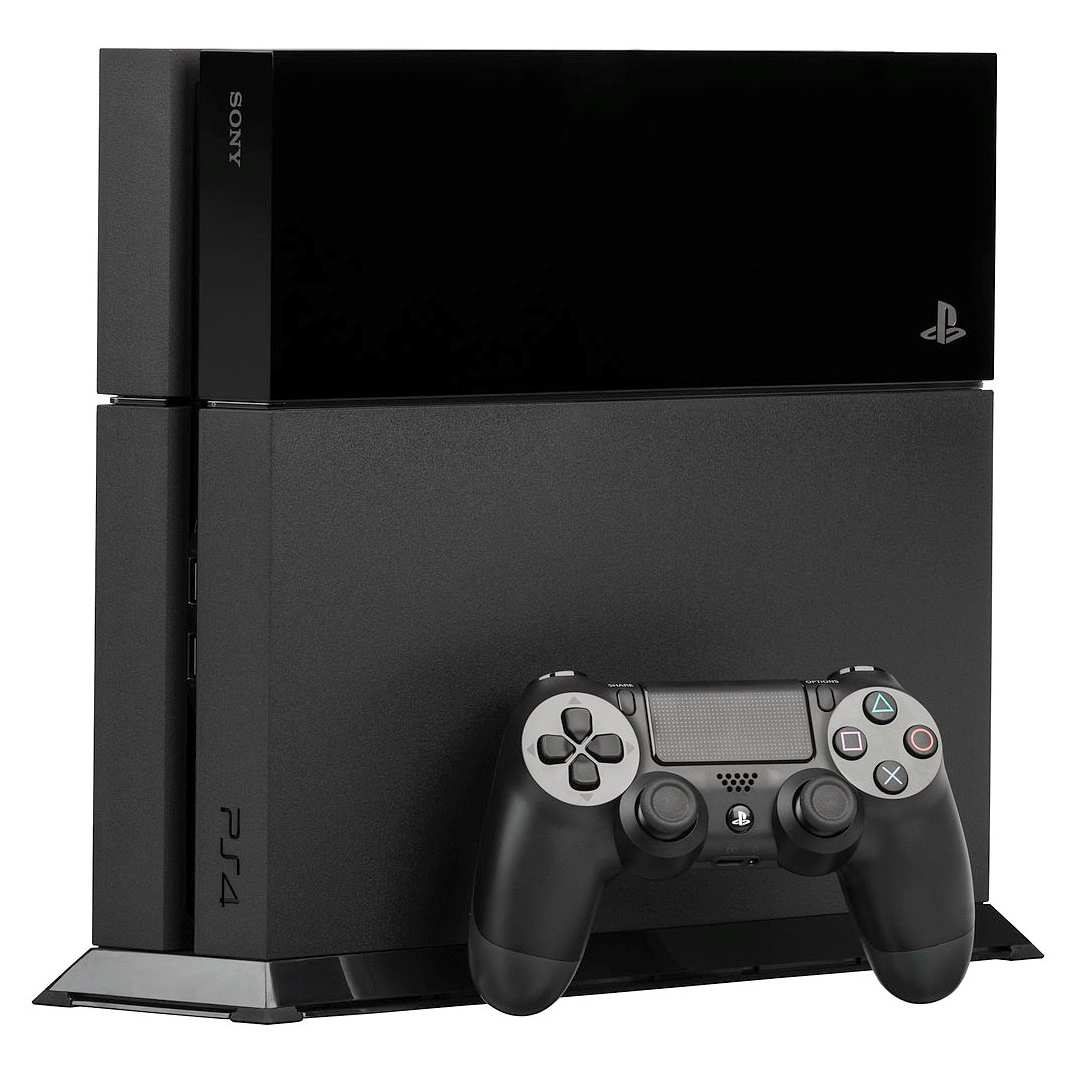
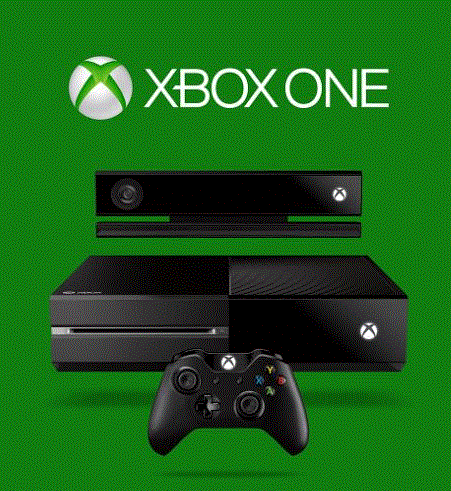
Microsoft Corp. (NASDAQ: MSFT) launched its new Xbox One console as a foundation of the future of gaming. As about the same time, Sony Corp. (NYSE: SNE) greatly lowered expectations for its console business, which is expected to include the PS4 by the end of this year. Unless the difference in the demand for the two new products will be unexpectedly large, either Microsoft or Sony has a distorted vision of how well conventional consoles can do at a time when mobility is among the cores to game distribution.

Microsoft wants the media and the consumer electronics consumer to believe that the Xbox One cannot be rivaled by any entertainment platform made by any company anywhere in the world:

From the biggest blockbuster games to the most popular TV shows to the best of the Web, Xbox One does it all. But this is just the beginning. Thanks to the power of the cloud, Xbox One will keep getting better, with more games, TV, movies, music, and apps launching all the time.

In and of itself, there is nothing particularly compelling from this outline of features to indicate why people who have moved their gaming activity to smartphones and tablets might return to the Xbox. Xbox One does have the ability to integrate a number of media sources at once. However, in the eyes of the public, that may not be enough to bring people back to a hardware platform that has existed, with some improvements, for more than a decade.

Sony’s new forecast for the future of its game division was close to pessimistic. Sony finds itself needing to defend its corporate structure after years of dismal results. The Japanese company has come under pressure to spin out its studio. Unfortunately, based on management’s new assessment of its other businesses, the studio may be the only part of Sony that has much value.

As part of a presentation about Sony’s future plans, executives said that as its PlayStation 4 (PS4) rolls out for the holidays:

Sony will target sales of 1 trillion yen and operating income margin of 2% in the game business in FY14. Going forward, Sony aims to significantly expand its business model around PS4, to transition the business to further growth in the fiscal year ending March 31, 2016 (“FY15”) and beyond.

The margin is atrocious, and it hardly makes Sony’s efforts in game consoles worthwhile at all.

Sony and Microsoft find themselves coming at the video game business from different points on the compass. The Japanese company has decided that, finally, it must tell investors the truth about its problems as it goes through wrenching changes, probably brought on from outside. Microsoft, on the other hand, can maintain what may be an illusion, at least for the time being. The world’s largest software company can still conquer the world beyond the PC it says, if only it can throw enough software and hardware at the problem. So far, that has not worked with new initiatives, which range from the Surface tablet to its Windows mobile partnership with Nokia Corp. (NYSE: NOK). But Steve Ballmer and Bill Gates have their game faces on. That will only last if Xbox One sales are remarkable.

Photo of Douglas A. McIntyre
About the Author Douglas A. McIntyre →

Douglas A. McIntyre is the co-founder, chief executive officer and editor in chief of 24/7 Wall St. and 24/7 Tempo. He has held these jobs since 2006.

McIntyre has written thousands of articles for 24/7 Wall St. He is an expert on corporate finance, the automotive industry, media companies and international finance. He has edited articles on national demographics, sports, personal income and travel.

His work has been quoted or mentioned in The New York Times, The Wall Street Journal, Los Angeles Times, The Washington Post, NBC News, Time, The New Yorker, HuffPost USA Today, Business Insider, Yahoo, AOL, MarketWatch, The Atlantic, Bloomberg, New York Post, Chicago Tribune, Forbes, The Guardian and many other major publications. McIntyre has been a guest on CNBC, the BBC and television and radio stations across the country.

A magna cum laude graduate of Harvard College, McIntyre also was president of The Harvard Advocate. Founded in 1866, the Advocate is the oldest college publication in the United States.

TheStreet.com, Comps.com and Edgar Online are some of the public companies for which McIntyre served on the board of directors. He was a Vicinity Corporation board member when the company was sold to Microsoft in 2002. He served on the audit committees of some of these companies.

McIntyre has been the CEO of FutureSource, a provider of trading terminals and news to commodities and futures traders. He was president of Switchboard, the online phone directory company. He served as chairman and CEO of On2 Technologies, the video compression company that provided video compression software for Adobe’s Flash. Google bought On2 in 2009.

Featured Reads

Our top personal finance-related articles today. Your wallet will thank you later.

Continue Reading

Top Gaining Stocks

CBOE Vol: 1,568,143
PSKY Vol: 12,285,993
STX Vol: 7,378,346
ORCL Vol: 26,317,675
DDOG Vol: 6,247,779

Top Losing Stocks

LKQ
LKQ Vol: 4,367,433
CLX Vol: 13,260,523
SYK Vol: 4,519,455
MHK Vol: 1,859,865
AMGN Vol: 3,818,618