



We want you to say something out loud: “I get paid to play baseball!” The question is how much. News was circulating on Wednesday that Major League Baseball free-agent Jacoby Ellsbury has signed a seven-year contract for $153 million to join the Yankees. It appears that there is even a no-trade provision.
We want to know if Ellsbury is worth $22 million on average per year. Tim Cook of Apple (NASDAQ: AAPL) may have a much higher net worth than this in stock options and parachutes, but Yahoo! Finance lists his pay as $4.17 million.
High pay is not just a one-time event when it comes to athletes and new contracts. CBS showed that Robinson Cano is looking for a $260 million contract. The runaway contracts were years in the making, but perhaps the most obvious starting point of highly paid migrating to outrageously paid was Alex Rodriguez.
When CEOs get paid too much, you can argue that it ultimately causes higher prices to consumers. Obviously it does at some point cause higher prices if unchecked, but maybe it also just takes a penny out of a dividend payment to shareholders instead. Either way, this is an argument that is not going to go away.
What about when too many athletes cost teams $100 million and more? Well, for starters game ticket prices go up. Ticket prices for live games are already astronomical and are generally no longer affordable for a father or mother to take a couple of kids and buy the in-park drinks, food and souvenirs. Sure, team owners may want to make what seems like too much as well, but those owners can lose millions upon millions of dollars, and they often do lose money on teams. When was the last time a player had to pay money to play a professional sport?
The more and more that players make into tens of millions or hundreds of millions of dollars for multiyear contracts, the higher the stakes are for television and cable TV rights. Does it drive up your cable bills? Maybe. Concession booth prices rise ultimately, and it isn’t like food and drinks at a ball park are low-cost items like they are at the store. Athletes used to give away autographs for free, but now many are contractually bound to only sign at sports conventions or sponsored events for a high fee.
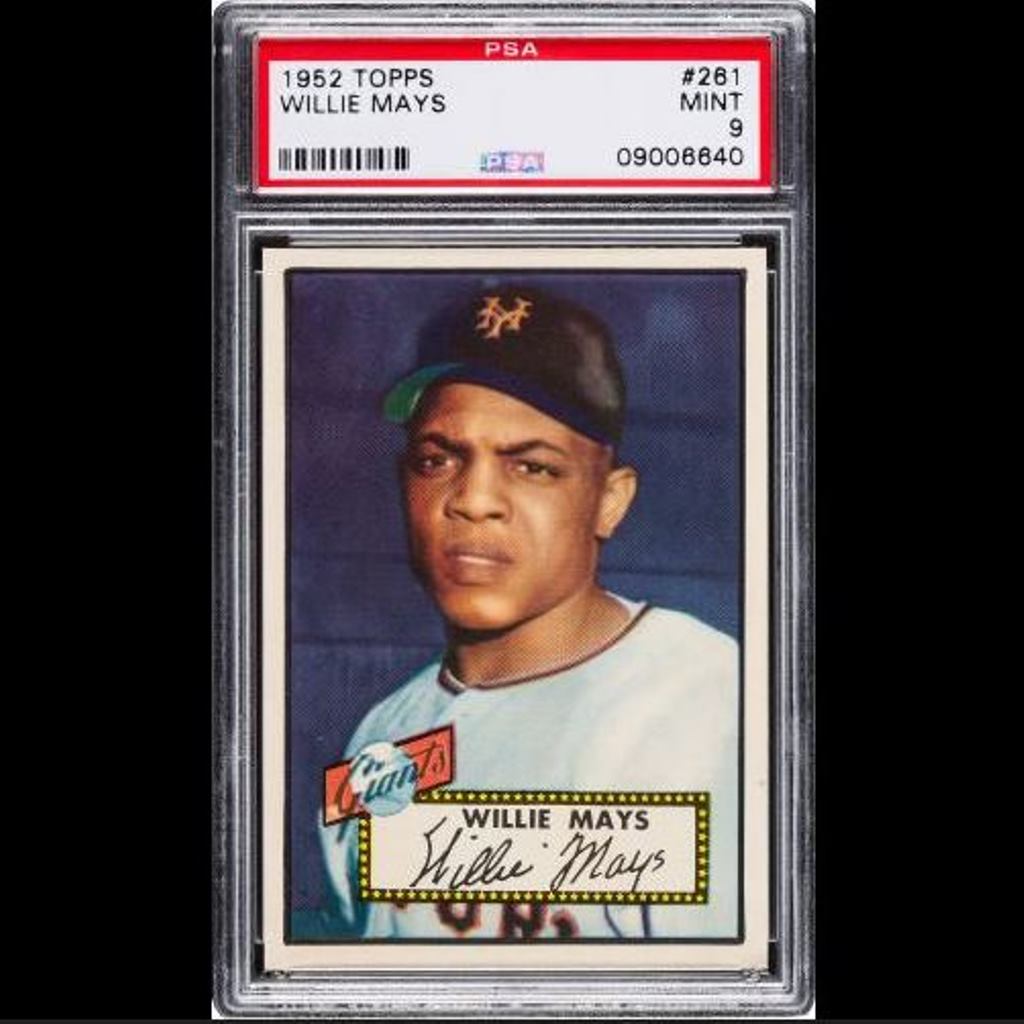
Many Americans collect baseball cards, as well as cards for football, basketball and other sports. This is arguably akin to buying stocks for investors. We would not wait for Topps to issue collectible cards featuring CEOs like Jeff Immelt (pay listed as $20.45 million) of GE (NYSE: GE). We would also not expect a card for Bob Iger ($19.82 million listed pay) of Walt Disney (NYSE: DIS). We are curious as to who generates more for the economy and who contributes more to daily life when it comes to work and paying the nation’s bills: CEOs of the Fortune 1,000 companies or athletes paid tens and hundreds of millions of dollars?
Did anyone notice that Super Bowl ads went from $3.8 million at the last game up to $4 million for the next game? They are reportedly sold out too.
There is no simple answer here. Maybe we are not looking for one. It is just puzzling why there are not that many calls against outrageous athlete pay when there are routine calls against CEOs making absurd salaries. We won’t even bring up the topic of musicians and actors, but think about it sometime.









 Top Gaining Stocks
 Top Losing Stocks