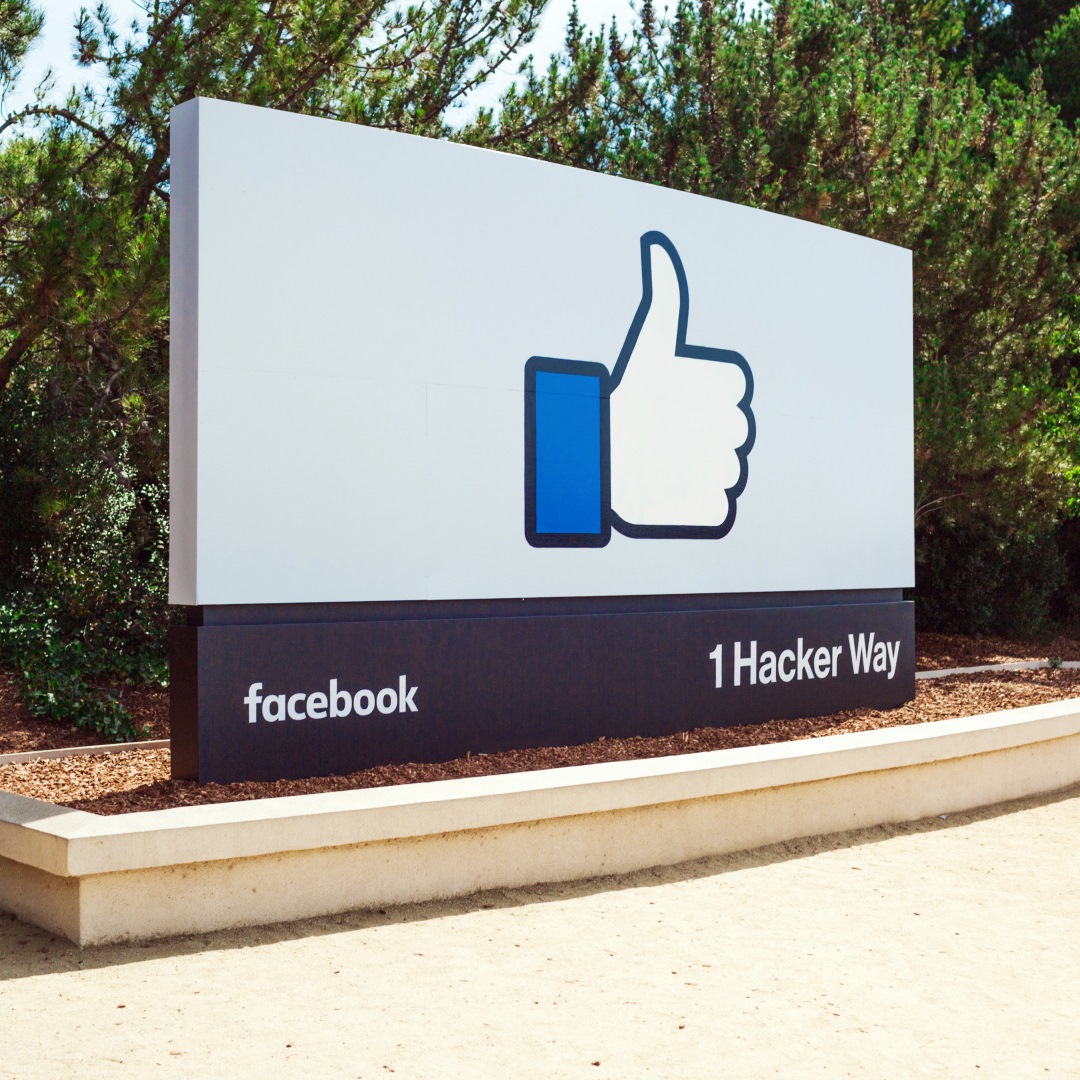
Facebook’s Market Value Races to Match Verizon and Citigroup

Photo of Douglas A. McIntyre
By Douglas A. McIntyre Published
This post may contain links from our sponsors and affiliates, and Flywheel Publishing may receive compensation for actions taken through them.

If Wall Street’s measure of a company’s promise is its market value, then Facebook Inc.’s (NYSE: FB) extraordinary earnings have put it solidly on the list of the 25 most valuable companies in the United States based on market capitalization. As a matter of fact, it has moved next to public corporations such as Verizon Communications Inc. (NYSE: VZ), Citigroup Inc. (NYSE: C) and Intel Corp. (NASDAQ: INTC). After a post-earnings run-up, Facebook’s market cap has reached almost $150 billion.

To put the Facebook market cap in perspective, its annual revenue run rate is $15 billion, adjusted for current growth. Measure that against Intel’s at $53 billion and Verizon’s at $115 billion. The numbers from these two companies show roughly how high investors expect Facebook’s revenue to grow. Granted, Intel’s best years may be behind it because of trouble in the PC market. However, it is still the leader in its sector, and it has a chance to move into the sale of chips for smartphones. Verizon’s growth may have slowed considerably because of the glut of cellphone subscriptions in the United States, but it may make more money on smartphone data plans and fiber to the home TV and broadband.

Facebook’s high market cap may not justify the hurdles it faces, as Apple Inc.’s (NASDAQ: AAPL) did not two years ago when its stock traded at $700, compared to about $500 now. Competition hit Apple harder than many investors expected. Facebook has high risk of a similar fate.

Facebook’s challenge remains that it has not broken into what many analysts believe is the core of ad revenue growth — the search ads that are controlled by Google Inc. (NASDAQ: GOOG), or the video ad market, which is small but growing and highly profitable. What Facebook has done, which was largely unexpected, is drive its mobile business higher without a terrible erosion of ad rates suffered by other Internet sites that have migrated from PCs to tablets and smartphones. Facebook also has been able to mine data about its users at an extraordinary level to help advertisers precisely reach their intended customers.

However, Facebook’s strength may turn out to be its weakness. It has provided its rivals with a road map for sophisticated targeting of online visitors. It does not have a corner on that technology. Its ability to create value from mobile users may be difficult to mimic, but other huge Web properties will make huge investments to try.

Facebook’s ratio of market cap to sales is 20 times. As investors look the future, they can consider that for Apple the number is less than three times. Facebook’s revenue growth has a long, long way to grow to justify its market value.


Photo of Douglas A. McIntyre
About the Author Douglas A. McIntyre →

Douglas A. McIntyre is the co-founder, chief executive officer and editor in chief of 24/7 Wall St. and 24/7 Tempo. He has held these jobs since 2006.

McIntyre has written thousands of articles for 24/7 Wall St. He is an expert on corporate finance, the automotive industry, media companies and international finance. He has edited articles on national demographics, sports, personal income and travel.

His work has been quoted or mentioned in The New York Times, The Wall Street Journal, Los Angeles Times, The Washington Post, NBC News, Time, The New Yorker, HuffPost USA Today, Business Insider, Yahoo, AOL, MarketWatch, The Atlantic, Bloomberg, New York Post, Chicago Tribune, Forbes, The Guardian and many other major publications. McIntyre has been a guest on CNBC, the BBC and television and radio stations across the country.

A magna cum laude graduate of Harvard College, McIntyre also was president of The Harvard Advocate. Founded in 1866, the Advocate is the oldest college publication in the United States.

TheStreet.com, Comps.com and Edgar Online are some of the public companies for which McIntyre served on the board of directors. He was a Vicinity Corporation board member when the company was sold to Microsoft in 2002. He served on the audit committees of some of these companies.

McIntyre has been the CEO of FutureSource, a provider of trading terminals and news to commodities and futures traders. He was president of Switchboard, the online phone directory company. He served as chairman and CEO of On2 Technologies, the video compression company that provided video compression software for Adobe’s Flash. Google bought On2 in 2009.

Continue Reading

Top Gaining Stocks

CBOE Vol: 1,568,143
PSKY Vol: 12,285,993
STX Vol: 7,378,346
ORCL Vol: 26,317,675
DDOG Vol: 6,247,779

Top Losing Stocks

LKQ
LKQ Vol: 4,367,433
CLX Vol: 13,260,523
SYK Vol: 4,519,455
MHK Vol: 1,859,865
AMGN Vol: 3,818,618