


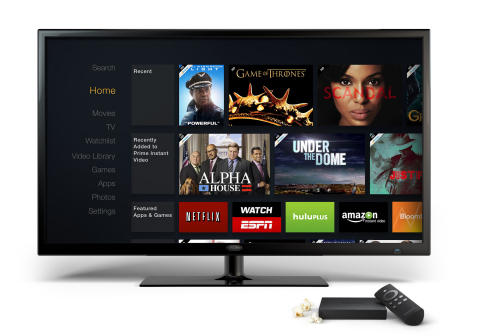
Amazon.com Inc.’s (NASDAQ: AMZN) instant streaming also gained share but only accounted for 1.9% of downstream traffic. Google Inc.’s (NASDAQ: GOOG) YouTube had a 13.2% share, while Facebook Inc.’s (NASDAQ: FB) share of this traffic was about the same as Amazon’s.
It was a different story when it comes to traffic on mobile networks in North America. YouTube leads with about 17.3% of aggregate mobile traffic, followed by Facebook at 14.7%. Netflix’s share was only about 4.5%.
Sandvine also identified the likely so-called cord cutters, or consumers who have dropped traditional pay TV for Internet options. They were the top 15% heaviest users of streaming audio and video, and they accounted for 54% of all Internet traffic.
READ MORE: Will Netflix Price Increase Kill Growth?
Furthermore, Sandvine found that file-sharing had fallen to 8.3% of all daily network traffic. File-sharing is often considered the main tool of content piracy, and in 2008 it accounted for 31% of daily traffic.
Some other findings of the “Global Internet Phenomena Report” include:
- Netflix has become the second largest source of traffic in the United Kingdom during the peak evening hours.
- Snapchat generates more traffic than any other third-party messaging app on North American mobile networks. On one network it accounted for 12% of total traffic on New Year’s Eve.
- Live streaming of World Cup matches is expected to account for more than 40% of network traffic on some Latin American mobile networks.
Sandvine publishes its Global Internet Phenomena Reports twice a year. According to the provider of broadband network solutions for fixed and mobile operators, the report: “examines a representative cross-section of the world’s leading fixed and mobile data providers using real-life, subscriber-anonymous network data to provide unparalleled insight into the happenings on consumer data networks.”
READ MORE: The Nine Most Misleading Product Claims







 Top Gaining Stocks
 Top Losing Stocks