


Hollywood may be known for being socially progressive, but when it comes to equal pay for women, it’s still in the Dark Ages.
In general in the U.S. today, according to a report called “The State of the Gender Pay Gap 2019” published by the compensation platform PayScale, women make only 79 cents for every dollar that men earn. The difference can be a lot wider in the upper echelons of the movie business.
“Hollywood’s Wage Structure and Discrimination,” a working paper recently presented to the Department of Economics at the Lancaster University Management School in the U.K., reports that male performers earn an average of $1.1 million more per film than their female co-stars who have similar experience.
Drawing data from IMDb and Box Office Mojo, the study examined salaries paid to some 267 male and female actors appearing in 1,344 films between 1980 and 2015.
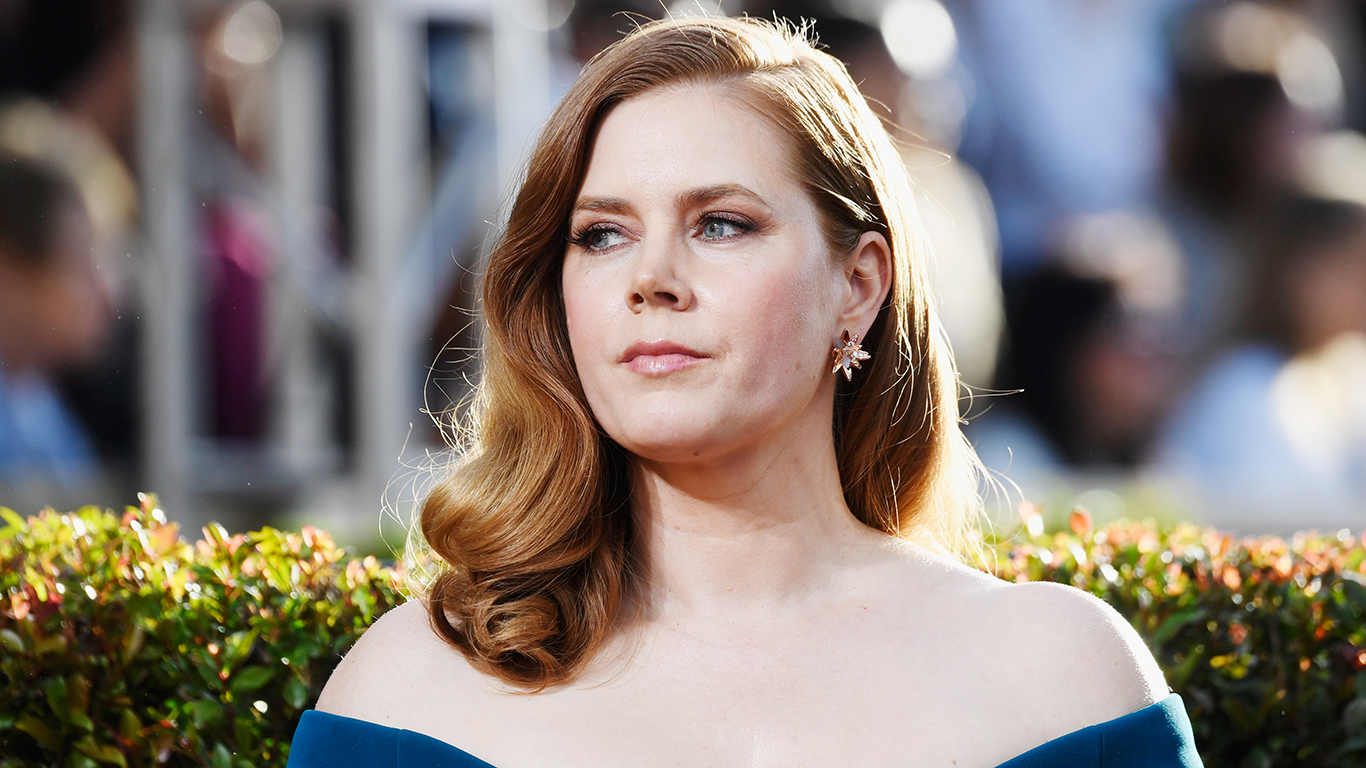
The paper cites one specific example: Christian Bale received $2.5 million and 9% of total profits for 45 days’ work on the 2013 film “American Hustle.” Bradley Cooper was paid the same amount and profit-share percentage for 46 days. Amy Adams, the movie’s female lead, who worked 45 days, got $1.25 million and 7% of total profits.
There are countless other examples. Earlier this year, for instance, Forbes reported that the highest-earning actress of 2018, Scarlett Johansson, made almost $200 million less for the year than the highest-earning actor, George Clooney. Jack Nicholson was paid the equivalent of $166,101 per word for his 585 words of dialogue in the 1989 “Batman,” while Angelina Jolie spoke 1,794 words in 2005’s “Mr. and Mrs. Smith” and was paid $6,850 per word. These are the 20 actors getting paid the most to say the least.
Once the Lancaster University study established the extent of the gender wage gap, researchers used a statistical method called Blinder-Oaxaca decomposition to discern what portion of the disparity could be explained by discrimination as opposed to other factors. They found an “unexplained gender compensation” difference of between 43% and 45% “after one accounts for all observable differences between male and female actors.”
They noted that the gap could be “attributed to a taste for labour market discrimination against female actors,” and concluded that their findings should have major implications for pay equity policies in the film industry.
Considering that hit movies can gross hundreds of millions of dollars, you’d think there’d be room to pay all performers at equal levels without seriously jeopardizing profits. These are the top 100 grossing movies of all time.
[recirclink id=571923]












 Top Gaining Stocks
 Top Losing Stocks