


Walt Disney Co. (NYSE: DIS | DIS Price Prediction) has been one of the great U.S. entertainment companies for nearly a century. Under CEO Bob Iger, it became a well-balanced earnings machine. It has been a powerful three-legged stool that rested on Disney Parks, its movie studios and its television operations. With many of its theme parks shuttered, Disney’s long-term future is in doubt for the first time in decades.
Disney World Becomes Disney’s World
Disney was largely a maker of animated movies until the early 1950s. Walt Disney and his brother Roy took a huge risk. They began to open theme parks, based mostly on the theory that people who liked their cartoon characters would like to have a relationship with them, in person.
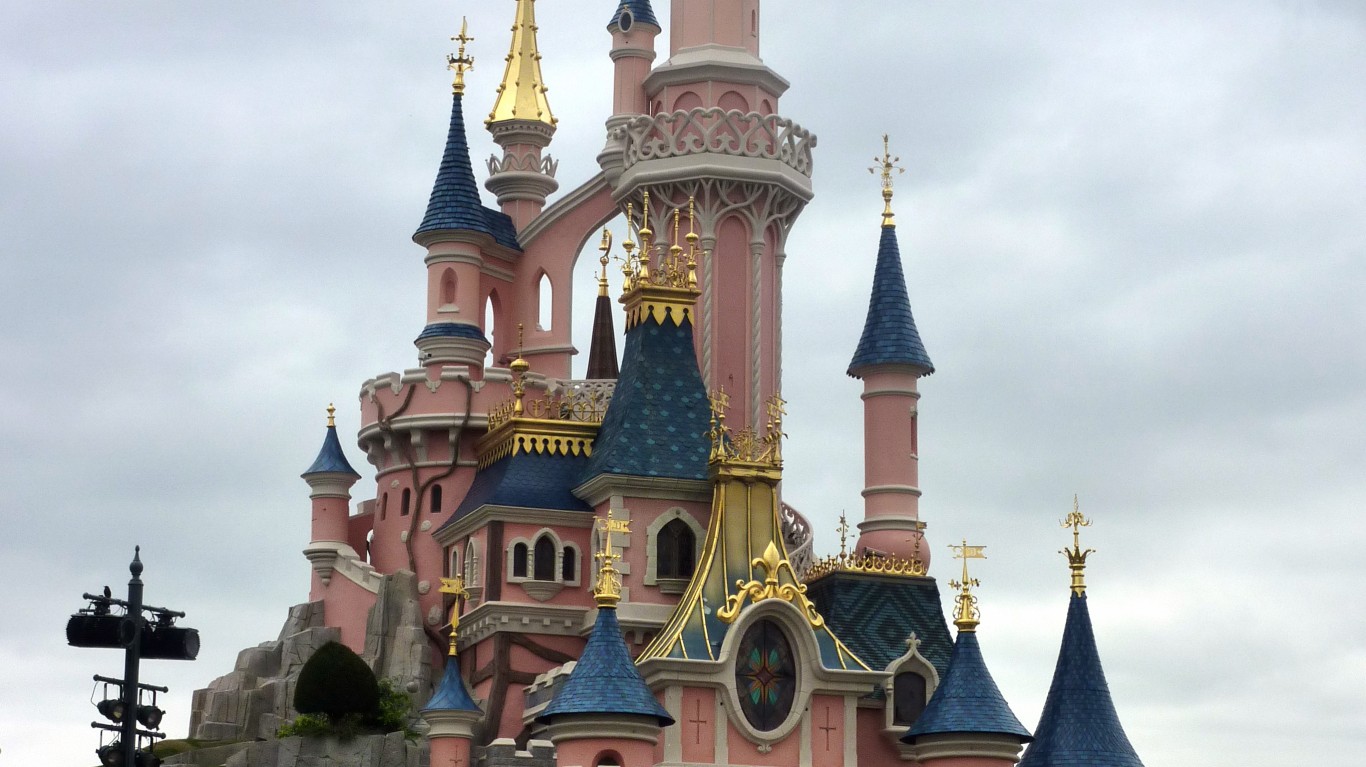
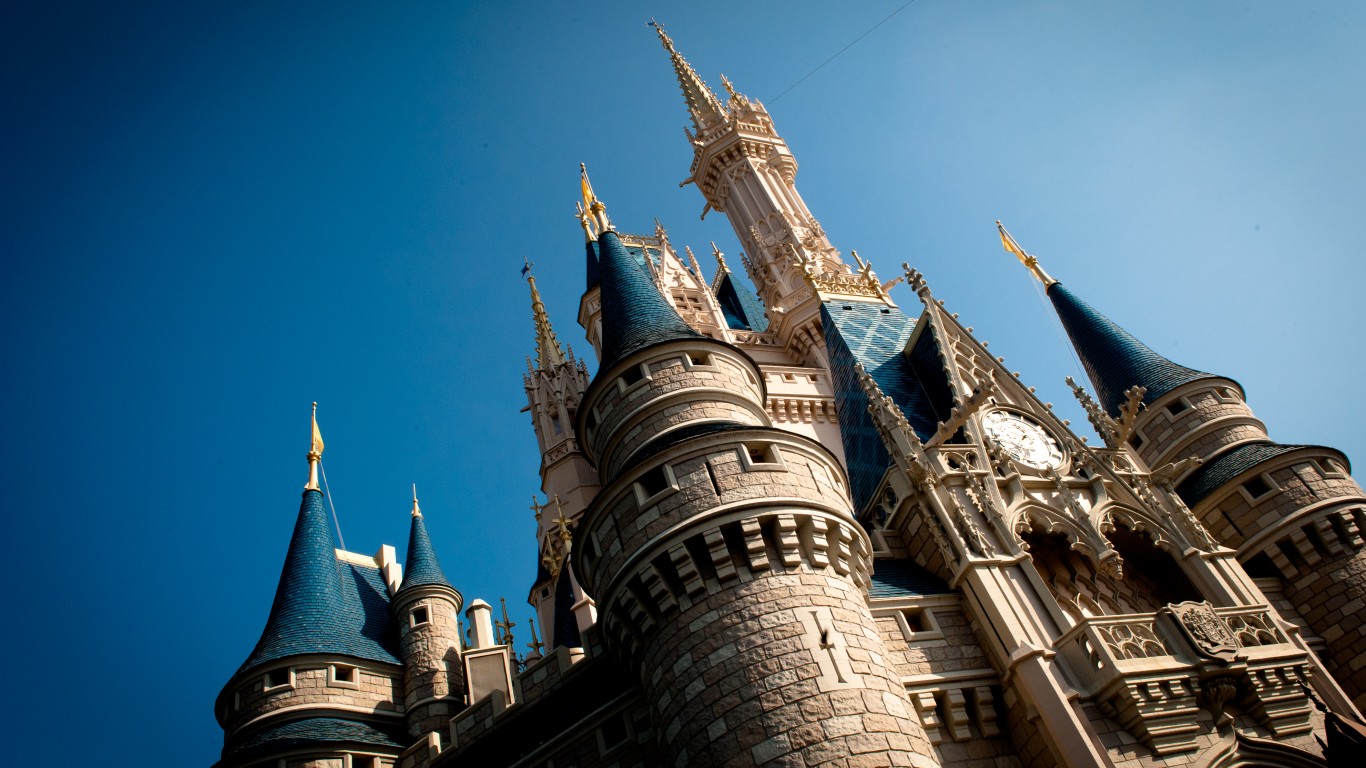
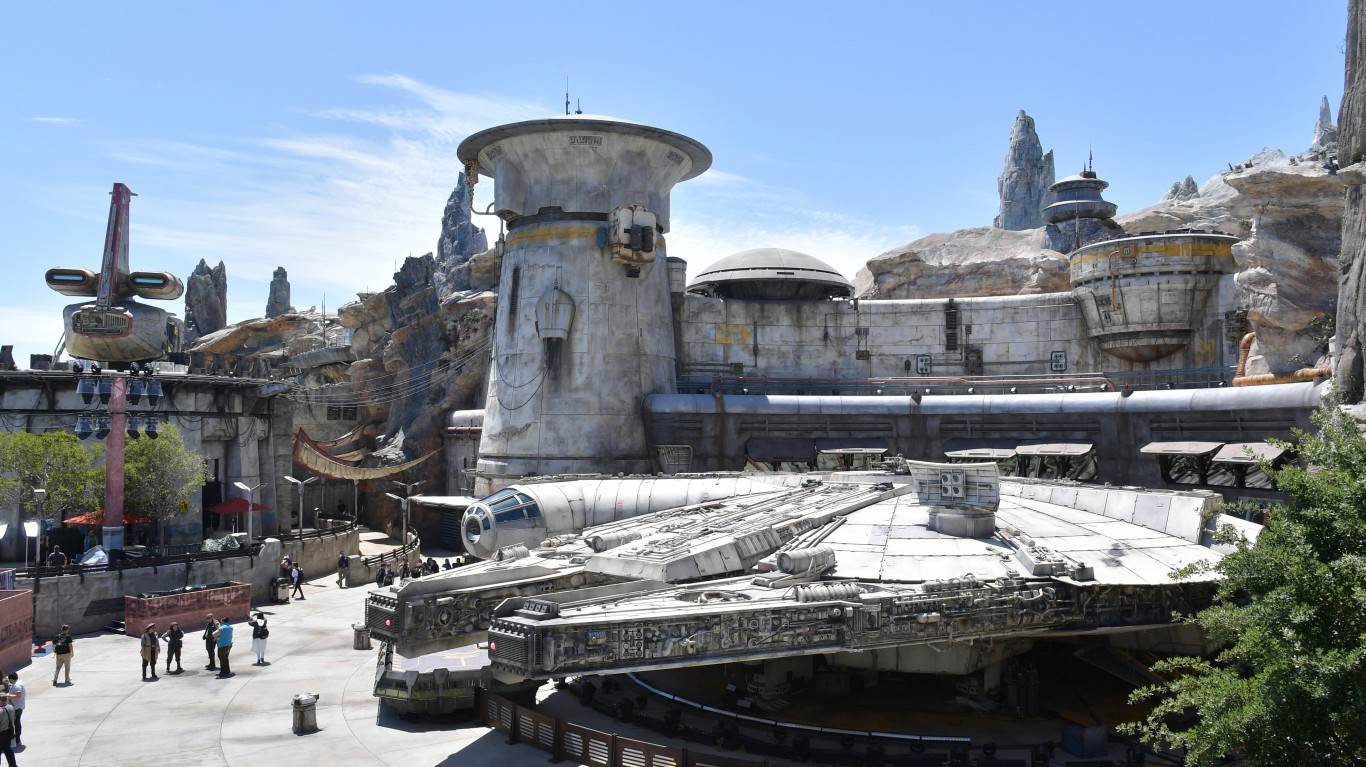
The first park, Disneyland, opened in Anaheim, near Los Angeles, in 1955, 65 years ago this upcoming July. Disneyworld was opened in 1971 near Orlando. Since then, the company has added Tokyo Disney Resort, Disneyland Paris, Hong Kong Disneyland Resort and Shanghai Disney Resort. Close to 160 million people visit the locations each year.
Theme Parks, Disney Earnings and Disney Shares
Disney’s parks are by far the company’s most profitable business. The pandemic shutdown has been damaging to the company. In the final quarter of calendar 2019, theme parks had revenue of $7.4 billion, and posted operating income of $2.3 billion.
[nativounit]
In contrast, Disney’s studios had their best year ever. Revenue for films was $3.8 billion and operating income was $948 million. Even in a record year for movies, theme parks were more important than movies.
COVID-19 affects Disney’s television operations very little. As a matter of fact, Americans are watching more TV and movies now. Films that are not released now may be out before the end of the year. Disney’s new streaming service, called Disney+, already has seen a surge in new subscriptions.
But social distancing rules make the theme park business almost impossible to operate at capacity.
Anxiety about earnings has already begun. Disney’s stock price is down 37% in the past three months. The S&P 500 is down 12% in the same period.
Investors get some modest comfort. Disney pays a $1.76 dividend. That equals a 1.67% yield.
Earnings Proved the Point
Disney released quarterly earnings earlier this week for the period that ended in March. Disney’s theme park numbers had a drop of $1 billion. This was worse than many earnings estimates. The stock market reacted by pushing shares down another 2%.
At least Disney said it would open the Shanghai park in a few weeks. It did not say what the foot traffic expectation is.
Across the entire company, the bottom line dropped 90%. However, revenue was $18 billion, up from $15 billion in the year-ago quarter. This was driven by Disney’s buyout of 21st Century Fox assets from Rupert Murdoch’s empire, so the improvement was cold comfort.
[recirclink id=704764]
Comments from long-time CEO Bob Iger, who was recently made executive chairman, were upbeat but investors had reason to be skeptical. “As someone who has been around for a while and led this company through some really tough days over the last 15 years, including economic downturns, natural disasters and other unforeseen events, I have absolute confidence in our ability to get through this challenging period and recover successfully.” Nothing in that period compared to a global pandemic.
Disney’s other challenge is that the buyout of Murdoch’s assets have left it deep in debt. This triggers worries about the strength of its balance sheet.
Theme Parks Were Only Part of the Problem, but There Was a Ray of Hope
Theme parks were only a part of the trouble. Disney will need to move back the release date of some of its movies. Films scheduled to be released in April have already been moved. Releases for May almost certainly will as well.
Presumably, the crowds will show up for the highly popular ones. However, social distancing could undermine that.
Disney management did say its streaming Disney+ business is an unqualified success. The service brought in $4.1 billion. Subscribers reached 54.5 million, years ahead of schedule. It is another example of how people in lockdown spend time and money on streaming media.
In sum, Disney has several lines of business that are doing well, or may do well soon. However, theme parks, perhaps its most critical business, could be battered for another several quarters.
[wallst_email_signup]










 Top Gaining Stocks
 Top Losing Stocks