



When Jeff Bezos bought The Washington Post in 2013, employees and management were ecstatic. The Post had the chance to be the national newspaper it had been decades ago. It has made great progress over the years since the Bezos purchase. However, recent events show that The Washington Post’s best years are behind it. It joins the army of daily newspapers that have had to cut costs to remain financially viable. This is bound to undermine the editorial quality of the paper.
[in-text-ad]
The Bezos-owned Post started to make money. It also created an ad management system that was so good that it was licensed to other papers. This product, known as Zeus, has lost some of its luster. According to Axios, it will be folded into the Post’s advertising operations. Axios reported: “Folding Zeus into the Post’s existing ad sales team ends its efforts to make money by licensing its ad tech software to other premium publishers.”
[nativounit]
The Post’s challenges go well beyond software. The New York Times reported that the Post would lose money this year. The number of digital subscribers, critical to recent growth, has started to fall. There were hints in August that the Post would start to shave costs, which meant layoffs. These layoffs have started recently. The Washington Post Magazine was shuttered, and the entire staff was fired. The Post’s publisher gave the staff more bad news last week.
Publisher Fred Ryan said the Post would lay off workers next year to the tune of what he described as single digits. Then he fled the meeting where he made these comments. Staff confusion has caused turmoil that could be permanent.
[wallst_email_signup]
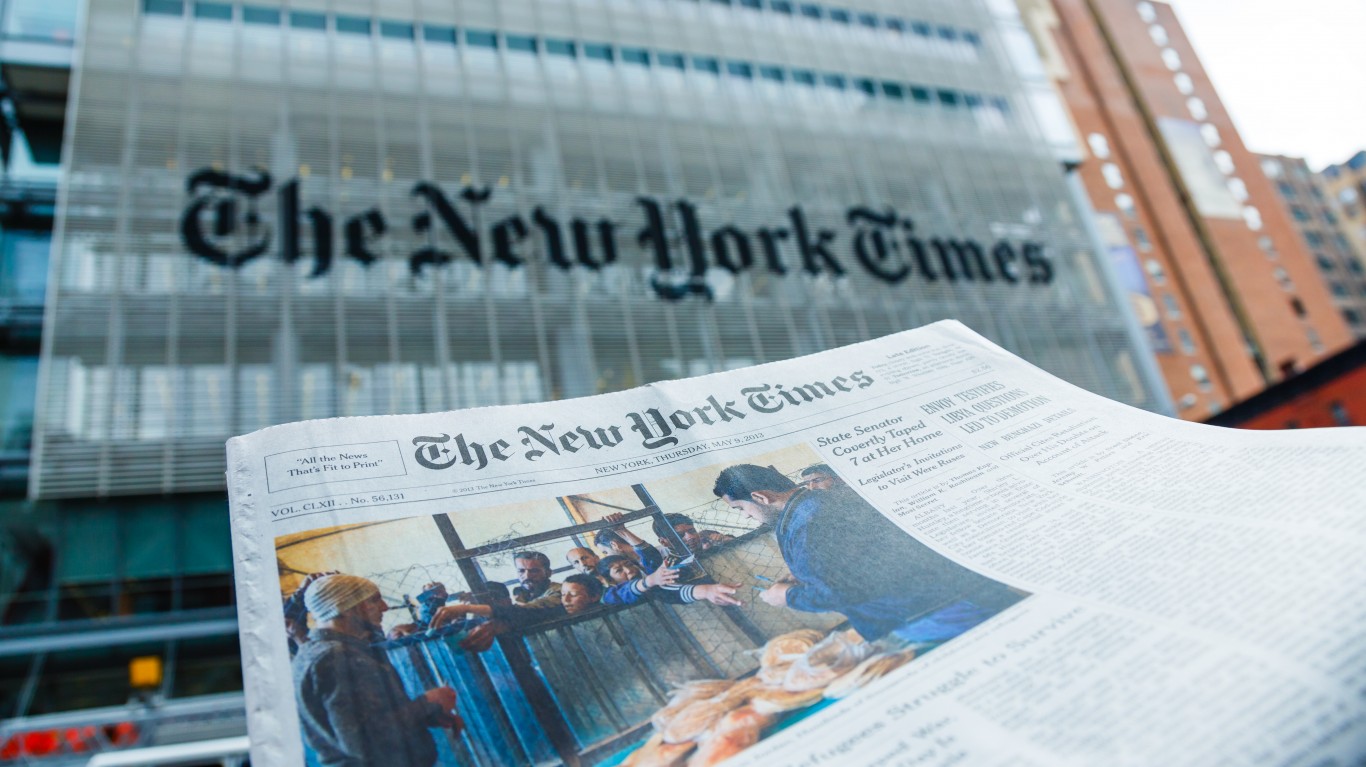
Bezos invested in turning the Post into a worthy competitor of The New York Times, which continues to make money. It appears that he will leave the Post on its own now. It must operate independently of access to the Amazon founder’s billions.
[recirclink id=1189946]
As it starts to downsize, the Post has not hit the skids at anywhere near a pace as treacherous as that which has caused newspaper giant Gannett to cut people to remain financially viable. But the Post’s staff cuts have begun. These will worsen if advertising continues to fall and its subscriber business does not recover. As for the Post’s future, it is downhill from here.











 Top Gaining Stocks
 Top Losing Stocks