


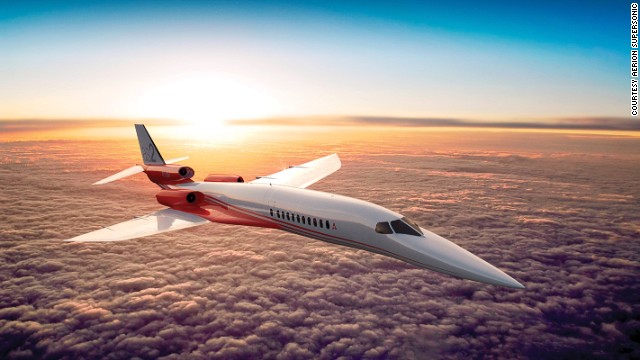
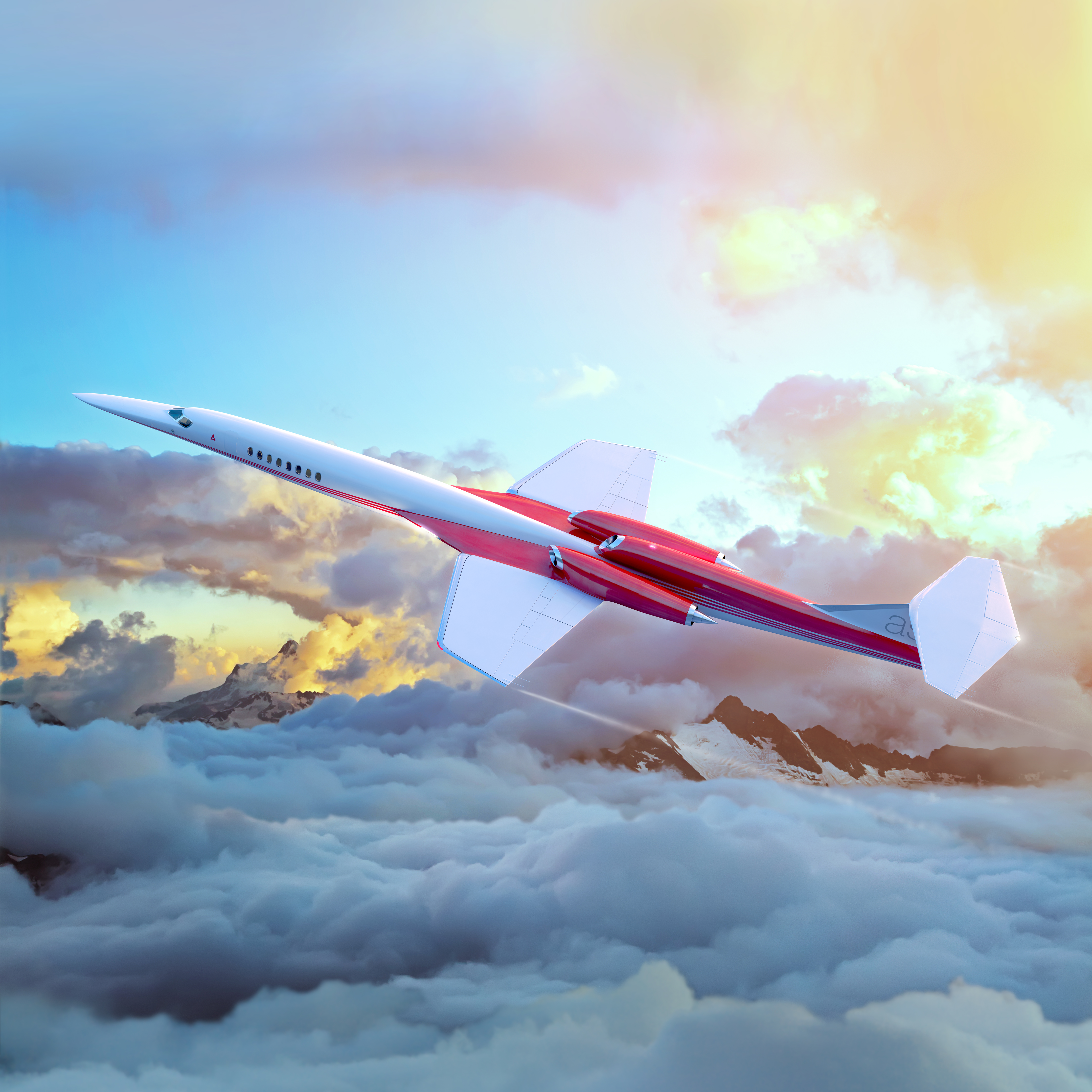
The Aerion Corporation has been working on its AS2 supersonic business jet since 2002, when a predecessor company was acquired by an investor group led by Robert M. Bass, who also founded Oak Hill Capital Partners in 1999. Last week, Aerion announced that Airbus will collaborate with the small company to work on high-performance flight technologies.
Interestingly it is Airbus’s Defence and Space Division that will work with Aerion. The Airbus defense business is Europe’s largest military and space company, the world’s second largest space company, and one of the world’s top ten defense companies with annual revenues of around €14 billion (about $18 billion). In 2013, Boeing Co. (NYSE: BA), Airbus’s chief rival in both commercial and defense sectors, posted revenues of about $16 billion in its Military Aircraft division and $8.5 billion in its Network & Space Systems group.
ALSO READ: Boeing’s 20-Year Forecast Tops Airbus
The Aerion management team, some of whom have worked on the company’s unique technology since the 1990s, is made up of aircraft industry veterans who have worked for Boeing, Canada’s Bombardier, Lear Corp. (NYSE: LEA) and engine-maker Rolls-Royce.
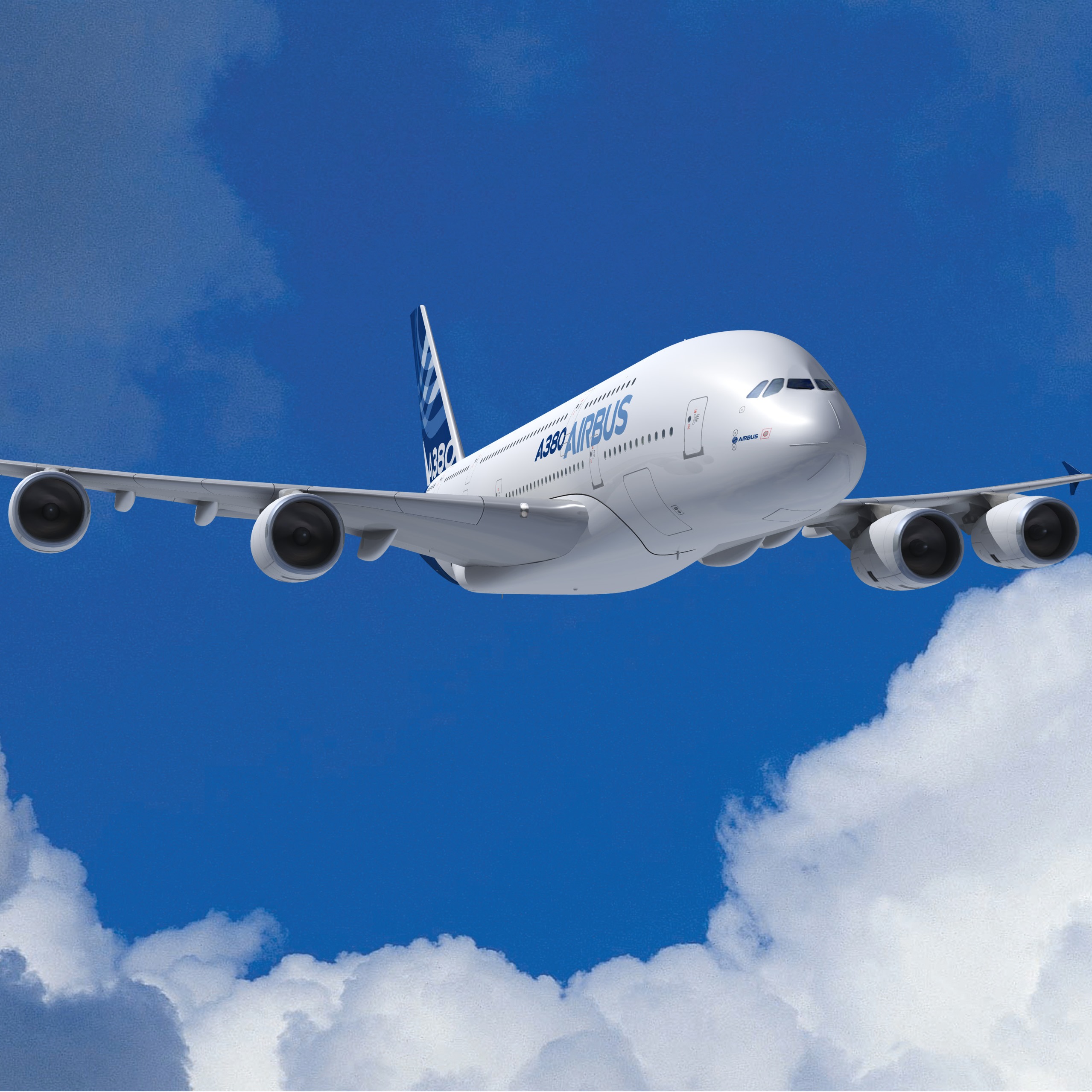
Airbus will be the airframe technical partner, according to a report from aircraft industry consulting firm Leeham. The engine partner has not yet been named and the plane’s first flight is penciled in for 2019 with certification to follow in 2021.
Leeham suggests that Airbus has found a way to use its supersonic expertise as the company winds down its defense business. Airbus also gains access to a unique technology that could make supersonic flight economical and once more open U.S. airspace to supersonic flight.
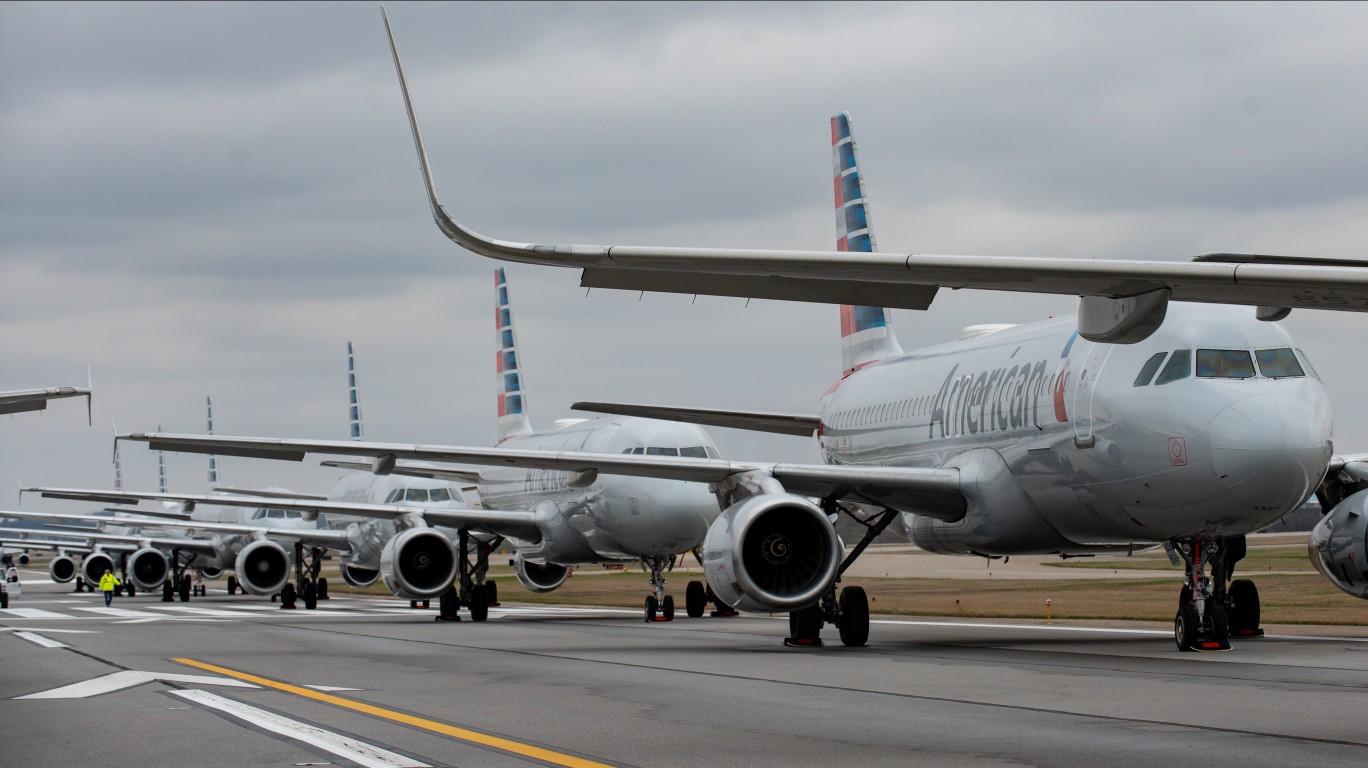
For comparison, Boeing’s new 787 MAX 8 has a list price of $104 million, carries up to 200 passengers and likely will have a sub-sonic cruising speed of around 590 mph. The Airbus A320neo will cost $103 million, have a maximum capacity of around 180 and a cruising speed of about 590 mph. The Aerion AS2 will cost more than $100 million, carry a maximum of 12 passengers and have a maximum cruising speed of around 1,200 mph.






 Top Gaining Stocks
 Top Losing Stocks