


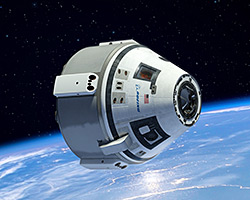
A third bidder, SpaceX, the rocket company founded and run by Elon Musk, CEO of Tesla Motors Inc. (NASDAQ: TSLA), won a $2.6 billion contract in the competition.
A report in The Wall Street Journal late Monday cites unnamed sources who say that SNC alleges Boeing won the bid unfairly because NASA believed that Boeing was more likely to complete the work on time, a last-minute addition to the bidding criteria according to Sierra Nevada. The Wall Street Journal reports that NASA’s final decision memo noted “considerably more schedule risk” attached to Sierra Nevada’s bid, which was $900 million lower than Boeing’s.
In a press release at the time it filed its protest, Sierra Nevada said:
[T]he official NASA solicitation for the [Commercial Crew Transportation Capability (CCtCap)] contract prioritized price as the primary evaluation criteria for the proposals, setting it equal to the combined value of the other two primary evaluation criteria: mission suitability and past performance. SNC’s proposal was the second lowest priced proposal in the CCtCap competition. SNC’s proposal also achieved mission suitability scores comparable to the other two proposals. In fact, out of a possible 1,000 total points, the highest ranked and lowest ranked offerors were separated by a minor amount of total points and other factors were equally comparable.
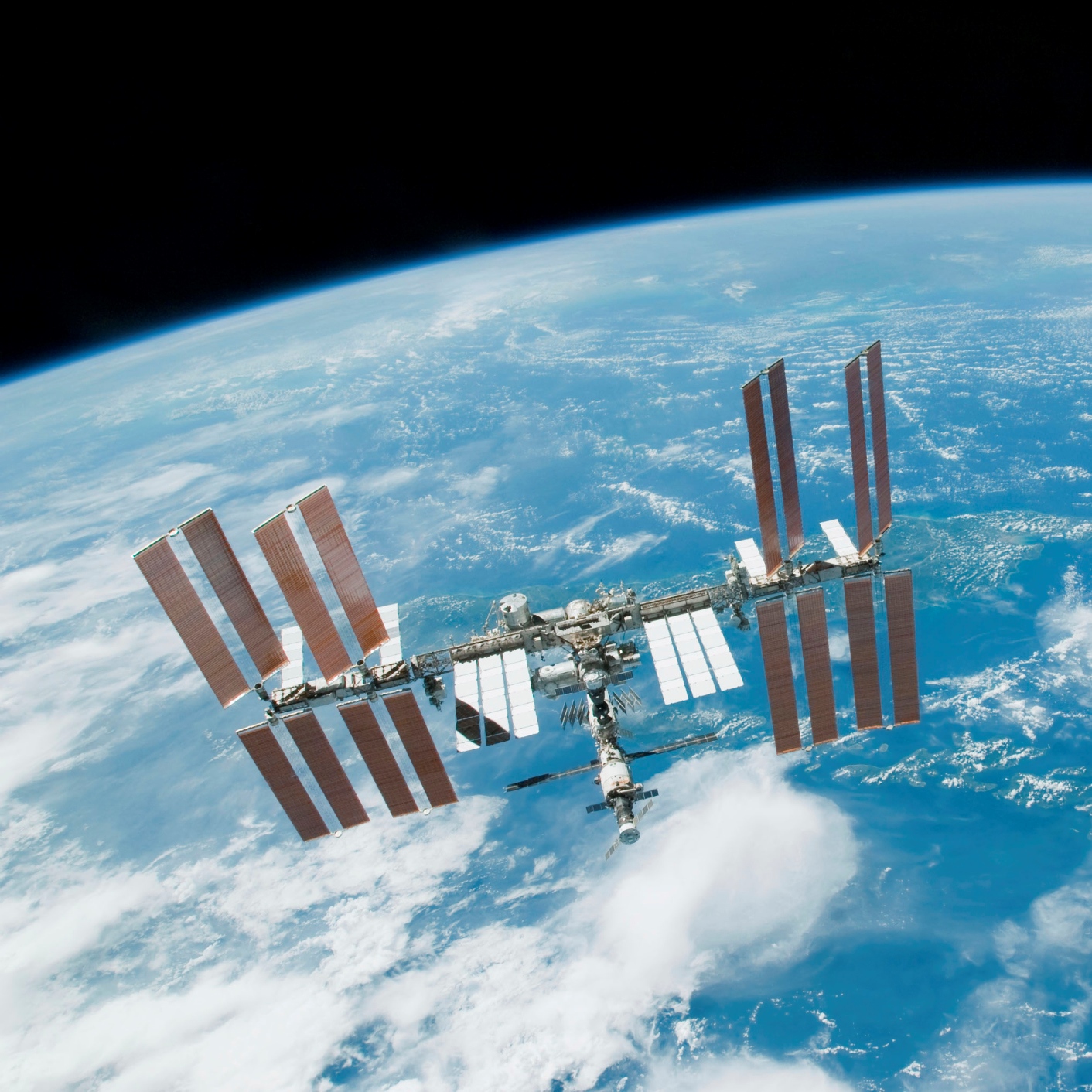
Boeing received permission to work on the contract while the protest was pending and has been paid $300 million so far, according to the Wall Street Journal. The system is currently scheduled to begin operating in 2017. Until then, the United States will continue to pay Russia more than $70 million per trip for the taxi service to the space station.







 Top Gaining Stocks
 Top Losing Stocks