


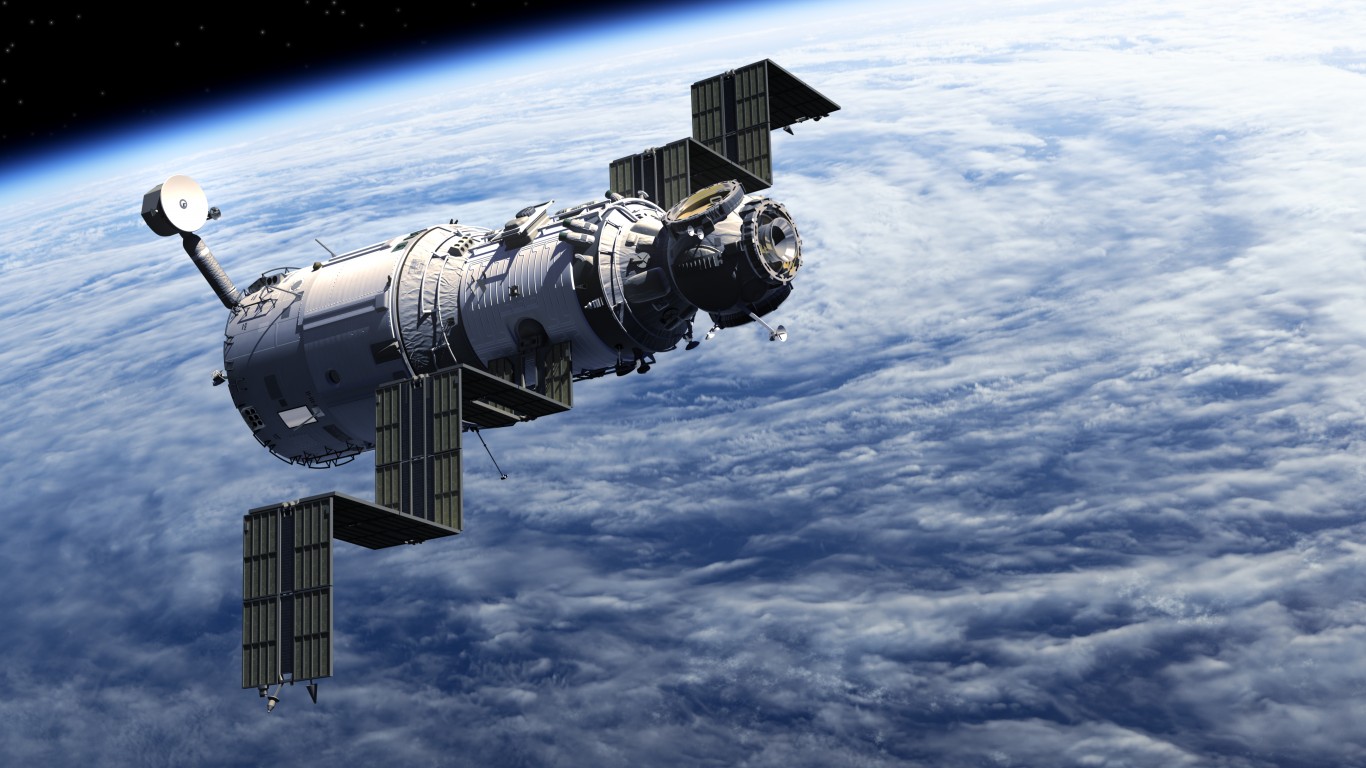
Since the International Space Station came to fruition in 2000, there hasn’t been a single day when we didn’t have human beings up in space. But in fact, there are two operating facilities in orbit, with the other being China’s Tiangong Space Station. One of them is due to crash.
We’ve collected data from NASA and public media sources about previous, current, and future planned space stations, including some that will be operated by private corporations. Find out which ones—maybe you’ll want them for your investment portfolio.
24/7 Wall St. Insights
- There have been roughly 11 previous crewed space stations operated by the United States, the Soviet Union, or China. Two are currently operational.
- The International Space Station is scheduled for a controlled reentry over the Pacific in 2031 which will destroy the aging facility.
- 11 more stations have been proposed and are in various stages of planning and development.
- Also: 2 Dividend Legends to Hold Forever
This post was updated on September 22, 2025 to clarify when ISS hosted crews vs. completion date, number of previous crewed stations, ISS crew count, and Tiangong 1/2 mission lengths.
Soviet Space Stations
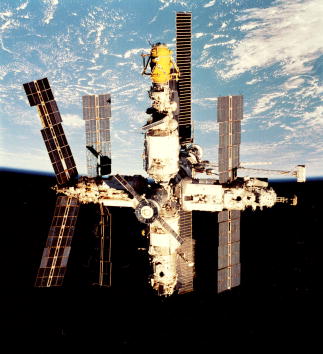
Mir was the Soviet Union’s most successful space station attempt.
The first space station was the Soviet Union’s Salyut 1, launched in 1971 and lasting only 175 days. Over the next two years, the USSR attempted to launch three other stations but the first failed to achieve orbit and the other two lasted less than two weeks. In the 26-year period from 1975-2001, the Soviets launched 5 more Salyut stations, and their final one, Mir. Over time, Soviet space stations lasted longer. Mir spent 5,511 days in orbit and hosted 125 crew and visitors. It was destroyed in a controlled crash over the Pacific Ocean in 2001.
The American Space Station
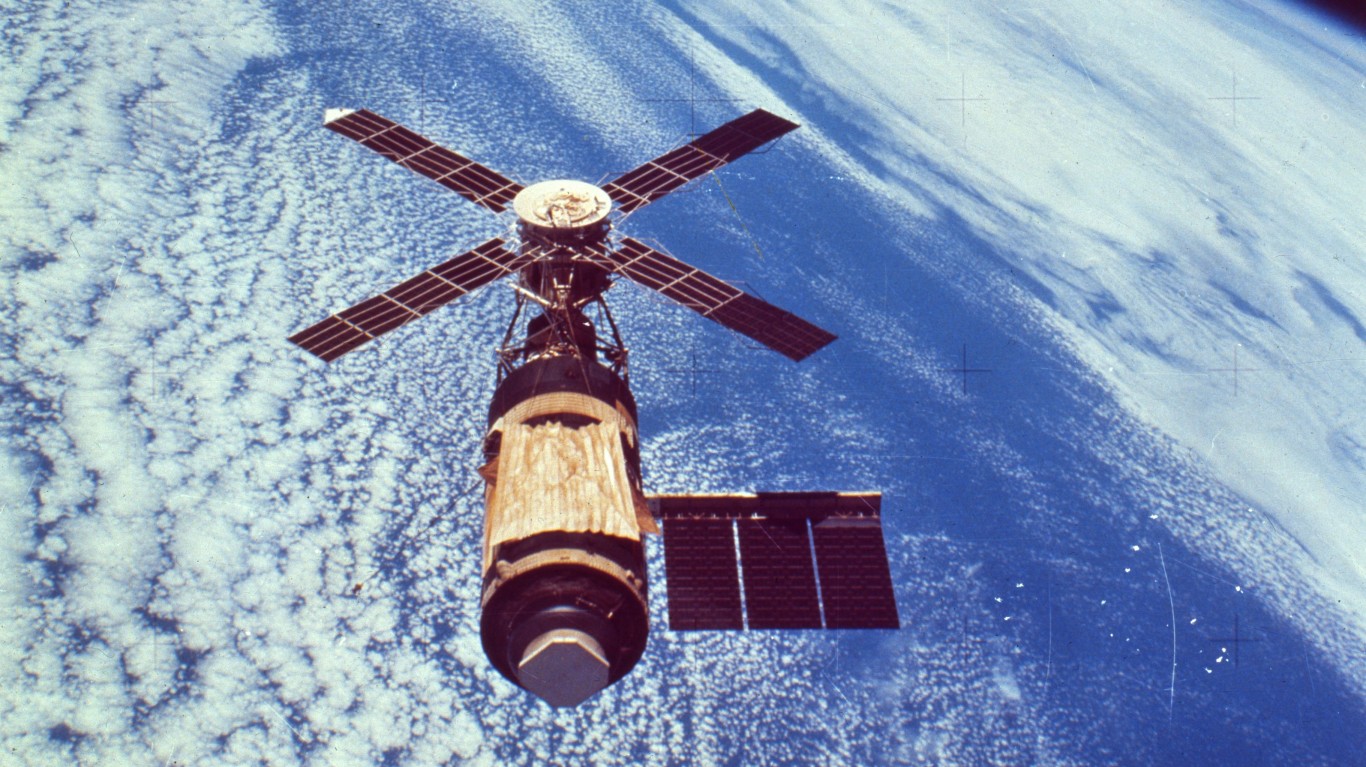
Skylab was supposed to reenter entirely over the Indian Ocean, but scattered debris across Australia as well.
The United States operated only one space station of its own: Skylab, which lasted from 1973-1979. It could hold a crew of three. NASA sent three crews to visit it, each of which broke previous space endurance records. They studied how the human body adapts to a weightless environment, completed detailed solar observations, and surveyed the Earth for natural resources. Skylab was occupied for 171 days in its lifetime. NASA intended to use a Space Shuttle mission to boost it to a higher orbit and abandon it, but solar storms prevented such a mission. The station reentered the atmosphere in 1979. NASA targeted the Indian Ocean, but guidance failed, and debris fell over Western Australia.
The International Space Station
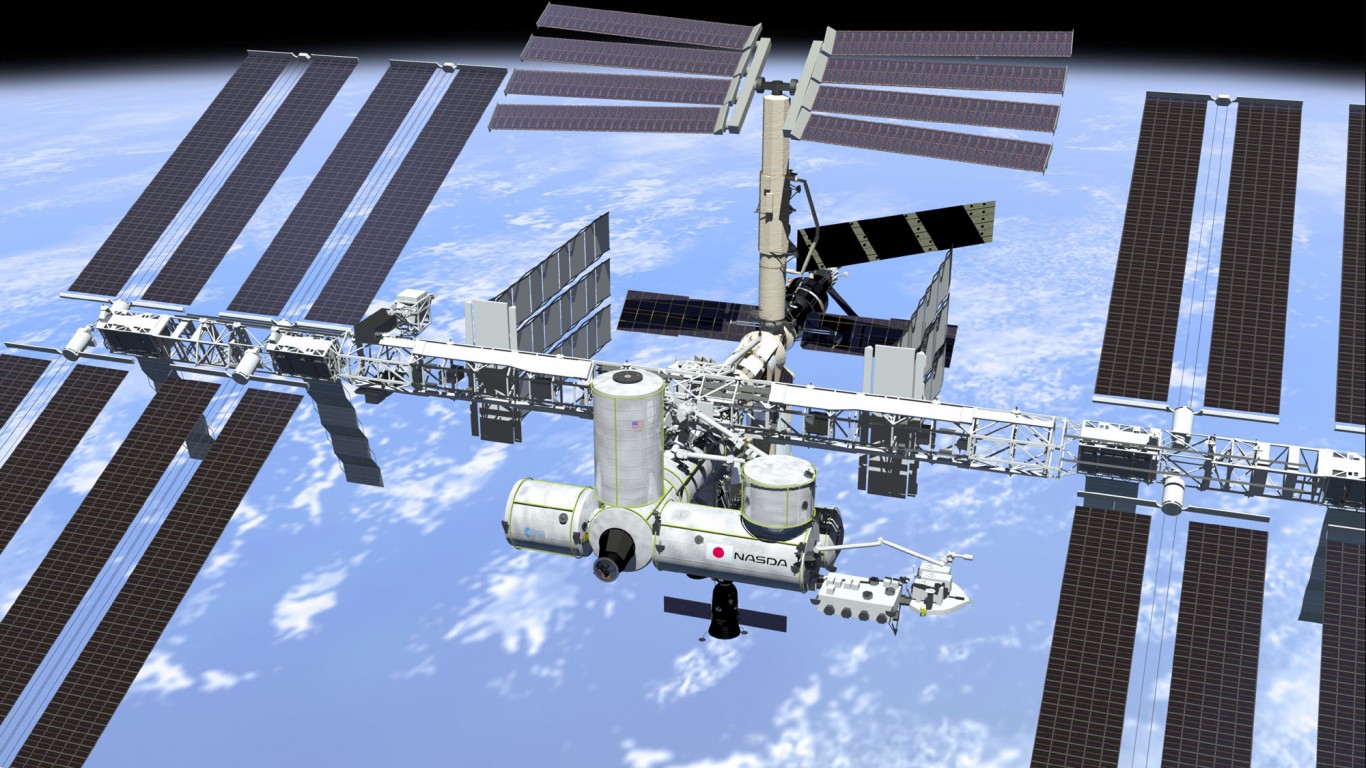
Given the extraordinarily high cost and complexity of building an orbital science station, the United States and partners like Canada, Japan, and European allies cooperated to design and build the International Space Station. During a period of thawing relations, Russia joined the project in 1993. Orbital construction lasted from 1998-2011. It has been the longest lasting of any space station ever built: over 9,500 days in orbit. As of 2025, more than 270 individuals from around 20 nations have visited the ISS.
The ISS partners had many ambitious goals for it. It was to be an orbiting observatory of Earth and space, a low-gravity research facility, and a potential staging base for interplanetary missions. The element of international cooperation helped maintain good diplomatic relations with Russia at a time when its superpower status was slipping away. The ISS is now aging to such an extent that mission controllers plan to crash it into the Pacific Ocean in 2031, with most of it burning up in the atmosphere during reentry.
Chinese Space Stations
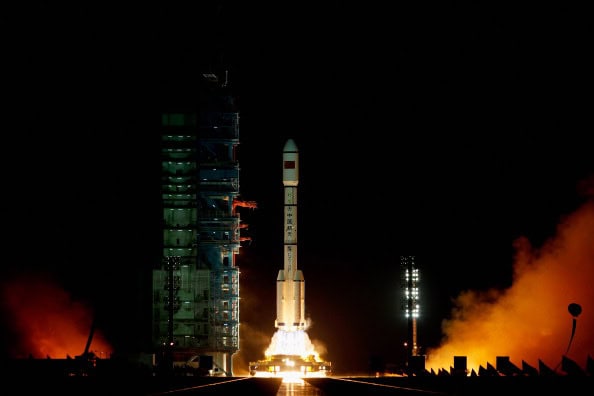
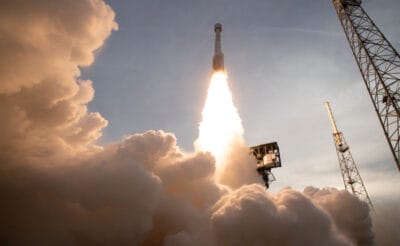
A Chinese rocket prepares to take a component of the Tiangong station into orbit.
Because of concerns about sharing sensitive technology with military applications, China has not participated in the International Space Station project but has built its own orbital research stations. Tiangong 1 was in orbit from 2011-2018 and occupied by crews for a total of about 11 days. Tiangong 2 (2016-2019) was occupied for around 30 days total by one crew. Afterwards, each of them was decommissioned. The third of the series, called simply Tiangong Space Station, was launched on April 29, 2021. As of mid-2025, Tiangong has hosted five permanent expedition crews (Shenzhou-13 through Shenzhou-17) plus cargo missions. The number of astronauts is around 20–25 individuals total, and total occupation has been continuous since 2021.
Space Station Proposals

Mitsubishi is one of the private companies that will be involved in developing and operating a space station in the coming years.
If all goes according to plan, the night sky will soon be full of space stations, some launched by countries that have not previously operated one on their own, like India and Japan, and some operated by private companies. Here’s what’s in the works, along with the anticipated launch dates and sponsoring countries or companies:
- Lunar Gateway (2025) – United States, Europe, Canada, Japan
- Haven-1 (2025) – Private: Vast
- Axiom Station (2026) – United States
- StarMax (2026) – Private: Gravitics
- LIFE Pathfinder (2026) – Private: Sierra Space
- Russian Orbital Service Station (2027) – Russia
- Starlab (2028) – Private: NanoRocks, Voyager Space, Airbus, MDA Space, Mitsubishi.
- Orbital Reef (late 2020s) – Private: Blue Origin, Sierra Space
- Bharatiya Antariksha Station (around 2035) – India







 Top Gaining Stocks
 Top Losing Stocks