


That is good news both for P&W and for UTC. When the conglomerate’s CEO abruptly resigned last November, the new CEO, Gregory Hayes, who had been the chief financial officer, scotched the idea of building a new engine for wide-body planes based on the GTF platform for single-aisle planes. Hayes wants to reduce P&W’s research and development spending to around 4% to 5% of revenues, which translates to a level of some 40% to 50% below the $1.1 billion Hayes cited in his comments at the time.
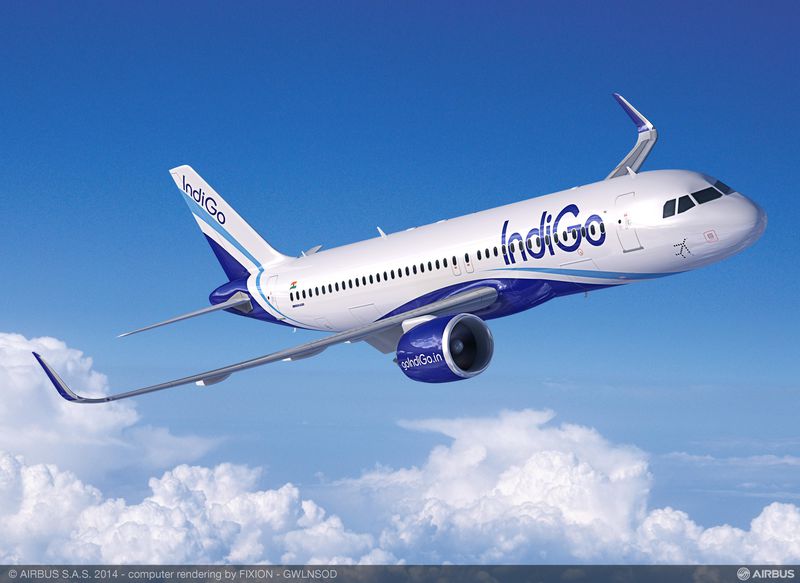
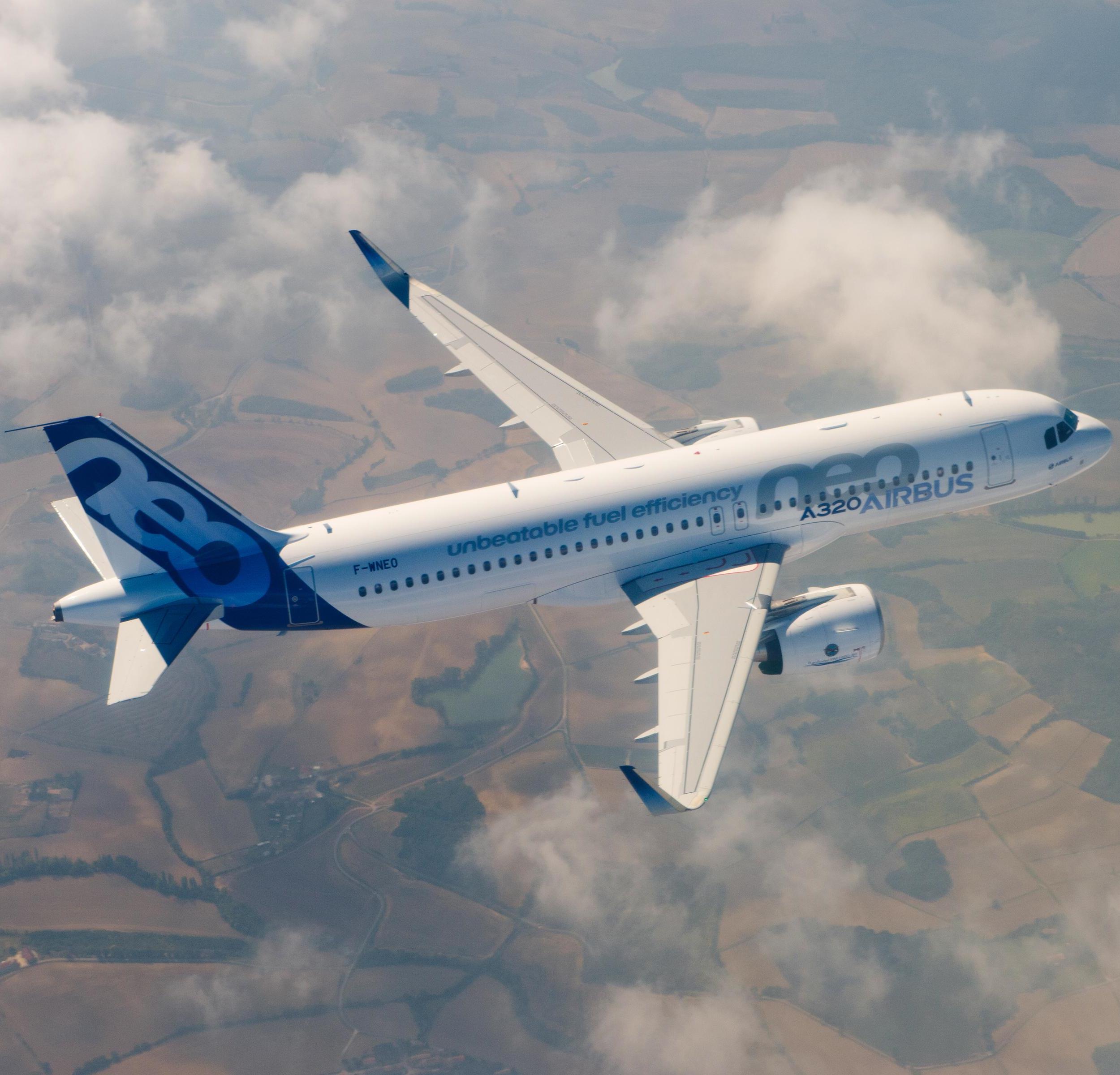
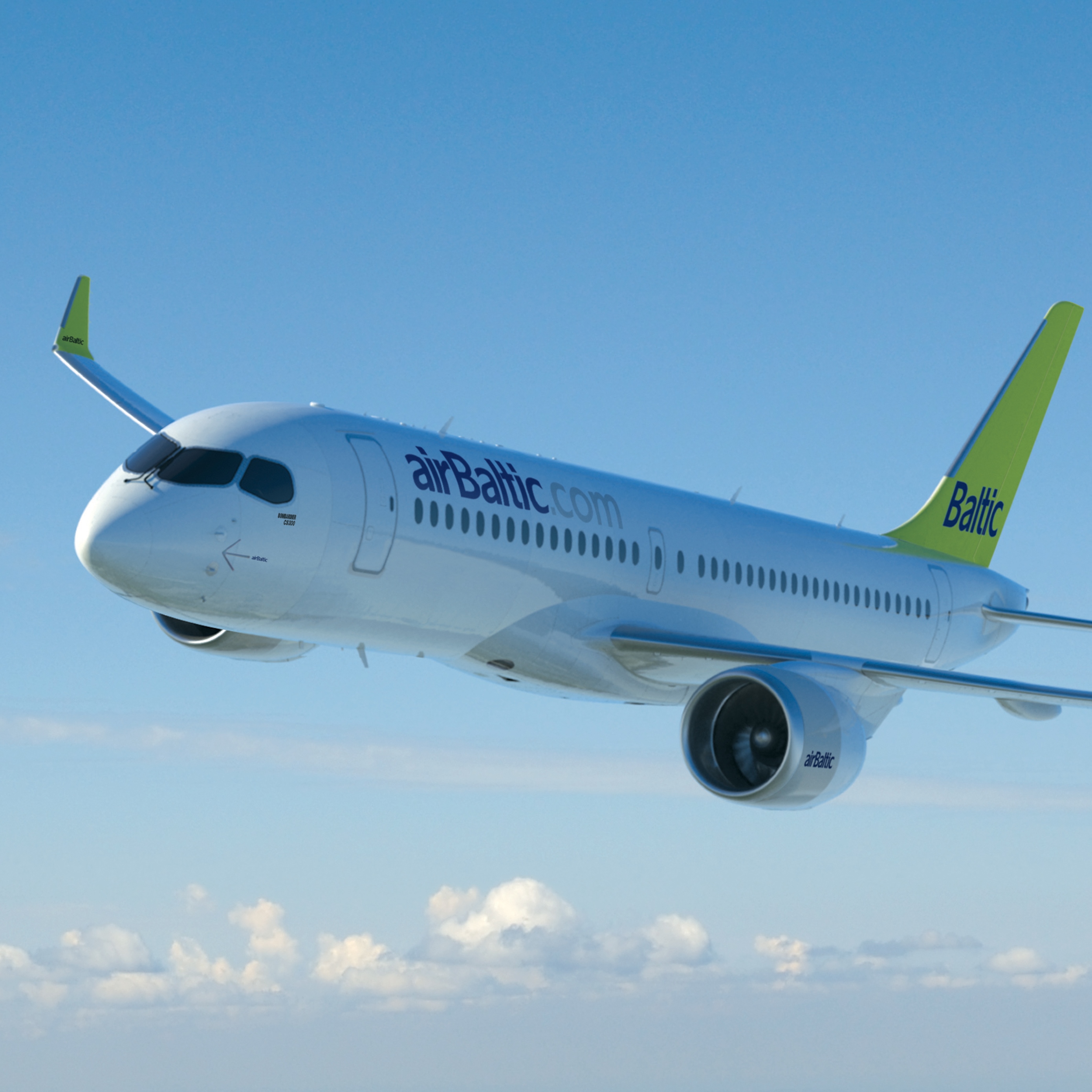
The GTF engine is set for installation on the Bombardier CS100, the A320neo from Airbus and commercial jets from Mitsubishi, Embraer and Irkut.
Boeing Co. (NYSE: BA) will not use the GTF engine on its 737 MAX planes, its competitor to the A320neo. Boeing is using LEAP-1B engines from the GE/Snecma consortium CFM International on its 737-200.
ALSO READ: Why a Boeing 787-10 Costs $298 Million
According to the industry analysts at Leeham News and Comment, P&W currently produces 500 of its V2500 engines annually, a rate it took the company 25 years to achieve. With an order book for 6,000 GTF engines, P&W needs to achieve that same rate of production in three years. Lean manufacturing and automation have wrung up to 30% out of labor costs, and the company’s goal is to reach a 50% reduction once production is mature.
First production models of the GTF engine for the A320neo are due to be delivered to Airbus in the second and third quarters of this year. The Bombardier version of the engine failed a flight test last year, adding another three months to the entry into service of the CS100. That plane was originally supposed to enter service in late 2013, but now looks to be in service no sooner than the first or second quarter of 2016.
UTC shares traded up about 1% in the noon hour on Thursday, at $117.03 in a 52-week range of $97.30 to $124.45.











 Top Gaining Stocks
 Top Losing Stocks