


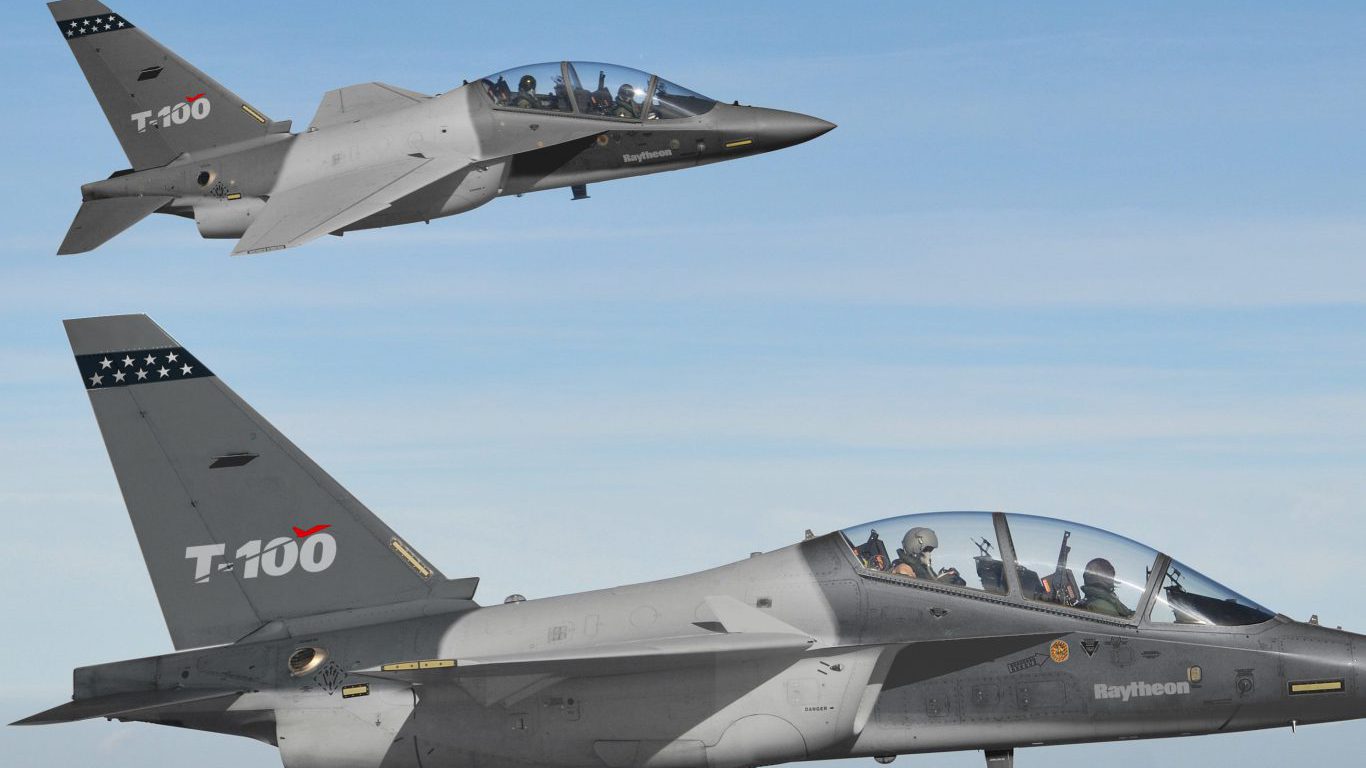
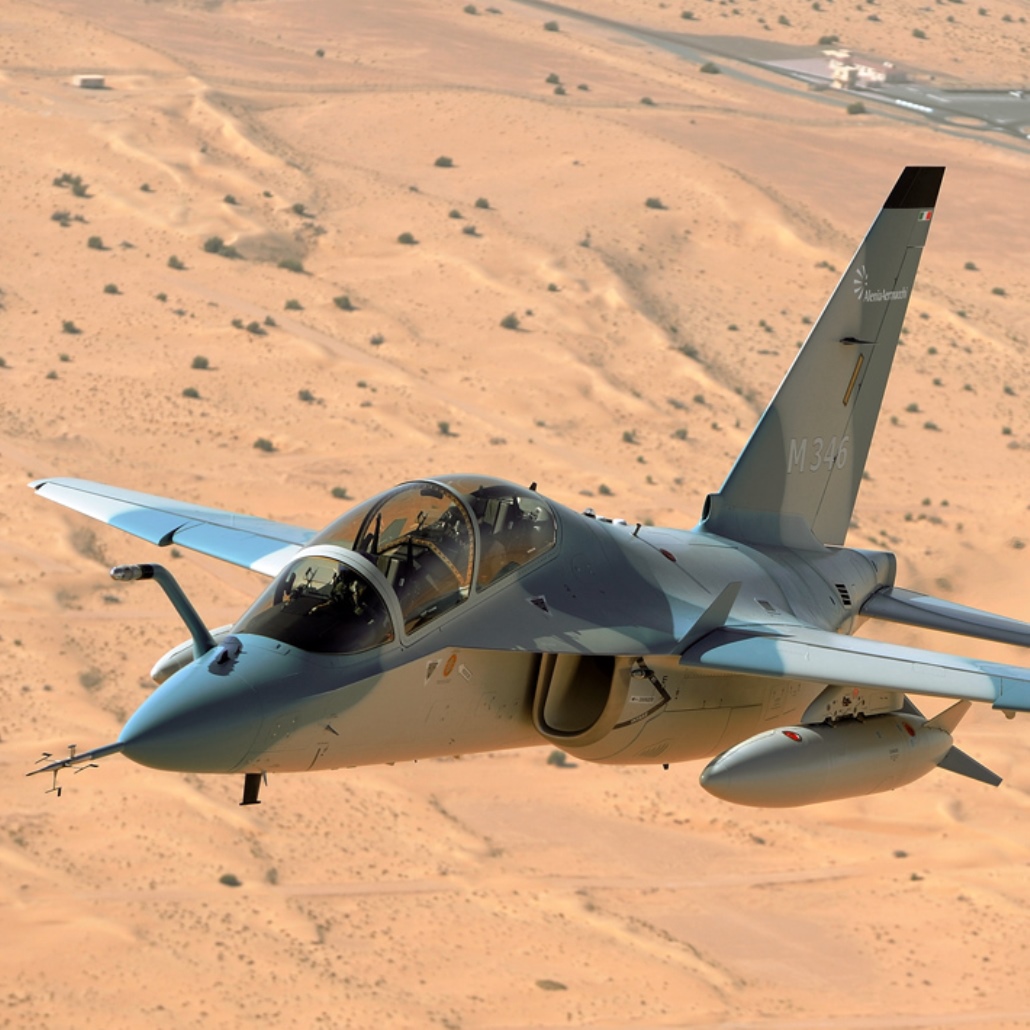
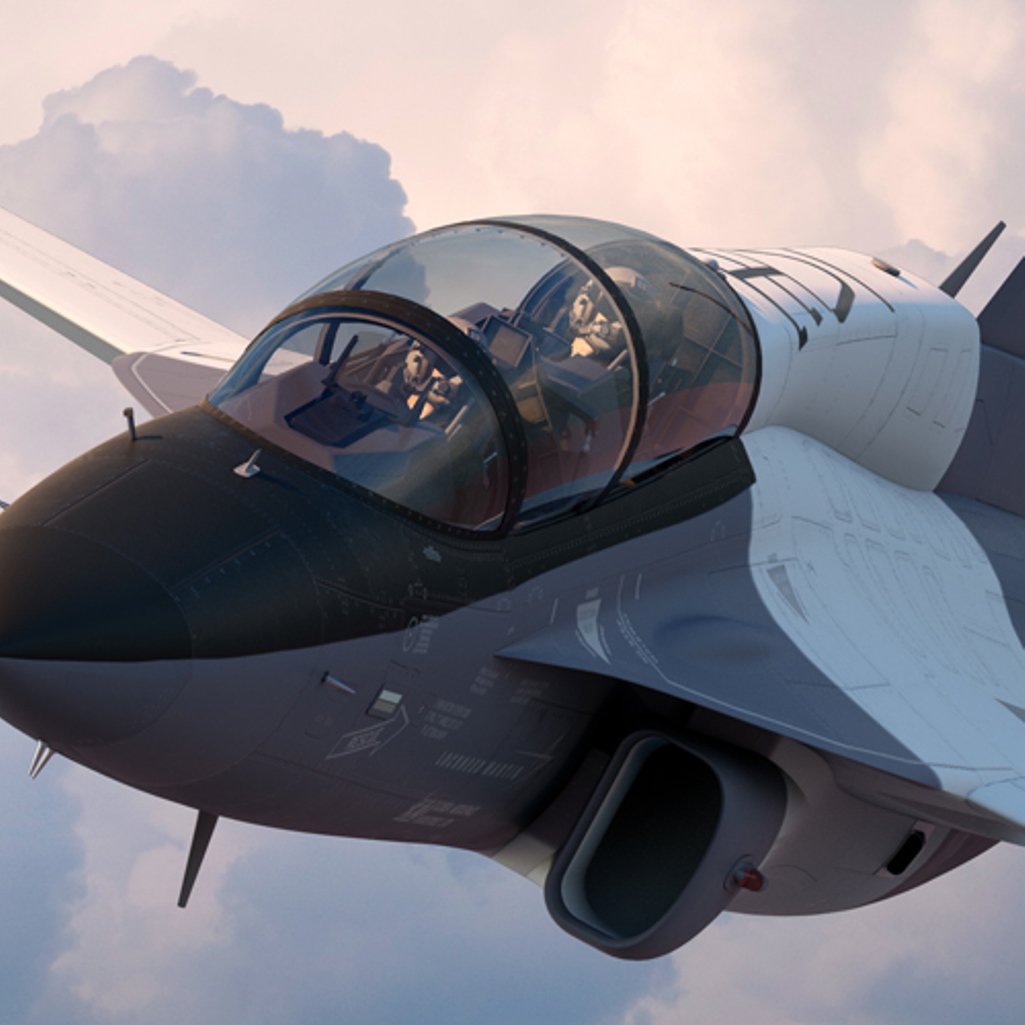
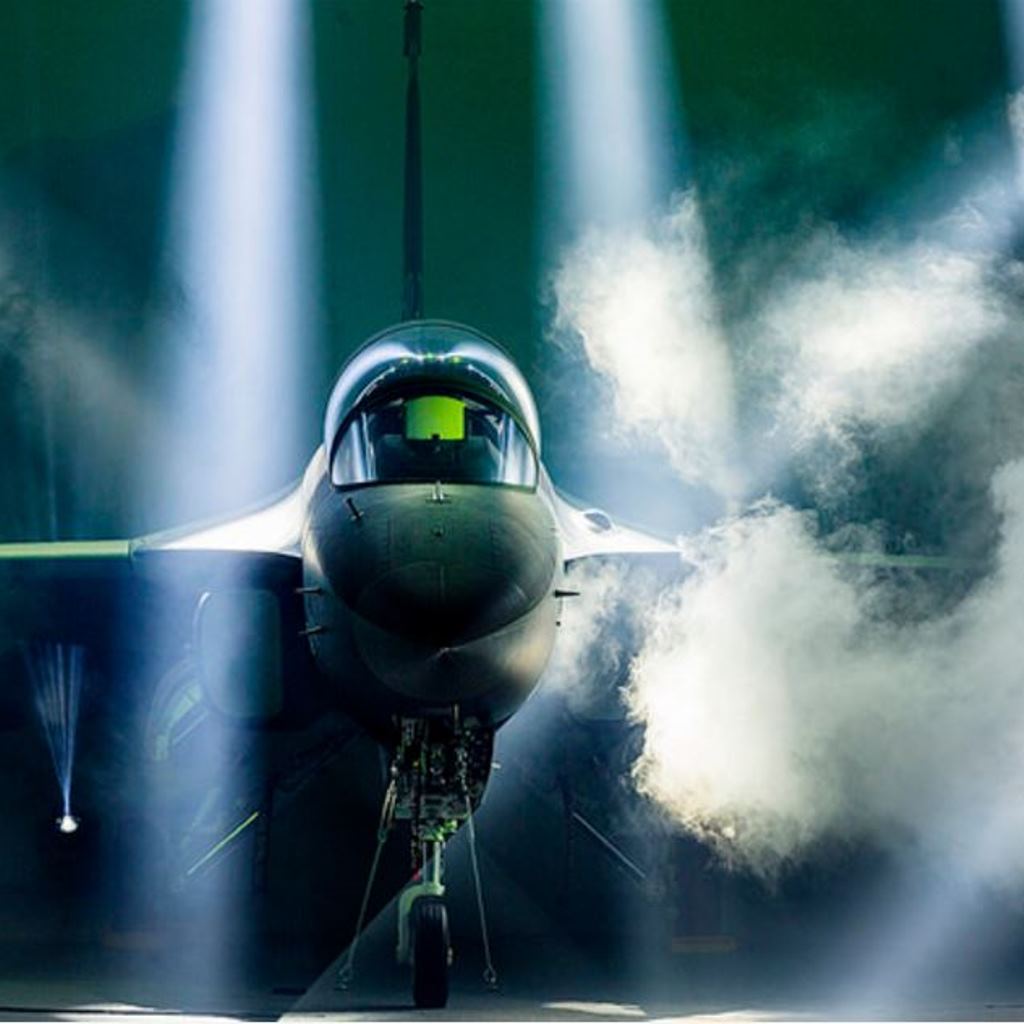
Raytheon Co. (NYSE: RTN) used the occasion of the Farnborough Air Show to unveil its candidate to replace the U.S. Air Force’s fleet of T-38 training jets. The T-100, as Raytheon’s entry is called, is variation on the M-346 trainer built by Italy’s Alenia Aermacchi, a division of the Italian industrial giant Finmeccanica, which rolled out its name change to Leonardo at Farnborough as well.
The other members of the Raytheon-Leonardo team are Honeywell International Inc. (NYSE: HON)and CAE USA, a Florida-based subsidiary of Canada’s CAE Inc. (NYSE: CAE). Raytheon is the prime contractor for the group, Honeywell builds the plane’s engines, and CAE supplies ground-based training and simulation.
There are three other teams believed to be assembling bids for the new training jet that the Air Force calls the T-X. The Air Force is expected post a request for proposals late this year and award a contract in 2017 to acquire 350 of the new planes to replace the decades-old T-38 fleet.
[nativounit]
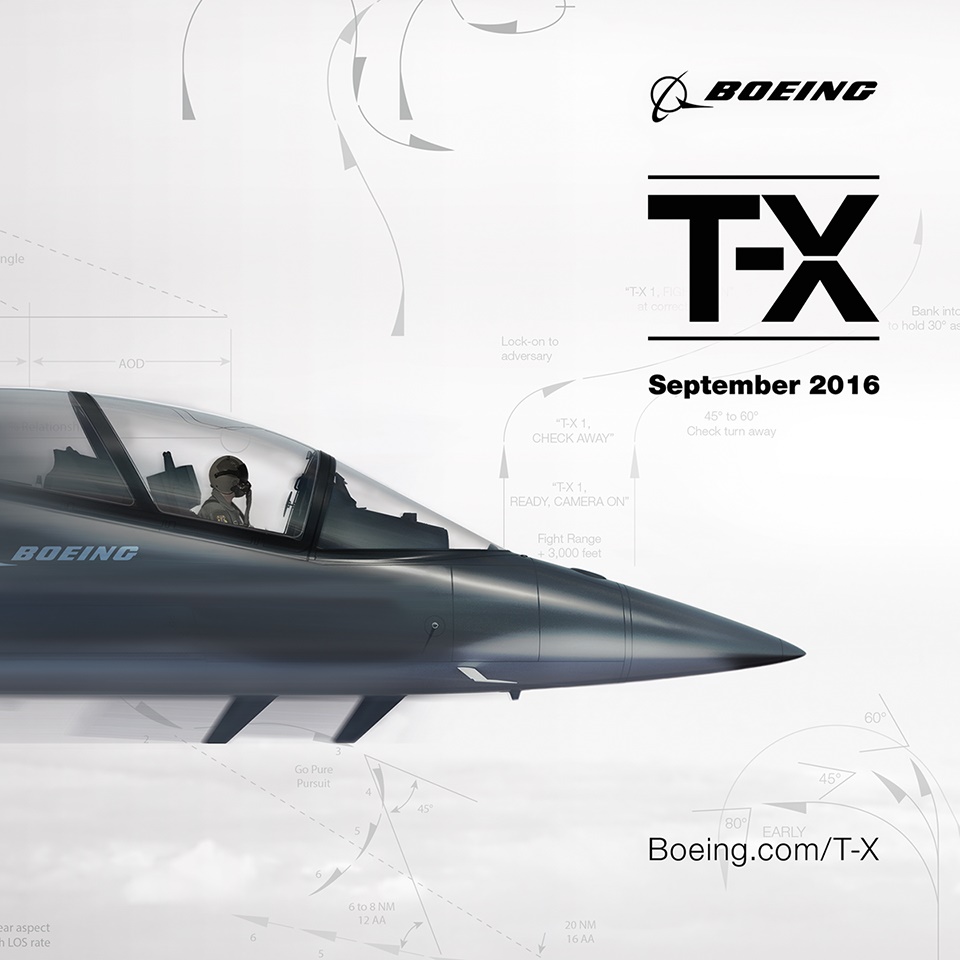
The Boeing Co. (NYSE: BA) and Saab have teamed on a clean-sheet design for the T-X. Other expected competitors for the T-X contractor are a clean-sheet design from Northrop Grumman Corp. (NYSE: NOC) and perhaps another clean-sheet design from Lockheed Martin Corp. (NYSE: LMT) in conjunction with KAI, makers of the T-50 jet trainer.
The first phase of the T-X program is valued at about $8.4 billion, and may be the last major contract the Air Force gets to award for several years. Boeing’s KC-46A tanker program and the Lockheed’s F-35 Joint Strike Fighter are both larger in total size than the T-X program, and both have been plagued with cost overruns and delays. The interesting thing to look for is whether that will have any influence on the outcome of the T-X award.
[wallst_email_signup]




 Top Gaining Stocks
 Top Losing Stocks