


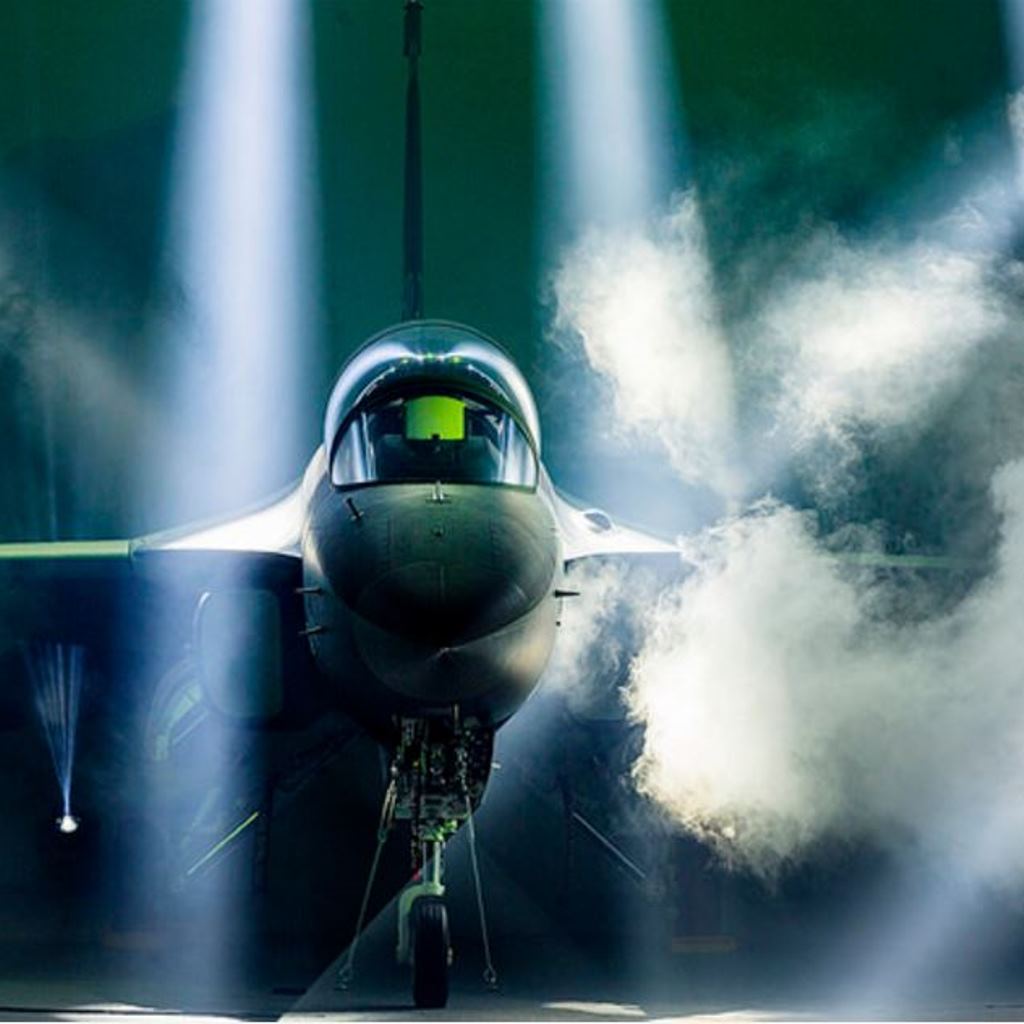
[cnxvideo id=”625476″ placement=”ros”]The competitive bidding for a $16 billion contract to supply the U.S. Air Force with a new training jet may be winnowed from its current number of potential bidders. Aviation Week has reported that Northrop Grumman Corp. (NYSE: NOC) may pull out, and neither Sierra Nevada nor Textron Inc. (NYSE: TXT) is willing to say definitively that they will submit a bid.
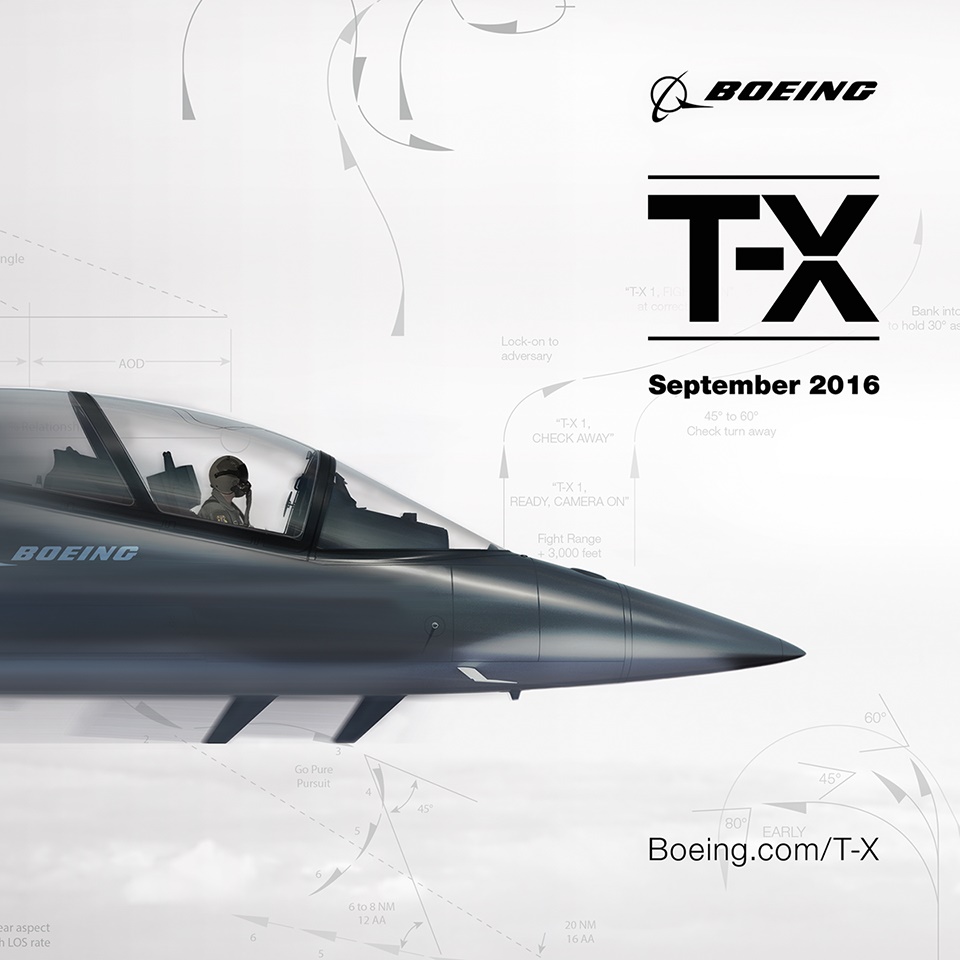
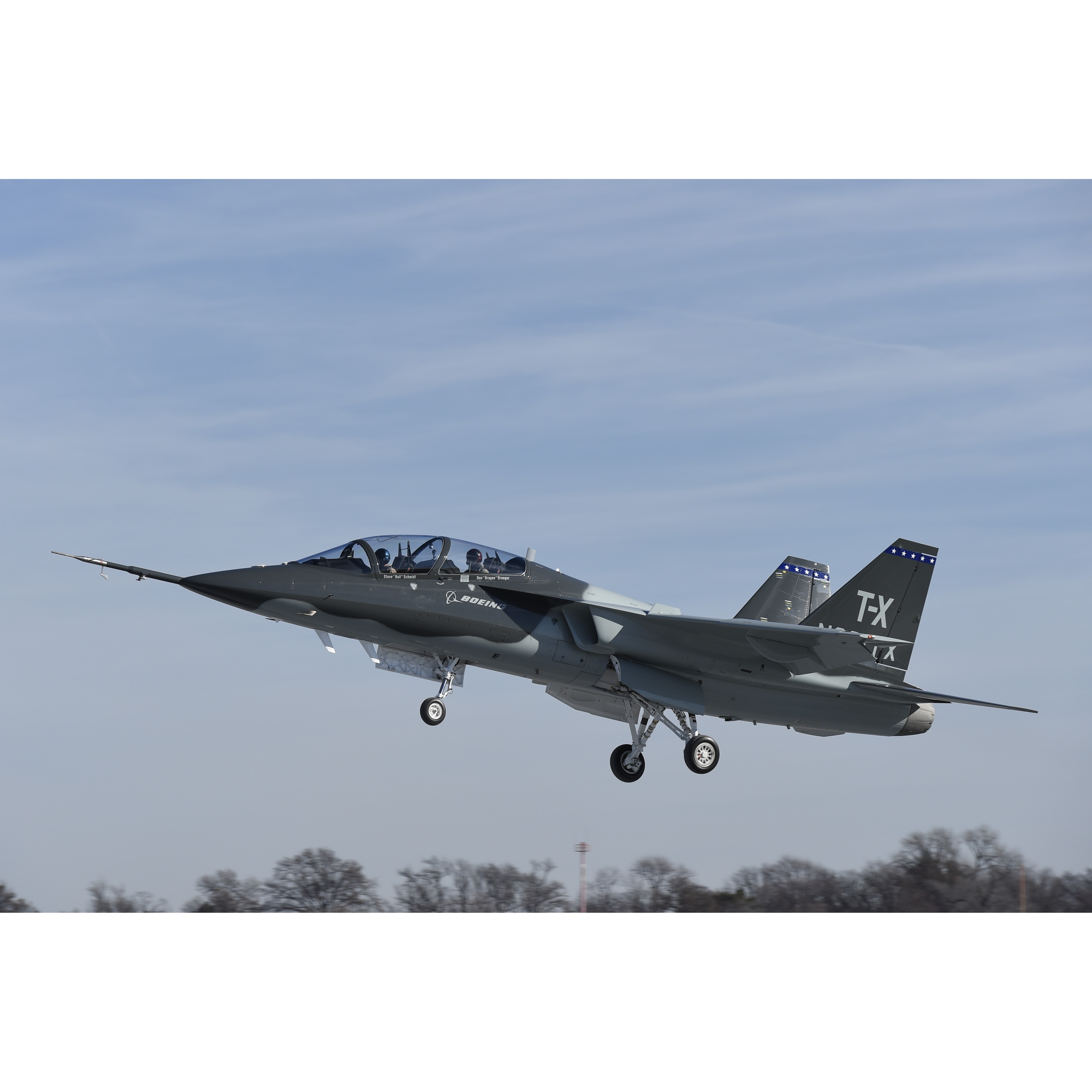
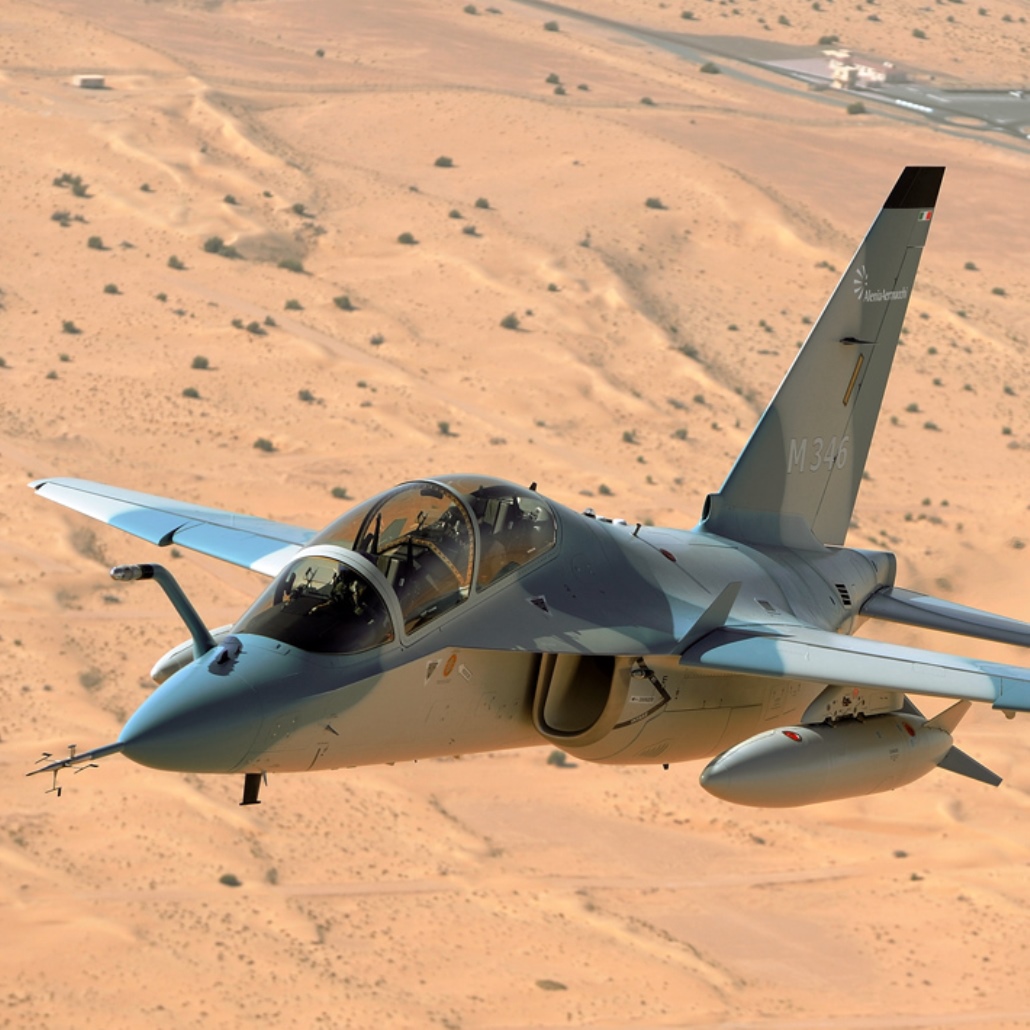
That leaves Boeing Co. (NYSE: BA) and Lockheed Martin Corp. (NYSE: LMT), the nation’s two largest defense contractors, to slug it out for the contract. A team led by Raytheon Corp. (NYSE: RTN) and Italy’s Leonardo pulled out last week, and Textron has never said more than that it is considering a bid. Sierra Nevada, a privately held aerospace firm, has been similarly reluctant publicly to commit to a bid.
The issue that is giving the potential competitors second thoughts is price. The winning bidder almost certainly will have to submit the lowest price. Both Boeing and Lockheed can afford to battle it out on price, but Raytheon decided it could not, and now it appears that Northrop Grumman is thinking the same thing.
[nativounit]
Northrop Grumman CEO Wes Bush said last week that the company has not made a go/no-go decision yet, even though it has made a substantial investment in a flying prototype. Aviation week cited Bush: “We don’t want to walk ourselves into a decision to do something just because we’ve been doing it.”
If the contract award comes down to just Boeing and Lockheed, both will come in with the lowest price they can reasonably make, regardless of whether they can make a profit. Why? To keep their plants open and to maintain some positive cash flow to impress investors. Cost overruns and losses can be dealt with later.
It is even possible, though not likely, that whichever company wins can actually build the planes for the low-ball price.
Lockheed snagged more than $36 billion in federal contracts in fiscal year 2015, more than twice as much as second-ranked contractor Boeing, which managed to haul in more than $16 billion. But Boeing’s commercial jet business added to its defense business nearly doubled Lockheed’s 2016 total revenues. And Lockheed’s 2016 revenues were about double Raytheon’s and Northrop Grumman’s.
And with the current administration’s emphasis on lowering costs — or at least announcing that it has lowered costs — only the super-rich can afford to play. That means Boeing and Lockheed.
[wallst_email_signup]





 Top Gaining Stocks
 Top Losing Stocks