


[cnxvideo id=”510428″ placement=”ros”]As part of the People’s Republic of China’s recently adopted five-year plan (the 13th since the revolution), the government plans to complete construction on 30 new airports and add another 44 to bring the total number of airports in the country to around 260 by 2020.
The plan would make passenger transport easier to third-tier cities, primarily prefecture capitals with a population of 150,000 to 3 million and a gross domestic product in a range of $18 billion to $67 billion. Daqing, Lanzhou, Changzhou and Wenzhou are all third-tier cities. There are five tier-one cities (Beijing, Shanghai, Tianjin, Chongqing and Guangzhou) and 27 tier-two cities, according to the South China Morning Post.
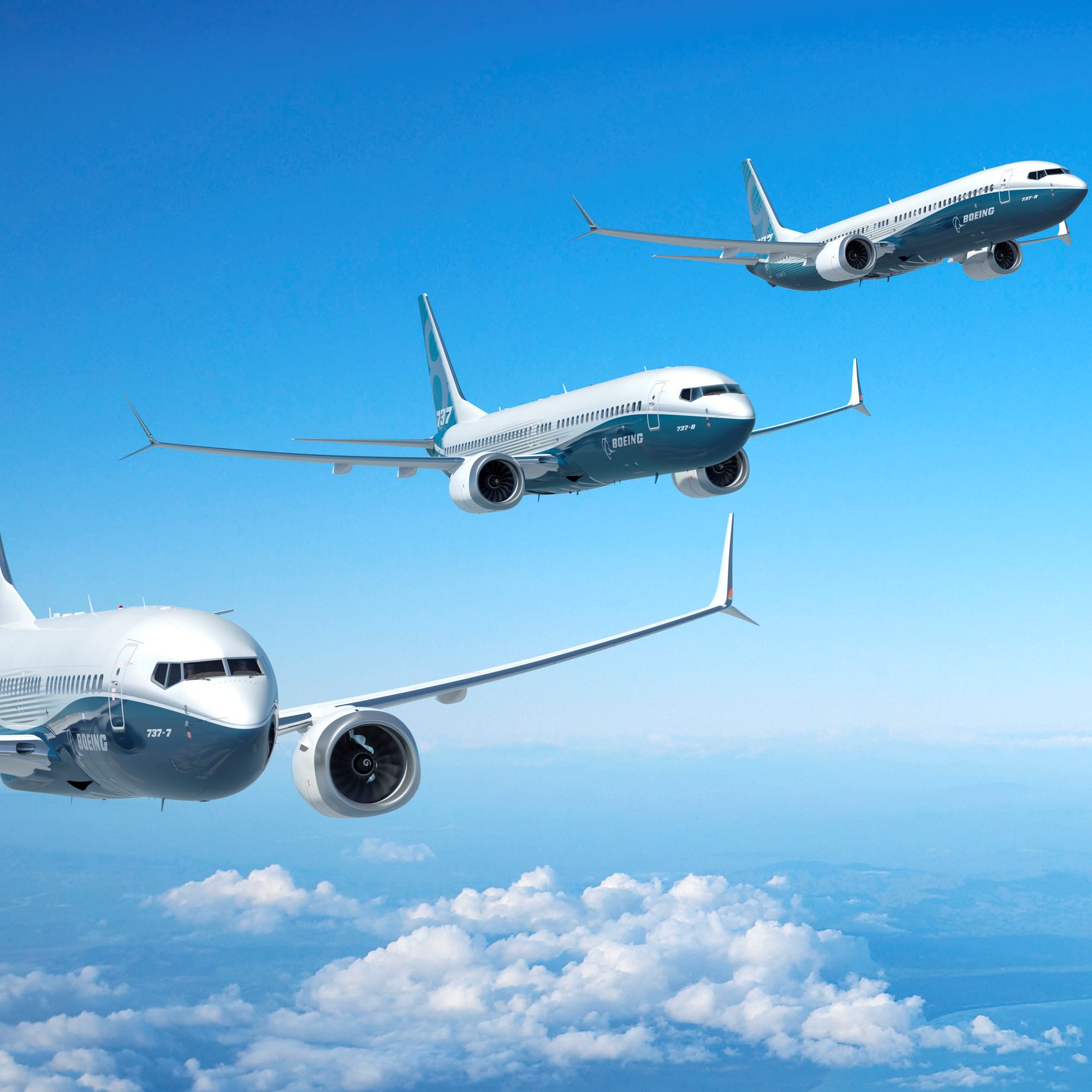
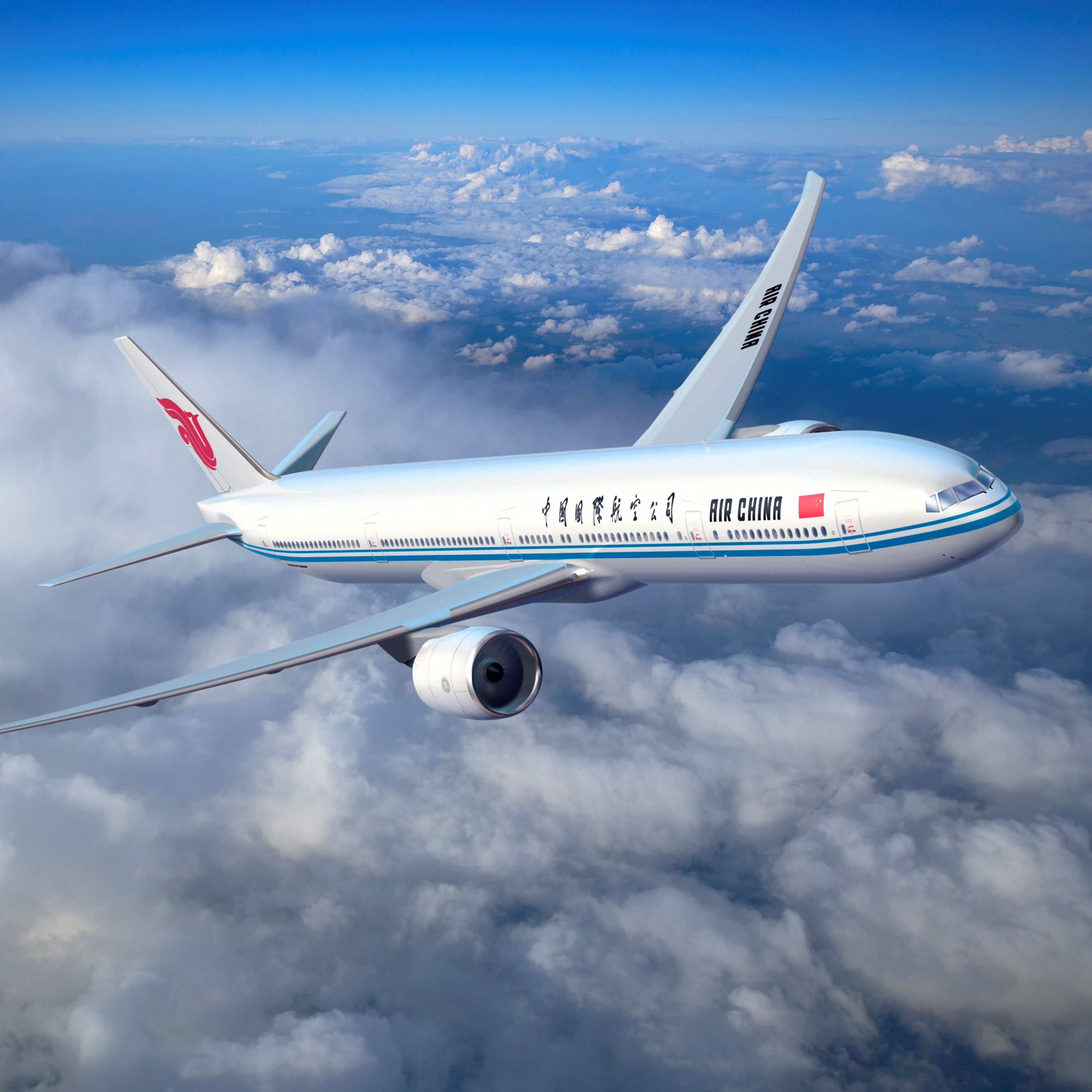
Boeing Co. (NYSE: BA) also has big plans for China. Chinese carriers purchased 164 planes from Boeing in 2016, about a quarter of Boeing’s total deliveries for the year and more than any other country. Whether or not the new airports and the planes needed to service the expanded routes are included in Boeing’s current order book is unclear, but the long-term plan for Chinese airport expansion almost certainly does not affect the company’s order book.
[nativounit]
In a press release from early February, the Civil Aviation Administration of China outlined six targets for development of the 13th five-year plan. Here’s the fifth:
The fifth target is to vigorously promote the development of general aviation by building more infrastructure, putting in place a standard system, continuously improving the operating environment and expanding service areas. There will be over 500 general airports and over 5 000 general aircraft, with the total flight hours reaching 2 million.
In its latest forecast for China, Boeing estimated demand to rise to $1 trillion for 6,810 new planes over the next 20 years. Arch-rival Airbus forecast demand for more than 5,300 new commercial aircraft for the same period.
To help capture its share of that demand, Boeing has agreed to build a final assembly plant in China to paint the planes and install seats and other cabin equipment for aircraft destined for the Chinese market. That plan has been opposed by Boeing’s unions, and it is not clear how President Trump’s push for more U.S. manufacturing jobs will square with Boeing’s plans.
Airbus already operates a final assembly plant in China, and the country is building its own single-aisle commercial jet, the Comac C919, both of which will compete with Boeing’s 737 for sales to airlines serving China’s smaller cities.
[wallst_email_signup]







 Top Gaining Stocks
 Top Losing Stocks