


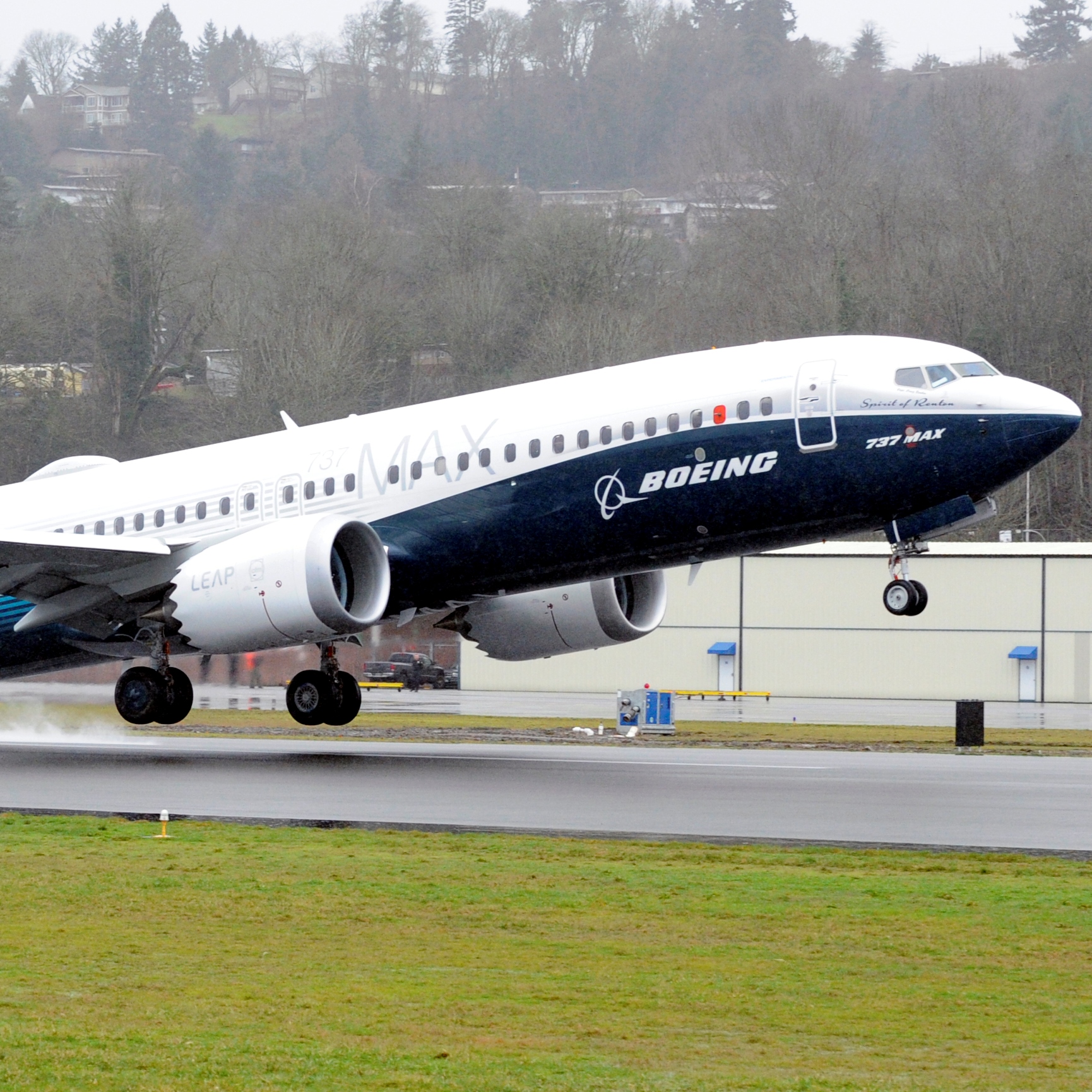
After a good week at the Dubai Air Show, Boeing Co. (NYSE: BA) announced on Sunday that it had finalized an order from aircraft lessor Avolon for 55 of the company’s 737 MAX 8s (737-8) and 20 737 MAX 10s (737-10). The original memorandum of understanding (MOU) was announced in June at the Paris Air Show and Sunday’s deal includes an option for an additional 20 737-8s.
At Boeing’s list prices for the new aircraft, the order with options is valued at nearly $11 billion. Boeing did not indicate when it would add the airplanes to its order book. As of Monday morning, the company’s order book shows unfilled orders for 20 737 MAX airplanes.
All of which leads up to an interesting point about how airplane makers like Boeing and Airbus count orders.
[nativounit]
There are basically four levels of commitment in the aircraft industry: a letter of intent (LOI); an MOU; an option; and a firm order.
An LOI is often worth about as much as the paper (or pixels) it’s written on — it basically announces that the buyer and seller are talking. An MOU outlines the number of aircraft and an agreed price, but both of these can change. The Avolon order Boeing announced on Sunday originally included options for 50 additional planes, not the 20 in the firm order.
The option step generally means that the maker and the buyer have agreed on when the order will reach the assembly line. The buyer may pay a relatively small (5% to 10%) refundable deposit at this point because these options can still be changed and often are. The firm order guarantees a spot in the production line and a firm delivery date for the buyer in exchange for a second payment for the maker. The balance of the final price is paid on delivery.
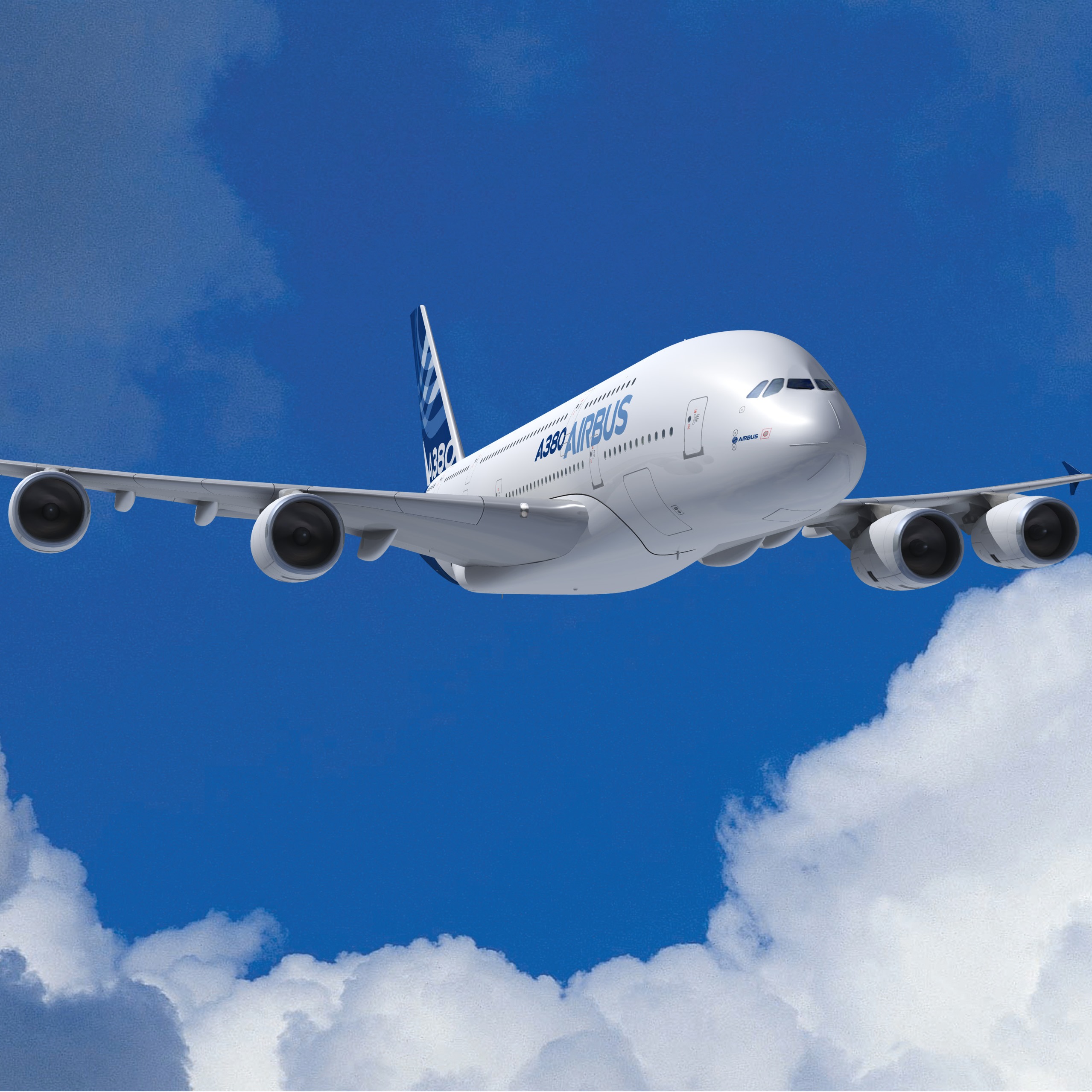
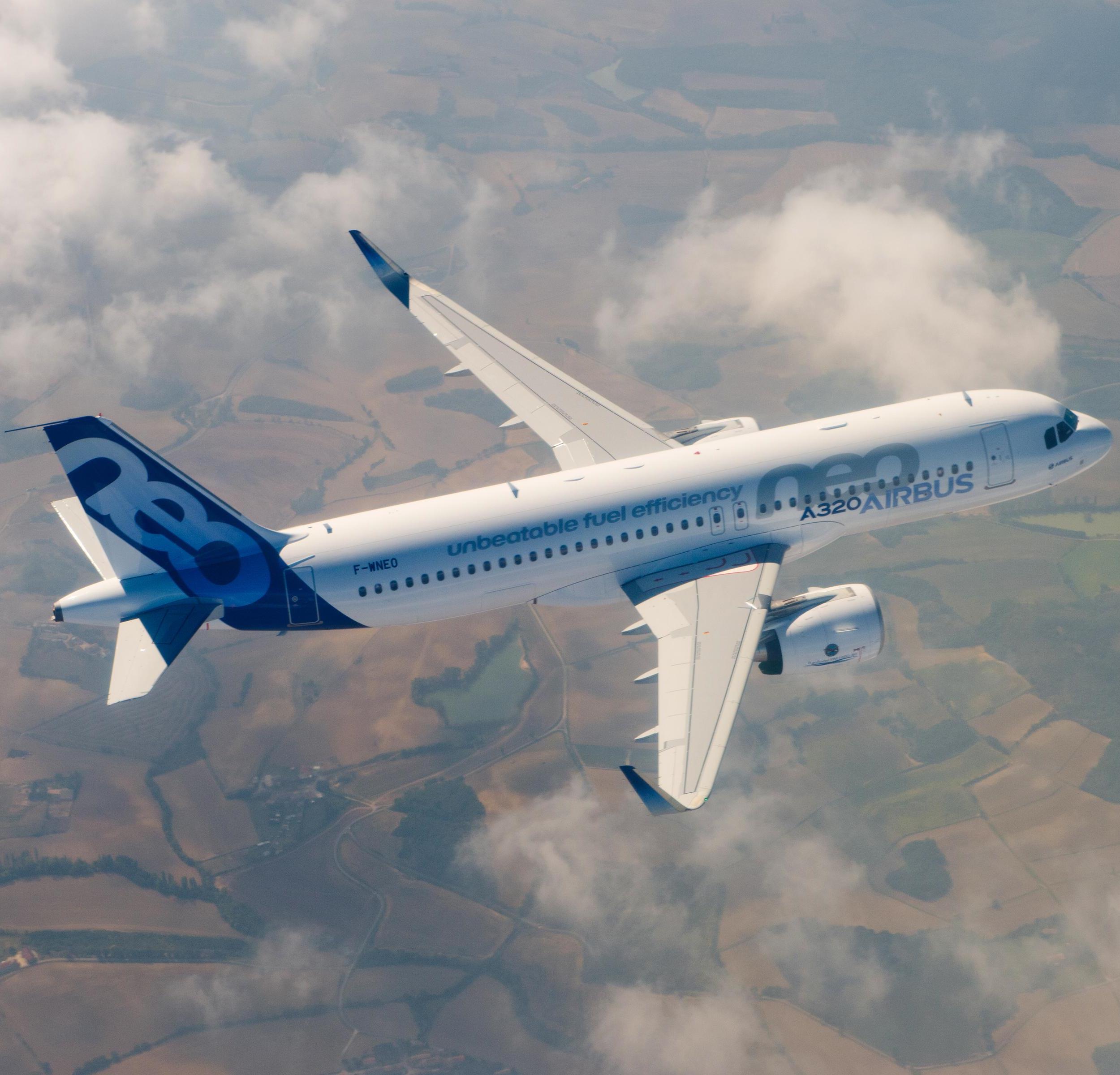
The final price an airline pays is typically 30% to 50% less than the list price. Boeing lists the value of its backlog at the contract price, not the list price. Airbus values its backlog at the list price. However, a change to international accounting rules will force the company in January to value its backlog at the minimum revenue it expects to recognize on its sales. The trillion dollar Airbus backlog will get something amounting to a 50% haircut, bringing it more into line with the Boeing total.
Boeing shares closed down about 0.6% on Friday at $262.26 and are inactive in Monday’s premarket trading. The 52-week range is $144.46 to $267.62. Boeing is the best performer among the 30 stocks that comprise the Dow Jones Industrial Average and has posted a year-to-date gain of 68.5%.
[recirclink id=424600]
[wallst_email_signup]








 Top Gaining Stocks
 Top Losing Stocks