


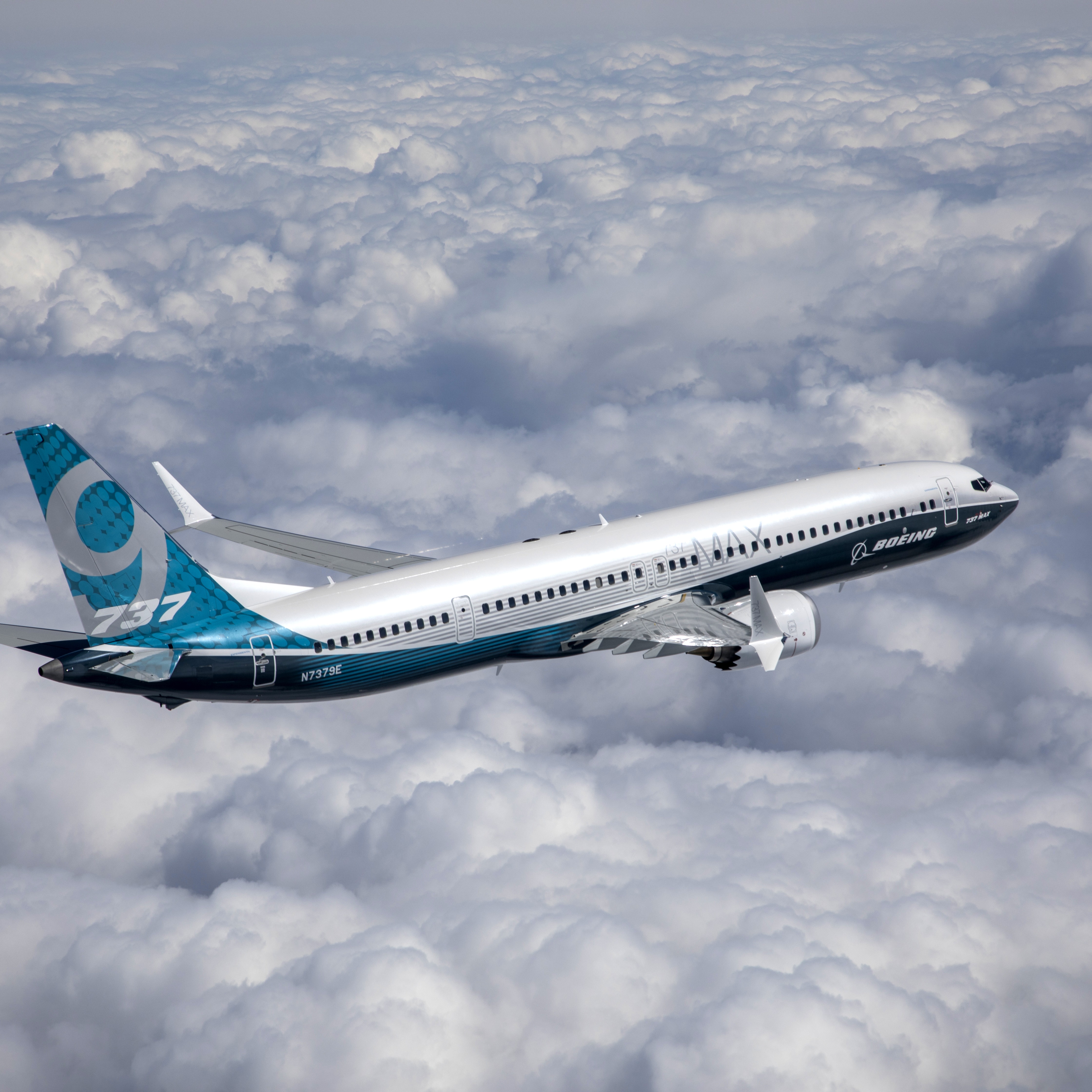
When the U.S. president announced Tuesday that he was pulling the country out of the six-nation agreement with Iran that resulted in the lifting of trade sanctions against that country in exchange for a temporary stop to Iran’s nuclear weapons development, the world’s two largest aircraft companies were staring at lost orders worth about $20 billion each.
Both Boeing Co. (NYSE: BA) and Airbus announced in late 2016 large orders from Iran Air, the country’s national airline. Airbus signed a deal for 100 new planes and Boeing made a deal for 80 new planes. According to U.S. Treasury Secretary Steven Mnuchin, export licenses for those two orders will be revoked.
Losing a $20 billion order would normally flatten a company’s share price when the word got out. But neither Boeing nor Airbus is experiencing much impact from the announced loss.
The lack of a share price reaction is entirely due to the huge backlog of single-aisle planes — Boeing 737s and Airbus A320s — that will keep the companies’ assembly lines busy for at least four or five more years regardless of the loss of a few orders.
[nativounit]
And that’s what this amounts to: the loss of 80 orders winnows Boeing’s backlog of around 4,600 new 737s to around 4,520. At a planned production rate of 57 a month beginning next year, the lower backlog will last about six and a half years. Boeing is even considering boosting production to as much as 70 planes a month in 2020 or so.
The Airbus backlog for new single-aisle jets was around 6,100 at the end of April. Beginning next year, the company plans to boost monthly production of these planes to 63 a month. That’s eight years worth of assembly line work.
Both Boeing and Airbus are reportedly considering boosting production to 70 single-aisle planes a month, but that is a challenging number for many parts suppliers.
As Teal Group aviation analyst Richard Aboulafia commented to CNBC, “Would have been nice to get [these orders] but [the loss] is far from a major impact.”
Boeing shares traded up about 0.5% early Wednesday, at $340.07 in a 52-week range of $175.47 to $371.60. The stock’s 12-month price target is $387.29.
In Paris, Airbus shares traded down about 0.9% to €99.30, in a 52-week range of €68.42 to €200.42. The 12-month price target on the stock is €108.22.
[recirclink id=461551]
[wallst_email_signup]






 Top Gaining Stocks
 Top Losing Stocks