How Long Until Jets Are Powered by Electric Engines?

Photo of Douglas A. McIntyre
By Douglas A. McIntyre Updated Published
This post may contain links from our sponsors and affiliates, and Flywheel Publishing may receive compensation for actions taken through them.
How Long Until Jets Are Powered by Electric Engines?

© jax10289 / Getty Images

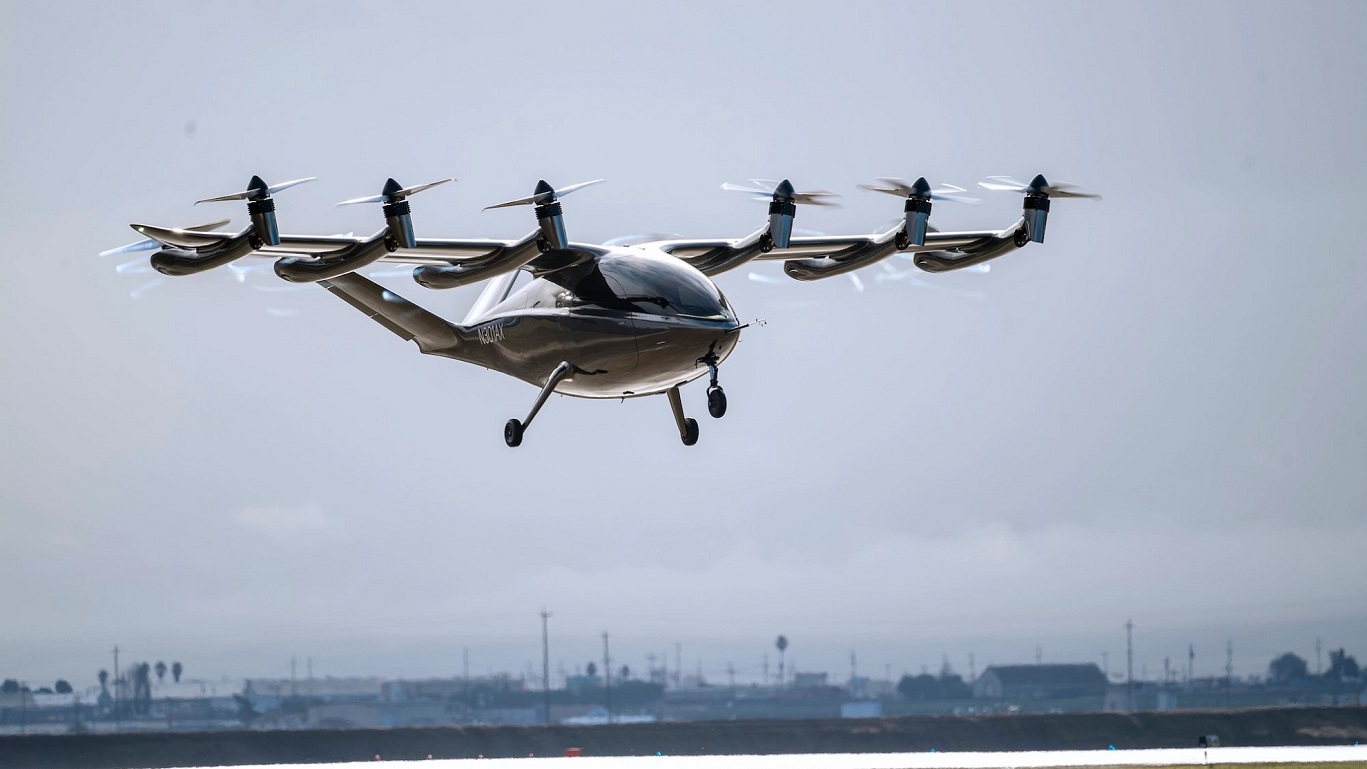
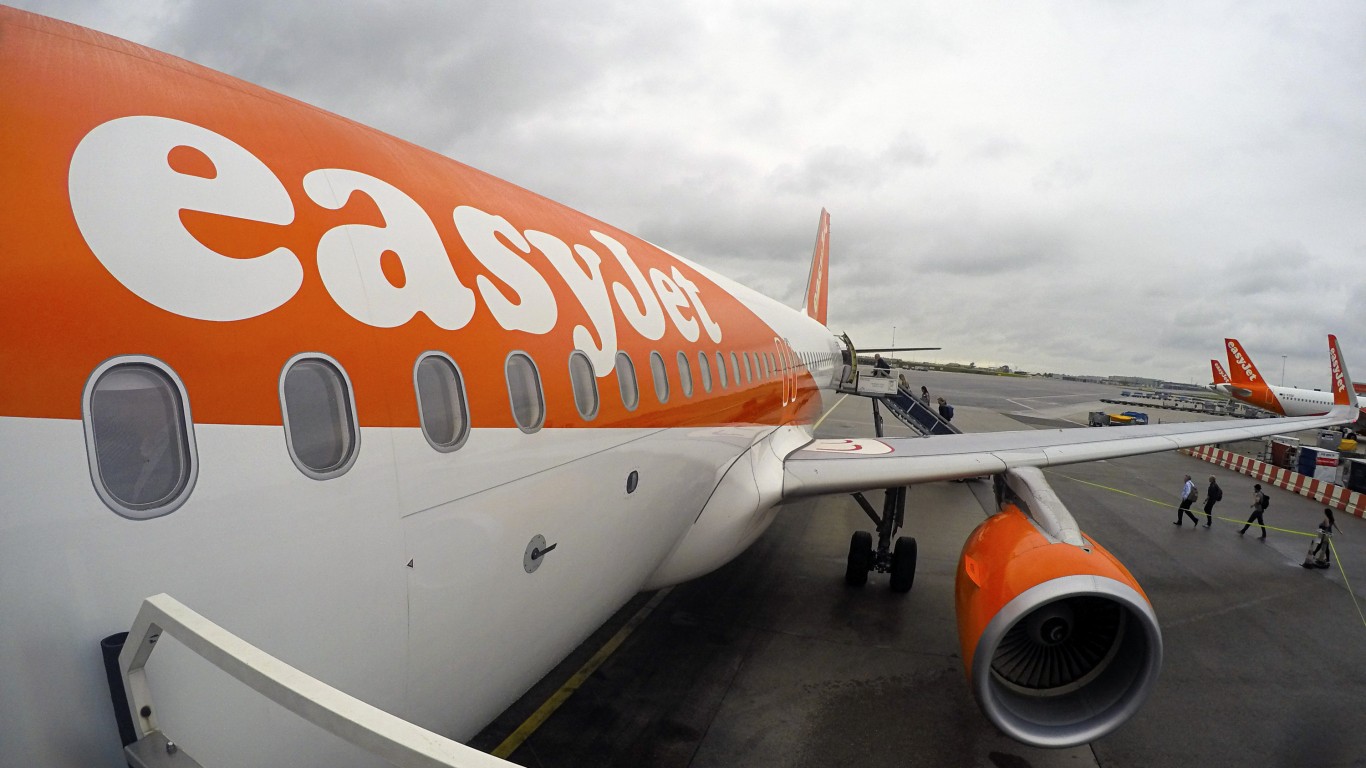
British airline EasyJet wants to reduce its carbon footprint. It says one way is to use electric engines. The plan may sound implausible, but it may happen not terribly far in the future.

According to the International Council on Clean Transportation, commercial aviation makes up 2.4% of global CO2 emissions from fossil fuel engines each year. The figure is for 2018 and is up 32% in the past five years. Predictions say that will worsen. As is true with cars, only electric engines can decrease this figure radically.

Airbus (one of the two largest commercial aircraft makers in the world), Rolls-Royce (which makes jet engines) and Siemens (among the world’s largest conglomerates) believe they can test an electric jet engine as early as next year. If they reach this goal, their managements believe, the engines could go into commercial operation by 2025. Airbus has jumped ahead of Boeing in sales and recently sold 300 planes to India’s IndiGo Airlines.

The engine project of the three companies is called E-Fan X. If it works, Airbus management says, it will be “a giant leap towards achieving zero-emission flight over the next 20 years.” It may become one of the ways that technology has changed the world in the past couple of decades.

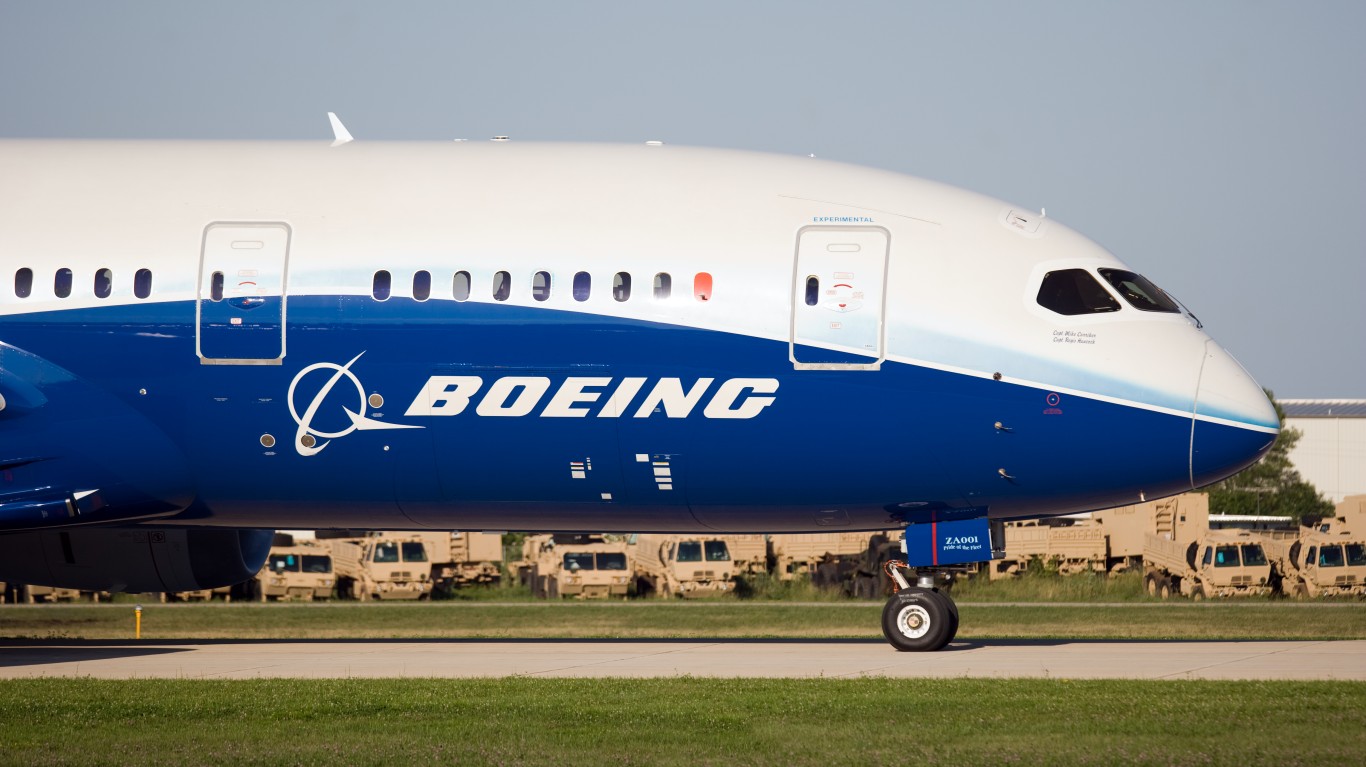
The primary question about the goal is whether it is reasonable, since it would be a huge change in the way jet engines work. One hopeful sign is the rise in technology and sales of electric cars. However, a Tesla S weighs 5,000 pounds and has a range of between 250 and 300 miles, but a Boeing 777 weighs 150 tons and can travel over 9,000 miles. The stretch from electric engines for cars to those for large aircraft is nearly unimaginable. However, the jump from propeller engines to jets was hard to imagine before that changeover.

[nativounit]

If electric jet engines work, air travelers could be flying on commercial aircraft powered by them by 2040. In the history of commercial air travel, that is not far off. And it would substantially change the air pollution created from those engines used today.

[recirclink id=595278]
[wallst_email_signup]

Photo of Douglas A. McIntyre
About the Author Douglas A. McIntyre →

Douglas A. McIntyre is the co-founder, chief executive officer and editor in chief of 24/7 Wall St. and 24/7 Tempo. He has held these jobs since 2006.

McIntyre has written thousands of articles for 24/7 Wall St. He is an expert on corporate finance, the automotive industry, media companies and international finance. He has edited articles on national demographics, sports, personal income and travel.

His work has been quoted or mentioned in The New York Times, The Wall Street Journal, Los Angeles Times, The Washington Post, NBC News, Time, The New Yorker, HuffPost USA Today, Business Insider, Yahoo, AOL, MarketWatch, The Atlantic, Bloomberg, New York Post, Chicago Tribune, Forbes, The Guardian and many other major publications. McIntyre has been a guest on CNBC, the BBC and television and radio stations across the country.

A magna cum laude graduate of Harvard College, McIntyre also was president of The Harvard Advocate. Founded in 1866, the Advocate is the oldest college publication in the United States.

TheStreet.com, Comps.com and Edgar Online are some of the public companies for which McIntyre served on the board of directors. He was a Vicinity Corporation board member when the company was sold to Microsoft in 2002. He served on the audit committees of some of these companies.

McIntyre has been the CEO of FutureSource, a provider of trading terminals and news to commodities and futures traders. He was president of Switchboard, the online phone directory company. He served as chairman and CEO of On2 Technologies, the video compression company that provided video compression software for Adobe’s Flash. Google bought On2 in 2009.

Featured Reads

Our top personal finance-related articles today. Your wallet will thank you later.

Continue Reading

Top Gaining Stocks

CBOE Vol: 1,568,143
PSKY Vol: 12,285,993
STX Vol: 7,378,346
ORCL Vol: 26,317,675
DDOG Vol: 6,247,779

Top Losing Stocks

LKQ
LKQ Vol: 4,367,433
CLX Vol: 13,260,523
SYK Vol: 4,519,455
MHK Vol: 1,859,865
AMGN Vol: 3,818,618