


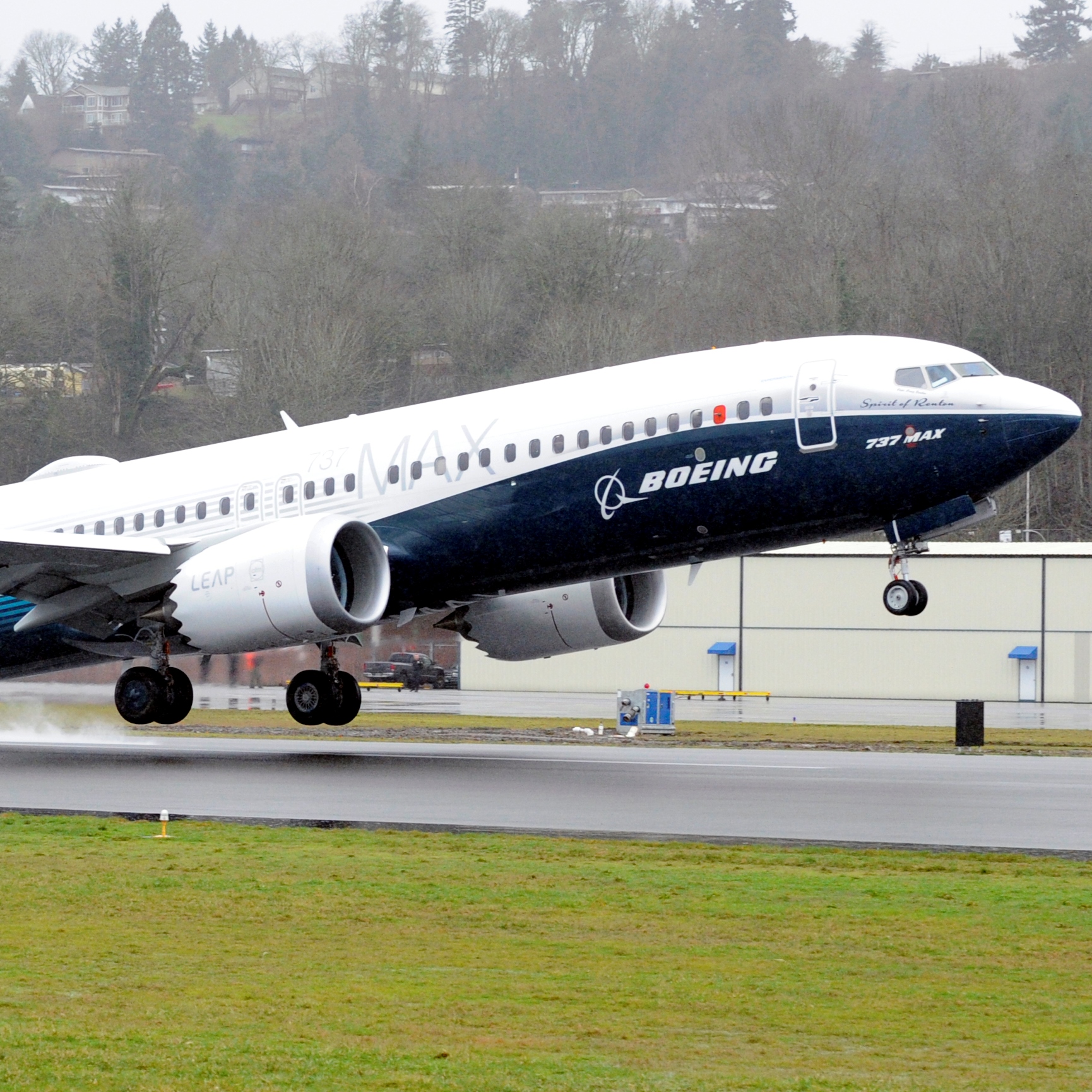
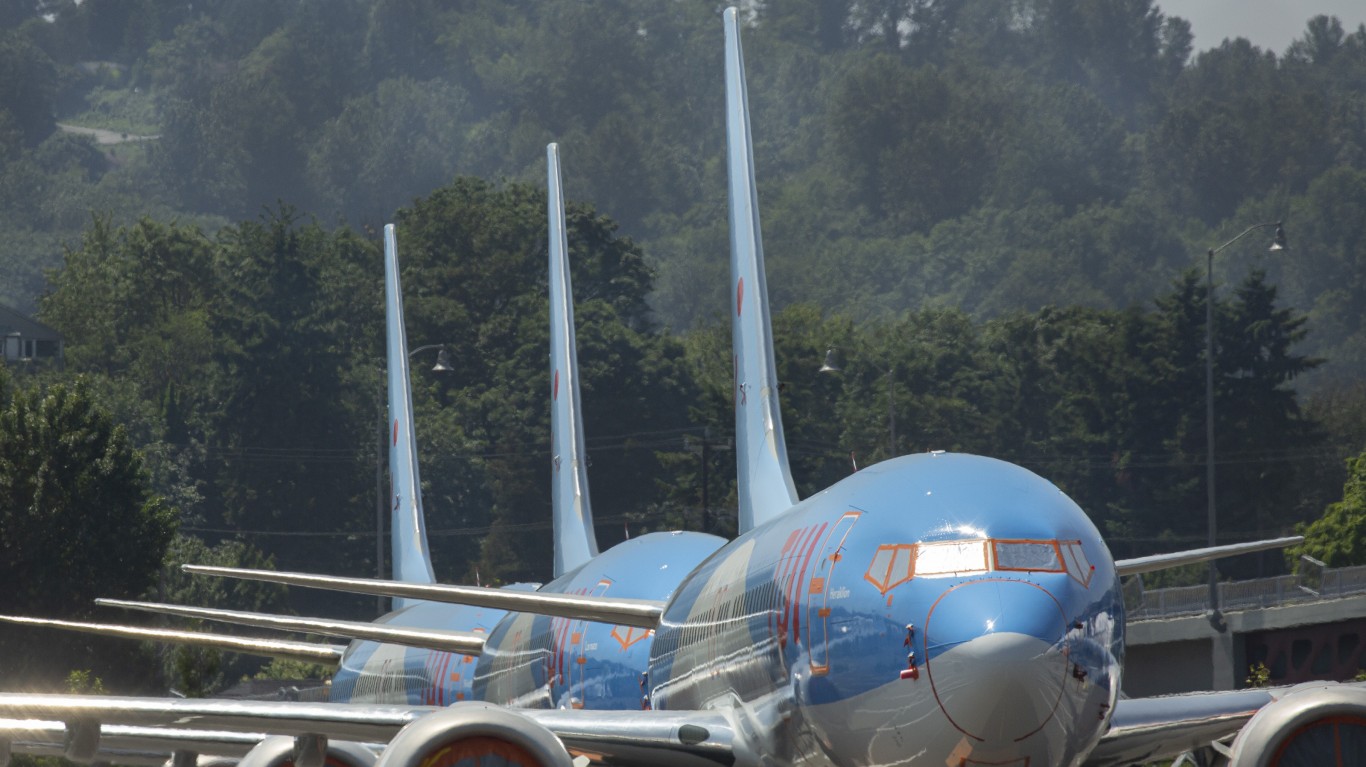
In a statement late Tuesday, Boeing Co. (NYSE: BA | BA Price Prediction) revised yet again its estimate of when the grounded 737 Max aircraft will receive regulatory approval to fly again. The company now says it believes the “ungrounding of the 737 Max will begin during mid-2020,” some two to three months longer than prior consensus estimate of early in the second quarter of 2020. No 737 Max has flown since a commercial flight since mid-March of 2019.
Boeing’s stock dropped 3.3% to $313.27 on Tuesday, as shares hit a 52-week low of $305.75 on the news. Analysts were quick to react as well.
Vertical Research downgraded Boeing from Buy to Hold and lowered its price target from $388 all the way down to $294, while predicting a disastrous quarterly earnings report.
Credit Suisse slashed its estimates and revisited its investment thesis, cutting its cumulative 2020 to 2022 free cash flow estimate by 23% from $48.3 billion to $37.2 billion, a 23% reduction. The analysts also cut their price target on the stock from $324 to $321 and, more worryingly, pushed out its assumption of a 737 Max return to service to August.
According to a report at Leeham News and Analysis, the delayed timing of the 737 Max’s return to service did not go down well. See Leeham’s coverage for more detail.
[nativounit]
Analysts at Bernstein Research stated the company’s problem quite succinctly and baldly: “Boeing’s projections have lost credibility.” The analysts go further: “Does the announcement stem from a new issue with new uncertainty (i.e. could go longer) or is Boeing’s new leadership taking a cautious approach to the MAX outlook (i.e. could well come sooner)?”
Canaccord Genuity highlighted the effect on Boeing’s suppliers: “[Boeing] is also cognizant of the supply chain stress the production pause is creating, so it will also look to balance this concern as well. The bottom line, however, is that this further delay on the MAX [return to service] adds increased risk to the supply chain and further raises questions on the timing of the production increase and eventual production levels.”
Before the grounding, Boeing had planned to raise 737 production from 42 a month to 57 by later this year. With production now halted altogether, getting back even to 42 could present unexpected problems.
Cowen analysts zeroed in on Boeing’s fourth-quarter earnings report, due next week. Noting that a mid-March return to service would have cost Boeing about $6 billion in cash reserves, the analysts said, “[t]his number now looks low, and the entire increment will be taken as a charge against Q4 earnings but with likely little impact on Q4 cash flow.”
As already discussed, Credit Suisse maintained its Neutral rating on the stock and trimmed its price target. The firm also noted: “The competitiveness of [Boeing’s commercial] product portfolio vis-à-vis Airbus—[is] a position of weakness that if not resolved impairs the long-term investment story, and if it is resolved impairs the short-medium term investment story (entering a cash heavy investment cycle).”
JPMorgan took a closer look at Boeing’s need to borrow more: “Our model has Boeing borrowing $9 [billion] this year. We assume that the 737 MAX outlook Boeing contemplated in today’s release is consistent with what it has been discussing with potential lenders. Once MAX deliveries bring [free cash flow] back to positive—potentially later this year—we expect Boeing’s capital deployment priority to be de-leveraging through at least 2022.”
Analysts at Jefferies cut their price target from $420 to $390.
[recirclink id=637284]
The 737 Max is virtually certain to fly again. Nearly as certain is that it will cost Boeing tens of billions. If it can repair its damaged image as a scofflaw, the cash problem will take care of itself. If Boeing can’t repair that damage, cash flow and free cash flow that have fed investors’ wallets for years may not dry up but the stream certainly will be narrower and shallower.
Boeing stock traded down about 0.8% at $310.72 early Wednesday morning, in a 52-week range of $305.75 to $446.01. The consensus price target is $352.20, but that is likely to come down before the end of the week. Boeing is scheduled to report fourth-quarter results next Wednesday.
[wallst_email_signup]










 Top Gaining Stocks
 Top Losing Stocks