


24/7 Wall St. Insights:
- The F/A-18 Hornet is the most widely flown fighter jet by the Marine Corps
- It was developed by McDonnell Douglas and Northrop, and introduced in the early 1980s
- The Marine Corps has not upgraded to Super Hornets because of operational needs and cost
- Also: Discover the next Nvidia
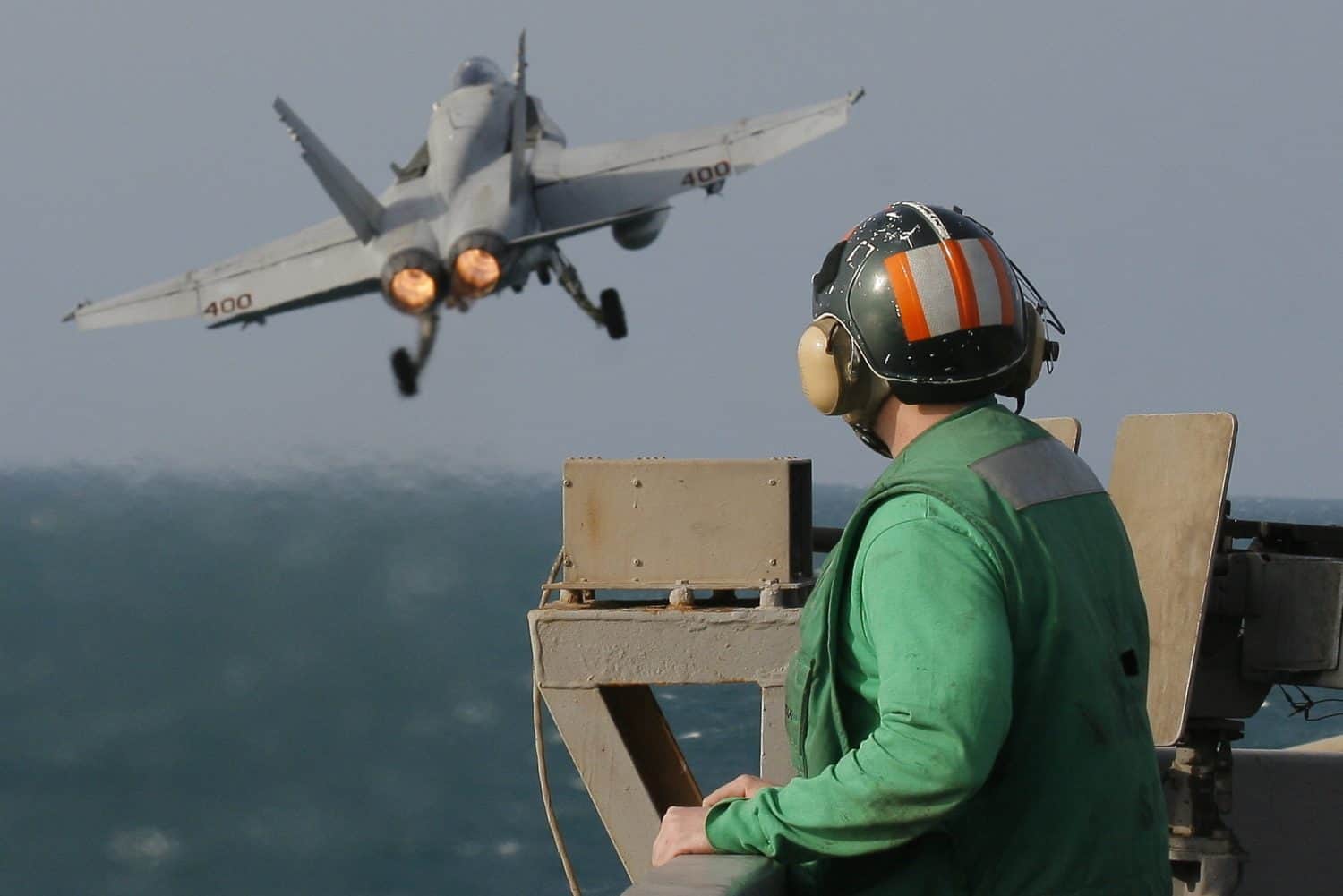
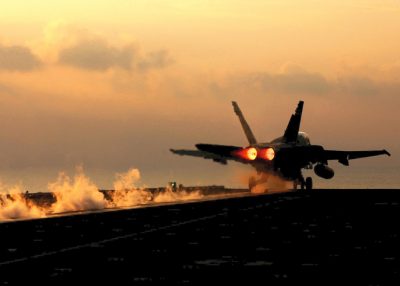
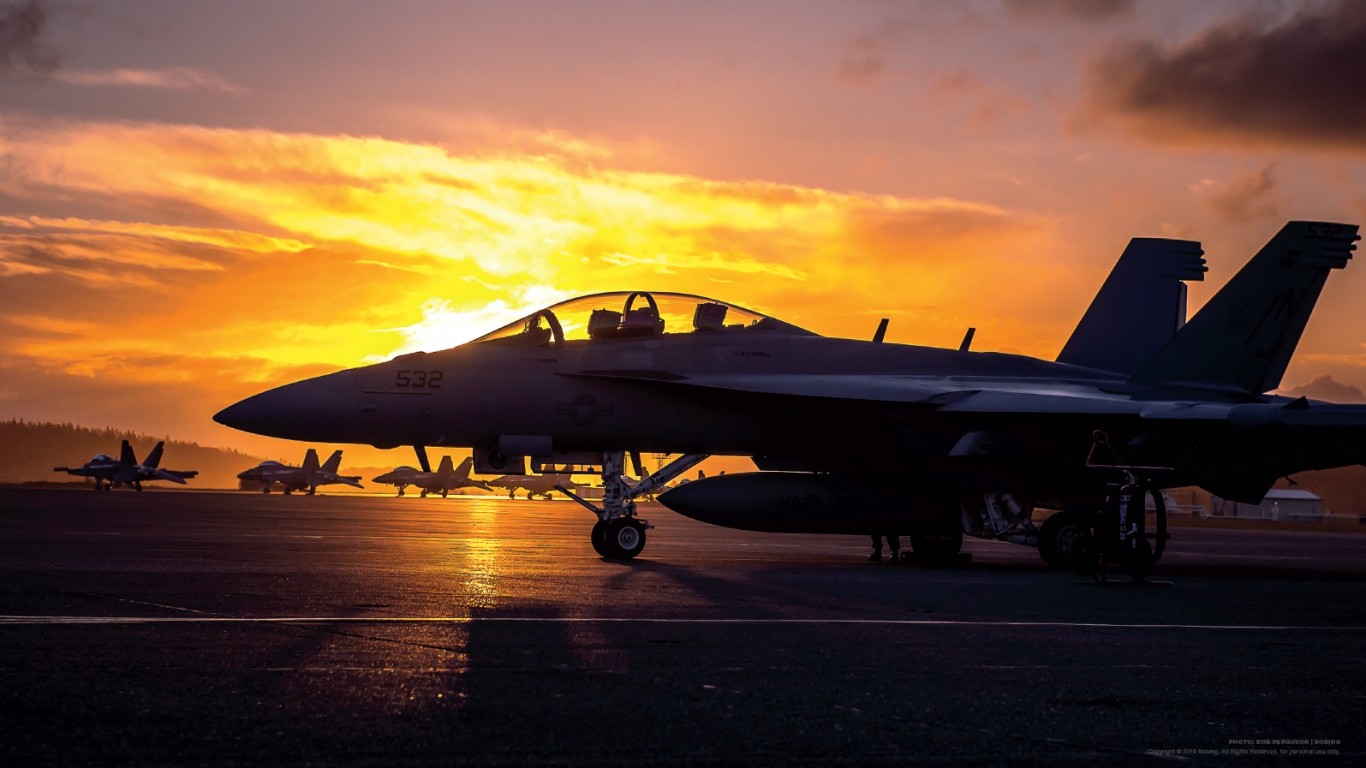
The F/A-18 Hornet is a cornerstone of U.S. Marine Corps aviation. It is by far the most widely flown fighter jet in the Corps. The F/A-18 was adopted by the Corps for a number of reasons, but ultimately, when called upon, it gets the job done.
Developed by McDonnell Douglas and Northrop and introduced in the early 1980s, the Hornet was designed for both air-to-air and air-to-ground missions. It can hit top speeds around 1,200 mph and carry over 17,000 pounds various bombs, missiles, and other ordnance. What makes it incredibly versatile is the fact that it can operate from both aircraft carriers and land bases, making it ideal for Marine Corps operations. (These are the most iconic aircraft built by Boeing.)
One thing worth noting is that the Marine Corps is sticking with the older F/A-18 Hornet instead of transitioning to the newer F/A-18E/F Super Hornet used by the Navy. Operational needs are one of the main reasons behind this, but cost is a factor as well. (This fighter jet makes almost half of the Navy’s aircraft.)
While the Super Hornet is larger and has an extended range, it is better suited for Navy carrier operations. On the other hand, the original F/A-18 Hornet is lighter, more maneuverable, and matches up with the Marine Corps’ focus on rapid deployment and supporting ground forces.
24/7 Wall St. is taking a closer look at the combat aircraft of the Marine Corps. To identify every combat aircraft currently in service of the U.S. Marine Corps, 24/7 Wall St. reviewed data from the 2024 World Air Forces report from FlightGlobal, an aviation and aerospace industry website, and ranked the aircraft by active units. Additionally, we’ve included supplemental information on the type of aircraft, top speed, and armament.
Here is a look at every combat aircraft currently in the U.S. Marine Corps:
Why Are We Covering This?
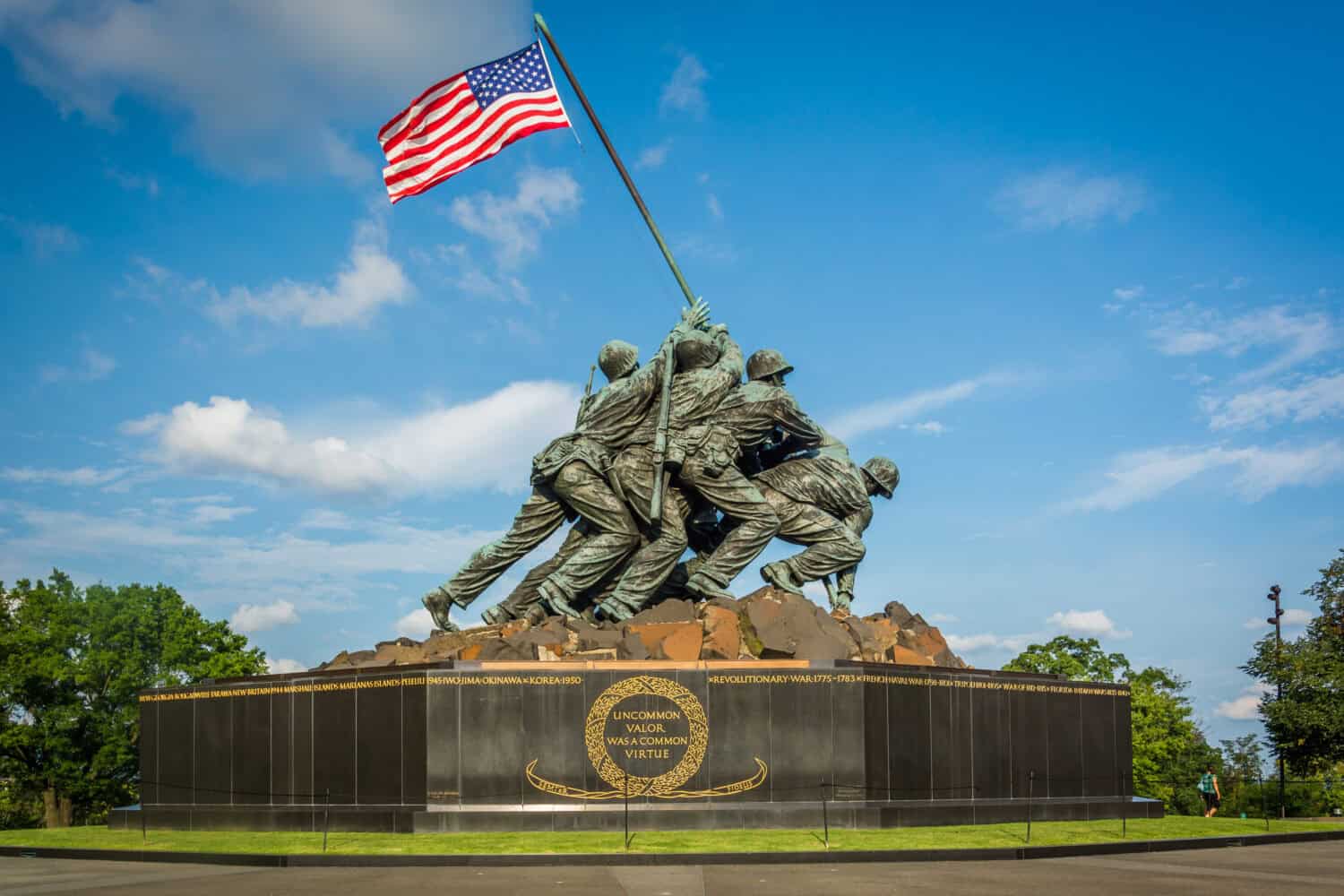
On average, the U.S. spends $400 billion a year on the operation and support of its military units. In 2024, $5.7 billion was budgeted to the Marines Corps for aviation readiness. Overall, the Department of Defense has $2.02 trillion in budgetary resources which is 14.6% of the federal budget for 2024.
10. T-34 Mentor
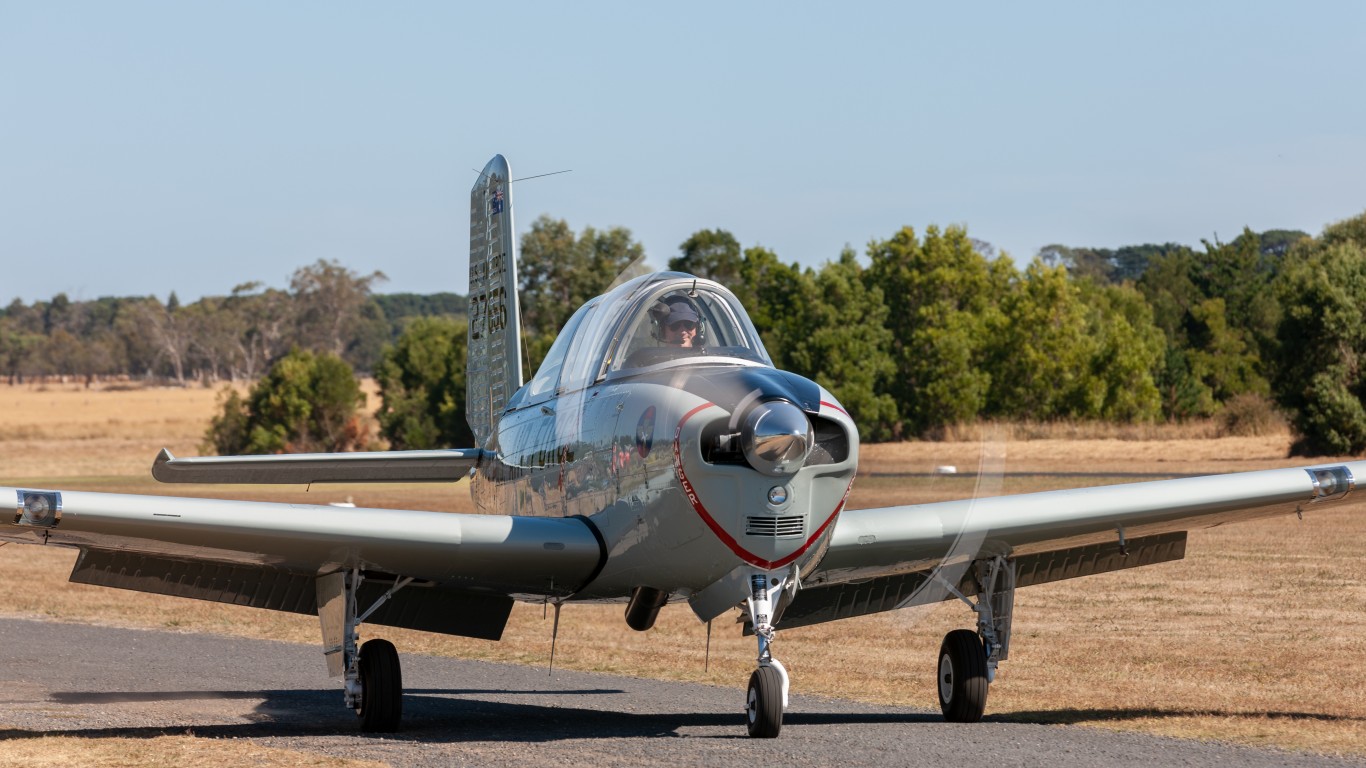
- Type: Basic trainer / light attack aircraft
- Year introduced: 1953
- Active aircraft: 2
- Top speed: 322 mph
- Armament: 1,200 lbs of drop ordnance
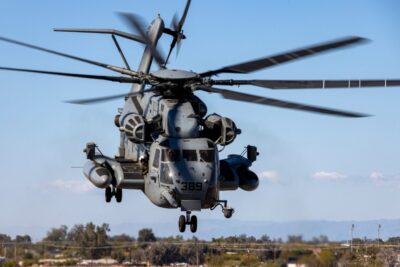
9. CH-53K King Stallion
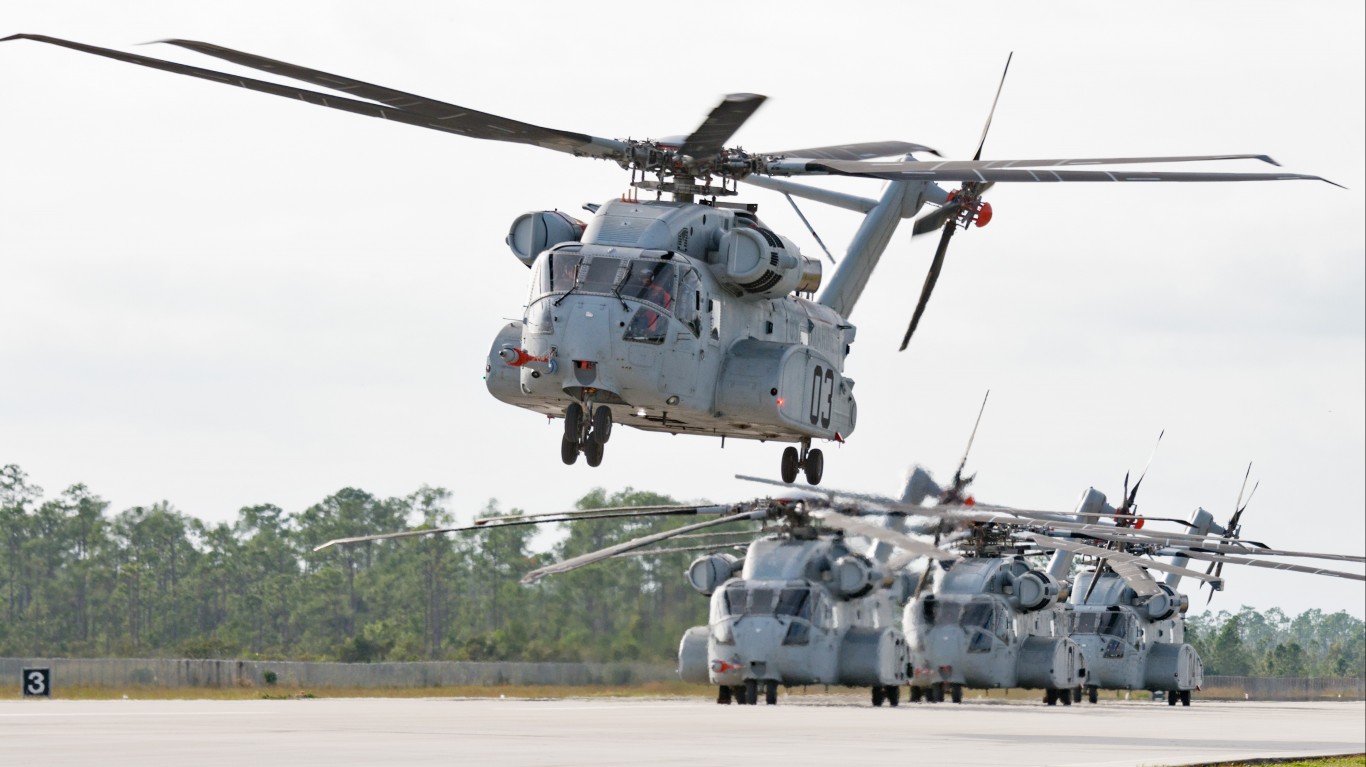
- Type: Heavy-lift transport helicopter
- Year introduced: 2018
- Active aircraft: 11
- Top speed: 196 mph
- Armament: 12.7mm heavy machine guns, 12.7mm GAU-21 miniguns
8. F-5 Freedom Fighter
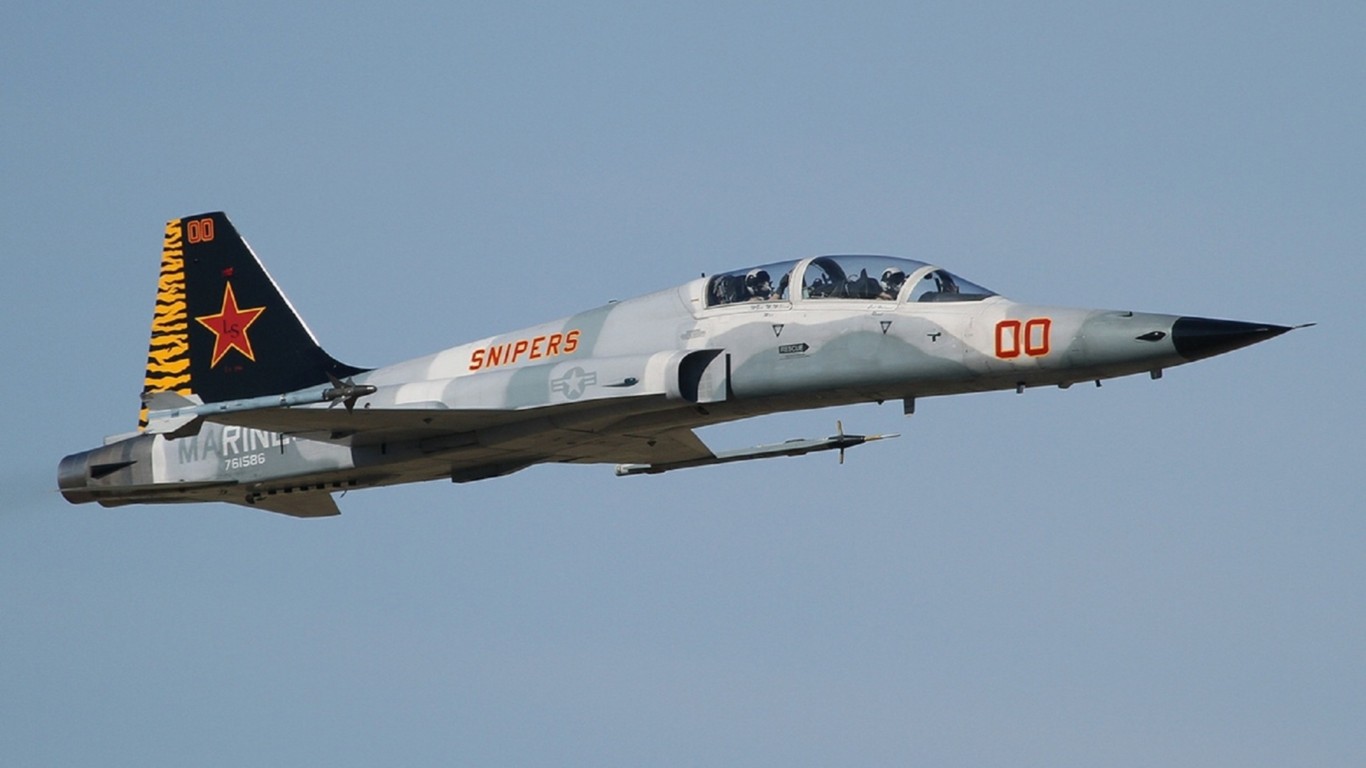
- Type: Lightweight multirole aircraft
- Year introduced: 1962
- Active aircraft: 12
- Top speed: 1077 mph
- Armament: 20mm M39A2 automatic cannon, Sidewinder missiles, Maverick missiles, rocket pods, drop bombs, cluster bombs, nuclear drop bombs
7. AV-8B+ Harrier II
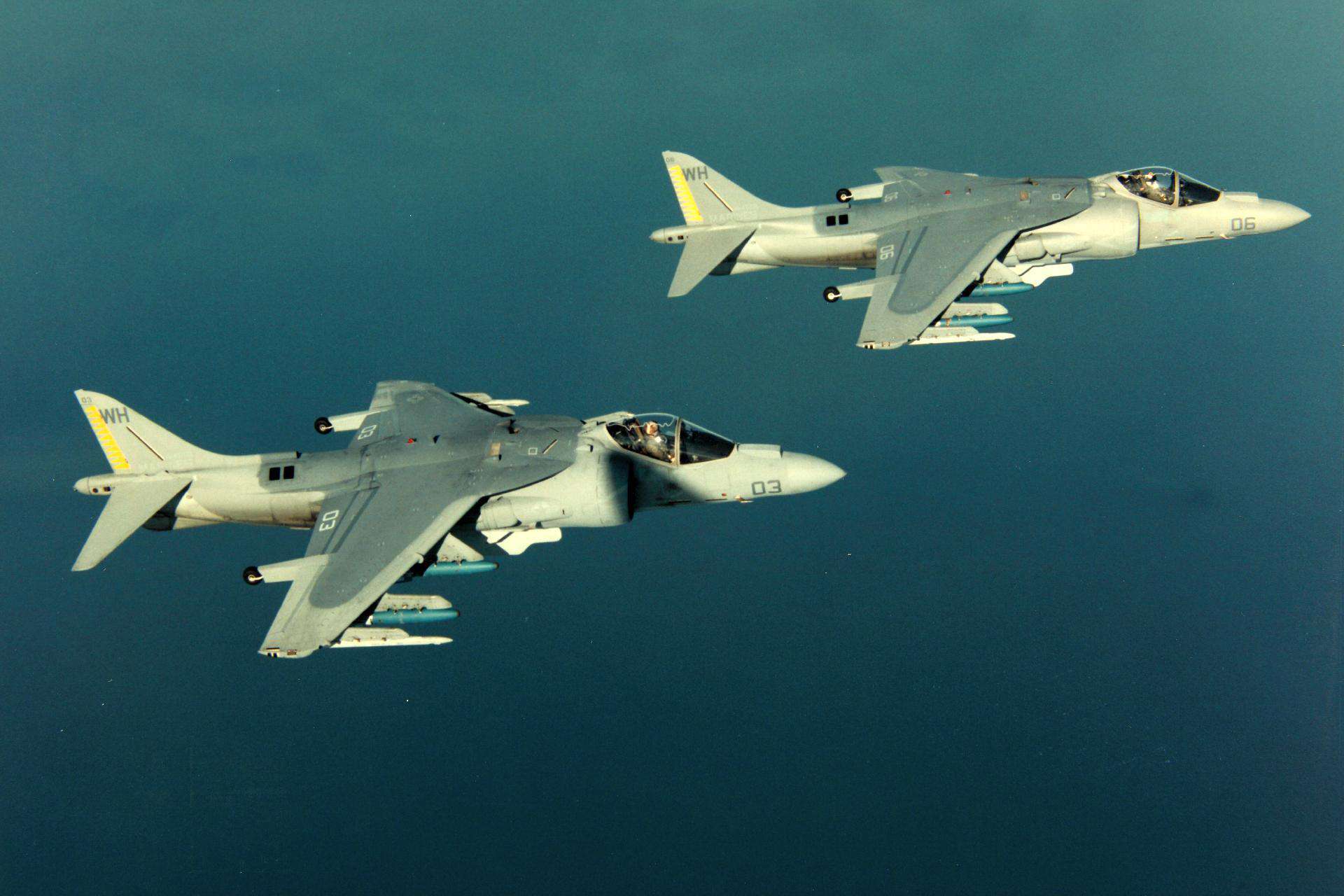
- Type: Short take-off and vertical landing strike aircraft
- Year introduced: 1985
- Active aircraft: 99
- Top speed: 665 mph
- Armament: 30mm ADEN cannons, drop bombs, laser-guided bombs, Maverick missiles, Harpoon missiles, cluster munitions, Sidewinder missiles, AMRAAM missiles, joint direct attack munitions
6. UH-1Y Venom

- Type: Medium-lift utility / transport helicopter
- Year introduced: 2009
- Active aircraft: 127
- Top speed: 190 mph
- Armament: 7.62mm machine guns, 12.7mm GAU-16/A gatling guns, hydra rocket pods
5. CH-53E Super Stallion
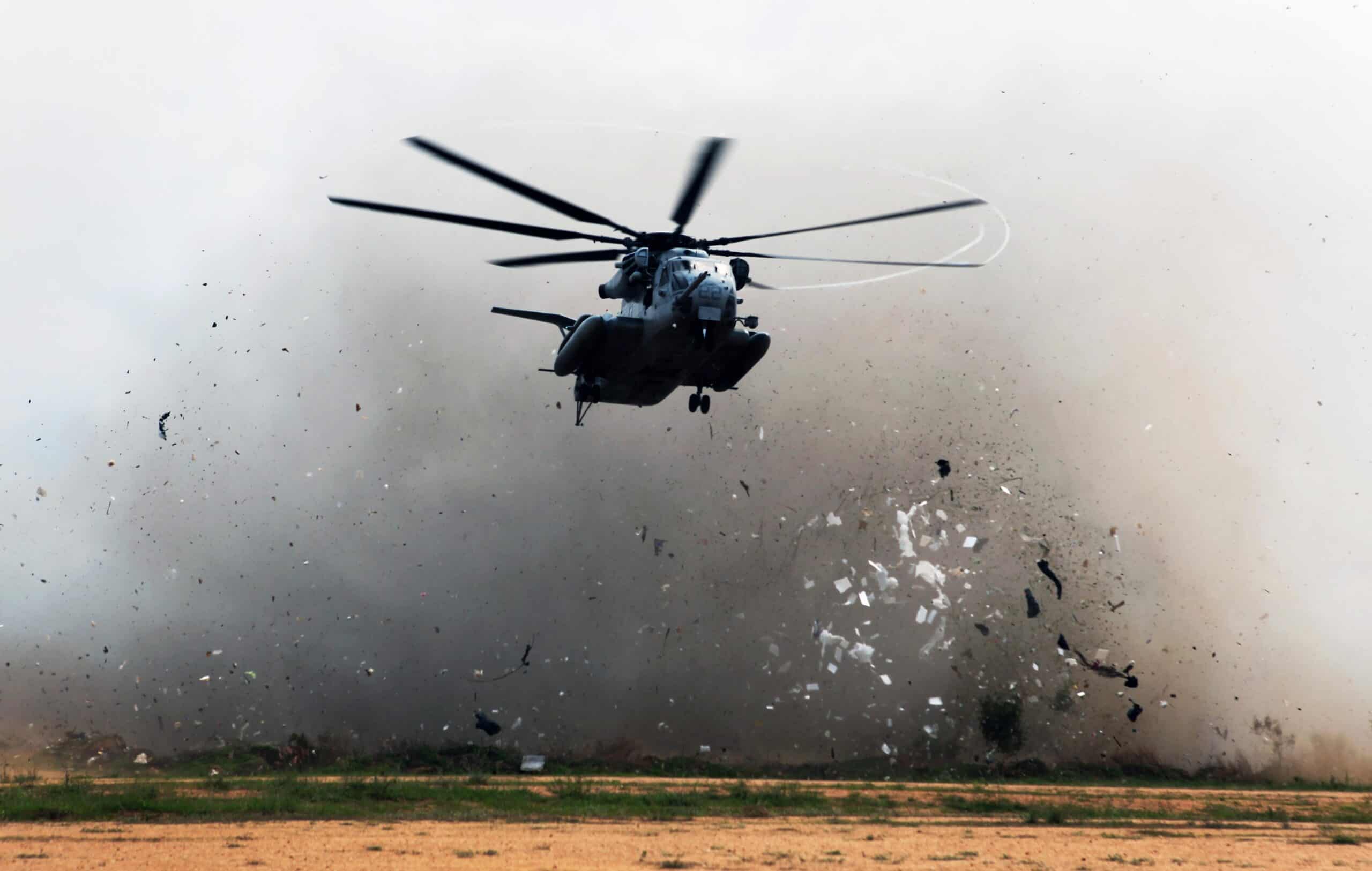
- Type: Super heavy-lift transport helicopter
- Year introduced: 1981
- Active aircraft: 135
- Top speed: 196 mph
- Armament: 12.7mm heavy machine guns, 12.7mm GAU-21 miniguns
4. F-35 Lightning II
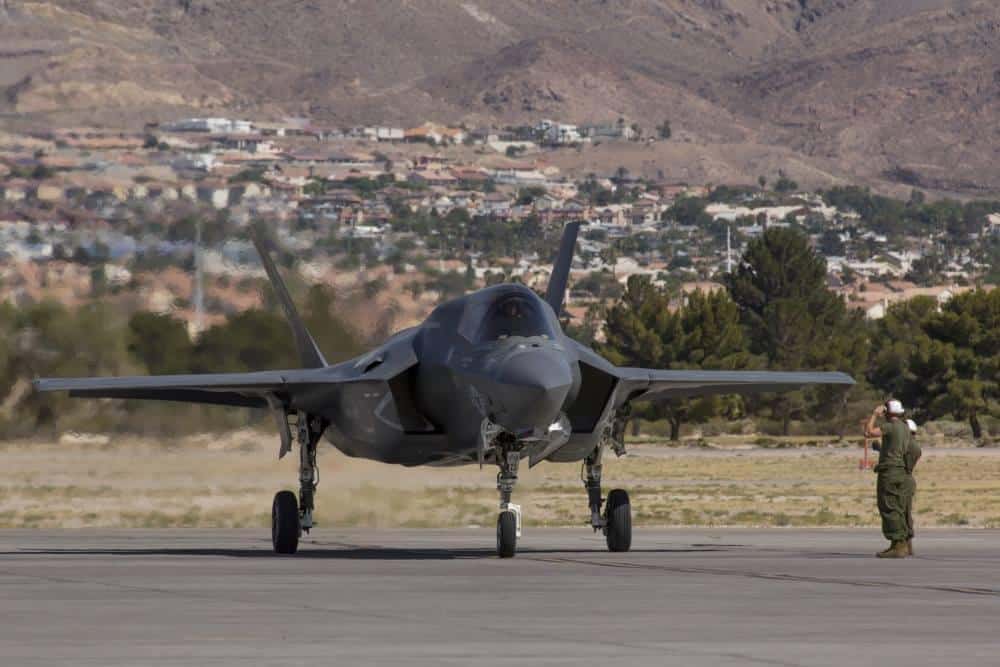
- Type: Multirole fifth generation strike fighter aircraft
- Year introduced: 2016
- Active aircraft: 145
- Top speed: 1,199 mph
- Armament: 25mm GAU-12/U cannon in external pod, Sidewinder missiles, Paveway guided bombs, Rockeye II bombs, Brimstone missiles, Storm Shadow missiles, drop bombs
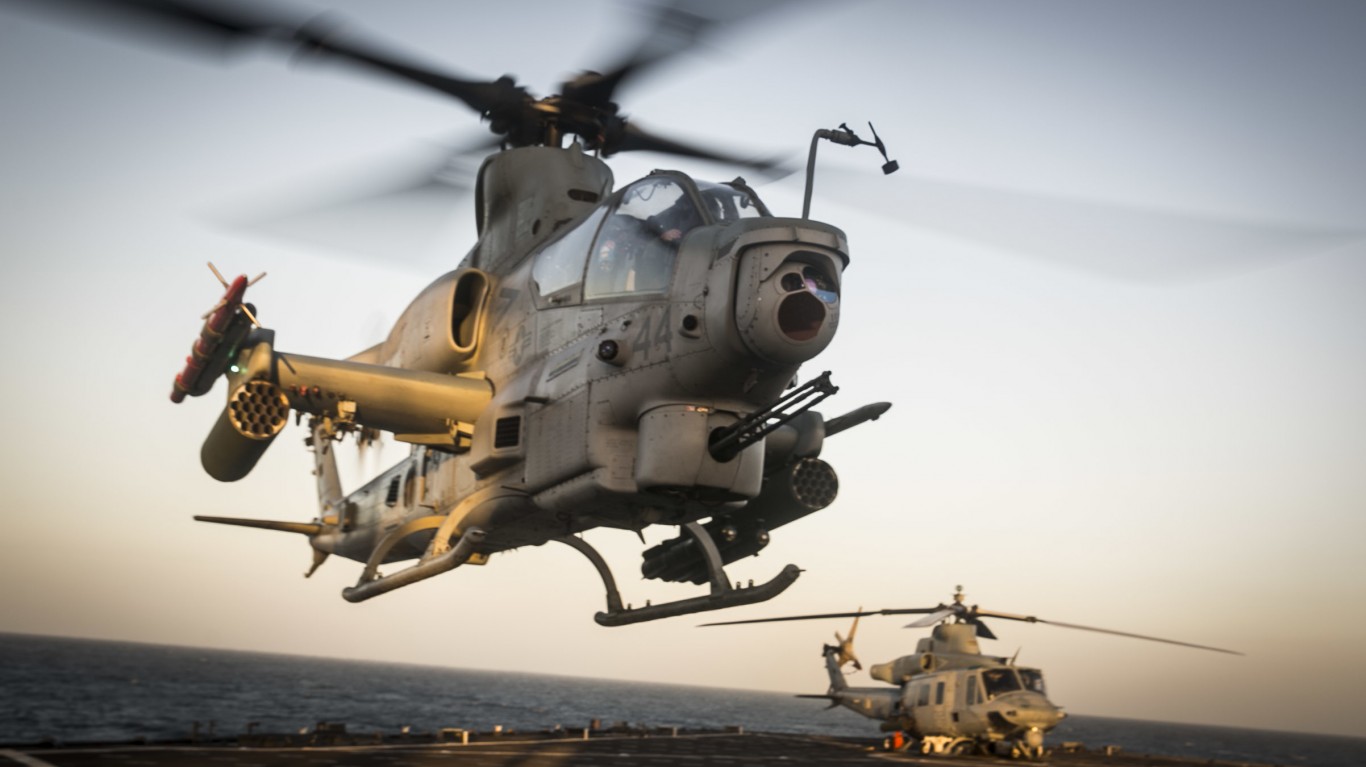
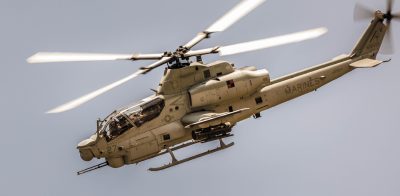
3. AH-1Z Viper

- Type: Twin-engine attack helicopter
- Year introduced: 2010
- Active aircraft: 176
- Top speed: 255 mph
- Armament: 20mm M196 cannon, Hellfire missiles, air-to-surface missiles, Sidewinder missiles, Hydra rocket pods
2. F/A-18 Hornet
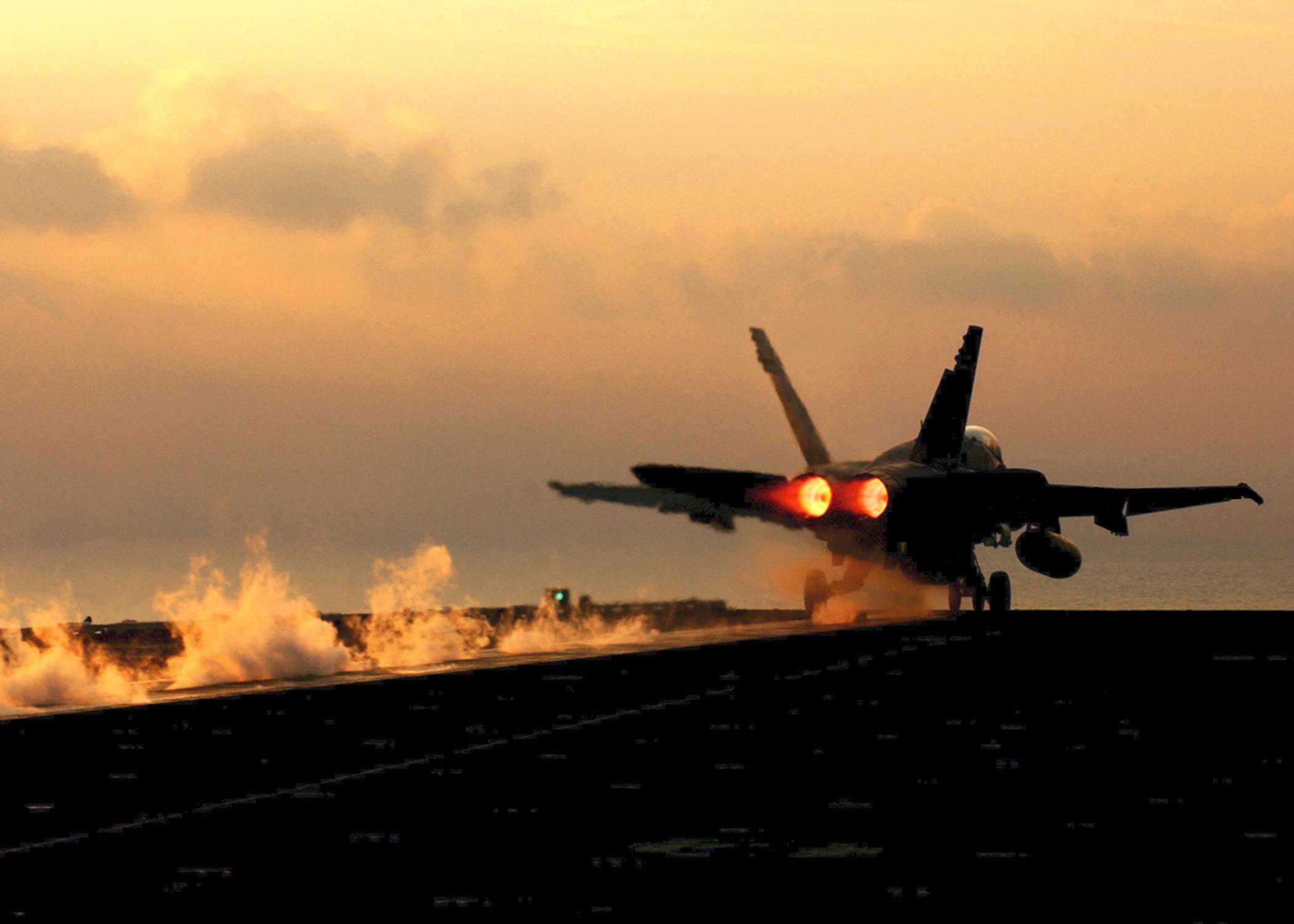
- Type: Carrier-based strike fighter aircraft
- Year introduced: 1983
- Active aircraft: 186
- Top speed: 1190 mph
- Armament: 20mm M61 Vulcan cannon, Sidewinder missiles, Sparrow missiles, Maverick missiles, Harpoon missiles, HARM missiles, laser-guided / precision drop bombs, gun pods, rocket pods, nuclear-tipped ordnance
1. MV-22 Osprey
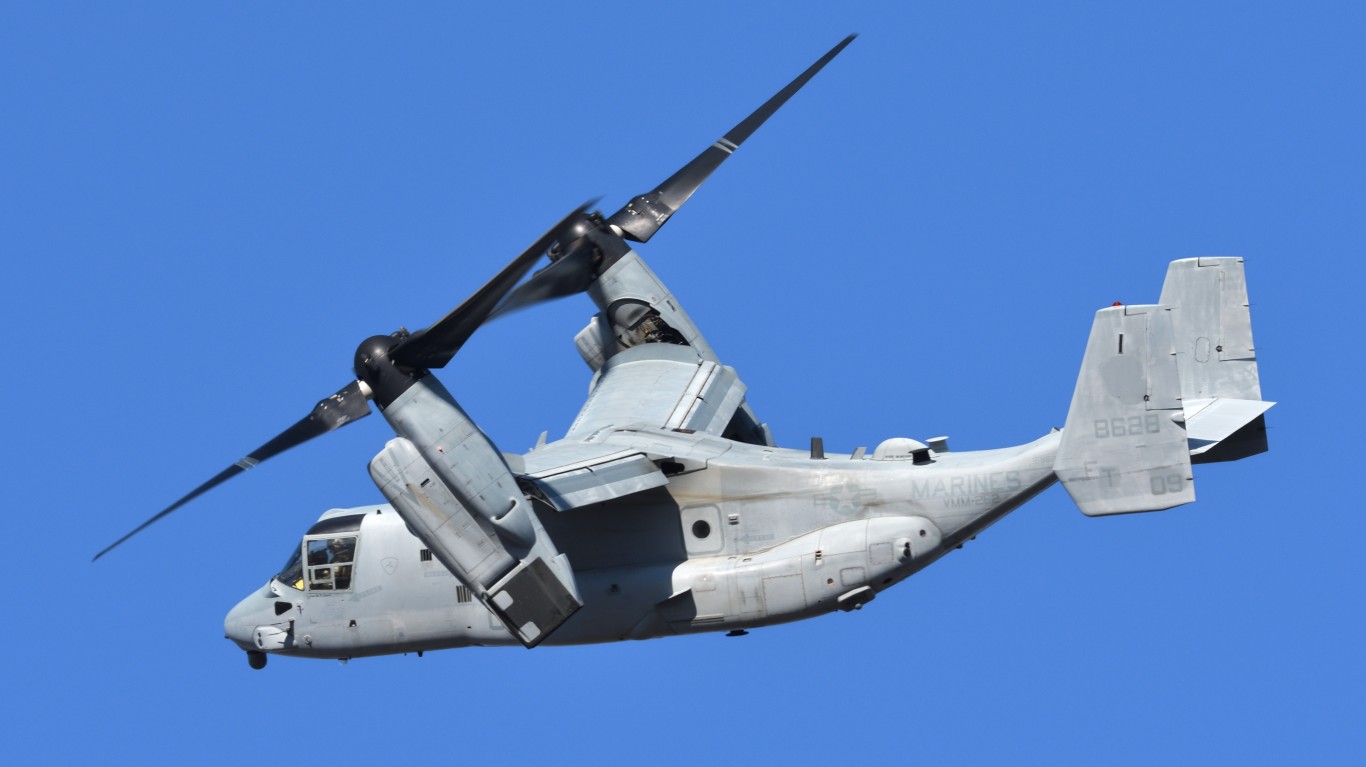
- Type: Tilt Rotor VTOL aircraft
- Year introduced: 2007
- Active aircraft: 288
- Top speed: 316 mph
- Armament: 7.62mm machine guns, 12.7mm machine guns







 Top Gaining Stocks
 Top Losing Stocks