



Key Points:
- Iceland, with no military, joined NATO in 1949 for strategic North Atlantic importance.
- Despite opposition, Iceland chose Western security over neutrality.
- Crucial for monitoring North Atlantic during WWII and Cold War.
- With conflicts on the rise the defense sector may seem like a good place to invest, but the smart money is already looking at The Next Nvidia as the top stocks to soar in 2025. Unlock details here.
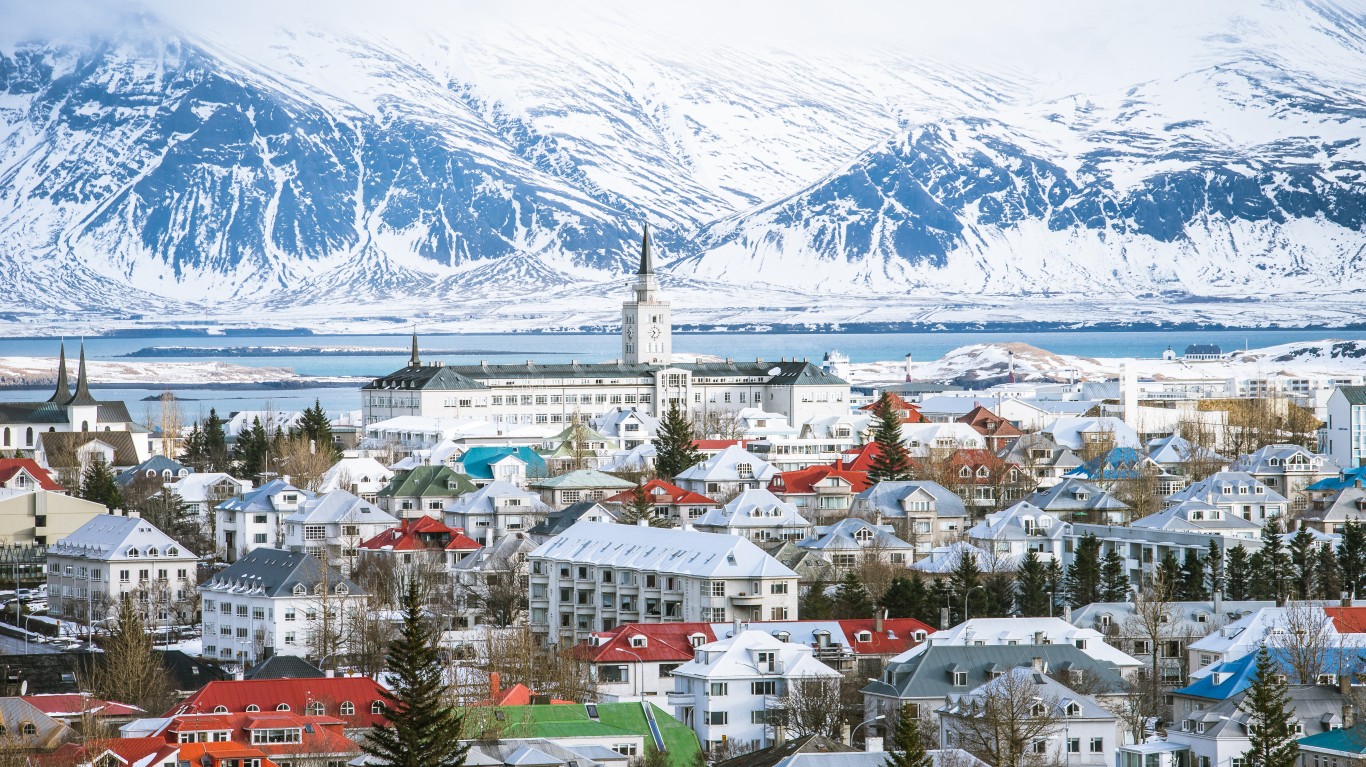
Iceland’s unique position within NATO as a member with no armed forces. Despite this, Iceland remains strategically valuable due to its geographic location in the North Atlantic, which has been crucial in past conflicts, such as World War II and the Cold War, for controlling access to key maritime routes. Iceland joined NATO in 1949, despite internal opposition due to its traditional stance of neutrality and pacifism. Its location continues to make it a critical pivot point for military strategy, similar to Taiwan’s role in the East China Sea.
Iceland’s Unique Position in NATO

- Iceland is one of the most unusual members of NATO because it has no armed forces.
- Despite this, Iceland remains a valuable member due to its strategic location in the North Atlantic.
Historical Context: Iceland’s Role in World War II
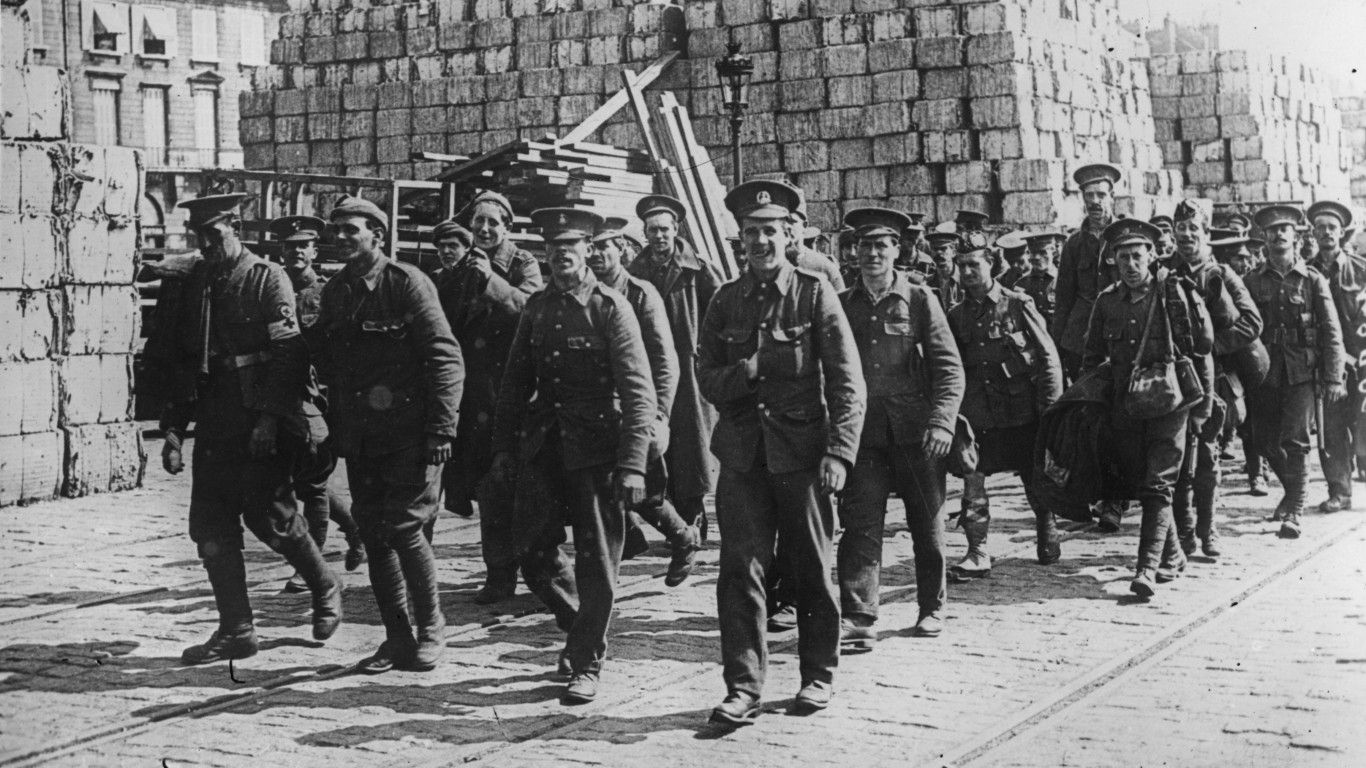
- In 1940, Iceland was in a personal union with Denmark, which was quickly occupied by Germany.
- To prevent Iceland from falling into German hands, the British invaded Iceland, recognizing its strategic importance.
- The German Third Reich considered invading Iceland but ultimately found it impractical; the British occupation lasted 18 months before the U.S. took over.
- Iceland became a key player in the Battle of the Atlantic, particularly in detecting and countering German U-boat attacks.
The Geopolitical Importance of Iceland
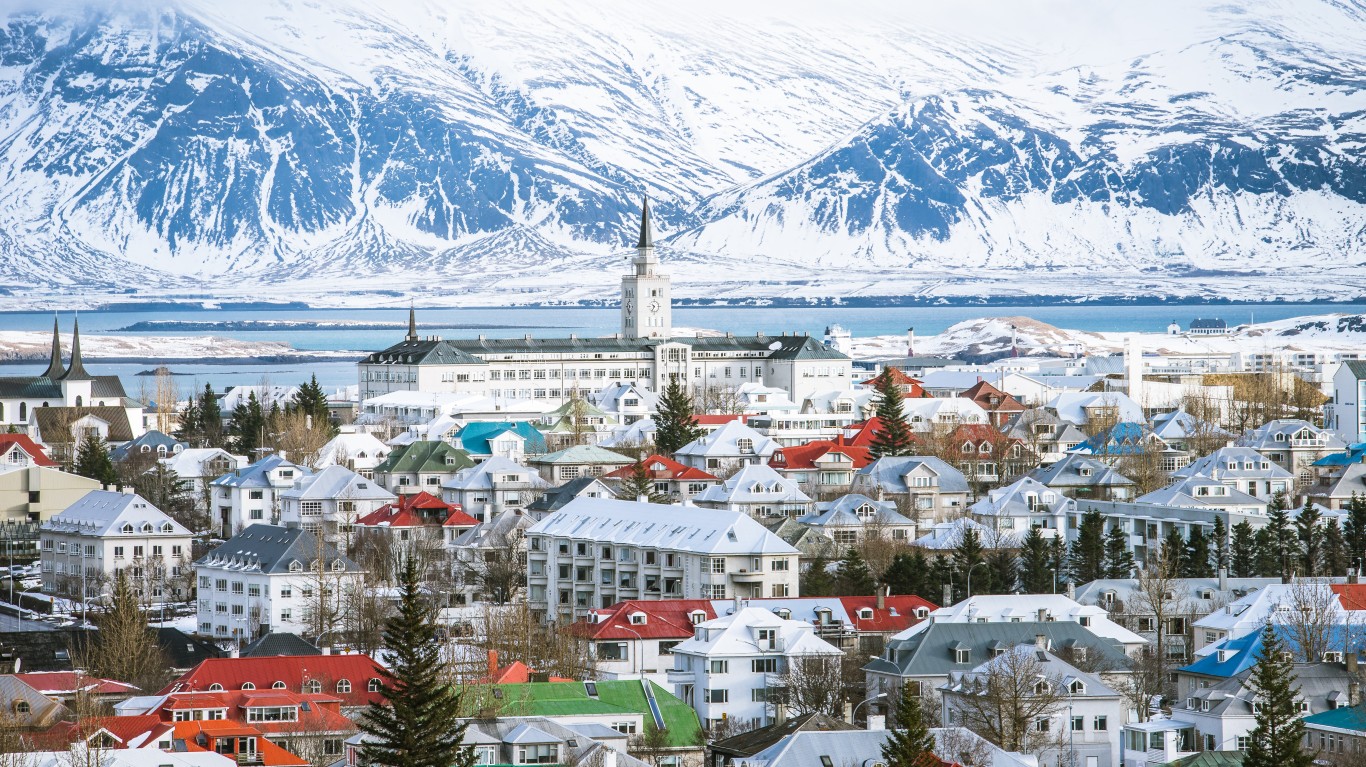
- Iceland has been regarded as a crucial strategic location in the North Atlantic, with control over key waterways between Greenland and the UK.
- German geopolitical thinker Carl Haushofer stated that whoever controls Iceland “holds a revolver to the heads of Great Britain, Canada, and the United States.”
- During the Cold War, Iceland’s position remained vital for monitoring Soviet submarine activity in the North Atlantic.
Iceland’s Decision to Join NATO in 1949
- After World War II, Iceland faced a choice between aligning with the West, the East, or remaining neutral.
- Although Iceland’s parliament overwhelmingly supported joining NATO, the decision was controversial, leading to riots in Reykjavik on the day of the vote (March 30, 1949).
- Iceland’s decision to join NATO reflects its strategic choice to align with the West, despite its historical values of neutrality and pacifism.
The “Blessing and Curse” of Iceland’s Strategic Location
- Iceland’s geographical isolation means it faces fewer immediate military pressures but is strategically vital for controlling access to the North Atlantic.
- Its role is compared to Taiwan’s in the East China Sea, serving as an outlier island that can be pivotal in geopolitical dynamics.
Conclusion: Iceland’s Ongoing Strategic Importance
- Iceland’s unique position continues to make it a critical asset to NATO, maintaining its relevance despite not having a traditional military force.
- The geopolitical value of remote islands like Iceland remains significant, shaping international relations and military strategy.











 Top Gaining Stocks
 Top Losing Stocks