


Lyudmila Pavlichenko originally wanted to be a teacher. However, when Nazi Germany invaded Russia, she was one of the first to volunteer for the military.
Let’s learn about her amazing life…
Why We’re Covering This

Several movies have been made about Lady Death.
Lyudmila Pavlichenko’s story has spurred the writing of several books and a movie. We expect her vibrant history to lead to more publishers producing content about her. Sadly, the movie industry hasn’t made a comeback, but that doesn’t mean it won’t keep producing movies.
Early Life

She was born around 20 years before WWII kicked off.
Lyudmila Pavlichenko was born in Belaya Tserkov, Ukraine, in 1916.
Education

Her original plan was to become a professor.
She studied history at Kiev University before becoming a sniper in the Soviet Red Army. Her goal was to be an educator.
Joining the Army
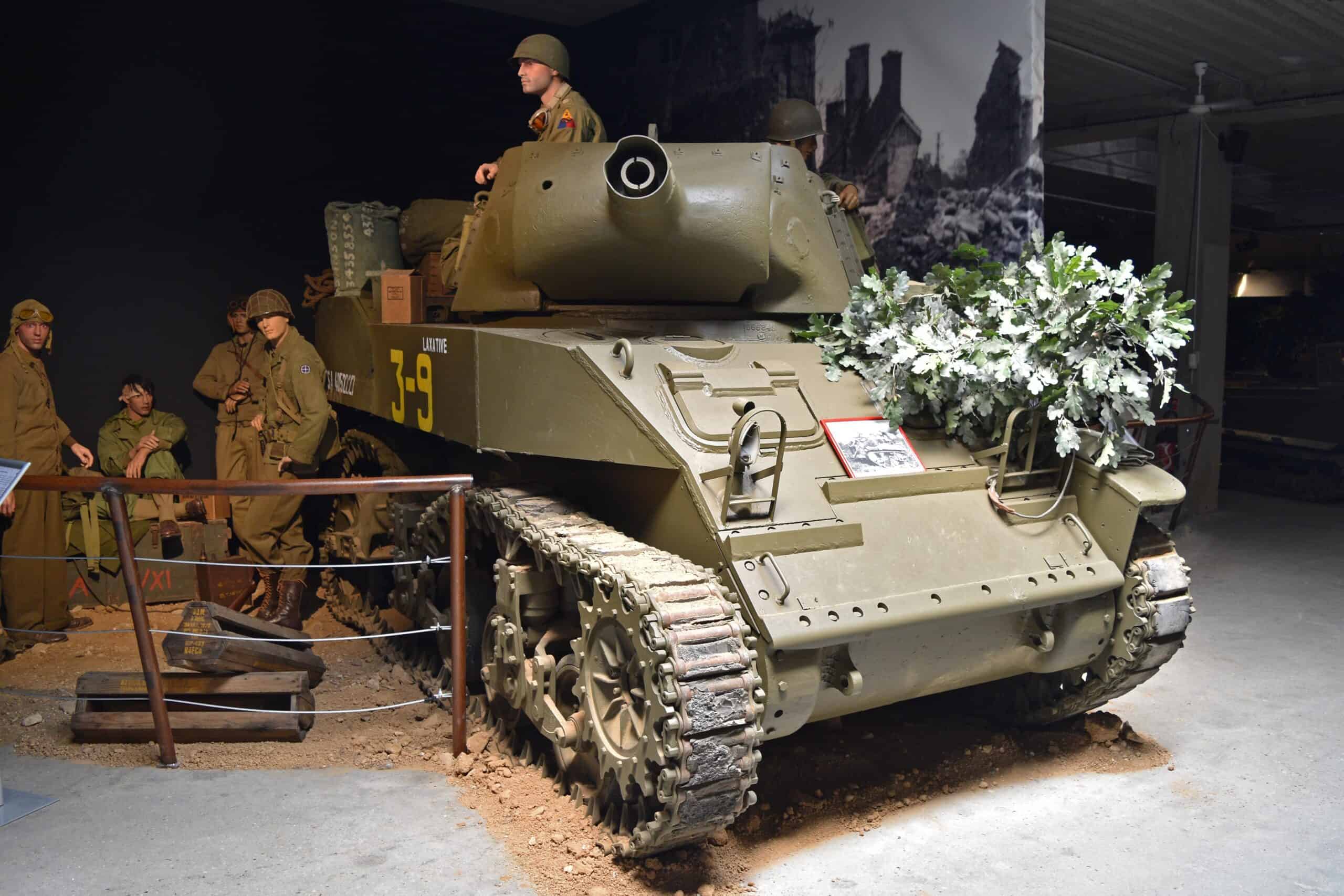
She was one of the first volunteers to join the Red Army.
Pavlichenko joined the Red Army after the German invasion of the Soviet Union in 1941. She was one of the first volunteers.
Training as a Sniper
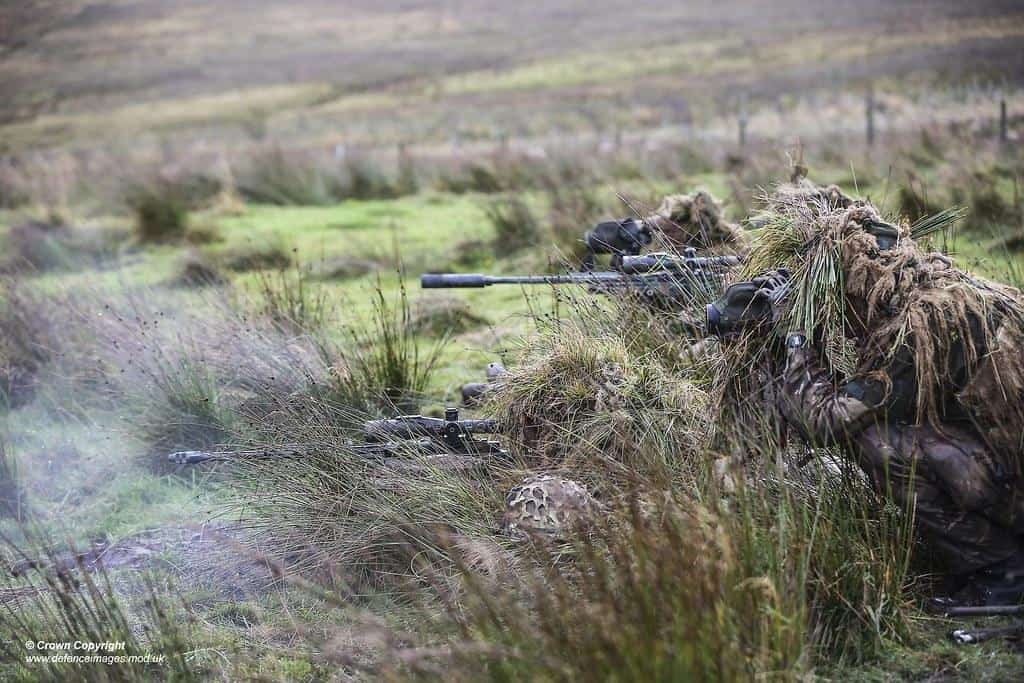
She trained quickly as a sniper.
She trained as a sniper and was assigned to the 25th Rifle Division on the Southern Front. Before enlisting, she was a member of a shooting club.
Her Kill Count
We don’t know the exact kill count, though it’s likely around 300.
She is credited with killing more than 250 German soldiers and snipers during World War II, but it is possible that the count is closer to 305. She was one of the most decorated women in the Soviet military, so much so that other countries thought she was a propaganda tool.
Getting Wounded
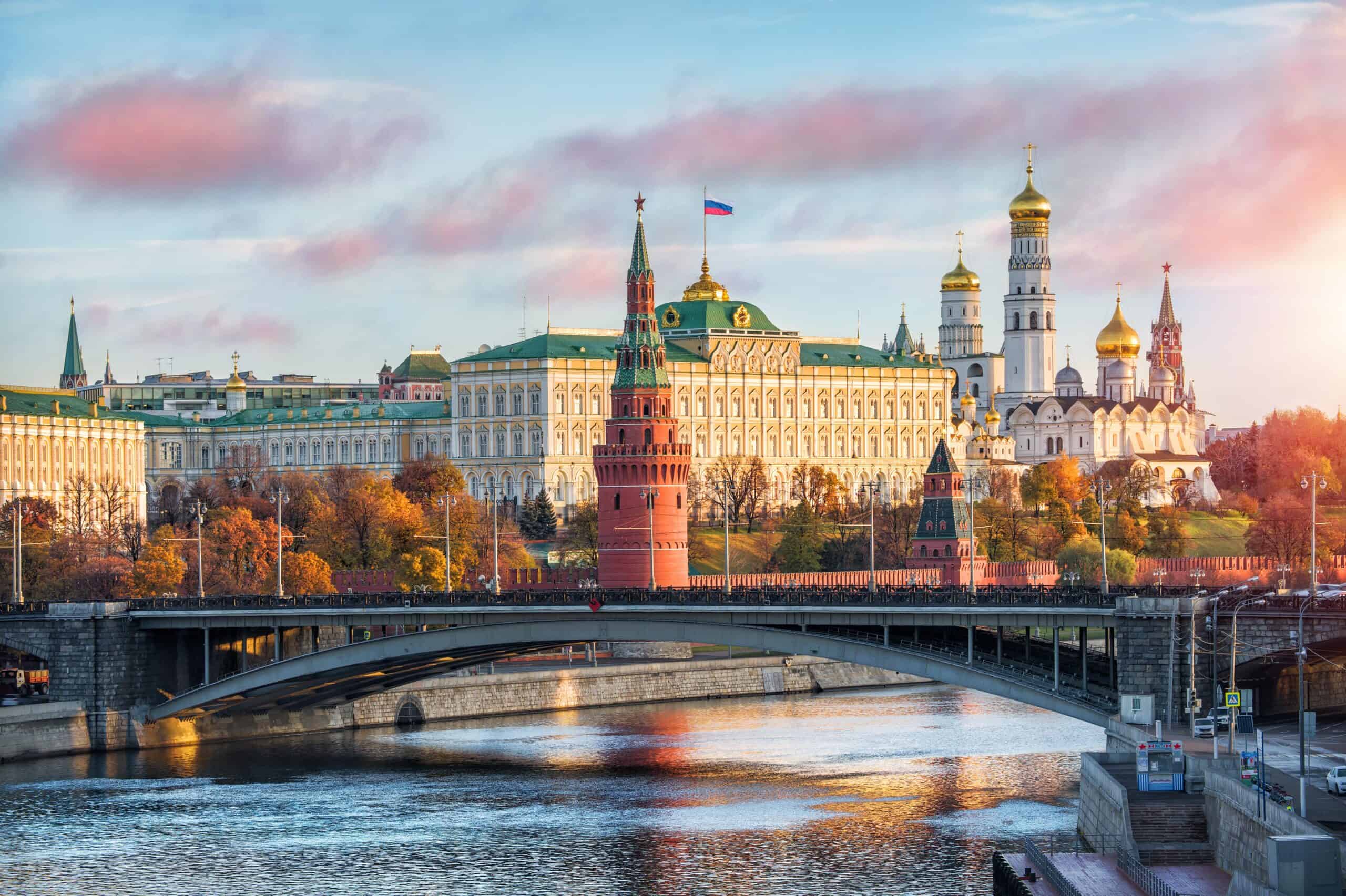
She spent lots of time in Moscow during her recovery.
In 1942, she was wounded by a mortar and sent to a hospital in Moscow. Sadly, she lost much of her unit in this attack.
U.S. Tour

She was sent to the US to convince the public to join WWII.
While she was recovering, she met Eleanor Roosevelt, who invited her to tour the United States. Her visit to the United States helped to raise awareness of the Soviet Union’s struggle against Nazi Germany.
After the War
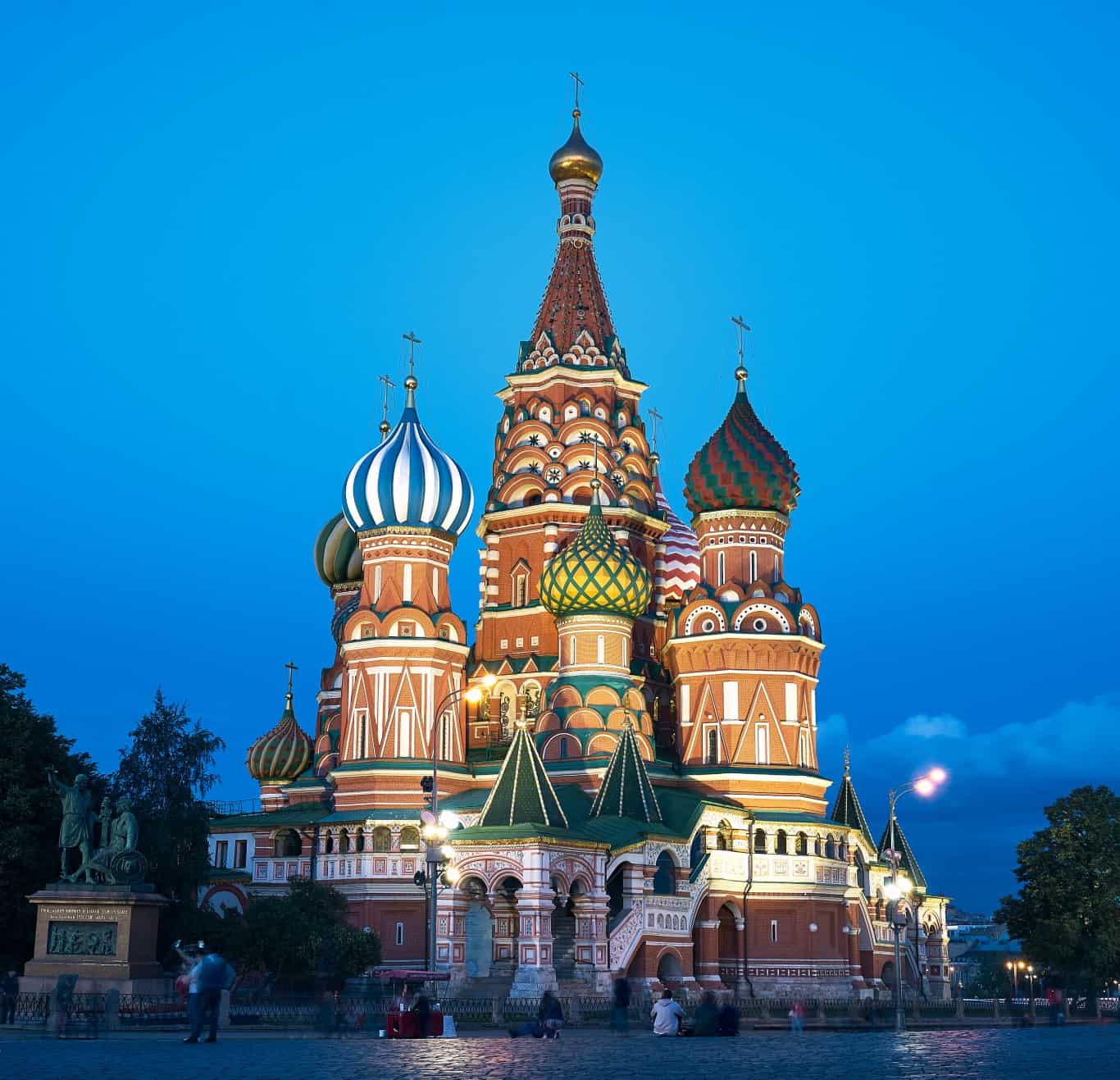
She spent the rest of her life in Soviet Russia, where she remained a prominent figure.
After the War, She worked as a naval architect and eventually became a university professor, like she dreamed of being before the war.
Books

Today, her books are still popular.
She wrote several books about her experience during World War II. It’s these books that we draw much of our information about her from today.
Later Honors
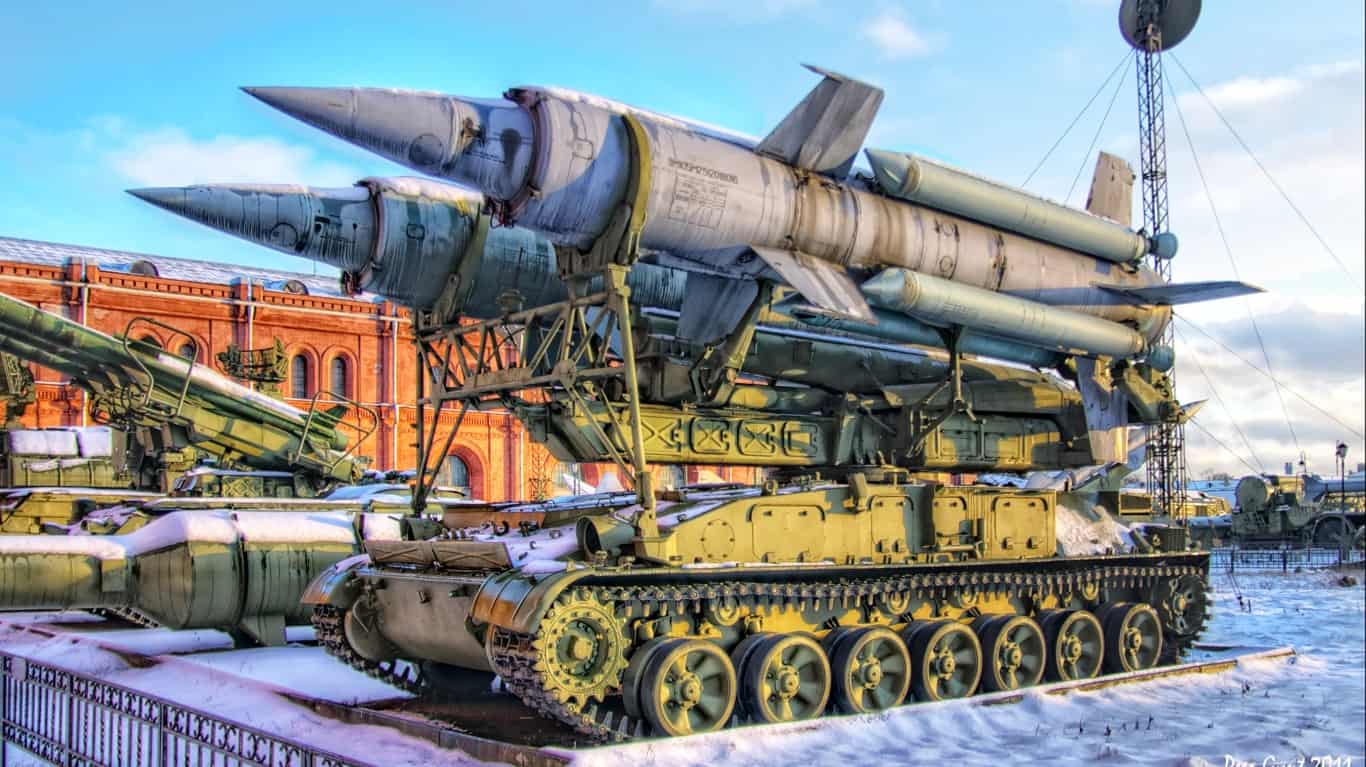
She continued to get rewards for her service in the Red Army.
Later in life, she continued to earn many medals and honors and was a prominent figure in the Soviet Union.
Death
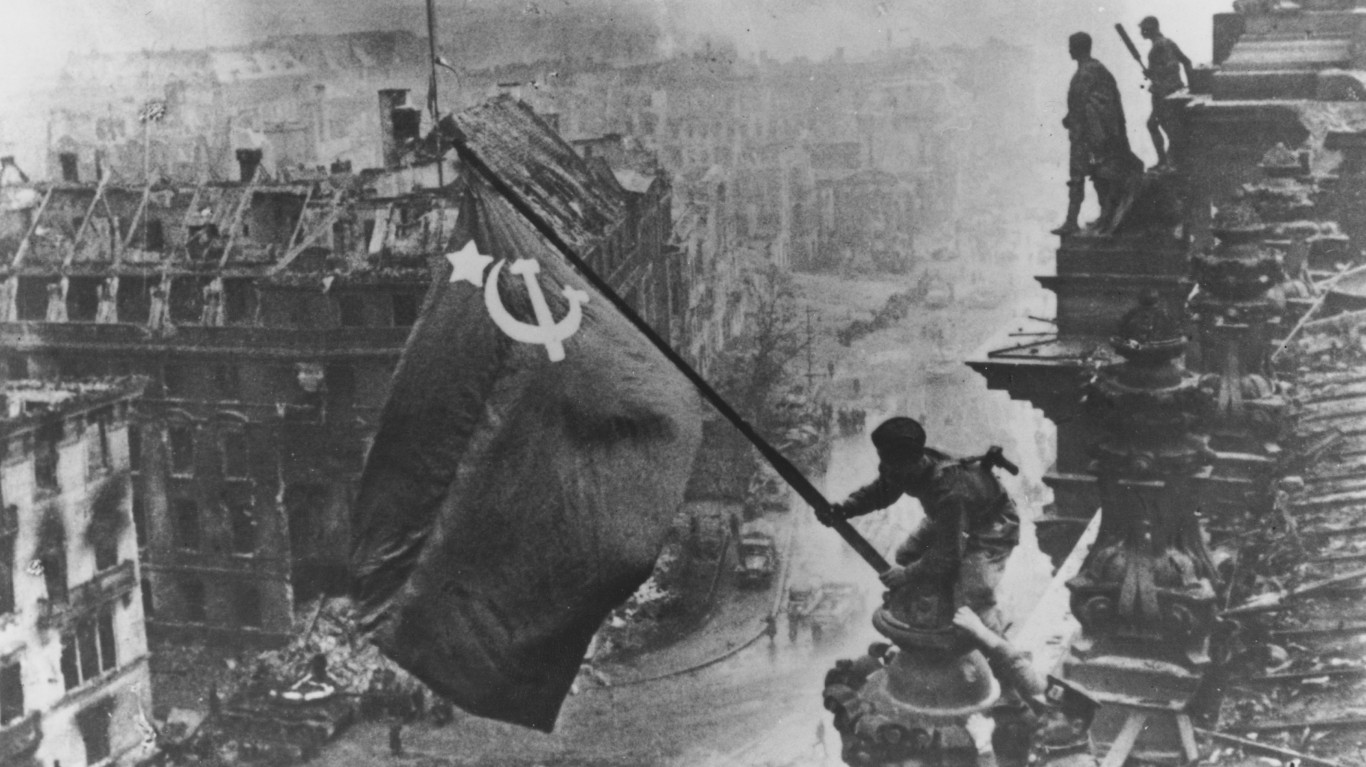
Even after her death, she remained a legendary figure in Russia.
She died in 1996 at the age of 80.






 Top Gaining Stocks
 Top Losing Stocks