


Key Points:
- Turkey’s strategic location as a land bridge and Black Sea gatekeeper gives it leverage in NATO.
- Failed EU membership bid has led Turkey to explore alliances like BRICS, including Russia.
- Turkey’s flexible foreign policy leads to independent actions and occasional NATO disagreements.
- While the defense sector is capturing attention in 2025, the smart money is already looking to “the next Nvidia” for 2025’s biggest winners. Access the report for free now.
Turkey’s unique geopolitical position within NATO as a critical land bridge and the sole access point to the Black Sea, making it a vital gatekeeper for transportation routes. This strategic importance affords Turkey more flexibility to disagree with other NATO members and pursue an independent foreign policy. Turkey’s longstanding, unsuccessful pursuit of EU membership has led it to explore other alliances, like BRICS, raising concerns within NATO. Additionally, Turkey maintains good relations with Russia and has refrained from participating in Western-led sanctions, further distinguishing its approach from other NATO members.
Turkey’s Strategic Geopolitical Position
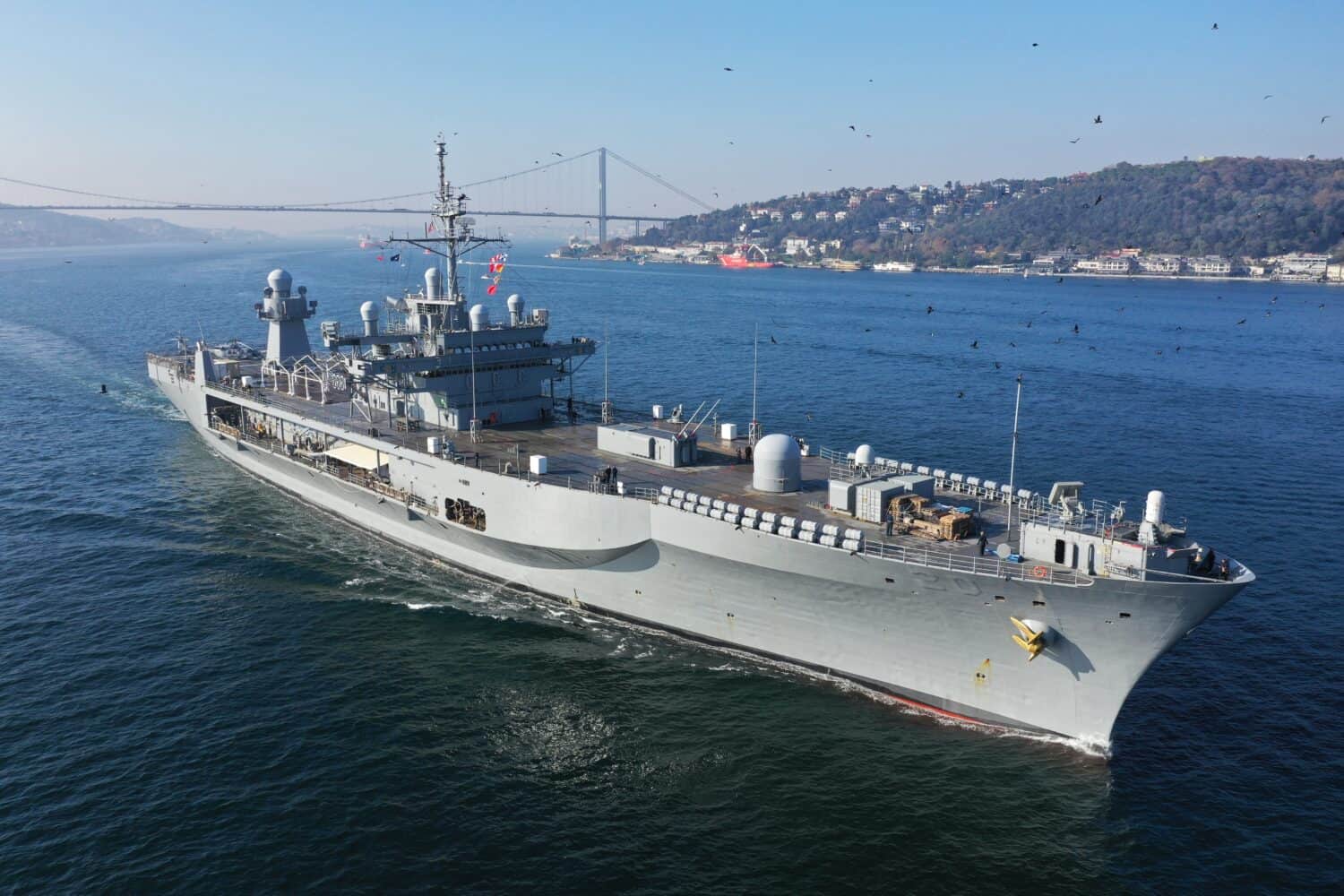
- Turkey’s location as a land bridge between Europe and Asia and its control over the Bosphorus Strait, the sole access point to the Black Sea, makes it a critical gatekeeper within NATO.
- This positioning gives Turkey significant leverage in NATO, allowing them to exercise more flexibility and maintain some independence in their foreign policy decisions.
Geopolitical Importance Affords Turkey More Room for Disagreement

- Turkey’s strategic value to NATO means the alliance may tolerate Turkey’s ideological differences and disputes, such as those with Greece, more than it would with less strategically positioned members.
- Losing Turkey as a NATO ally would mean losing control over two of the most important transportation routes—both over land and sea.
Turkey’s EU Membership Struggles and Alternative Alliances

- Turkey has long pursued membership in the EU but has been unsuccessful, facing resistance from countries like Germany and France since the late 1950s and early 1960s.
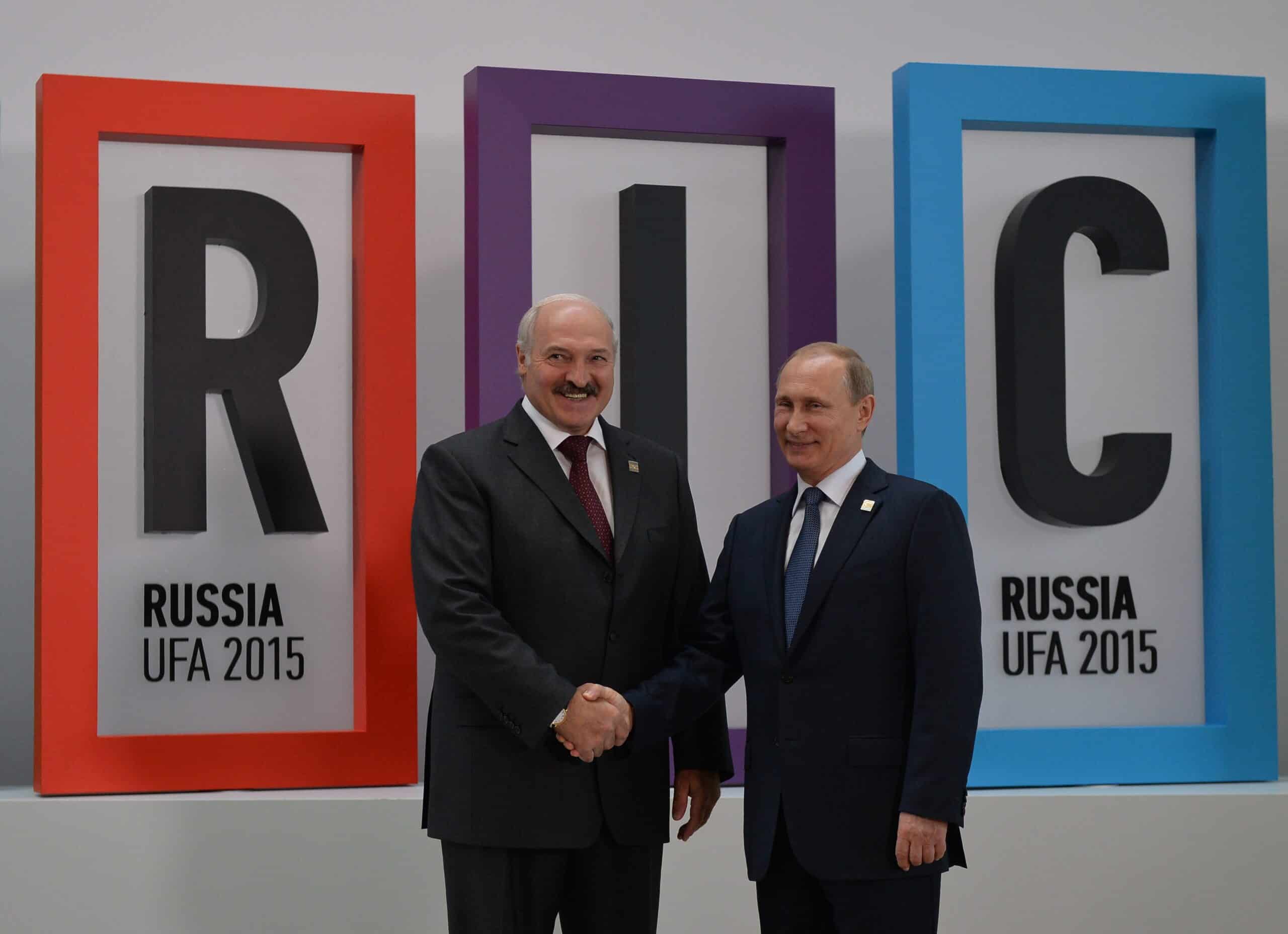
- This exclusion has compelled Turkey to explore other alliances, such as expressing interest in joining BRICS—a coalition aimed at challenging Western economic dominance that includes Russia.
Relations with Russia and a Flexible Foreign Policy
- Turkey maintains relatively good relations with Moscow and relies heavily on Russia for energy needs.
- Unlike many NATO members, Turkey does not participate in U.S.-led sanctions against Russia and positions itself as a mediator in the Ukraine conflict.
- This non-aligned stance and flexible foreign policy set Turkey apart from other NATO members, many of whom are more ideologically aligned.
Conclusion: Turkey’s Distinct Position Within NATO
- Turkey’s unique geopolitical importance and its failure to join the EU have led it to adopt a more flexible, less ideologically driven foreign policy.
- As a critical player in NATO, Turkey leverages its strategic position to maintain a degree of independence while balancing relations with both Western and non-Western powers.









 Top Gaining Stocks
 Top Losing Stocks