


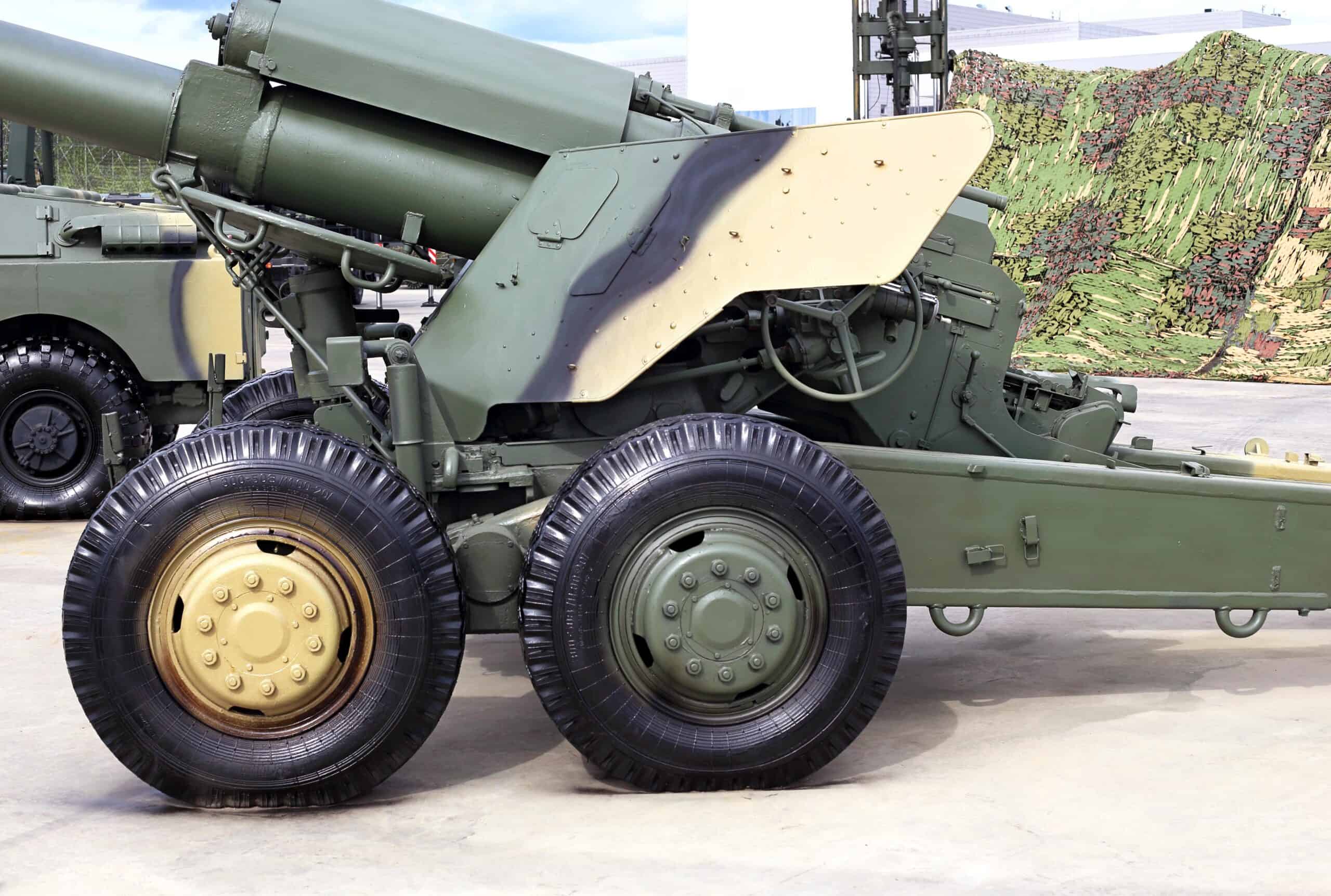
Last month, Poland bolstered its military arsenal with the acquisition of 12 K9A1 self-propelled howitzers from South Korea. This addition brings the total number of K9A1s in the Polish Armed Forces to 108, solidifying the country’s position as one of the world’s leading artillery powers. However, Poland isn’t alone in its efforts to build a formidable military and artillery force. Other Eastern European nations have also invested heavily in modernizing their armed forces and artillery. (This is the next generation of tanks, artillery, and armored vehicles.)
To identify the Eastern European countries with the most artillery units, 24/7 Wall St. reviewed the 2024 Military Strength Ranking from Global Firepower, an annually updated defense-related statistics website with information on 145 countries. Countries were ranked on the total number of artillery units in their arsenal. We included supplemental information regarding the total military vehicles, tanks, and MLRS units, in addition to each country’s overall military strength score. Countries with no artillery were excluded.
Why Are We Covering This?
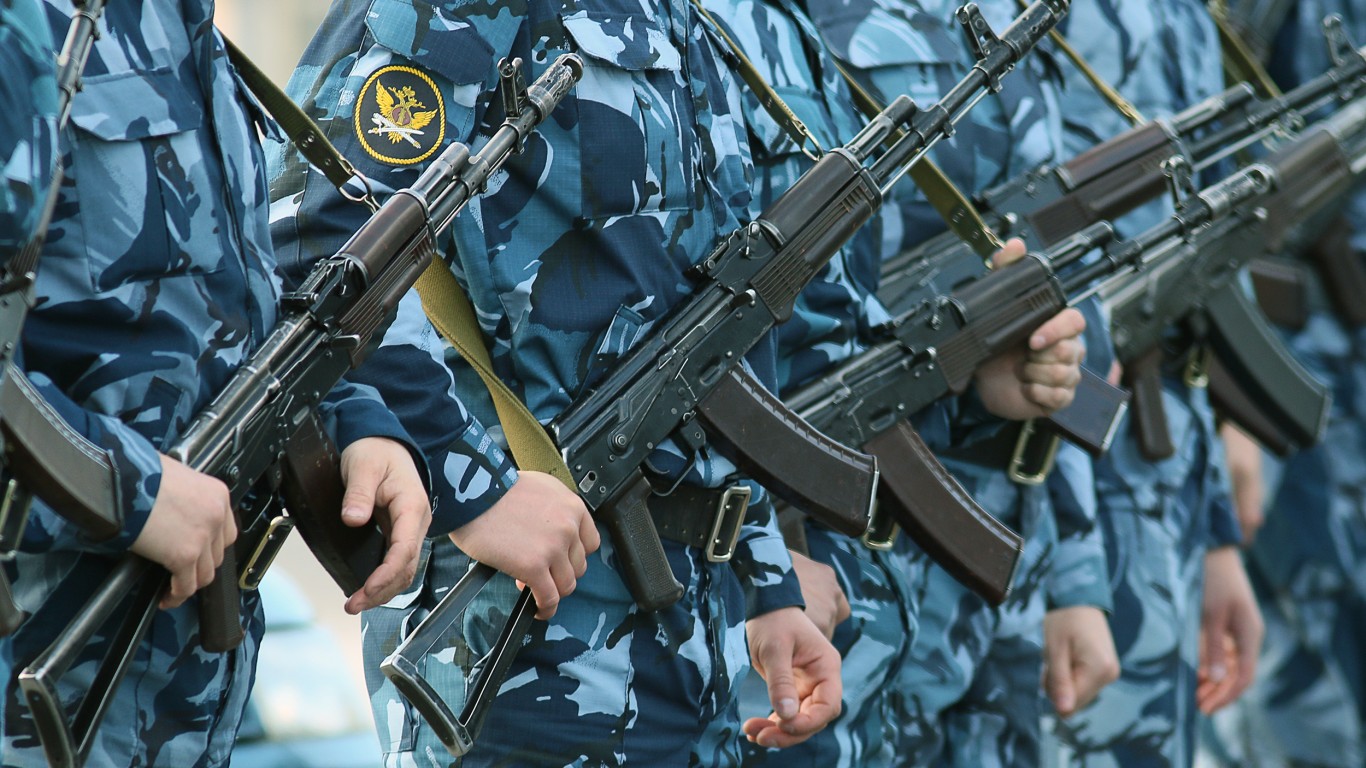
Understanding the military dynamics of Eastern Europe is essential due to the region’s critical geopolitical importance, not to mention the ongoing conflict. Eastern Europe has historically been a focal point of tension, and military power plays an important role in maintaining both political and economic stability. The stability of Eastern Europe remains vital to global security.
Here is a look at the largest artillery forces in Eastern Europe:
10. Montenegro
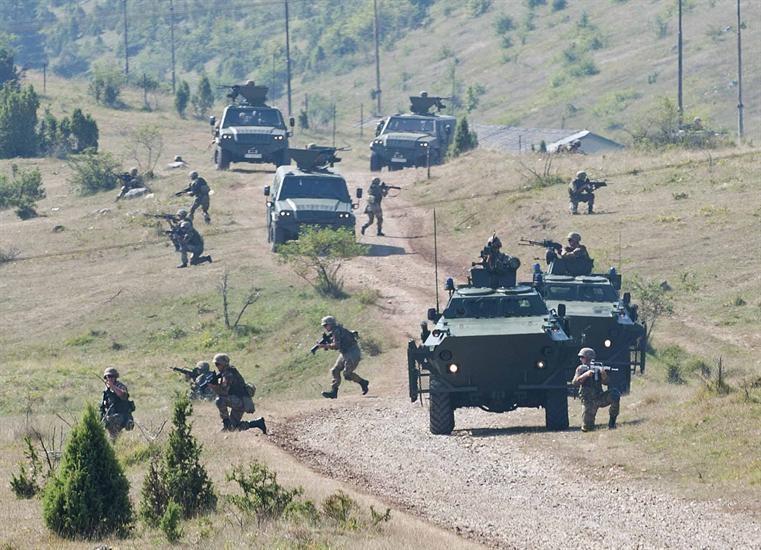
- Total artillery: 12
- Total towed: 12
- Total self-propelled: 0
- Total tanks: 0
- Total military vehicles: 662
- Total MLRS: 12
- Military strength score: 2.9109 – #129 out of 145
Despite having the smallest standing army in the region, with active personnel totaling just over 2,000, Montenegro also has some of the fewest military assets. One interesting thing to note is that Montenegro does not operate any tanks, although not for lack of trying. However, the country has adopted more modern military doctrines and only operates about 12 artillery units.
For some quick background, Montenegro is a small Balkan nation that only recently gained its independence from Serbia in 2006. While Montenegro has a military history dating back to the Ottoman Empire, its current situation is modest at best, considering its size and population.
Montenegro’s air force is similarly limited, consisting mainly of transport helicopters for logistics. It does not have any combat aircraft, but it does have a NATO affiliation, which guarantees collective security from larger nations.
The most notable military branch of this country is its navy. Moldova’s location along the Adriatic coastline necessitates offshore patrol vessels. These primarily serve for national security. However, recent efforts have been made with the navy to further modernize its fleet with the help of its NATO allies.
9. Slovakia
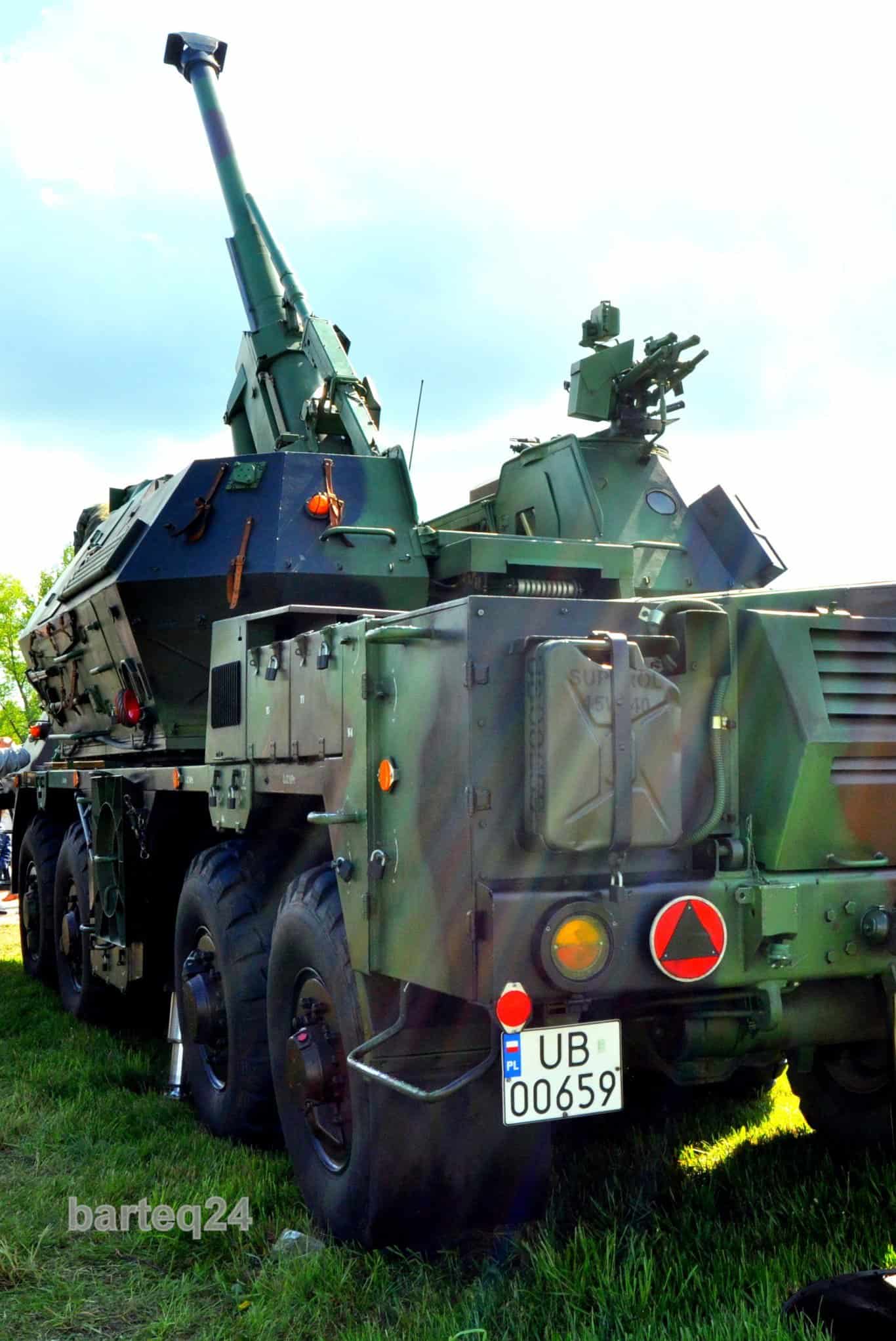
- Total artillery: 44
- Total towed: 9
- Total self-propelled: 35
- Total tanks: 36
- Total military vehicles: 2,048
- Total MLRS: 25
- Military strength score: 1.1891 – #69 out of 145
In terms of its ground forces, Slovakia has just under 20,000 active military personnel operating over 2,000 military vehicles. For tanks, Slovakia is still relying on the Soviet-era T-72 models, which make up most of its armored capabilities. However, it does have more artillery units than tanks at its disposal.
The Slovakian military was initially built on Soviet-era assets but since joining NATO in 2004, it has made Western additions to its forces, namely fighter jets. While the Air Force still flies MiG-29s, these are gradually being replaced by American F-16s under an ongoing procurement deal. These jets are primarily used for national security interests and NATO air-policing missions.
Slovakia is another landlocked country in the middle of Eastern Europe, although, unlike Moldova, Slovakia has made significant strides in arming itself. Since the country came into existence after its dissolution from Czechoslovakia in 1993, it has emerged as a formidable force in the region. Again, as a landlocked country, Slovakia has no navy to speak of, but its forces have participated in joint NATO naval operations. Its membership with NATO comes with privileges and recent modernization efforts seem to prove it.
8. Czechia
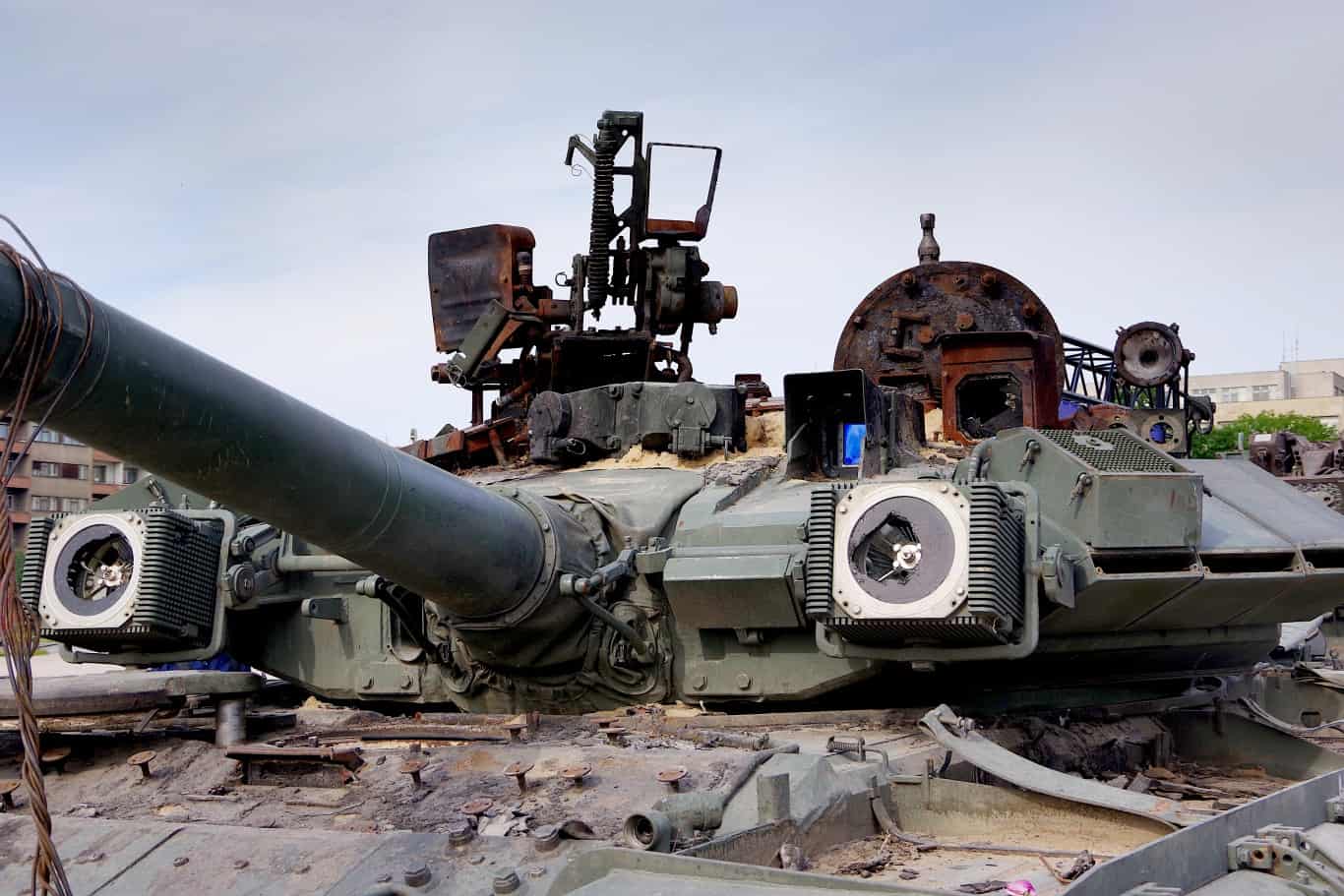
- Total artillery: 53
- Total towed: 0
- Total self-propelled: 53
- Total tanks: 65
- Total military vehicles: 6,757
- Total MLRS: 0
- Military strength score: 0.7706 – #46 out of 145
Czechia has a standing army of roughly 28,000 active personnel. These are primarily divided between the army, which is its largest branch, followed by the air force. Czechia has no navy as it is landlocked.
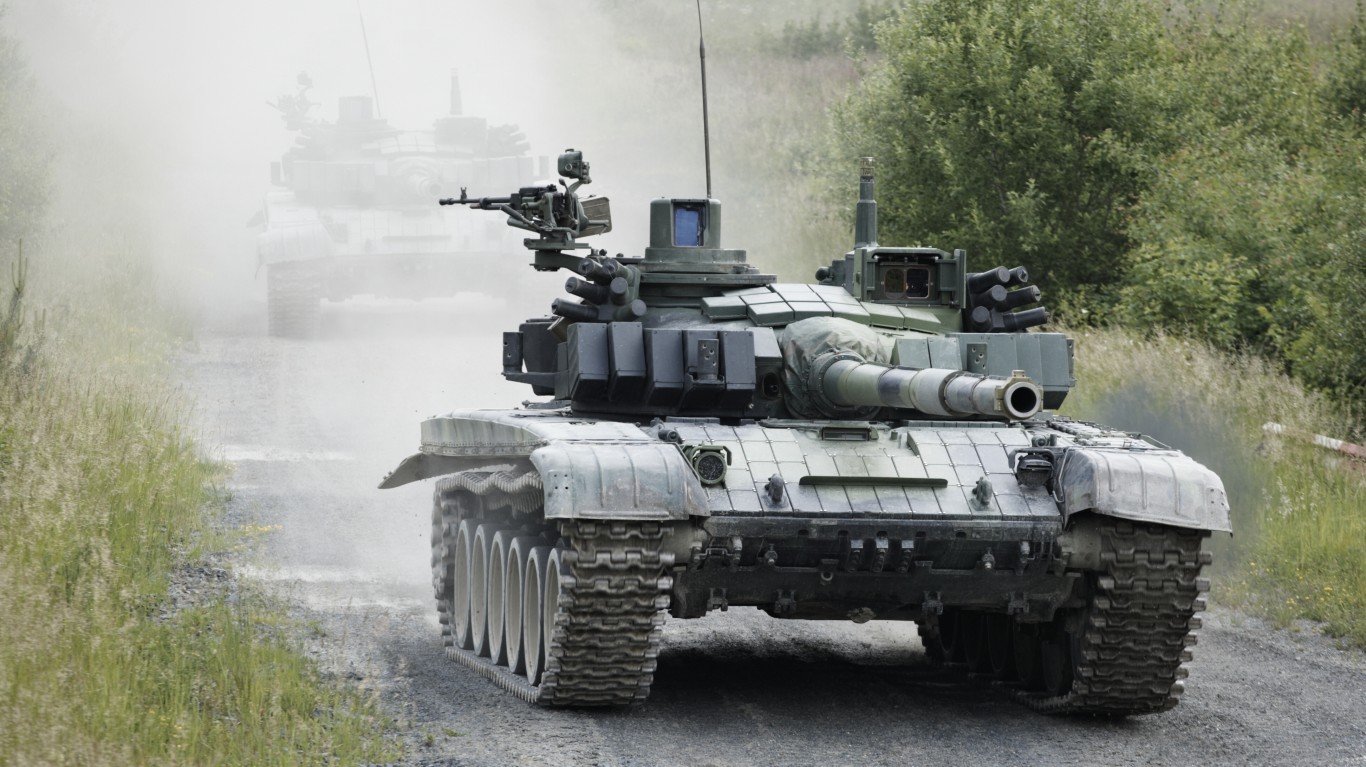
On the ground, Czechia operates around 60 tanks, including T-72 models that come from its Warsaw Pact days. Efforts are also underway to modernize its armored fleet, and its artillery totals roughly 53 units.
Czechia’s air force is fairly formidable and operates a fleet of Saab JAS 39 Gripen multirole fighter jets, which serve as the backbone of the nation’s air defense. Additionally, Czechia is looking to update its helicopter fleet with UH-1Y Venom helicopters from its NATO allies.
Following the peaceful dissolution of Czechoslovakia in 1993, Czechia developed its own military forces. The country, like many others in the region, was part of the Warsaw Pact, but Czechia was quicker to join NATO than most, entering the alliance in 1999. Its military is a mix of Soviet-era tech and NATO standard assets.
Czech forces have been regularly deployed in NATO and EU peacekeeping operations, including missions in Afghanistan, Iraq, and the Balkans. They are a staple of NATO forces in the region.
7. Bulgaria
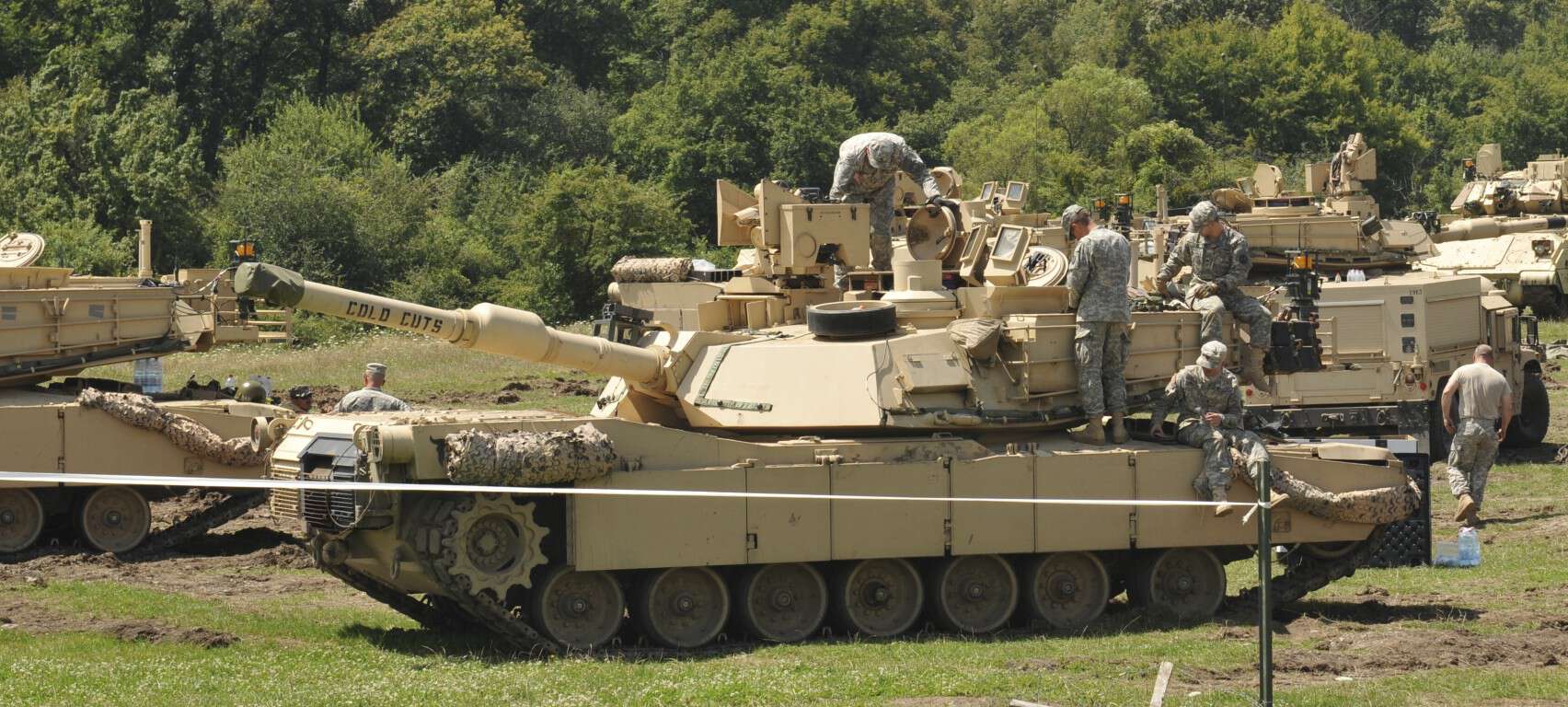
- Total artillery: 273
- Total towed: 225
- Total self-propelled: 48
- Total tanks: 215
- Total military vehicles: 7,420
- Total MLRS: 24
- Military strength score: 1.0132 – #62 out of 145
The Bulgarian military consists of roughly 37,000 active personnel, 65 military aircraft, and over 7,000 vehicles. Its navy is one of the larger forces in the region as well.
On the ground, Bulgaria operates over 200 tanks, primarily T-72 models, but many are outdated. The Bulgarian Army also includes over 270 artillery units, both towed and self-propelled.
In terms of its air force, Bulgaria’s fleet is primarily composed of MiG-29 fighter jets with a handful of Su-25s ready. However, recent moves by the Bulgarian Air Force are attempting to procure a number of F-16V Viper fighter jets from the United States. This is part of Bulgaria and NATO’s plan to secure the region.
For some quick background, Bulgaria has a long military history, particularly from the Balkan Wars and both World Wars. Although Bulgaria was not part of the Soviet Union, it was a close ally during the Cold War. However, alliances have shifted over the years resulting in Bulgaria joining NATO in 2004.
Bulgaria’s navy plays an important role in the Black Sea considering the current instability. The fleet includes some frigates and patrol boats, which can also support NATO’s naval operations.
6. Hungary
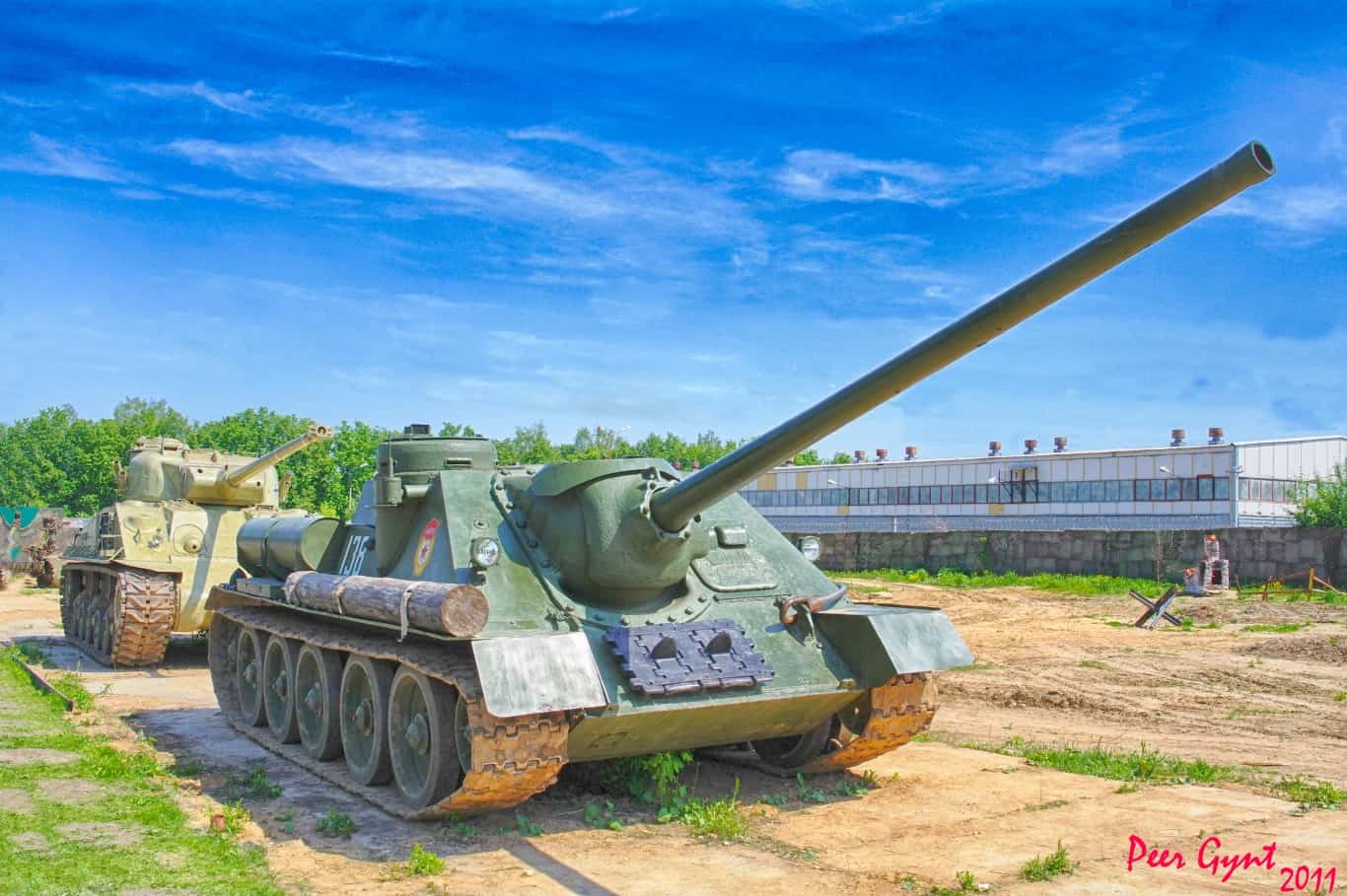
- Total artillery: 318
- Total towed: 295
- Total self-propelled: 23
- Total tanks: 208
- Total military vehicles: 7,797
- Total MLRS: 0
- Military strength score: 0.8478 – #54 out of 145
Hungary has a standing army of roughly 42,000 active personnel, flanked by a sizable tank and artillery force, in addition to a relatively small air force.
Hungary’s tank force comes mainly from the Soviet era, consisting of T-72 models. However, as with its modernization efforts, Hungary is looking to add more Western tanks and armored vehicles from its NATO allies.
The country’s air force primarily consists of transport and utility helicopters, along with Gripen fighter jets, acquired from Sweden. Hungary is currently undergoing a modernization effort within its fleet, namely acquiring more H225M combat helicopters.
Following World War II, Hungary joined the Warsaw Pact, a military alliance composed of many central and eastern European nations in response to the formation of NATO. While this would heavily impact Hungary’s military doctrine to a more Soviet way of thinking, Hungary would eventually turn to NATO in the late 1990s. As a result, Hungary’s military seems to be a mix of East and West, with modernization efforts pushing more to the West.
5. Poland
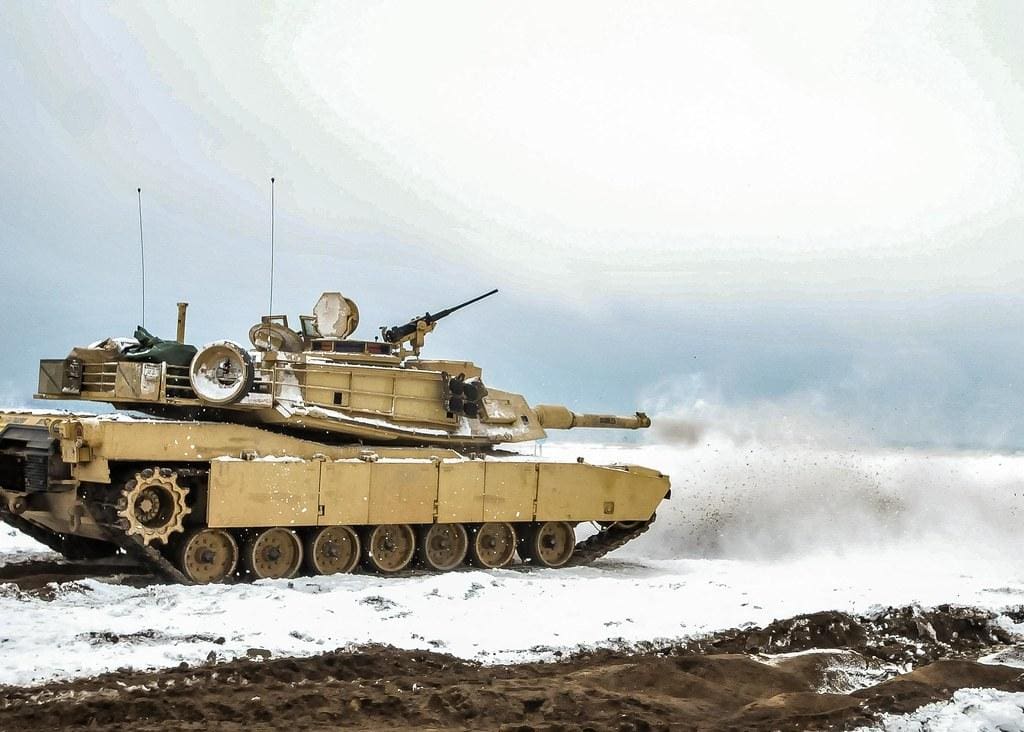
- Total artillery: 525
- Total towed: 0
- Total self-propelled: 525
- Total tanks: 612
- Total military vehicles: 13,956
- Total MLRS: 211
- Military strength score: 0.2917 – #21 out of 145
Poland’s military boasts over 200,000 active personnel and is easily one of the largest forces in the region. Outside of Russia and Ukraine, which are involved in a hot conflict, Poland is home to one of the all-around strongest militaries in the region.
In terms of its ground forces, Poland operates over 600 tanks. The German Leopard 2 and locally produced PT-91 are mainstays of this force. Its artillery is sizable with over self-propelled 500 units.
For some background on Poland’s military, the nation fell under Soviet influence and became a key member of the Warsaw Pact, in the years following World War II. However, the fall of communism decades later resulted in Poland quickly distancing itself and aligning with Western powers.
Poland joined NATO in 1999 and turned its focus to modernizing its military in line with NATO standards. With this came moving away from Soviet-era assets in favor of more advanced tanks and jets, like the Leopard 2s and F-16s. Even today, Poland is investing heavily in the new F-35 Lightning II fifth-generation fighter jets, with over 30 on order.
4. Belarus
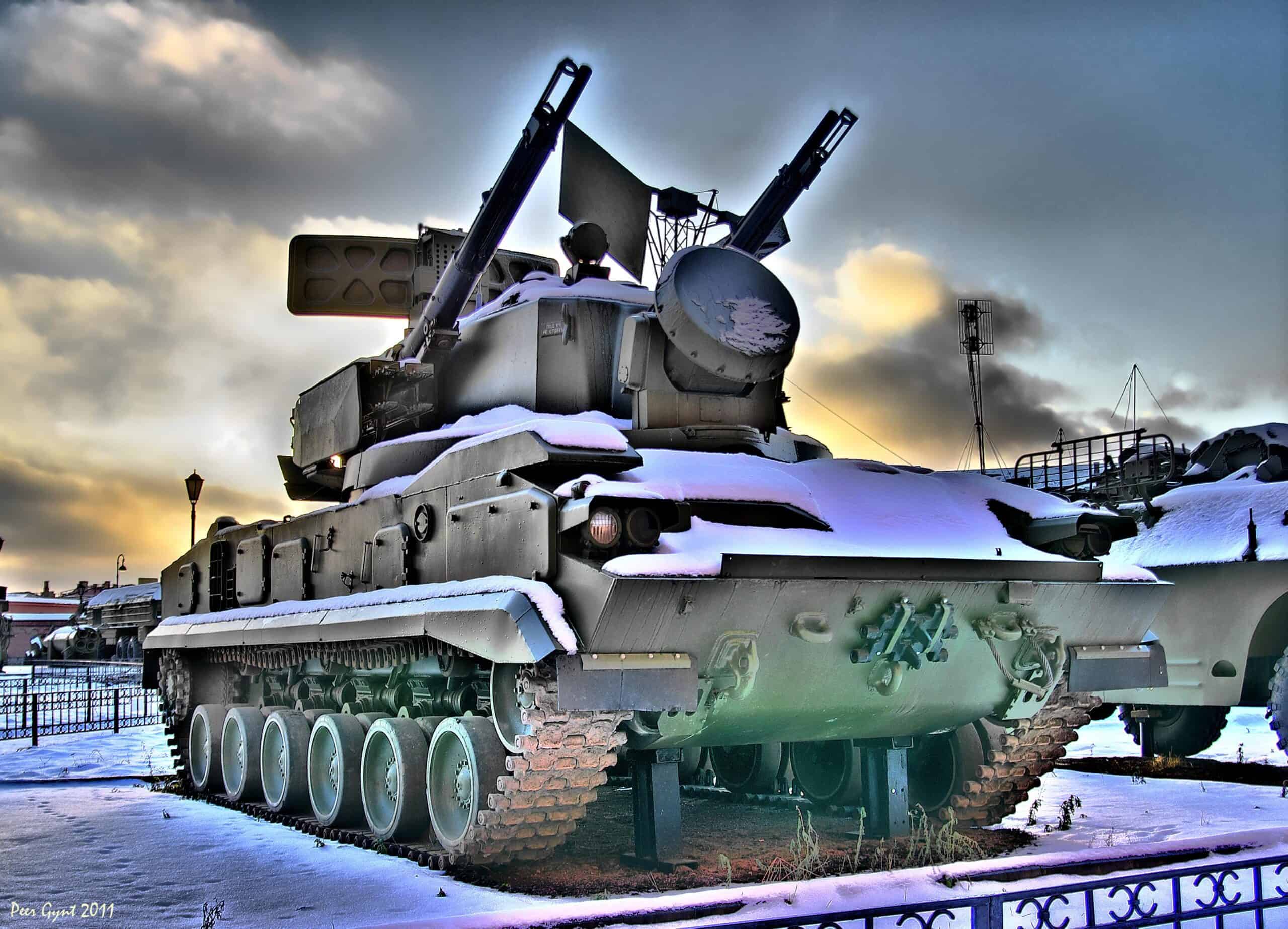
- Total artillery: 539
- Total towed: 170
- Total self-propelled: 369
- Total tanks: 517
- Total military vehicles: 6,700
- Total MLRS: 206
- Military strength score: 1.0901 – #64 out of 145
The Belarusian Army is fairly tank-heavy, with roughly 500 tanks. These are mainly Soviet-era T-72 models. The tanks work in tandem with sizable artillery backing and even advanced multiple-launch rocket systems.
Like many of the other Soviet satellites, Belarus inherited a great deal of Soviet infrastructure and assets that it still uses. For one, Belarus has one of the largest air forces in the region with over 180 aircraft at its disposal. It operates a series of modernized MiG-29 and other Sukhoi fighter jets in conjunction with a sizable helicopter fleet.
It should be noted that Belarus, like many of these other countries, is landlocked so it does not operate a navy. However, its strong ties to Russia avail it of naval assets for joint operations. Belarus came into its own in 1991 following the dissolution of the Soviet Union, again, it still maintains strong ties with Russia. These ties have greatly benefited this small Eastern European country, especially in terms of its military might.
3. Romania
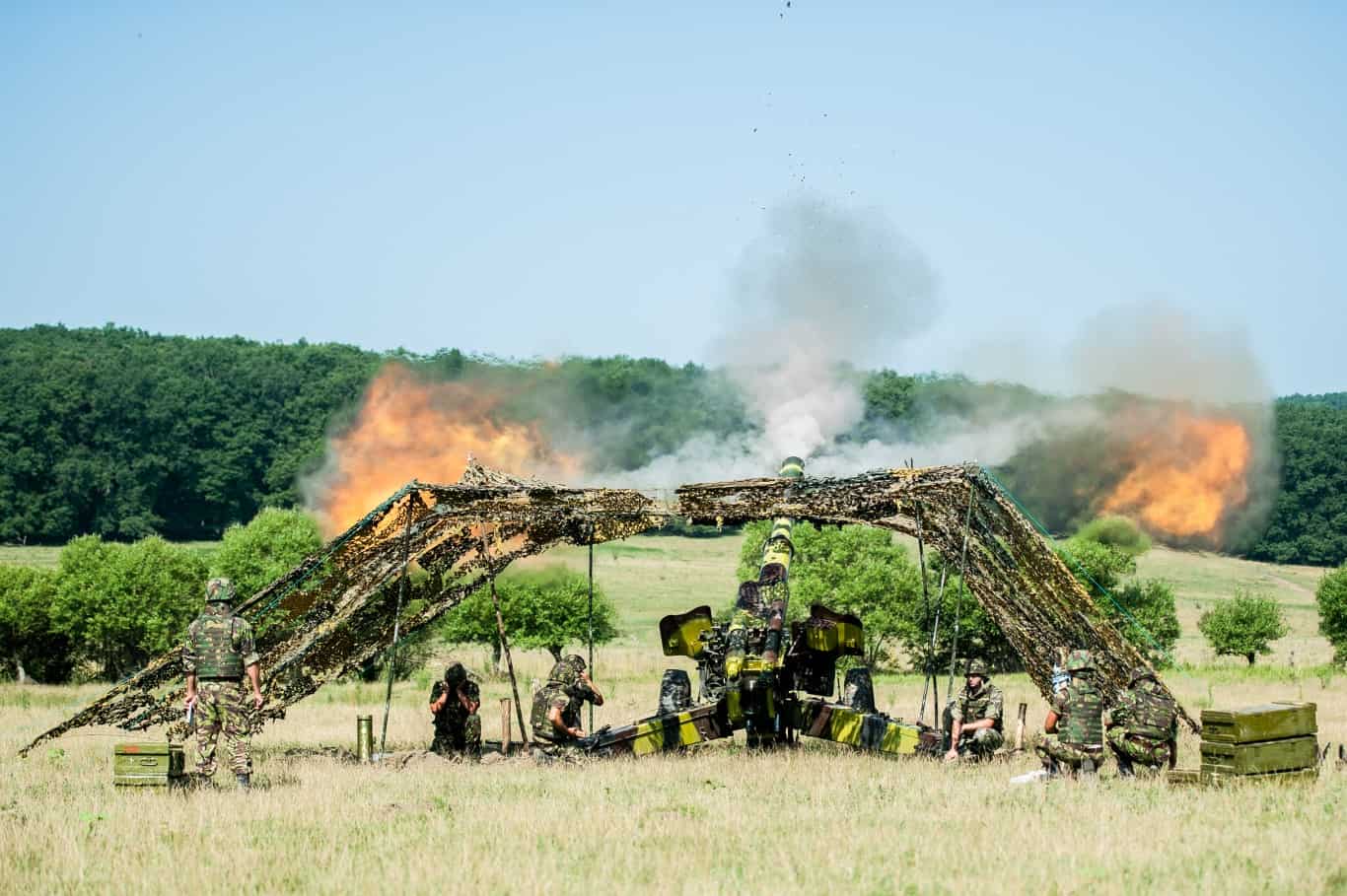
- Total artillery: 720
- Total towed: 720
- Total self-propelled: 0
- Total tanks: 345
- Total military vehicles: 9,990
- Total MLRS: 225
- Military strength score: 0.7712 – #47 out of 145
Romania operates a formidable tank force with roughly 350 units in service. Many of these, like the T-72, were inherited from the Soviets. However, Romania is locally producing its own tanks as well, like the TR-85 model. Complementing these tanks is Romania’s sizable artillery force, which has over 700 total units, including advanced MLRS units.
In terms of an air force, Romania operates a series of F-16 jets obtained from its NATO allies. However, it has over 40 new F-35 Lightning II fighter jets on order from the United States. These are on the cutting edge of stealth technology and pack some serious firepower.
Romania’s navy, although small, is important with the country’s Black Sea coastline. Its fleet of frigates, corvettes, and patrol boats contribute to regional security and NATO naval operations.
Like many other Eastern European nations, Romania was also part of the Warsaw Pact. Romania inherited Soviet assets and infrastructure but has since transitioned to allying with Western powers when it joined NATO in 2004.
2. Ukraine
- Total artillery: 2,217
- Total towed: 1,012
- Total self-propelled: 1,205
- Total tanks: 1,777
- Total military vehicles: 22,110
- Total MLRS: 491
- Military strength score: 0.2598 – #18 out of 145
Ukraine’s military has undergone a significant transformation since it gained independence from the Soviet Union in 1991. However, the current conflict may serve to reunify some regions of Ukraine with Russia. This is yet to be decided as the conflict is ongoing.
For going up against a world military superpower, Ukraine has fared decently over the past two years. Although Russia greatly outmatches Ukraine on basically all fronts, Ukraine has stood its ground respectably. According to the force ratio principle, or 3:1 rule, an invading force typically needs to be significantly larger than the defending force to succeed, which makes Ukraine’s ability to hold its ground against a much larger Russian military seriously impressive.
As it stands now, Ukraine has active military personnel totaling roughly 900,000. Along with this, it has over 320 military aircraft and nearly 1,800 tanks. Its artillery is fairly impressive as well, with over 2,000 units in service. However, as the conflict is ongoing, these numbers are subject to change and accurate reporting may not come about for years.
1. Russia
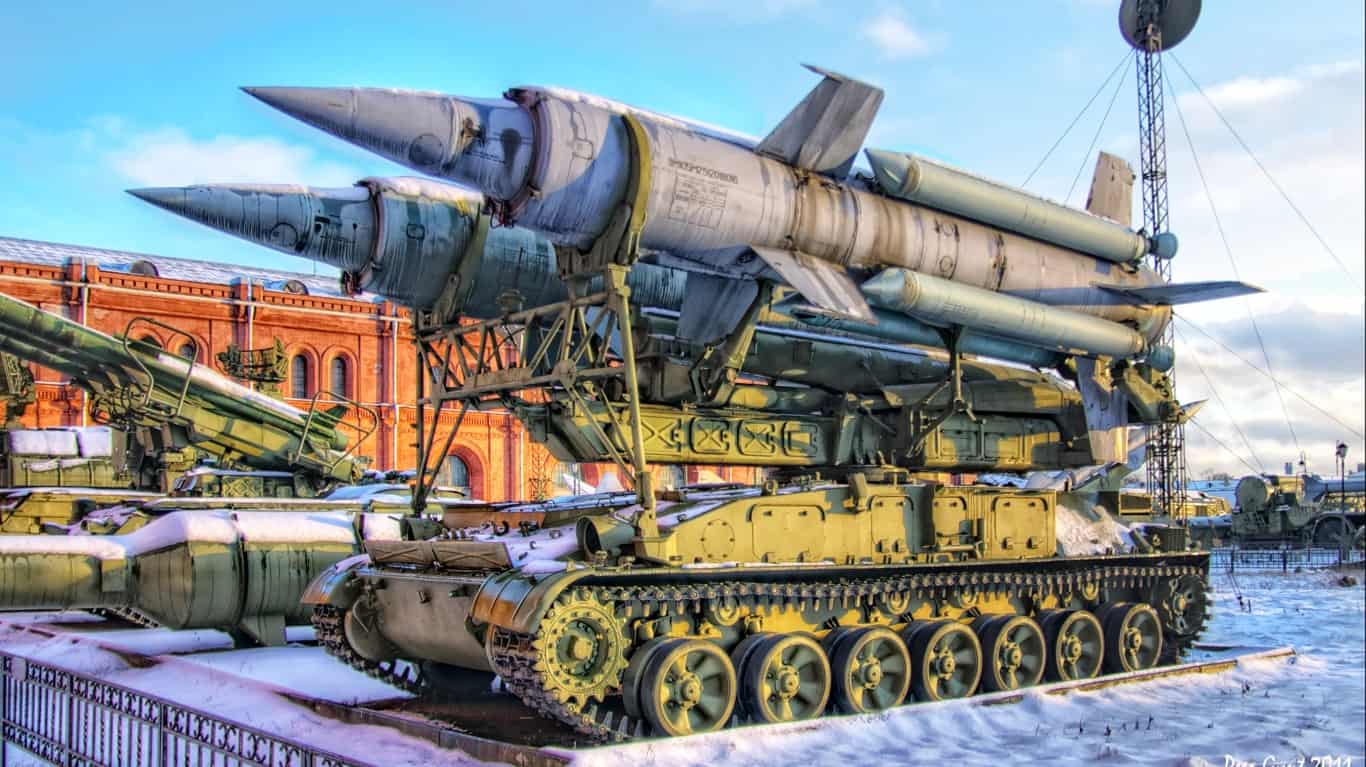
- Total artillery: 14,564
- Total towed: 8,356
- Total self-propelled: 6,208
- Total tanks: 14,777
- Total military vehicles: 161,382
- Total MLRS: 3,065
- Military strength score: 0.0702 – #2 out of 145
Russia’s military stands as the undisputed powerhouse of Eastern Europe, backed by sheer numbers, advanced technology, and historical legacy. From the Soviet era to the modern era, the Red Army has made leaps and bounds in crafting one of the strongest military forces on the planet.
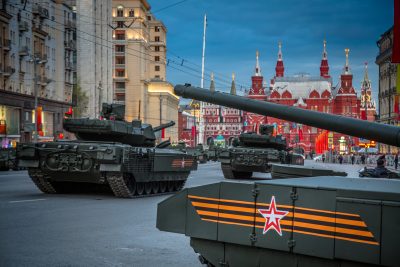
With a force of over 1 million active personnel, Russia maintains the largest standing army in the region. These troops are flanked by the largest tank army on the planet, with over 14,000 units, including the new T-90 and T-14 Armata tanks. It also boasts the largest artillery force in the world.
At the same time, Russia also operates one of the most advanced air forces in the world. It is one of the few elite actually developing its own fifth-generation fighter jets, incorporating the newest stealth technology.






 Top Gaining Stocks
 Top Losing Stocks