


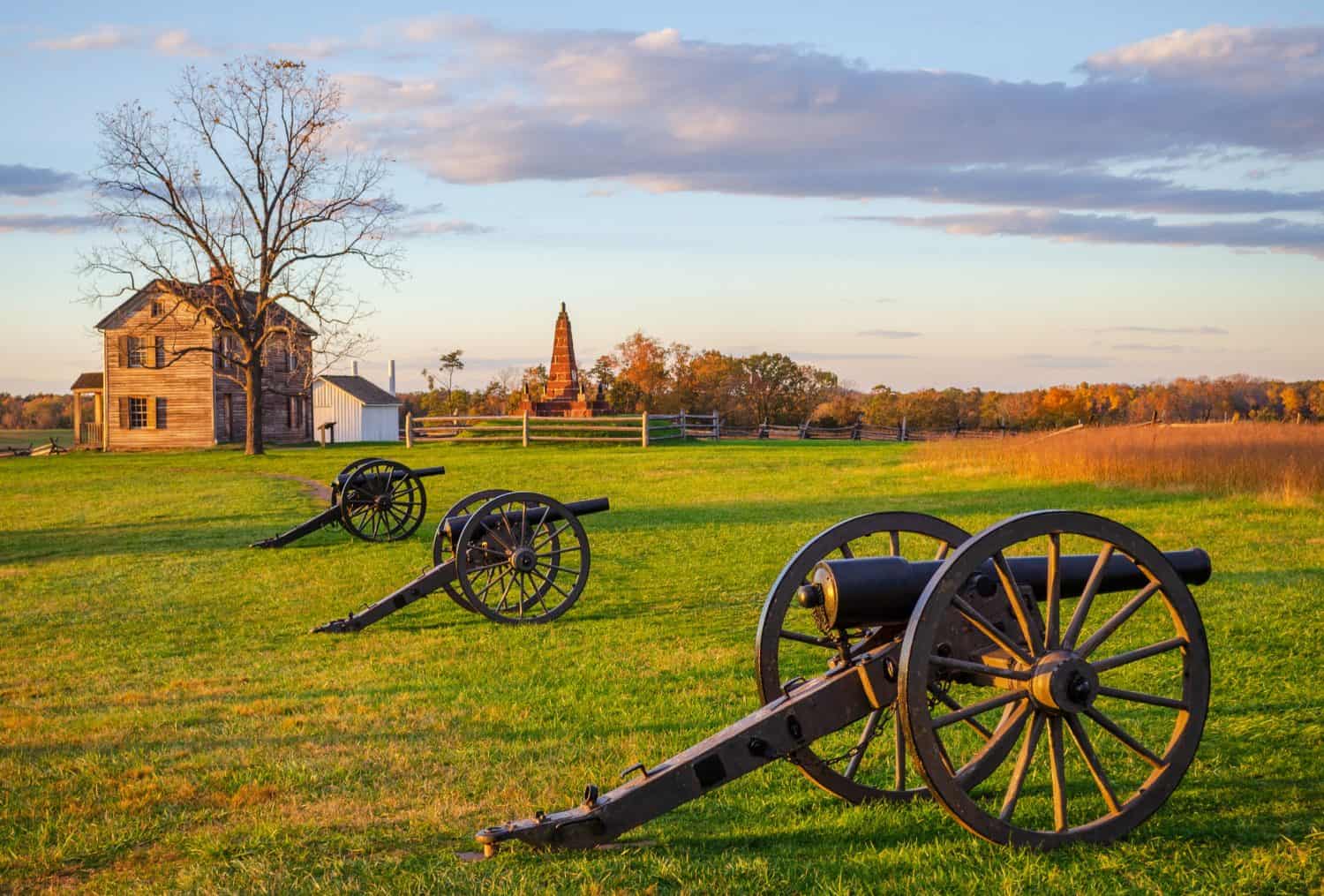
As the deadliest war in United States history, the Civil War is a period many would like to forget. However, it’s impossible to erase the importance of a multi-year conflict that almost completely tore the country apart.
24/7 Wall St. Key Points
- The Civil War was one of the darkest periods in American history.
- Tensions between the Northern and Southern states led to an all-out war.
- The Northern states were better supplied and equipped than the South.
- Also: Discover “The Next NVIDIA”
While the cause of the war is often the source of much debate, there is little argument that the fight over slavery played a significant role in the conflict between the Northern and Southern states.
Unfortunately, a basic understanding of the American Civil War has seemingly been lost, which means the average American can’t answer some of the most straightforward questions regarding this conflict.
1. Question
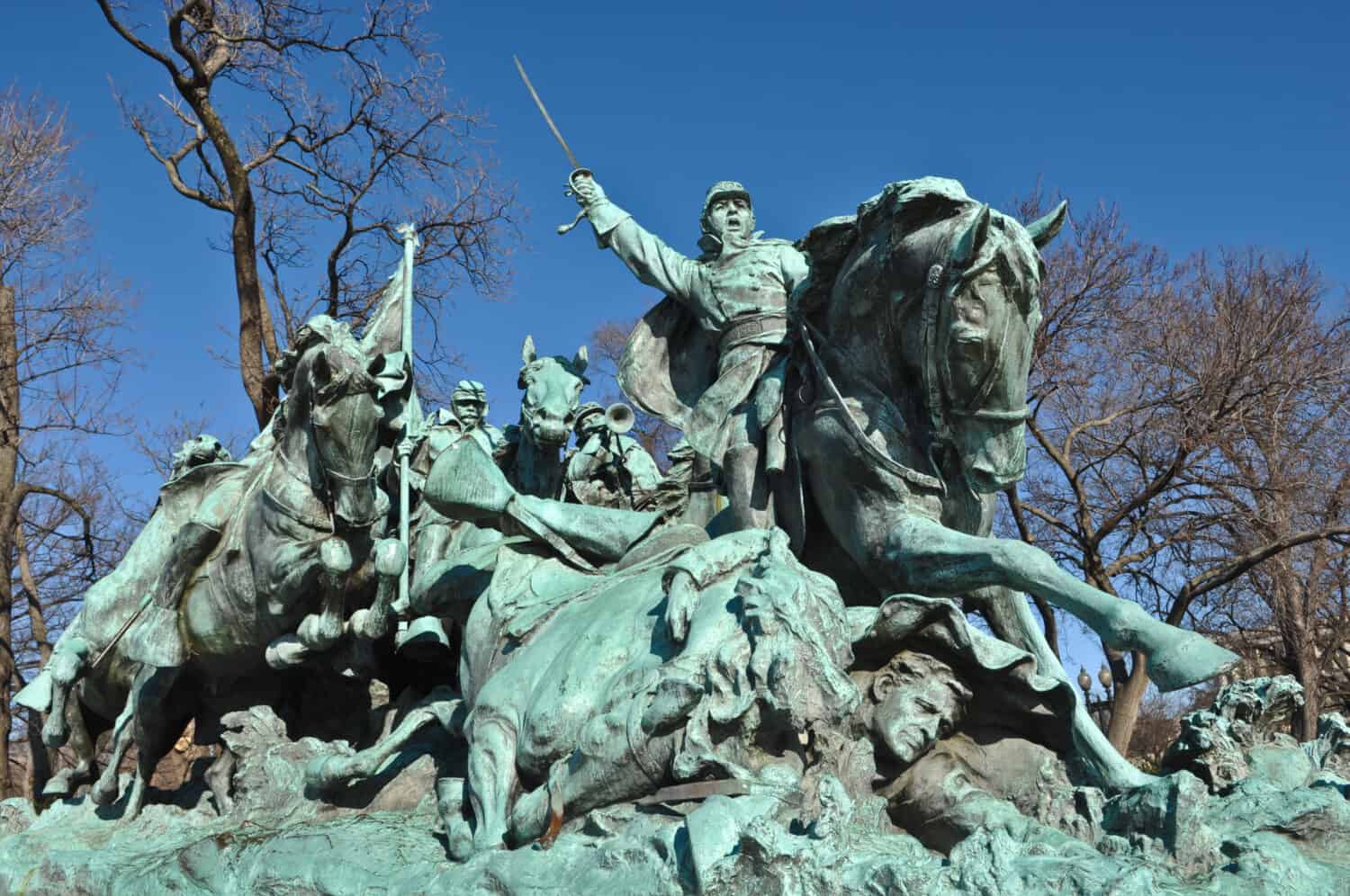
What was the main cause of the Civil War?
Answer: Slavery and States’ Rights
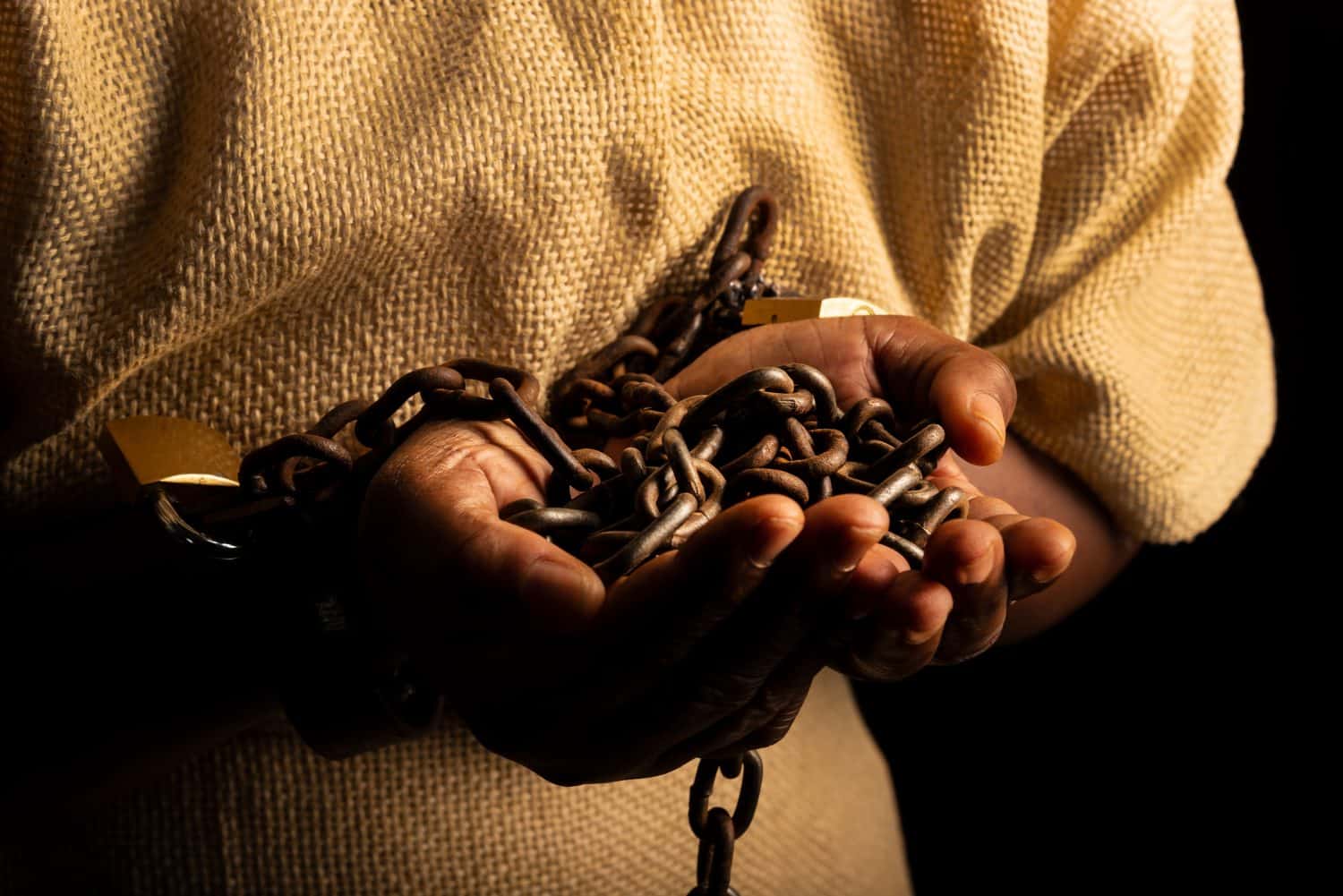
The cause of the Civil War has long been a hotly contested issue, and there is plenty of supporting evidence to claim that slavery was the main issue. However, the Southern States also wanted to continue their agriculturally-focused economy. Southern states saw Abraham Lincoln as a president who could threaten their way of life.
2. Question
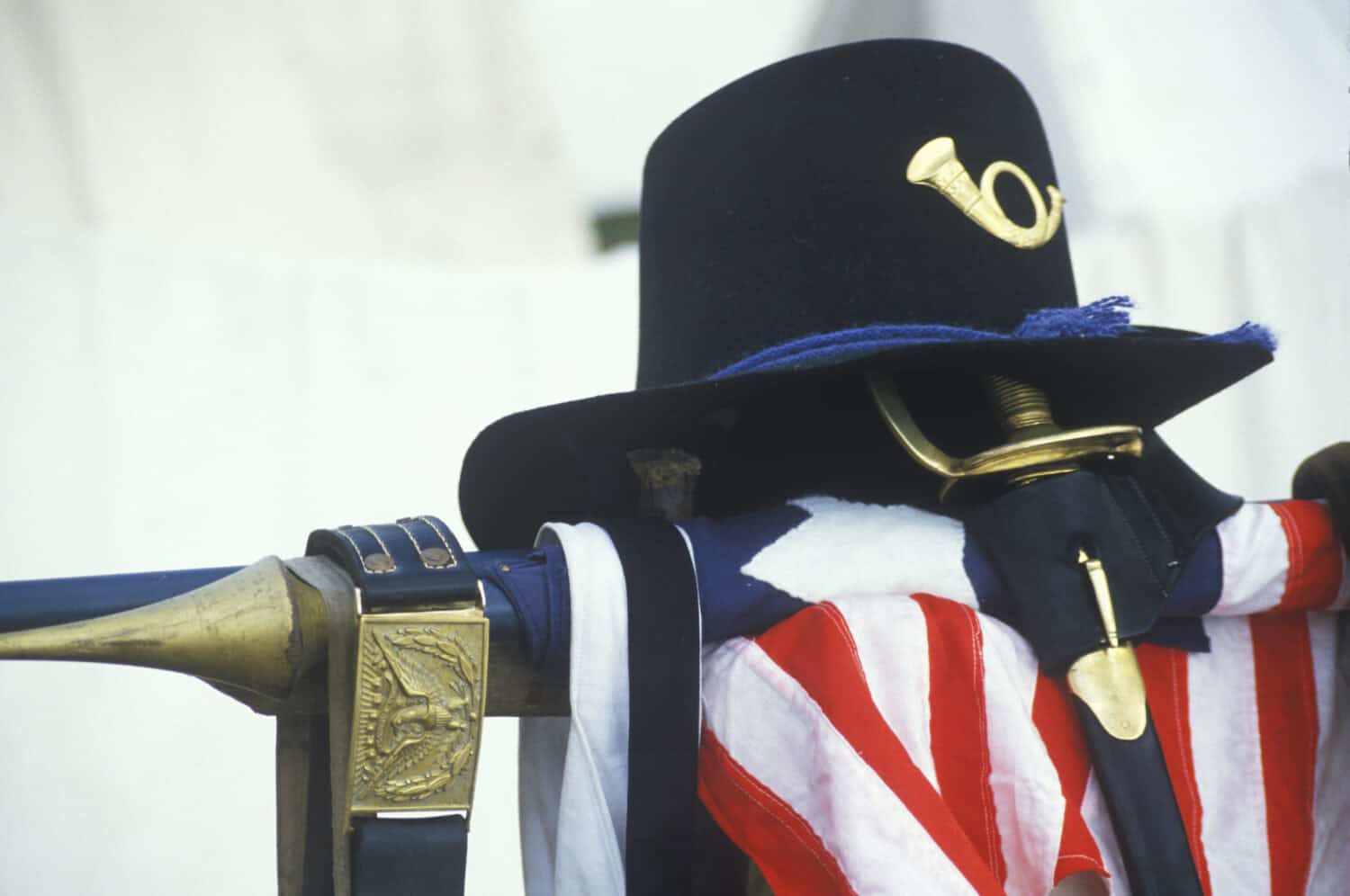
What were Abraham Lincoln’s goals in the Civil War?
Answer: Preserving the Union
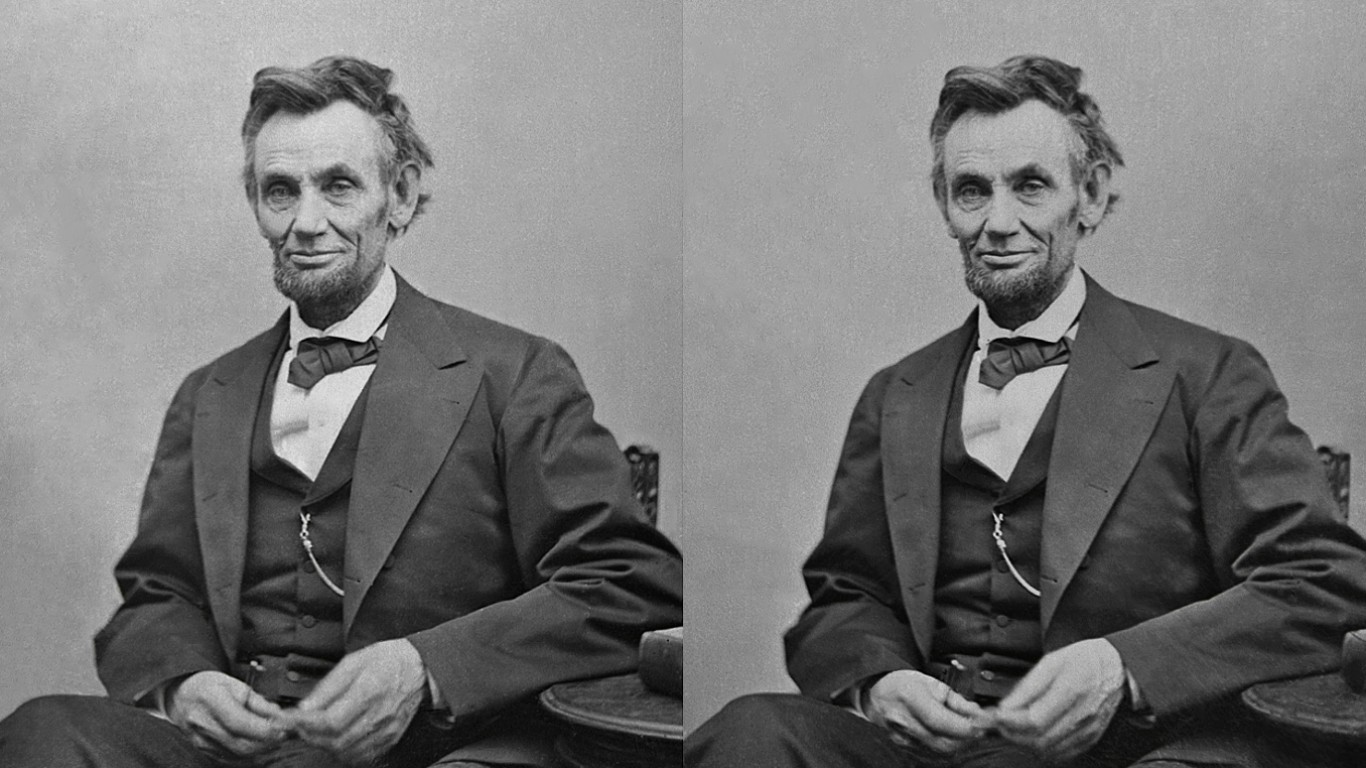
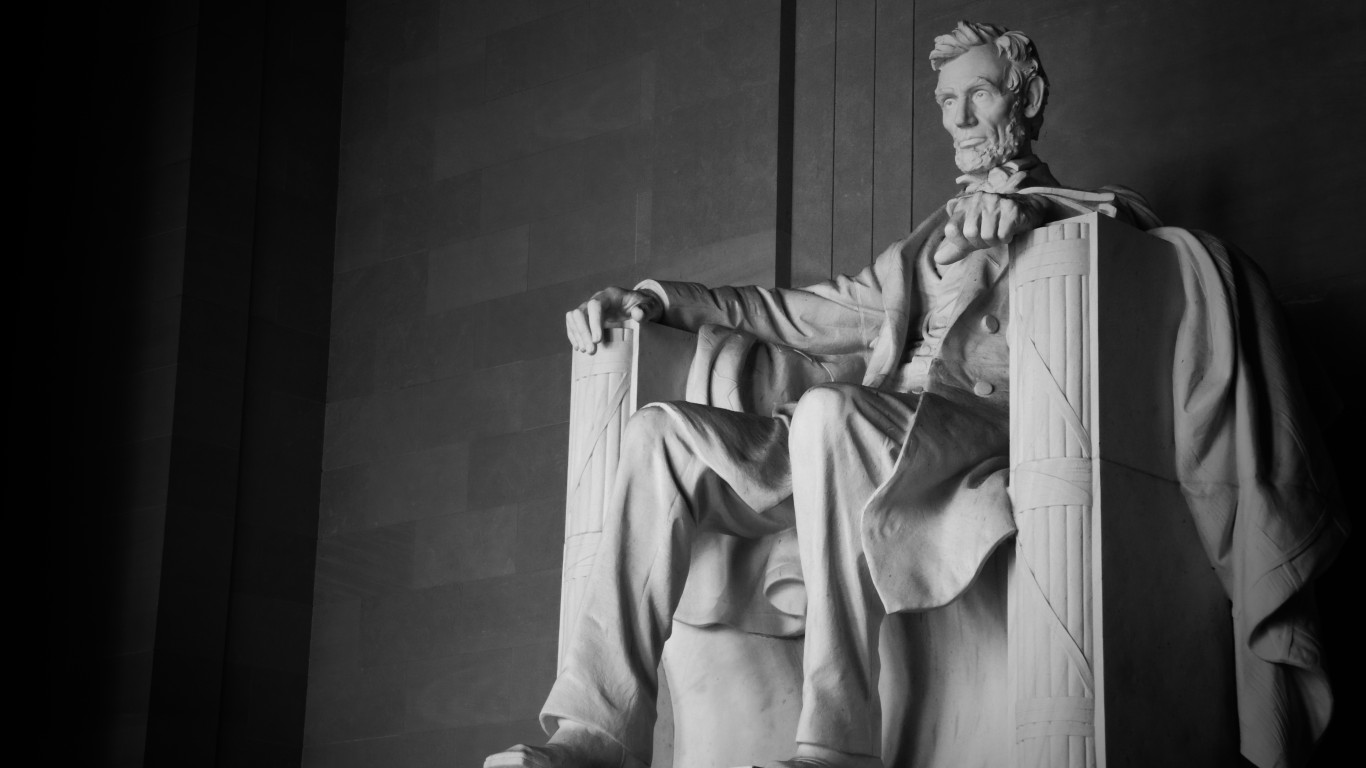
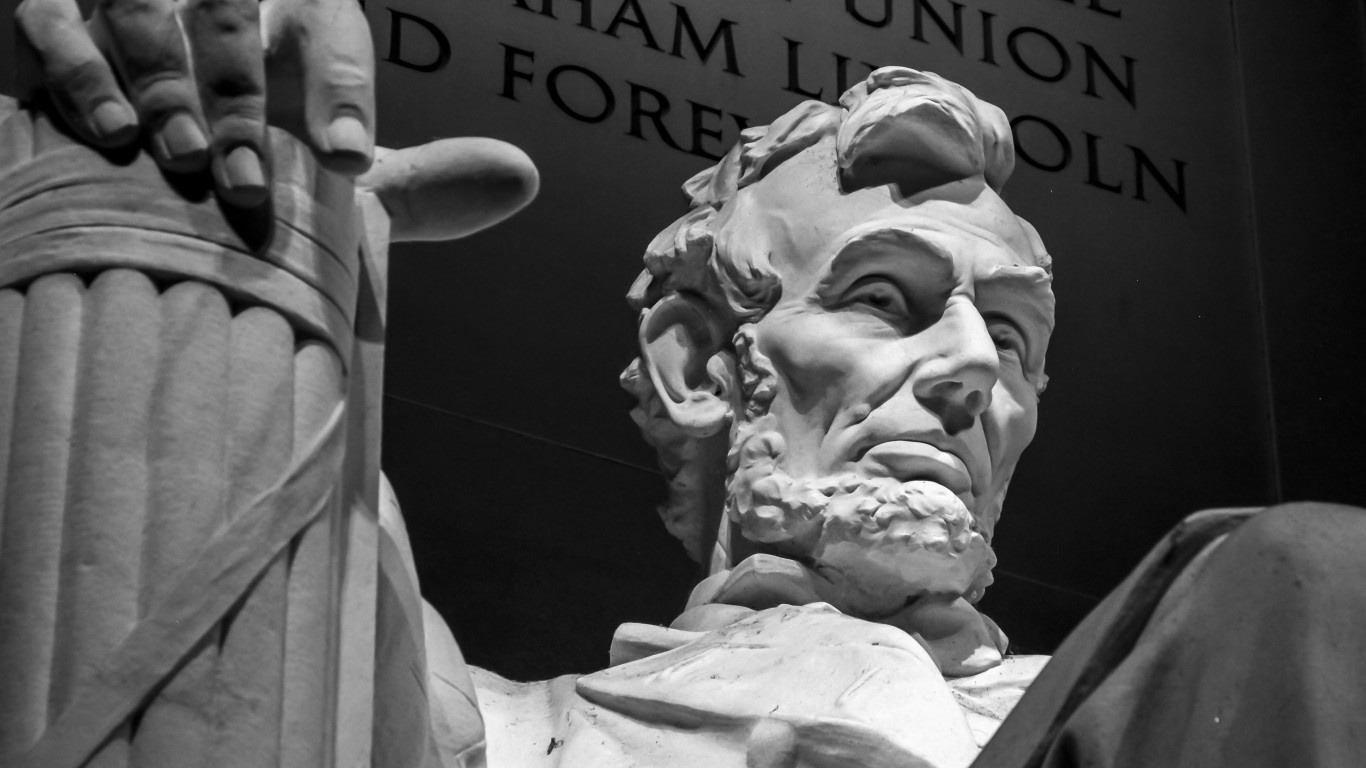
Preserving the Union was at the top of Abraham Lincoln’s to-do list for the Union during the Civil War. Abolishing slavery became a main focus of his as the war carried on, in part due to the Northern states becoming increasingly anti-slavery. After winning the war, he kept the Union together, and abolition became a reality.
3. Question
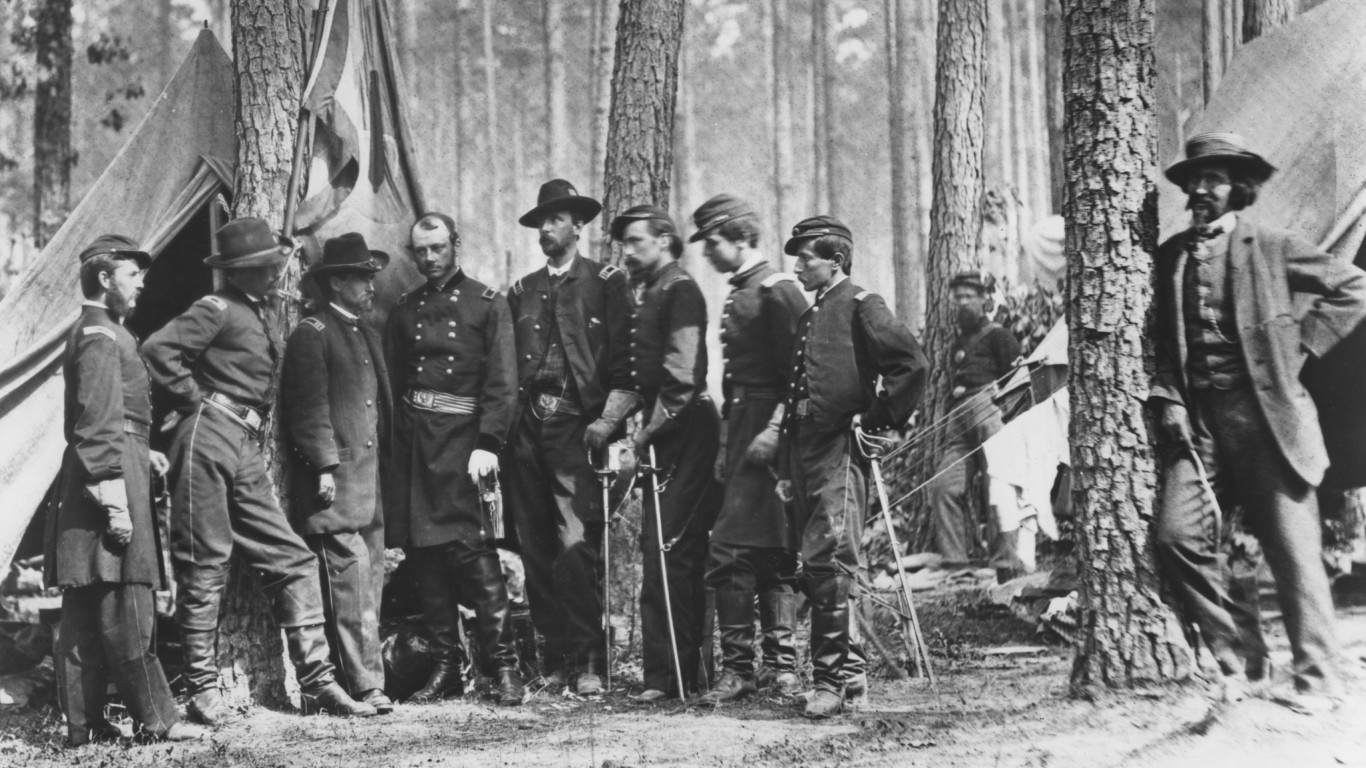
How many people died during the Civil War?
Answer: Approximately 850,000
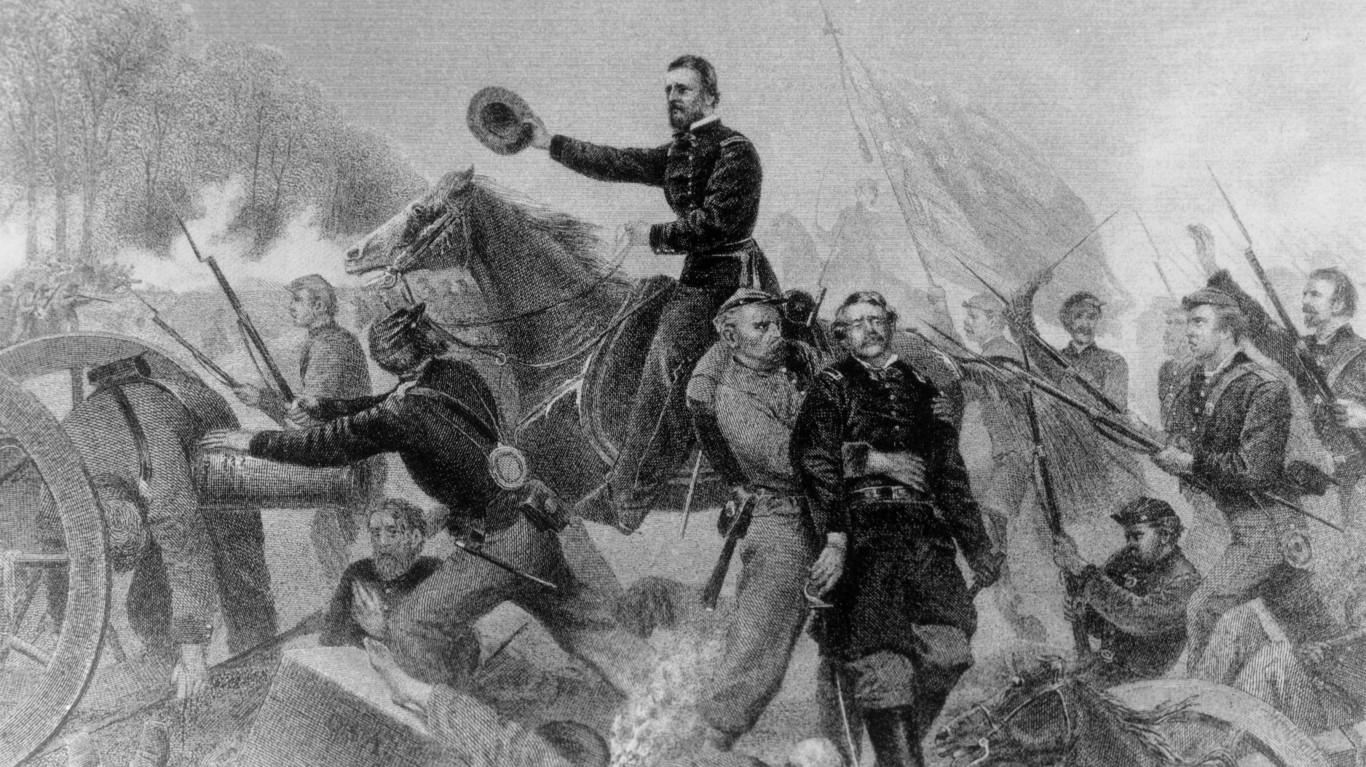
There is little debate that the Civil War was one of the deadliest conflicts in United States history. It’s believed to have caused the death of anywhere between 750,000 to 850,000 soldiers. This number is larger than the deaths of American soldiers from both World War I and World War II combined.
4. Question

When did the Civil War start and end?
Answer: 1861 – 1865
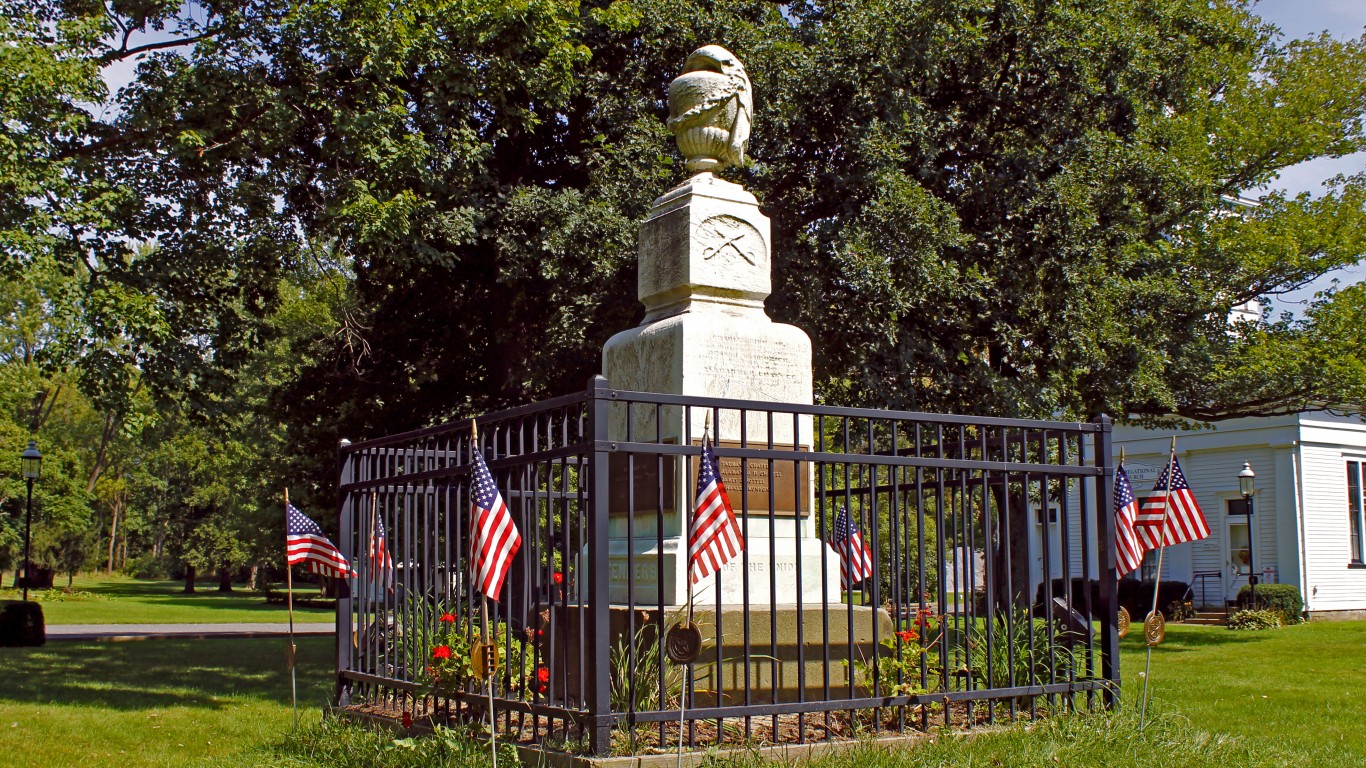
The first shots of the Civil War were fired on April 12, 1861, when Confederate forces fired on a Union army camp at Fort Sumter in South Carolina. The war officially ended on April 9, 1865, when Confederate General Robert E. Lee surrendered to General Ulysses S. Grant at Appomattox court house in Virginia.
5. Question
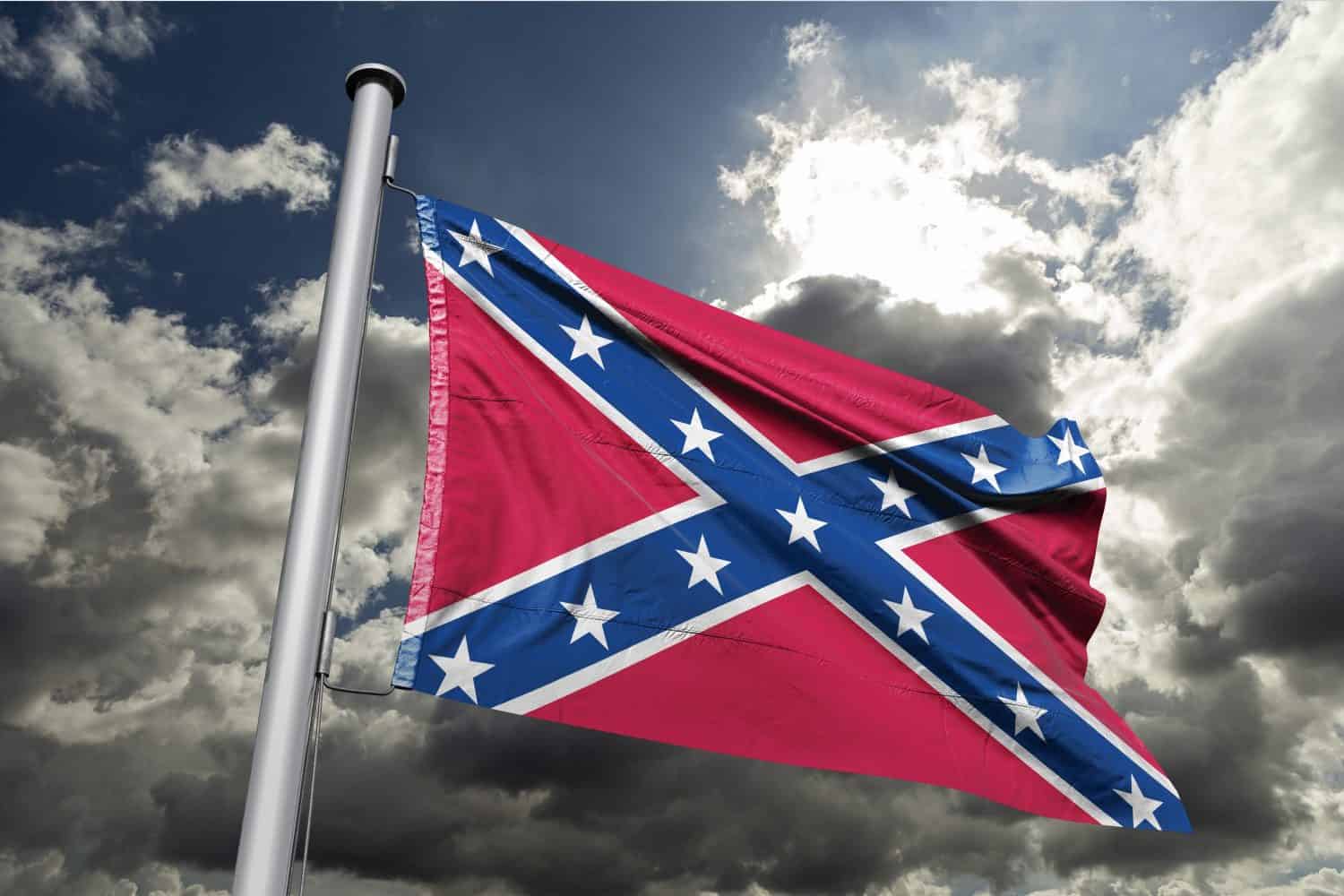
What states were part of the Confederacy?
Answer: 11 states
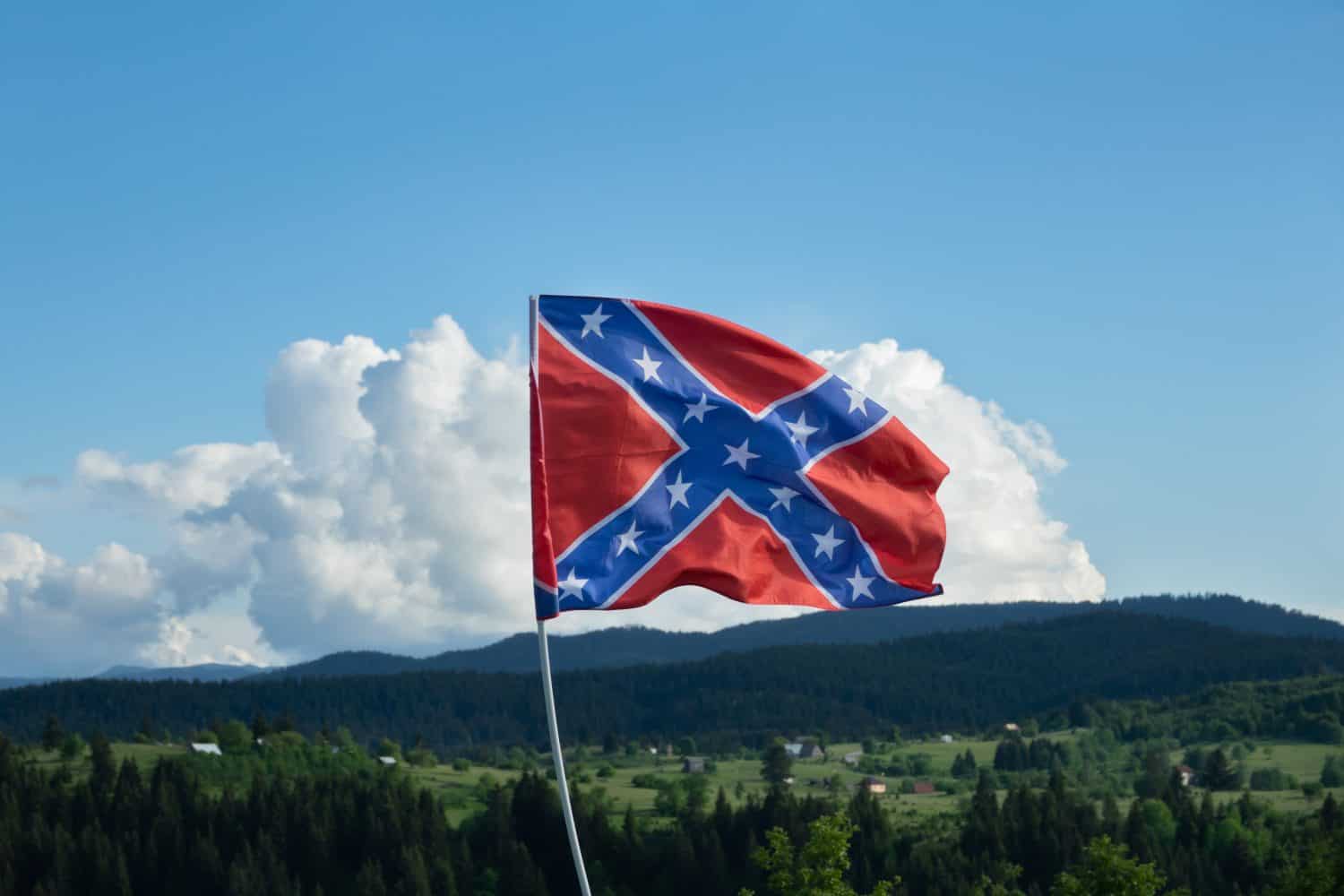
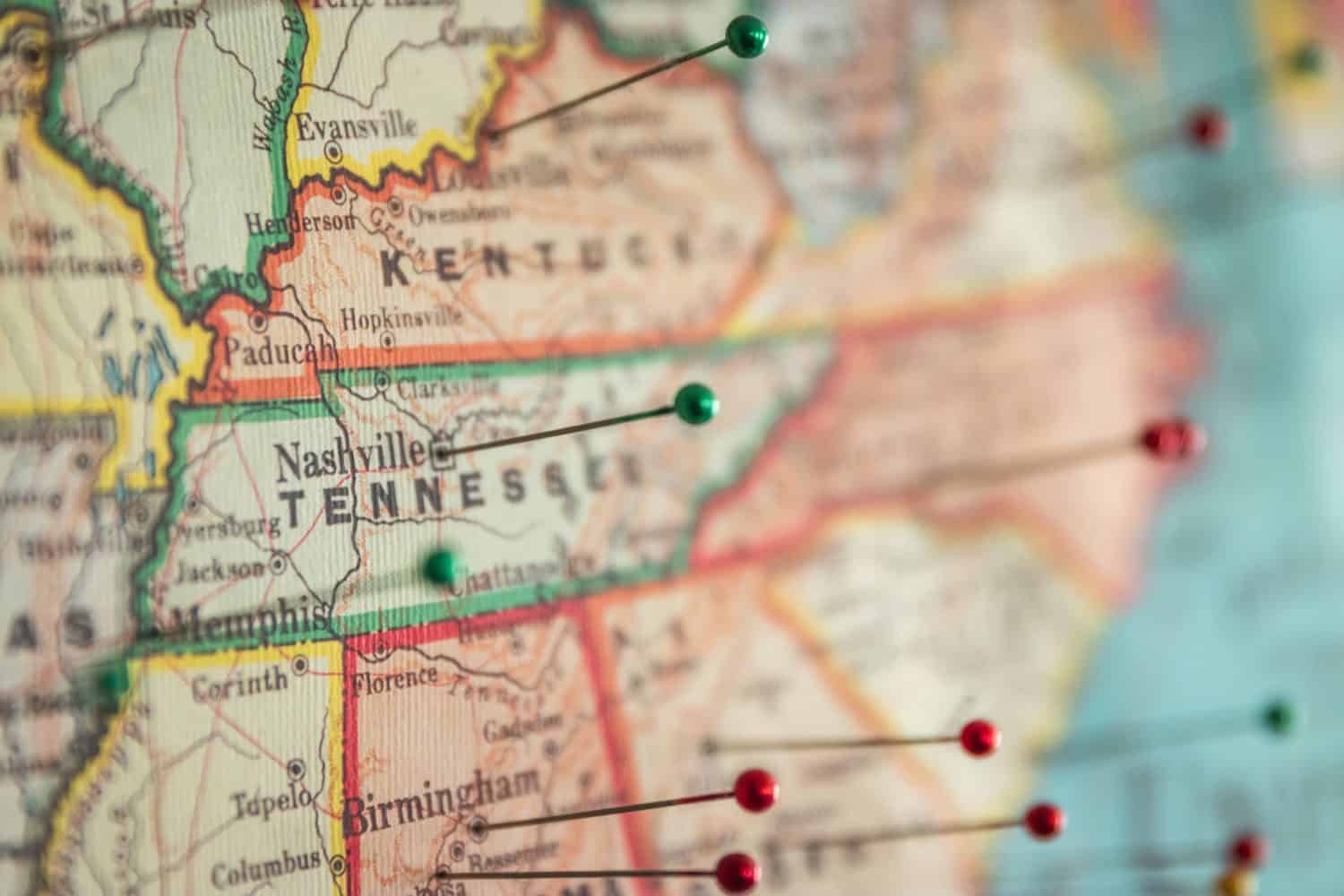
The Confederacy comprised 11 states, including South Carolina, Mississippi, Florida, Alabama, Georgia, Louisiana, Texas, Virginia, Arkansas, North Carolina, and Tennessee.
6. Question
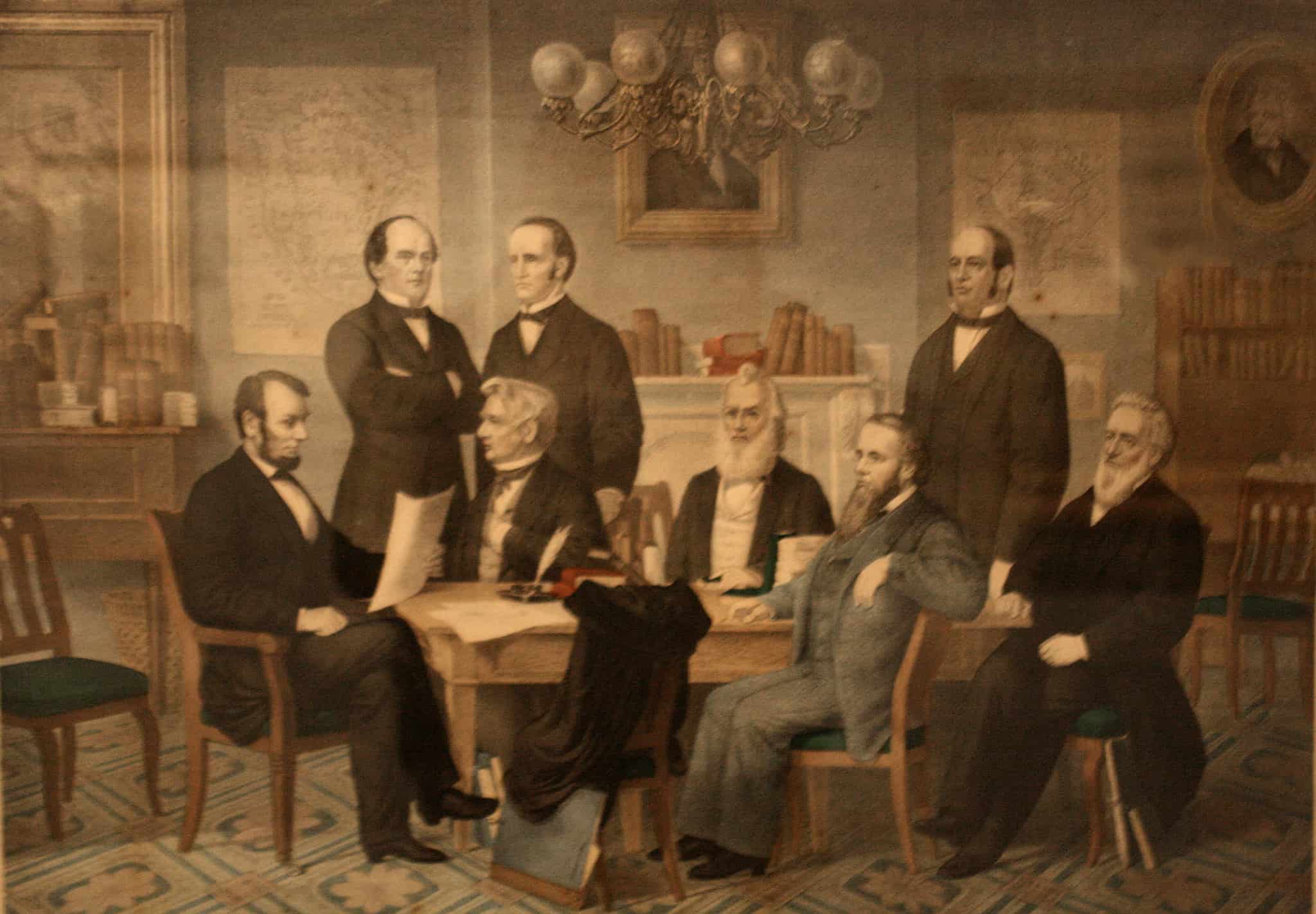
What was the significance of the Emancipation Proclamation?
Answer: Freedom for Slaves
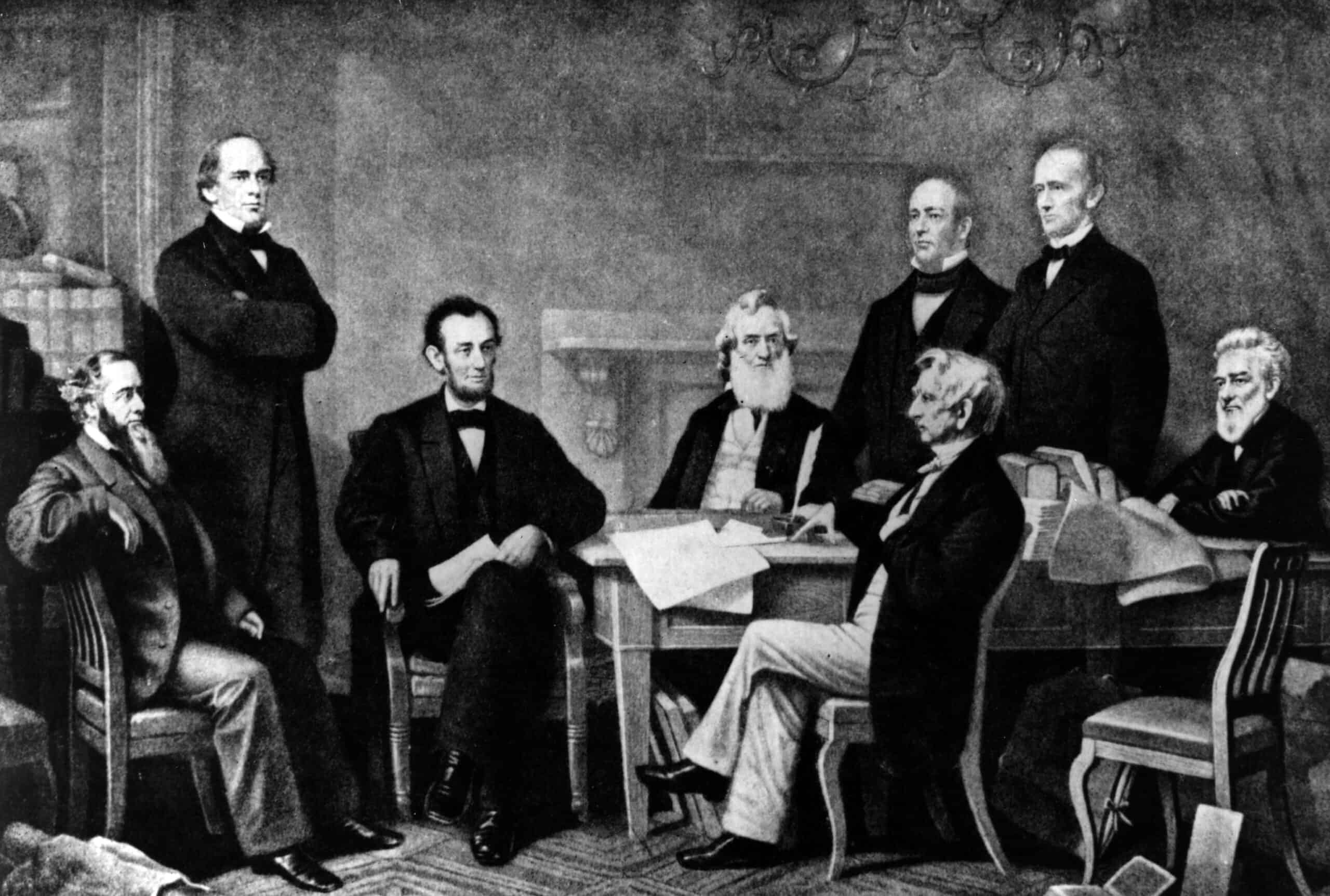
One of President Abraham Lincoln’s most critical moments was on January 1, 1863, when he declared freedom for all enslaved individuals, including those in Confederate states. This was a turning point that would focus the war not just on preserving the Union but also on abolishing slavery. Lincoln also made his speech to prevent foreign powers from helping the Confederate states like France.
7. Question
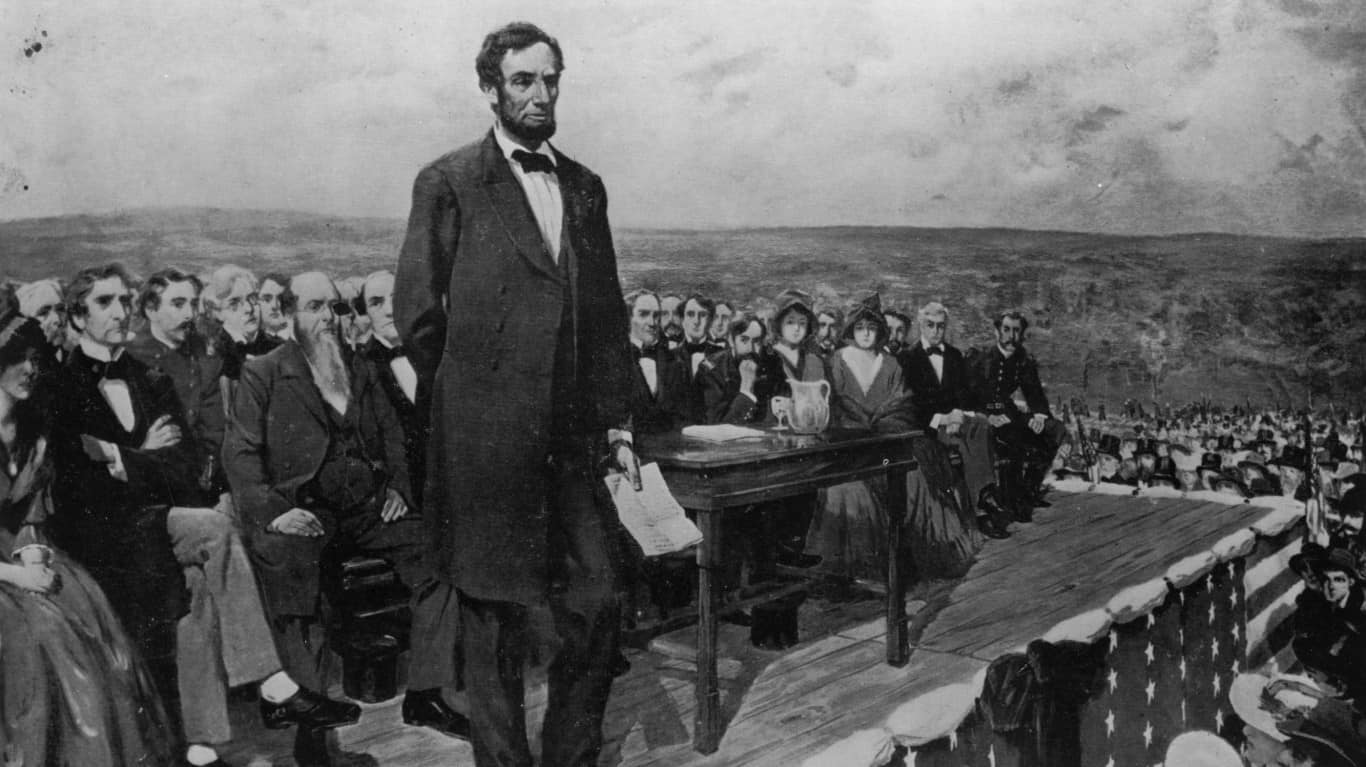
What was the significance of the Battle of Gettysburg?
Answer: Turning Point War
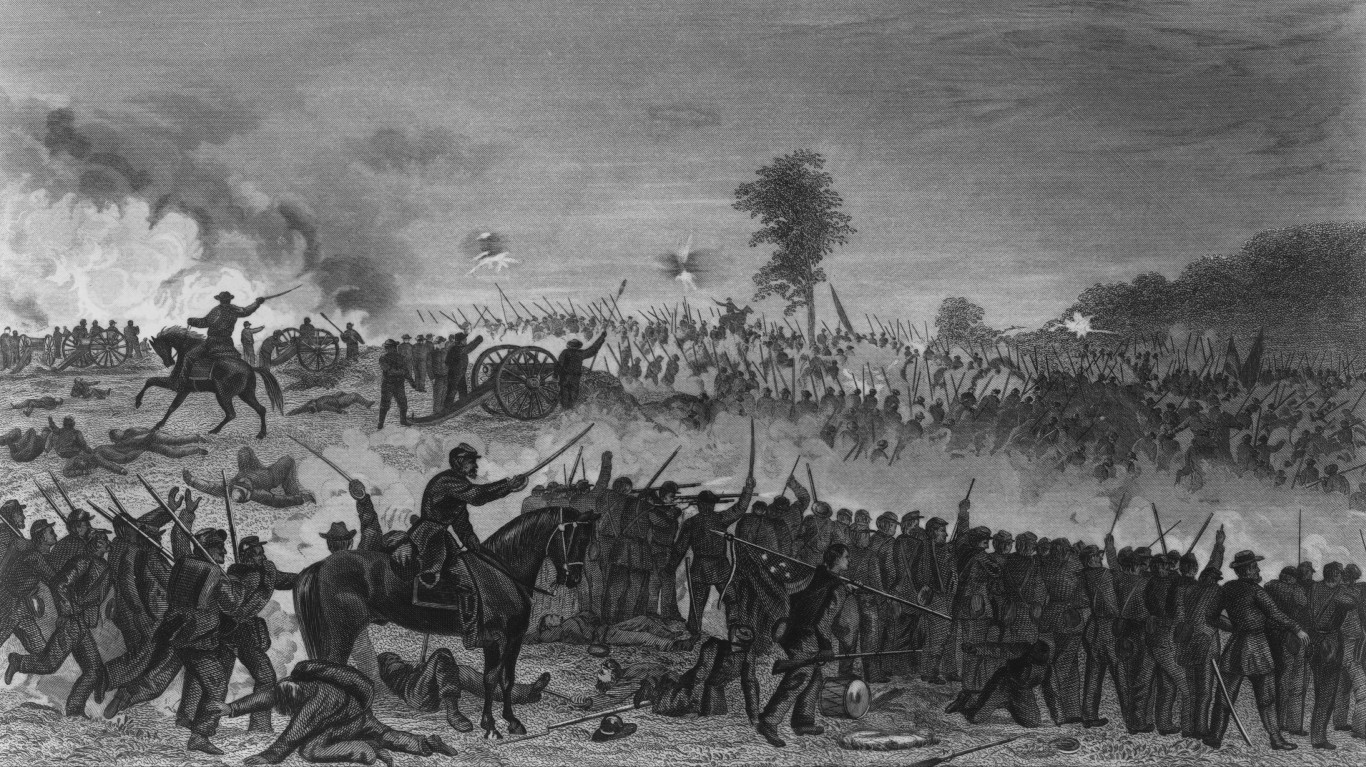
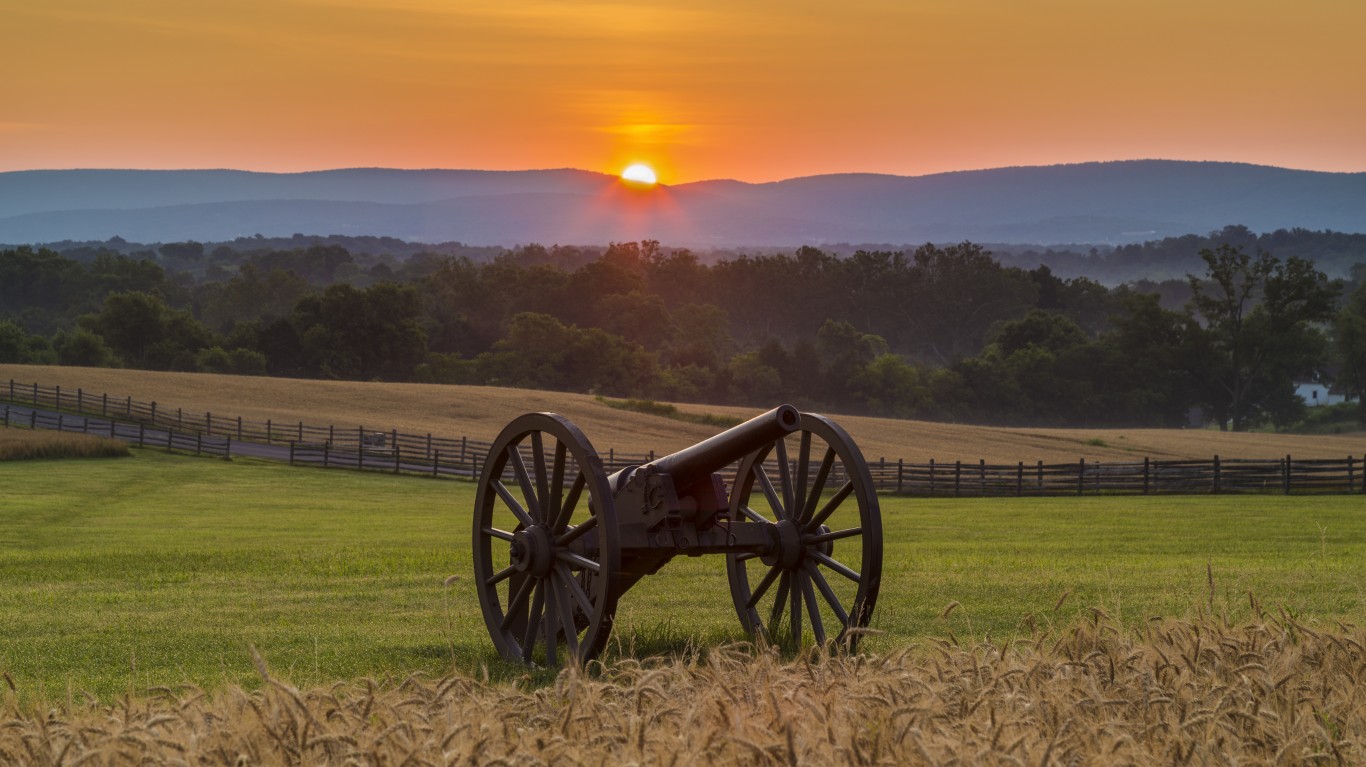
The Battle of Gettysburg, which took place on July 1, 1863, and ended on July 3, is primarily considered a significant turning point in the war. It remains the biggest, most important battle ever in North America, resulting in over 50,000 casualties between both sides. The Union victory would end the Confederacy’s hope of invading the Northern states.
8. Question

How did the Civil War affect the economy of the United States?
Answer: Different Impacts for the North and South

The economic impact of the Civil War continued to be strong for the Union and the Northern states, thanks to the growing industrialization movement. On the other hand, the Confederacy suffered numerous equipment and supply shortages, inflation, and almost a complete economic collapse. The war marked a major point in converting the US into a major industrial economy.
9. Question
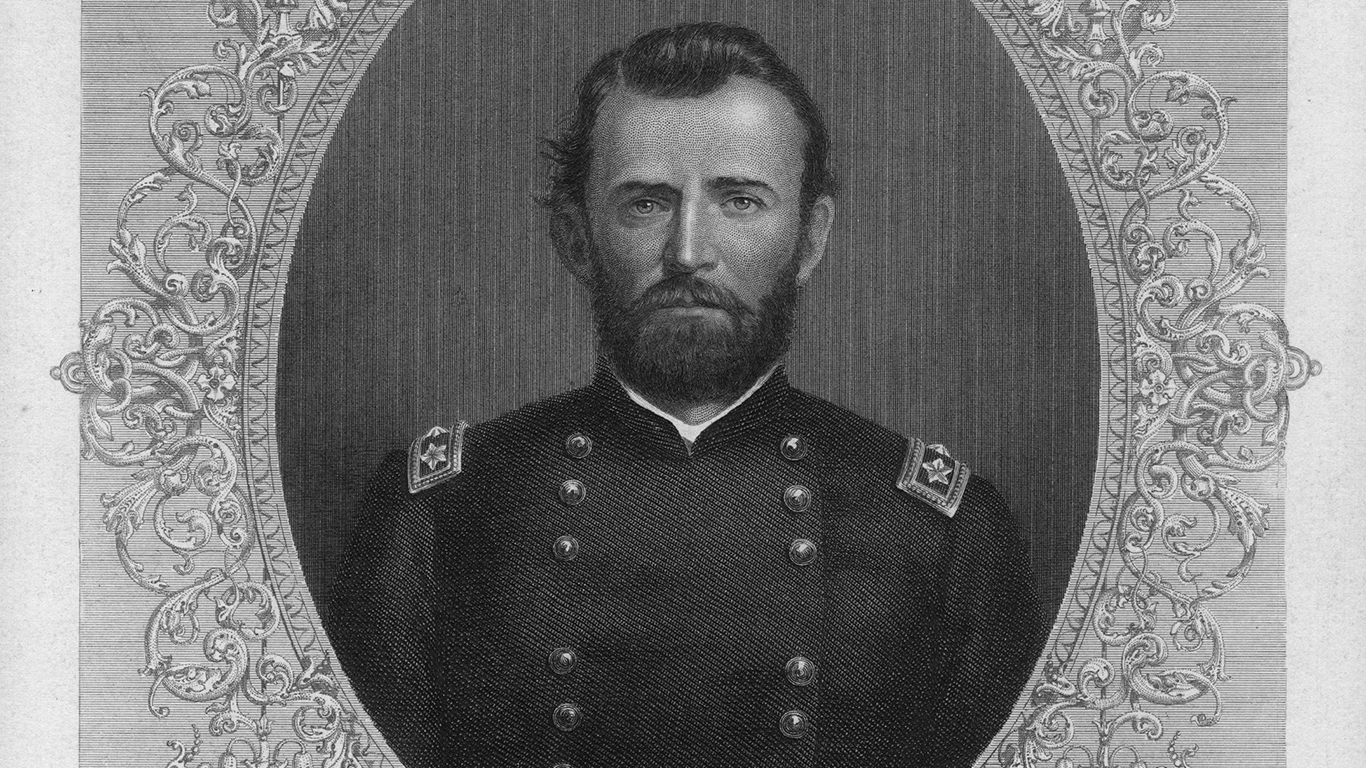
What was the role of General Ulysses S. Grant?
Answer: Head of Union Army
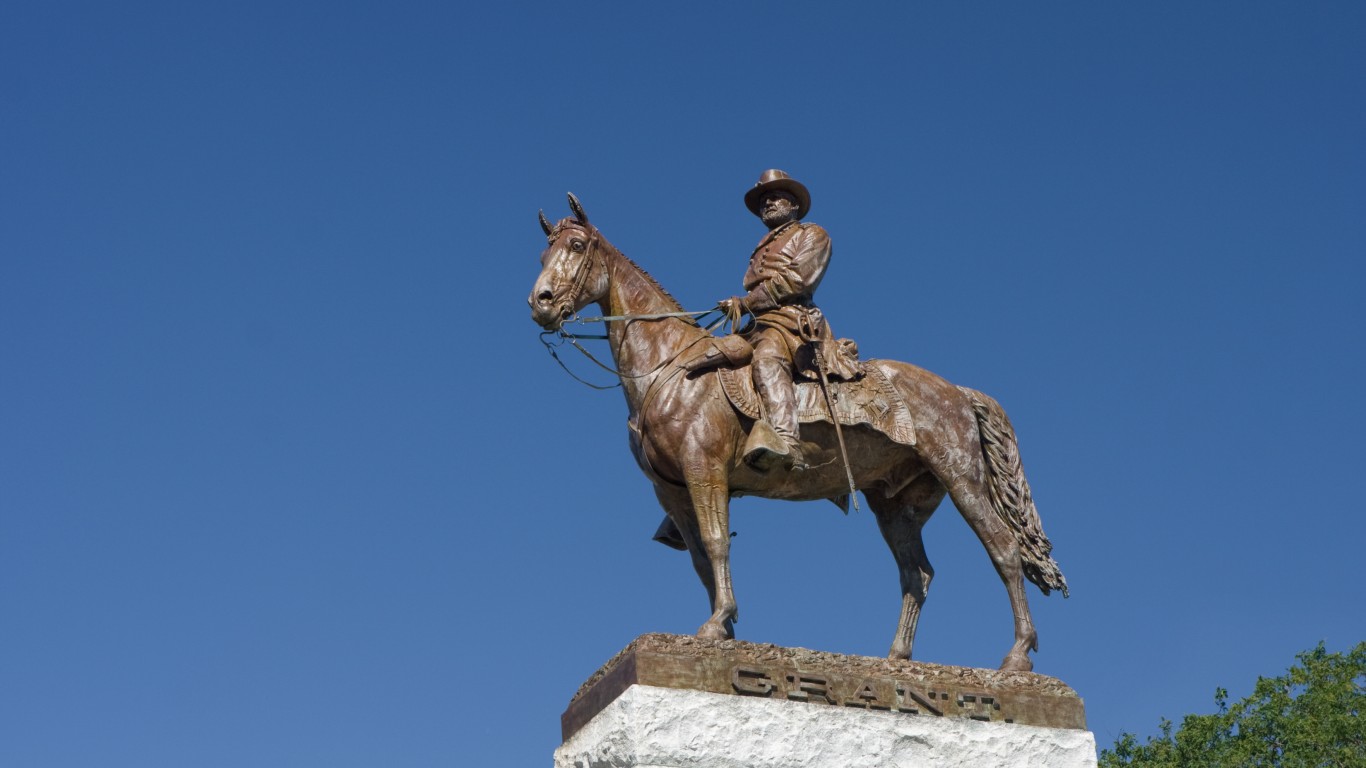
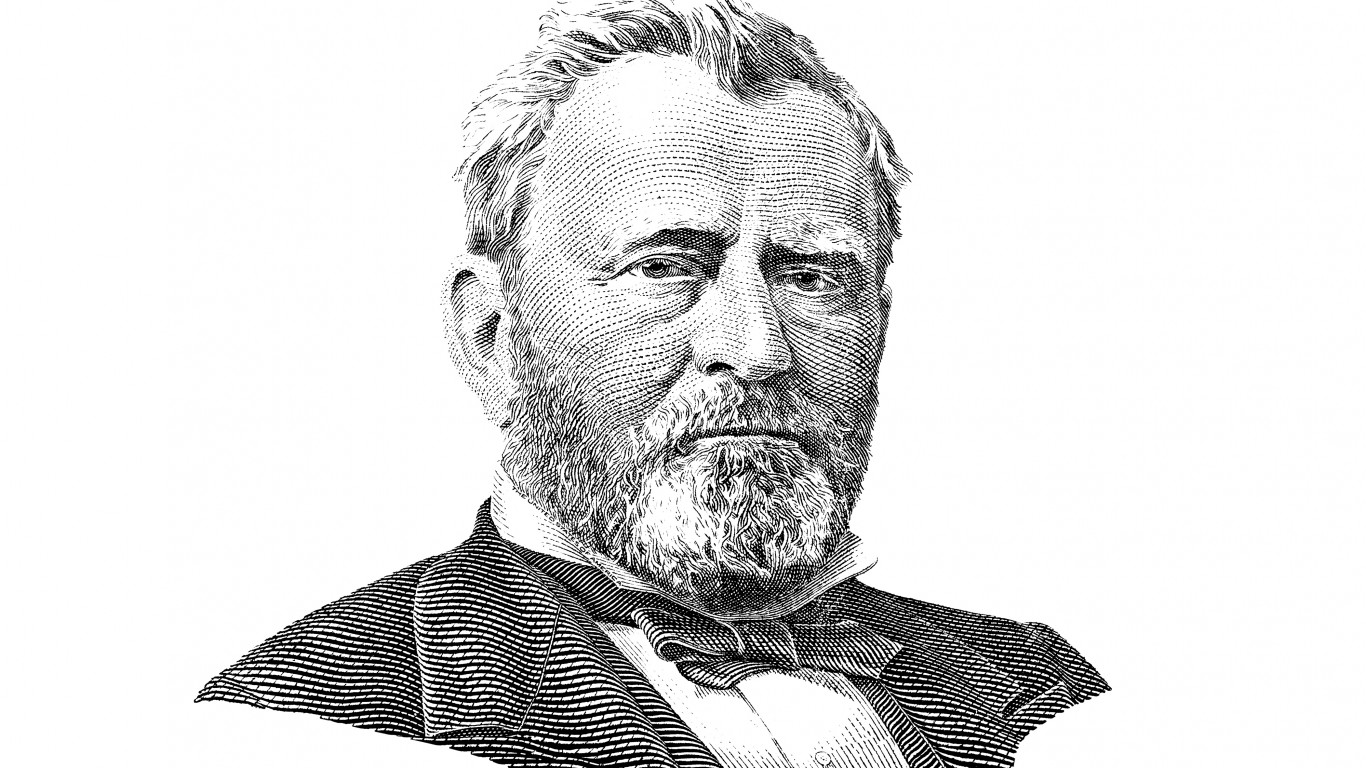
Before he was President, General Ulysses S. Grant was the Union’s most successful general. He was in charge of Union forces at Vicksburg and Chattanooga, decisive Union victories. In 1864, Lincoln appointed Grant as the commanding officer of all Union forces, and his strategies in future Union army conflicts led to the Confederacy’s surrender.
10. Question
What was the Anaconda plan, and why was it important?
Answer: Split the South into Two
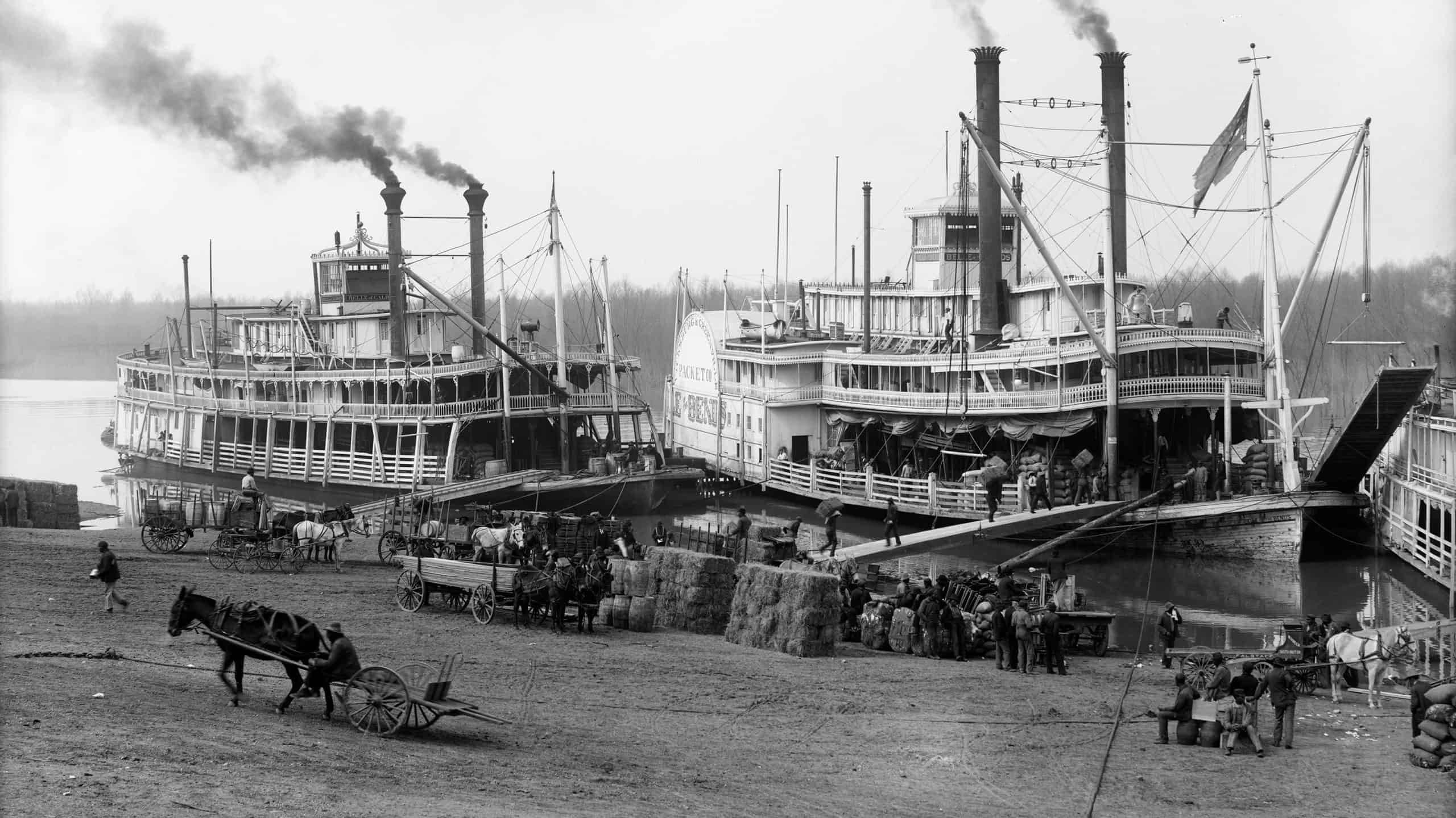
A primary strategy of the Union was to figure out a way to divide the Southern states into two and weaken their ability to sustain a lengthy war. The Anaconda Plan called for a blockade of Southern ports. It gave the Union control of the Mississippi River, which the Union achieved. This resulted in massive disruption to Southern trade routes, depriving them of much-needed resources.
11. Question
How did the Civil War change the United States?
Answer: Jump Started the Industrial Economy
One of the Civil War’s biggest impacts was that it jump-started America’s shift into a mainly industrial society and away from relying on agriculture as the primary economic sector. The war also helped redefine the balance of power between the federal government and state rights.
12. Question
What long-term impacts did the Civil War have on American society?
Answer: Continued Racial Tension
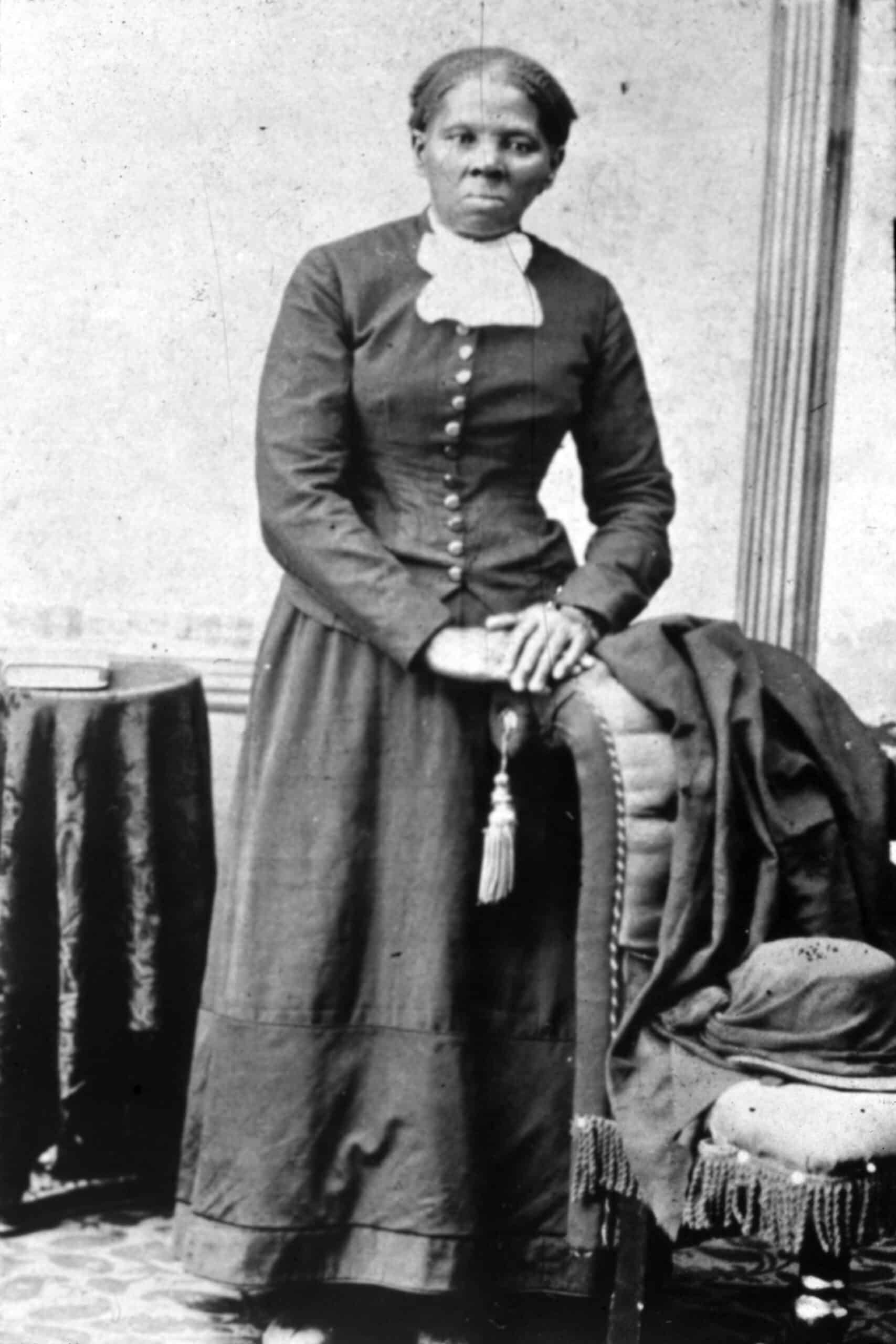
While the Civil War ended the question of slavery in the United States, the social issues that helped cause it continued even after the war’s end. Racial tension in the United States continued until the Civil Rights Act in 1964, which finally gave minorities similar rights as the rest of America.
13. Question
What was Reconstruction, and how did it affect the country after the war?
Answer: Reintegrate Southern States
The Reconstruction plan was the main focus of Lincoln and his administration, as the war seemed to be coming to an end in favor of the Union. The goal of Reconstruction, which lasted from 1865 – 1877, was to formally reintegrate the Southern states into the Union and rebuild their economies. Reconstruction also looked to establish rights for all African Americans, but the backlash to this part of post-war America led to the rise of the Jim Crow laws.
14. Question
How did the Civil War impact already enslaved individuals?
Answer: Freedom, Escape to the North
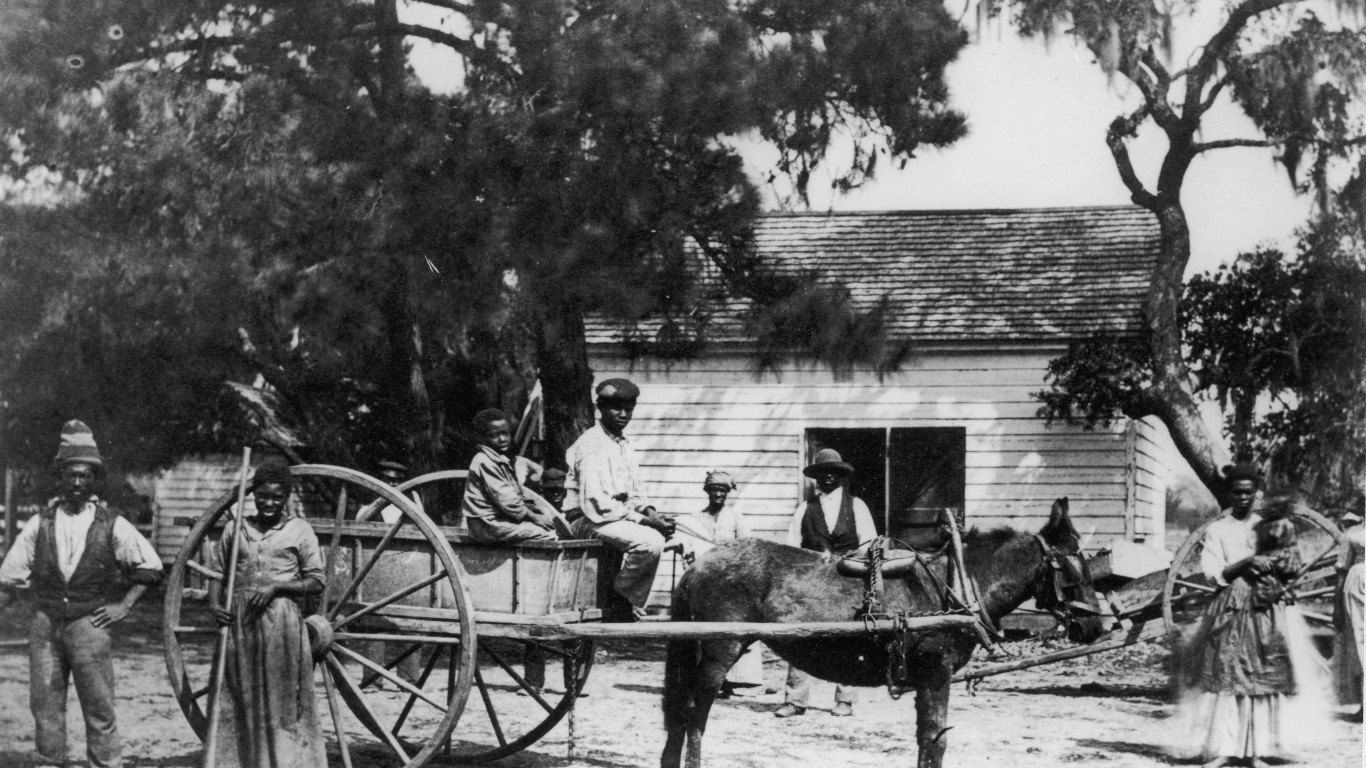
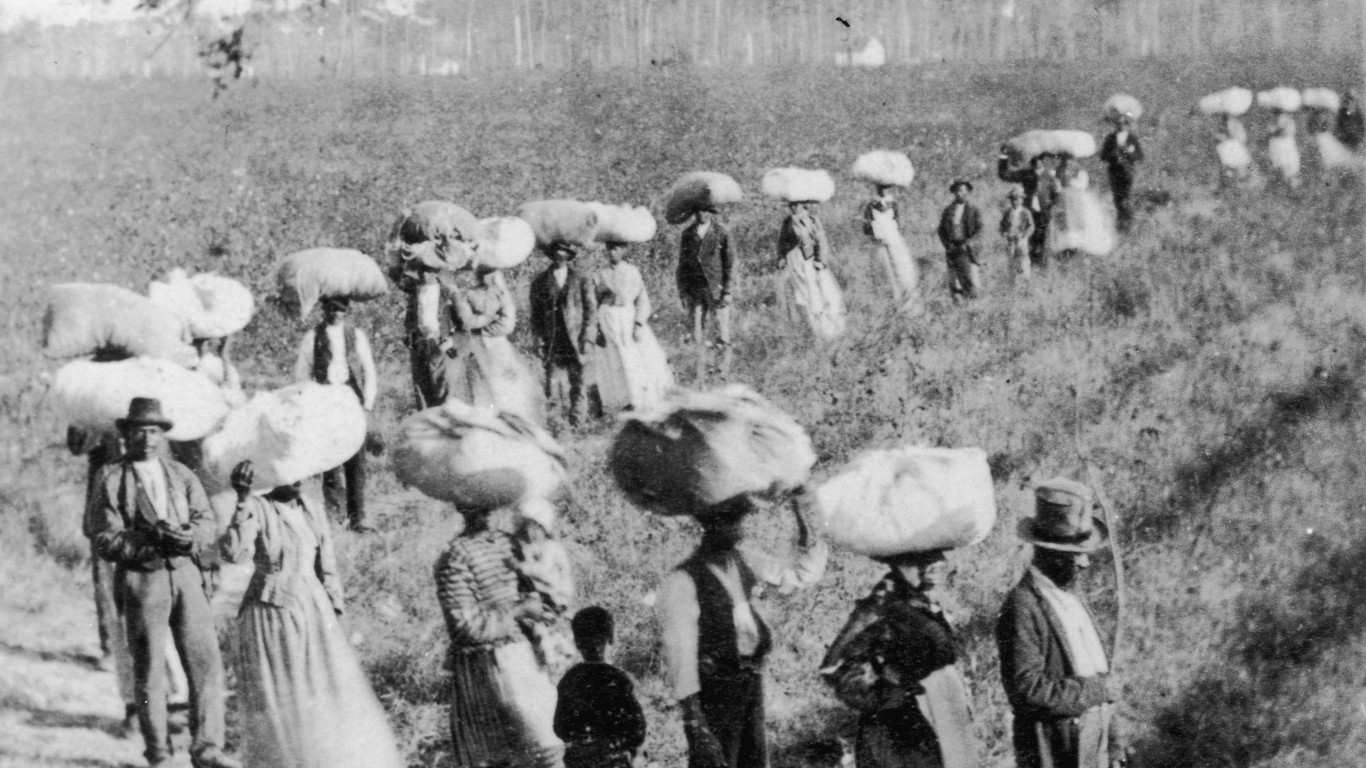
For many enslaved individuals, the Civil War was an opportunity to escape to the North and leave slavery behind forever. Many formerly enslaved individuals would join the Union Army as spies, laborers, and even soldiers. By the time the war ended, the 13th Amendment would abolish slavery for good and provide concrete legal freedoms.
15. Question
What were the Confederate states fighting for?
Answer: Preserving State Rights
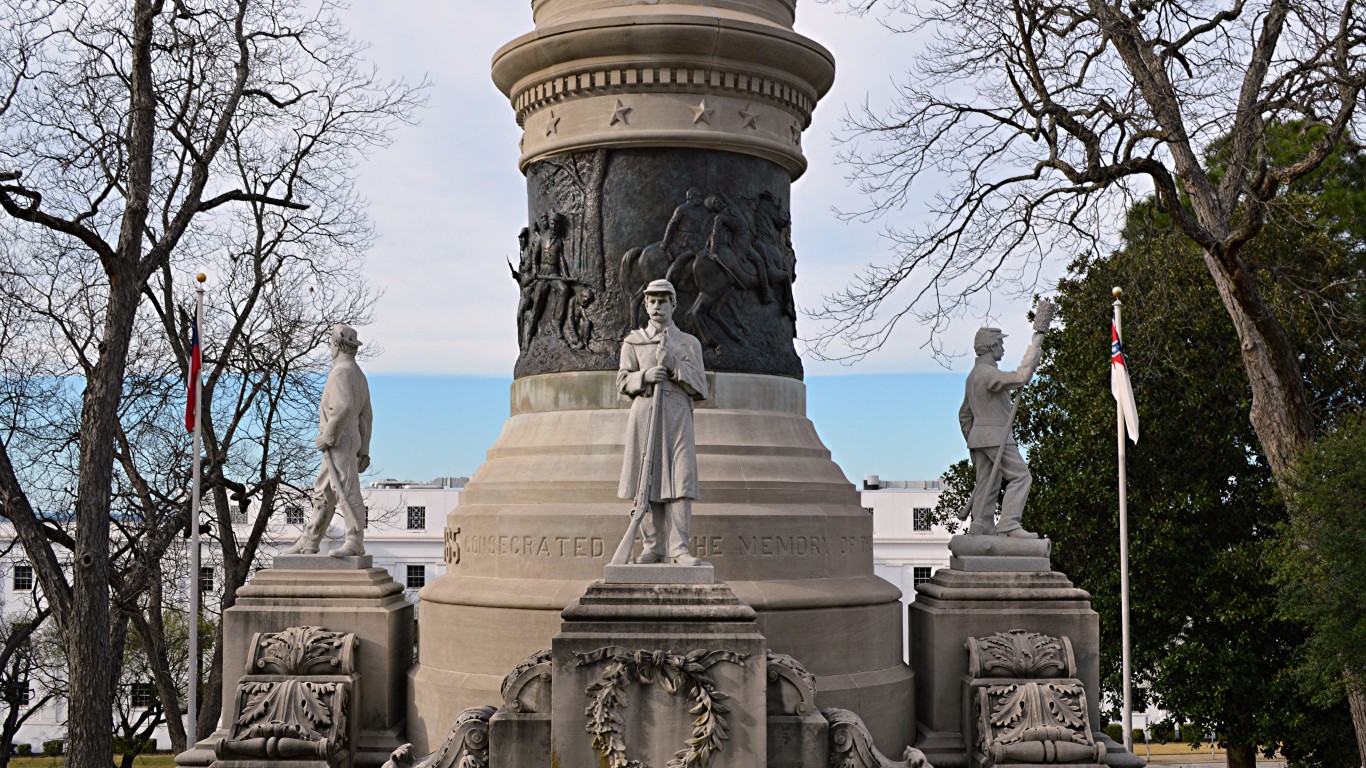
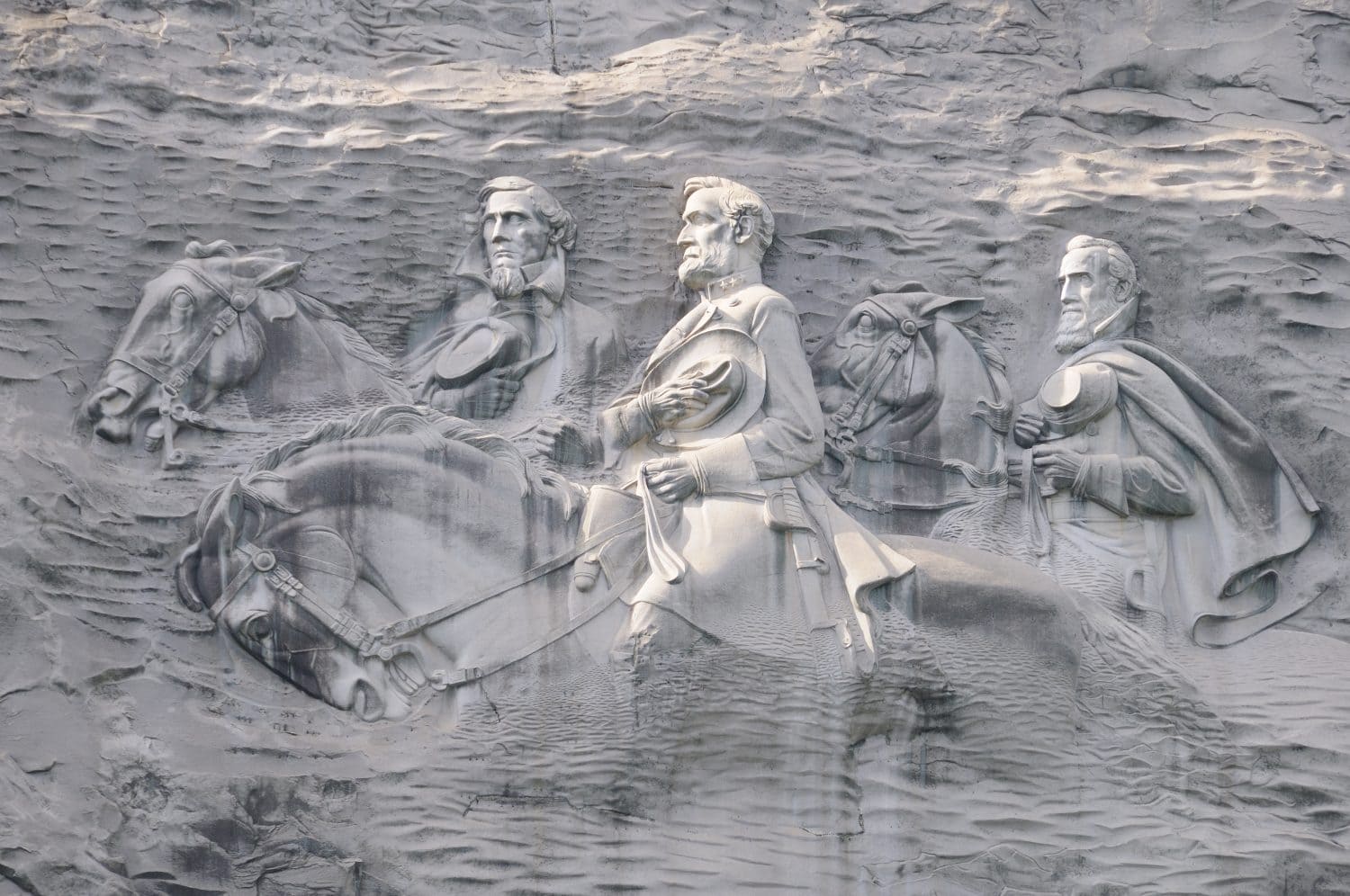
According to the Confederacy, during the initial stages of the Civil War, its primary goal was to preserve state rights and stop a growing federal government from infringing on those rights. However, the ability to both maintain and even expand slavery was an underlying issue. In addition, the Southern states, which heavily relied on agriculture for their economies, also wanted to preserve their way of life against the growing industrial movement.
16. Question
Did the Civil War have any impact on Native Americans?
Answer: Yes
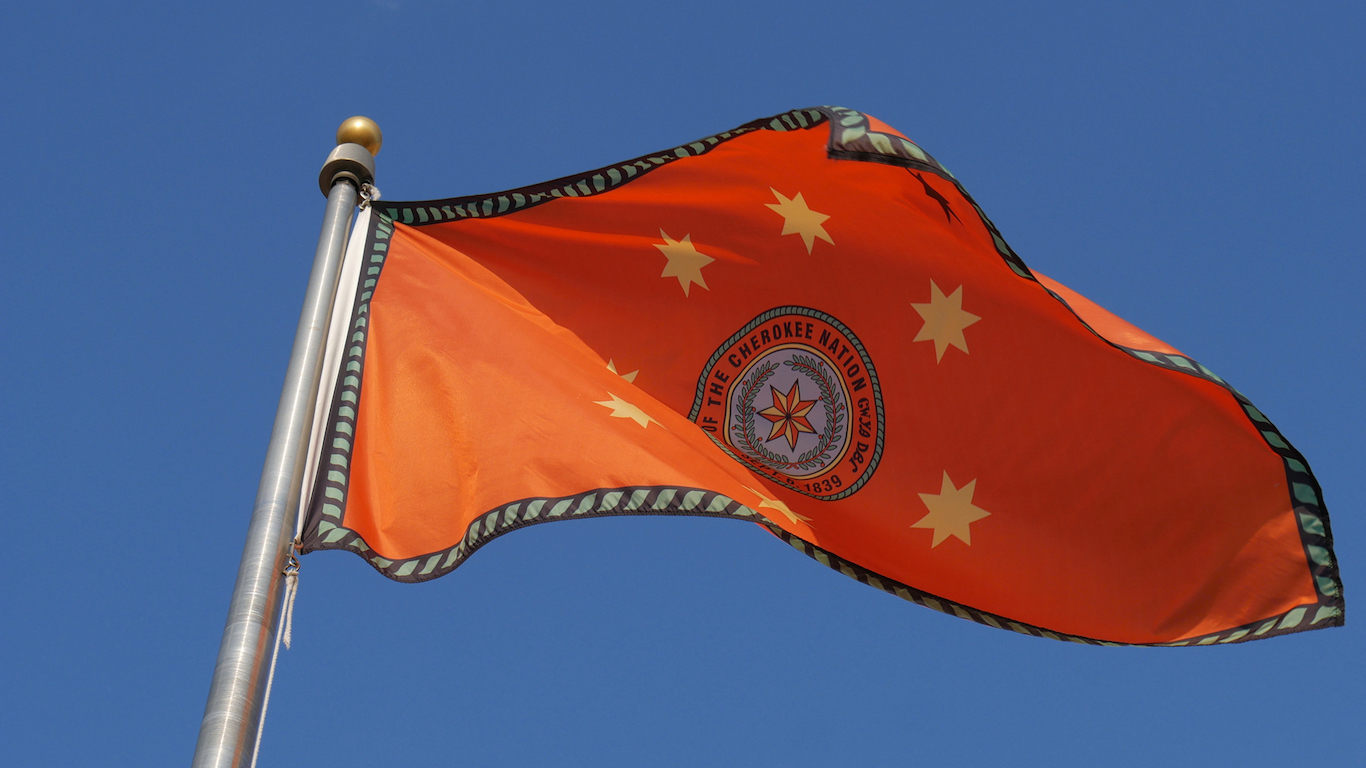
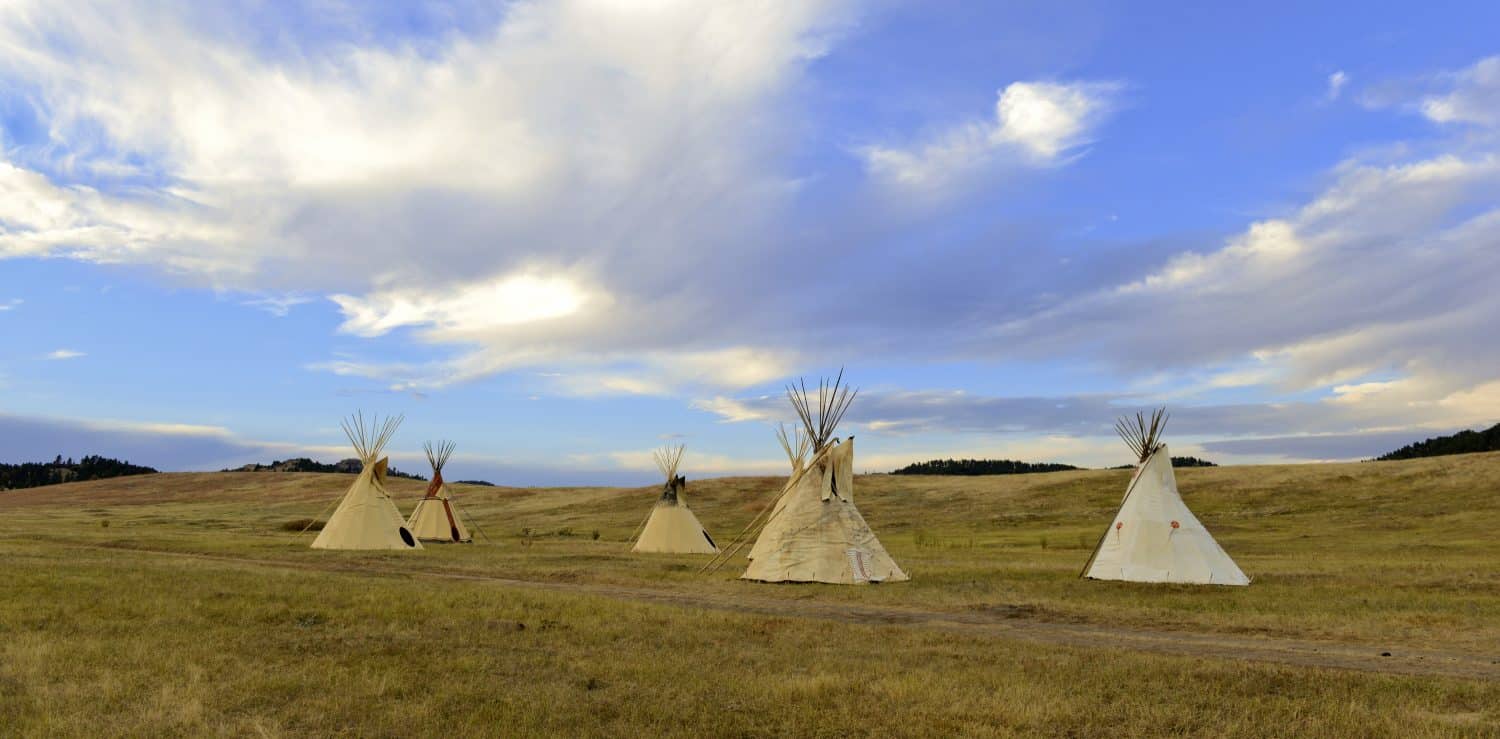
It’s been well documented that the Civil War had a prominent role and felt a significant impact due to the conflict. The Cherokee tribe famously aligned with the Confederacy, while other Northern tribes sided with the Union. Native Americans were invaluable as spies and guides, but amid Reconstruction, Native Americans saw additional displacement from their land.
17. Question
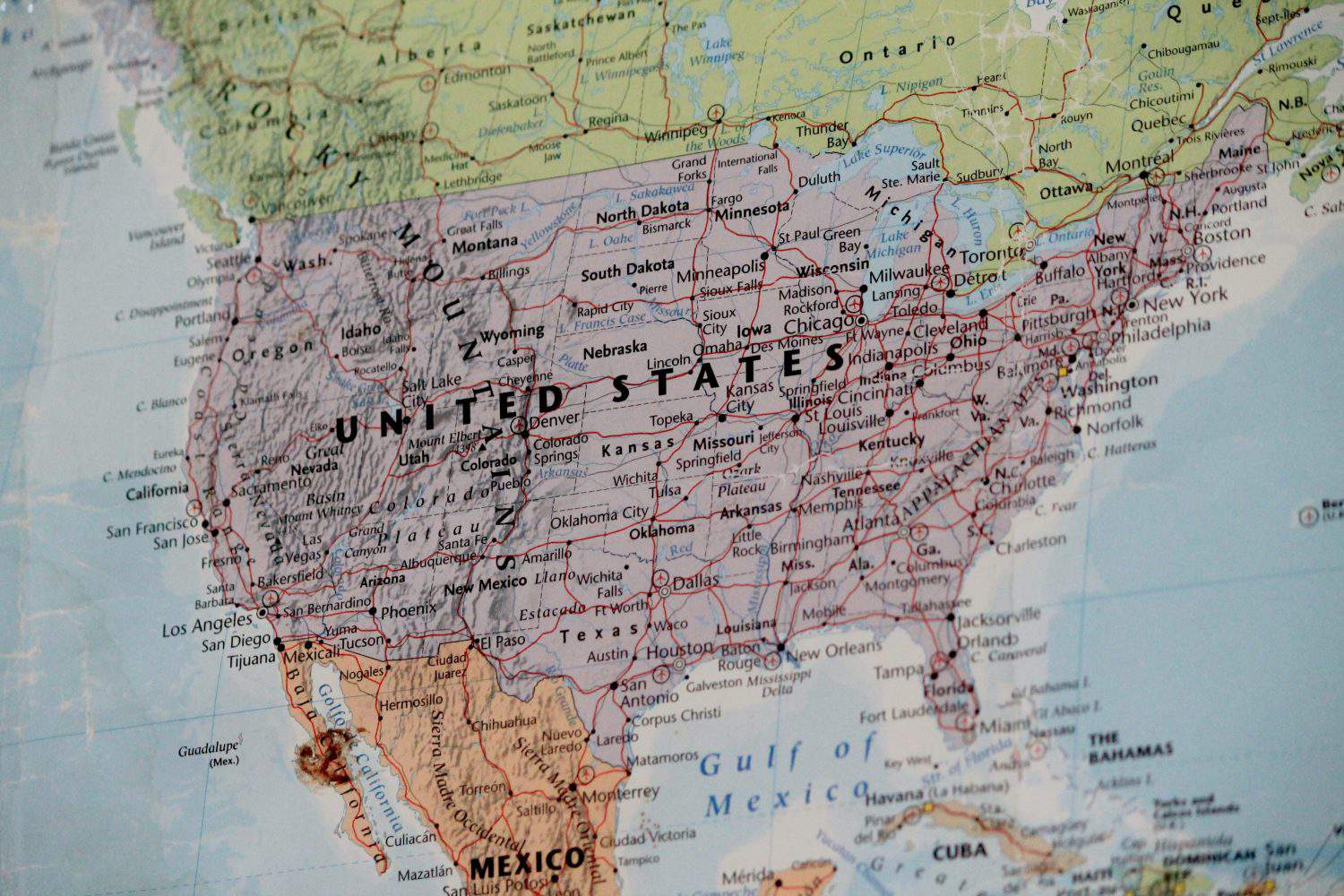
Why did the North end up winning the war?
Answer: Better Resources
As the Northern states were already stronger in their industrial capacity, they also benefited from having a larger population and more money. Abraham Lincoln also played a significant role in rallying the Northern states to continue the fight. The North also benefited from successful naval blockades of the Southern states that cut off much-needed supplies.
18. Question

In a period before cable news and social media, how did people learn about the war?
Answer: Newspapers

The introduction of telegraph wires across the country made it easier for news to be “cabled” into newsrooms nationwide. These newsrooms would then print their daily newspapers, which helped keep those in larger cities informed about the war. In more rural areas of the country, many people learned about big war events through public announcements from town figureheads.
19. Question
What impact did the Civil War have on the US military for the future?
Answer: Established a Draft, Improved Tactics
In many ways, the Civil War helped create an environment within military leadership that led to greater strategies and battlefield tactics. In addition, establishing a draft was first proposed during the Civil War. However, the idea of having a central command, which eventually fell to Ulysses S. Grant, would become a central part of US military strategy that continues to this day.
20. Question

What amendments were created and ratified as a result of the Civil War?
Answer: 13, 14, and 15
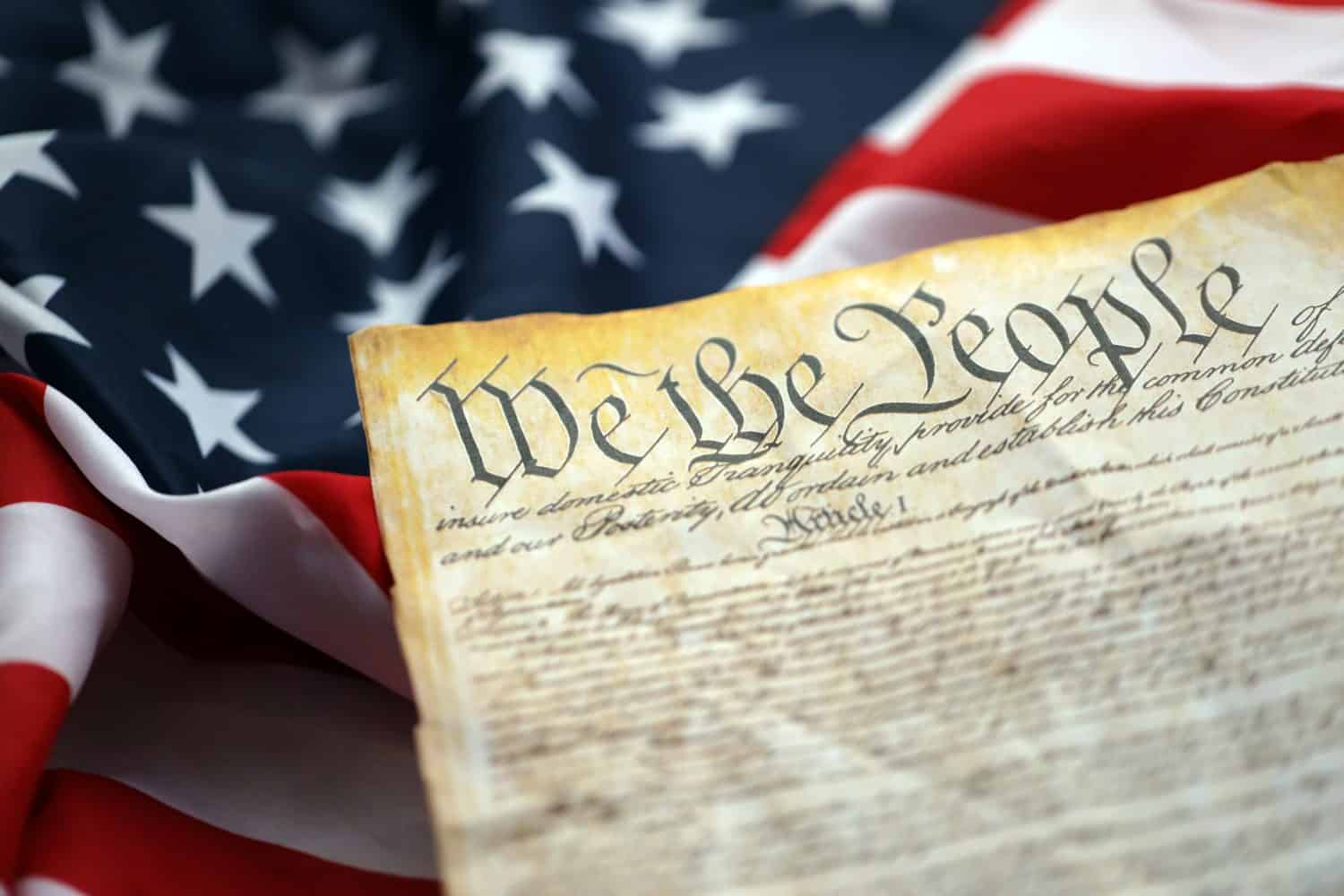
The 13th Amendment formally abolished slavery in 1865. In 1868, the 14th Amendment guaranteed citizenship and created equal protections under the law for all Americans. The 15th Amendment, officially ratified in 1870, protected voting rights regardless of race, which would continue to be a prominent American issue until the Civil Rights Act of 1864.







 Top Gaining Stocks
 Top Losing Stocks