



Were you paying attention in your high school Civic’s Class, or did Coach what’s-his-name bore you into oblivion? The answer might lie in whether or not you can pass the United States Citizenship Test. Unfortunately, most Americans probably cannot.
The U.S. Citizenship Test includes 100 questions about U.S. law, history, and values, but the immigration officer administering the test will only ask ten of them. The applicant only has to answer six questions correctly in order to pass. We have collected 20 of the questions from this pool of 100; see if you can answer all of them correctly (or at least get a passing score).
This post was updated to reflect the current Speaker of the House, as well as clarify the Louisiana Purchase description, Wilson’s stance on suffrage, that Cabinet appointments are confirmed by Senate, and how the Right to Bear Arms does not apply to certain citizens.
Question 1:
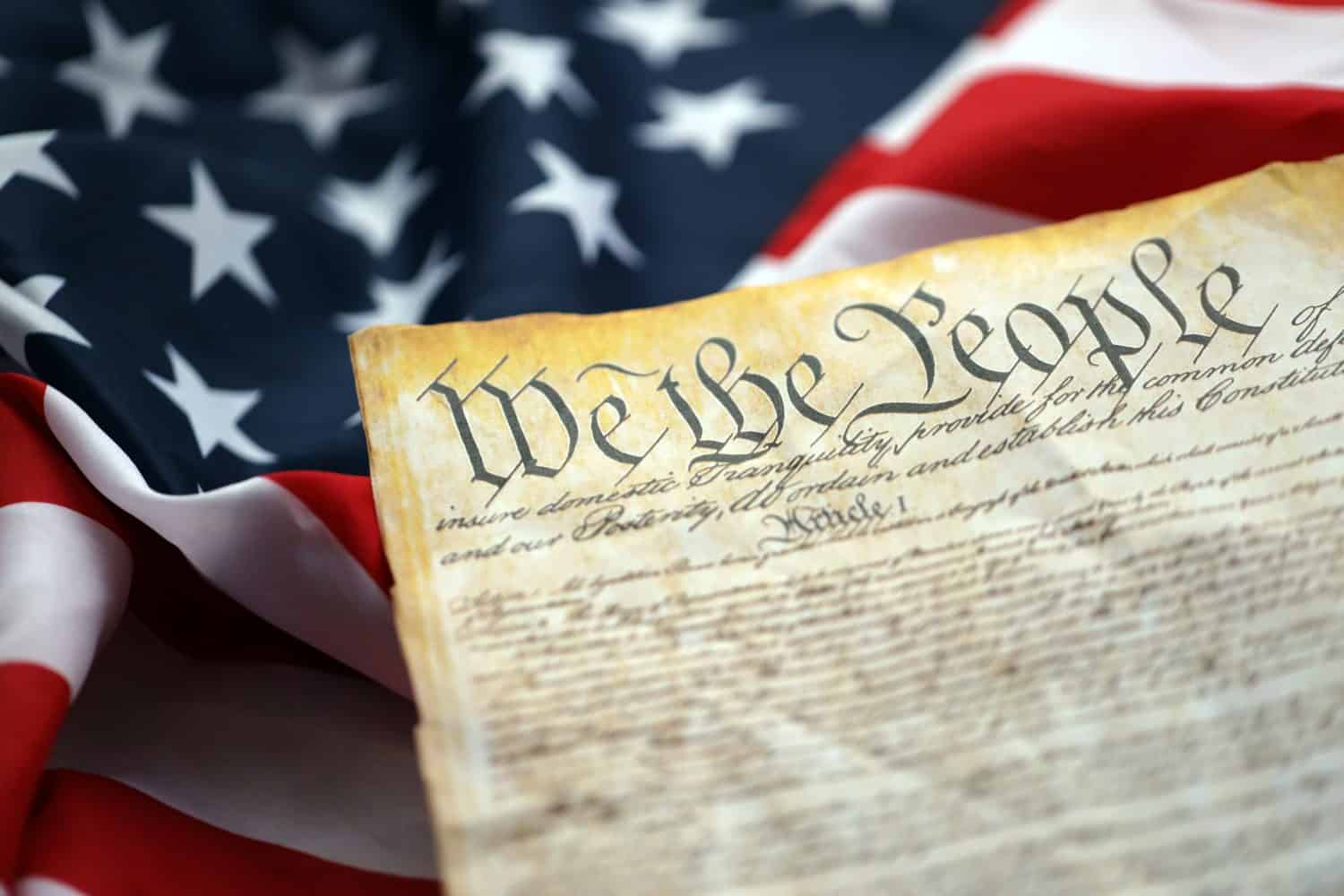
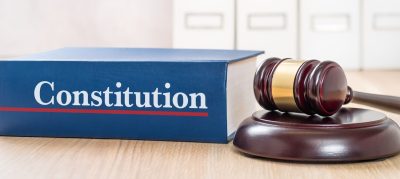
Image of the Constitution.
What does the Constitution do?
Answer:
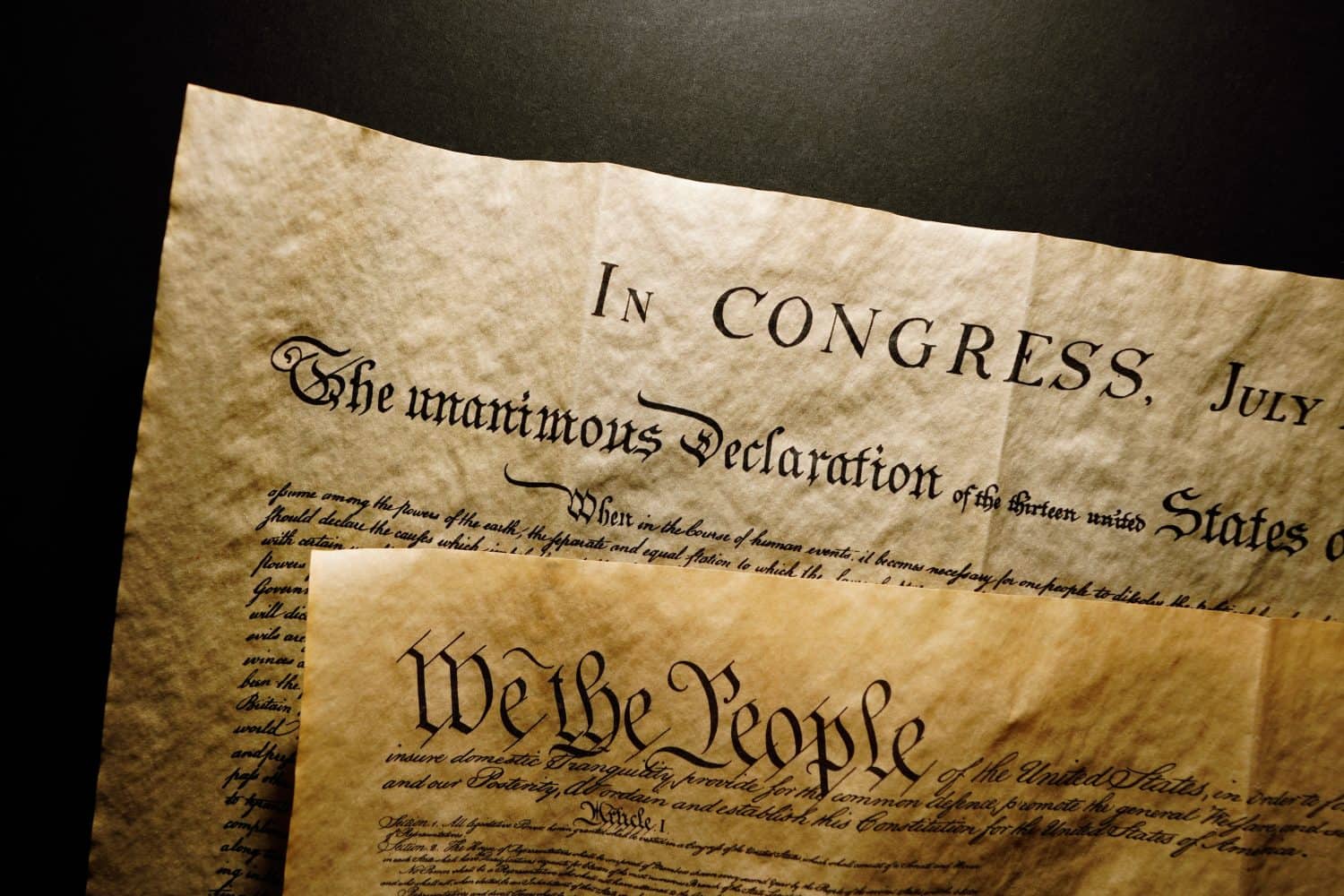
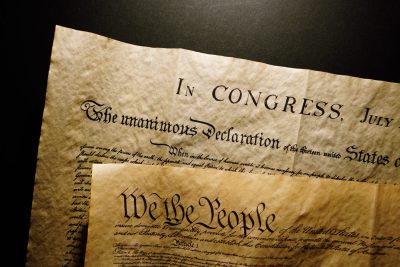
The Constitution and Declaration of Independence.
- Sets up the government
- Defines the government
- Protects basic rights of Americans
The Constitution clearly structures federal government powers and limits, even if details were later clarified by law and precedent.
Question 2:

Image of the amendments.
How many amendments does the Constitution have?
Answer: 27
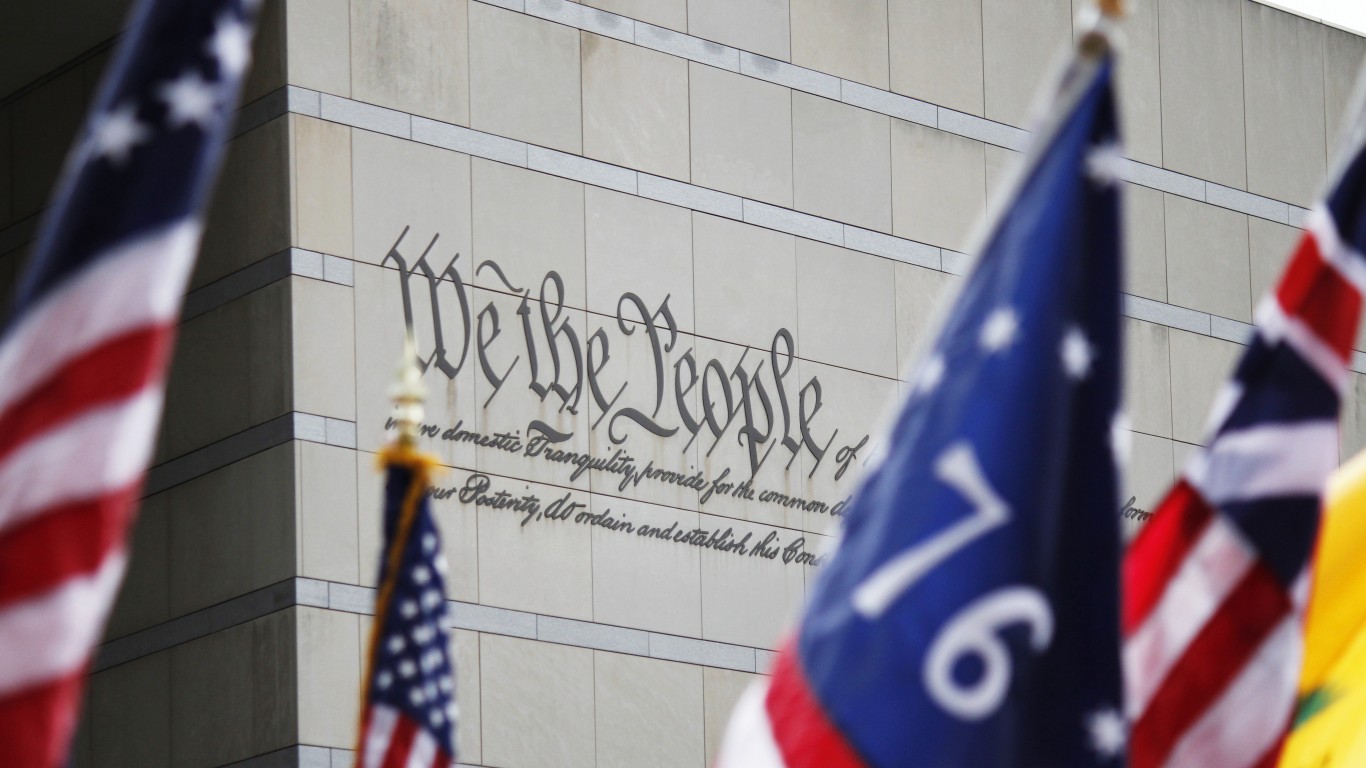
The National Constitution Center.
There are currently 27 amendments to the Constitution. The Bill of Rights was ratified in 1791, after the Constitution took effect in 1789. The 27th amendment, related to the salaries of Congress, was ratified in 1992.
Question 3:

People practicing religion.
What is freedom of religion?
Answer: You can practice any religion or not practice a religion.

A practice of Buddhism.
The United States does not have a state religion and does not force religion of any kind onto the people living here. Additionally, requiring a person to be religious to participate in any activity is against the law, and discriminating against someone because they don’t have a religion is also illegal.
Question 4:
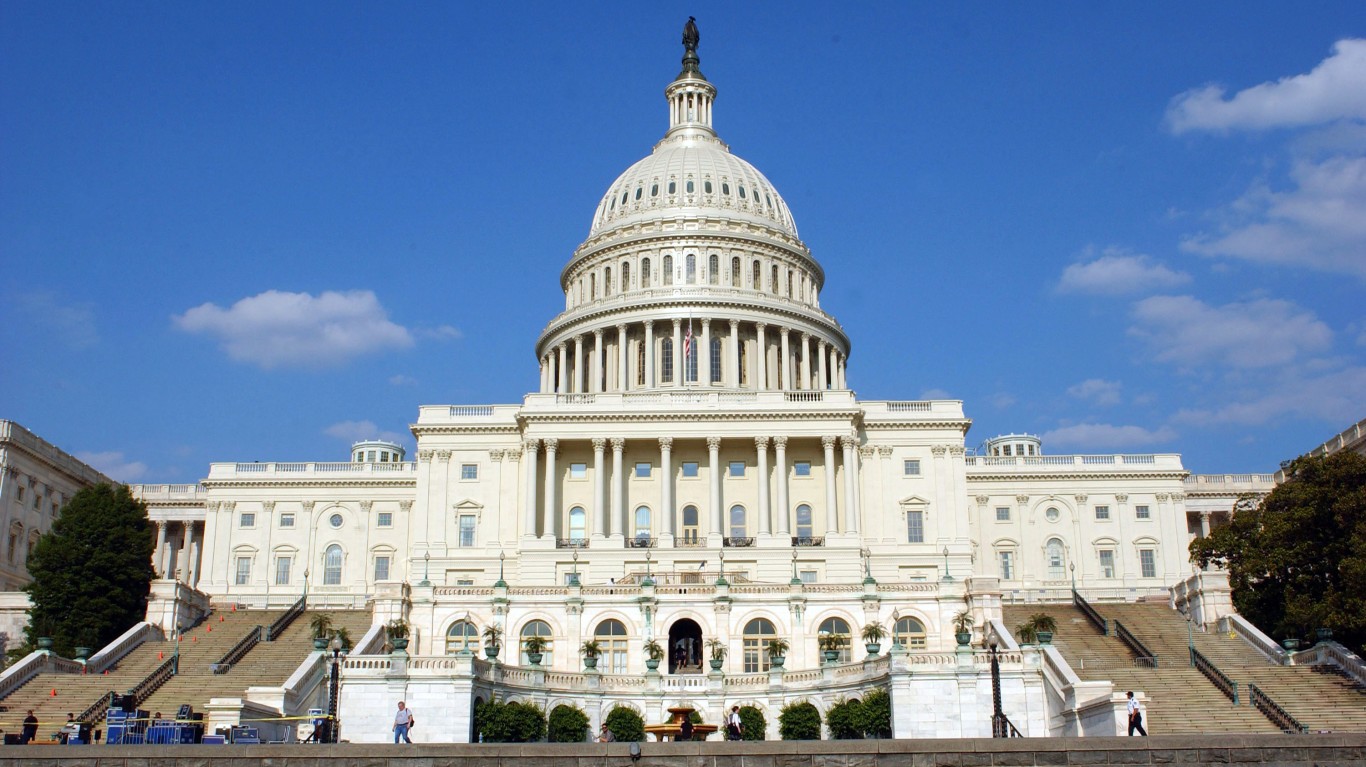
The U.S. Capitol.
We elect a U.S. Senator for how many years?
Answer: Six
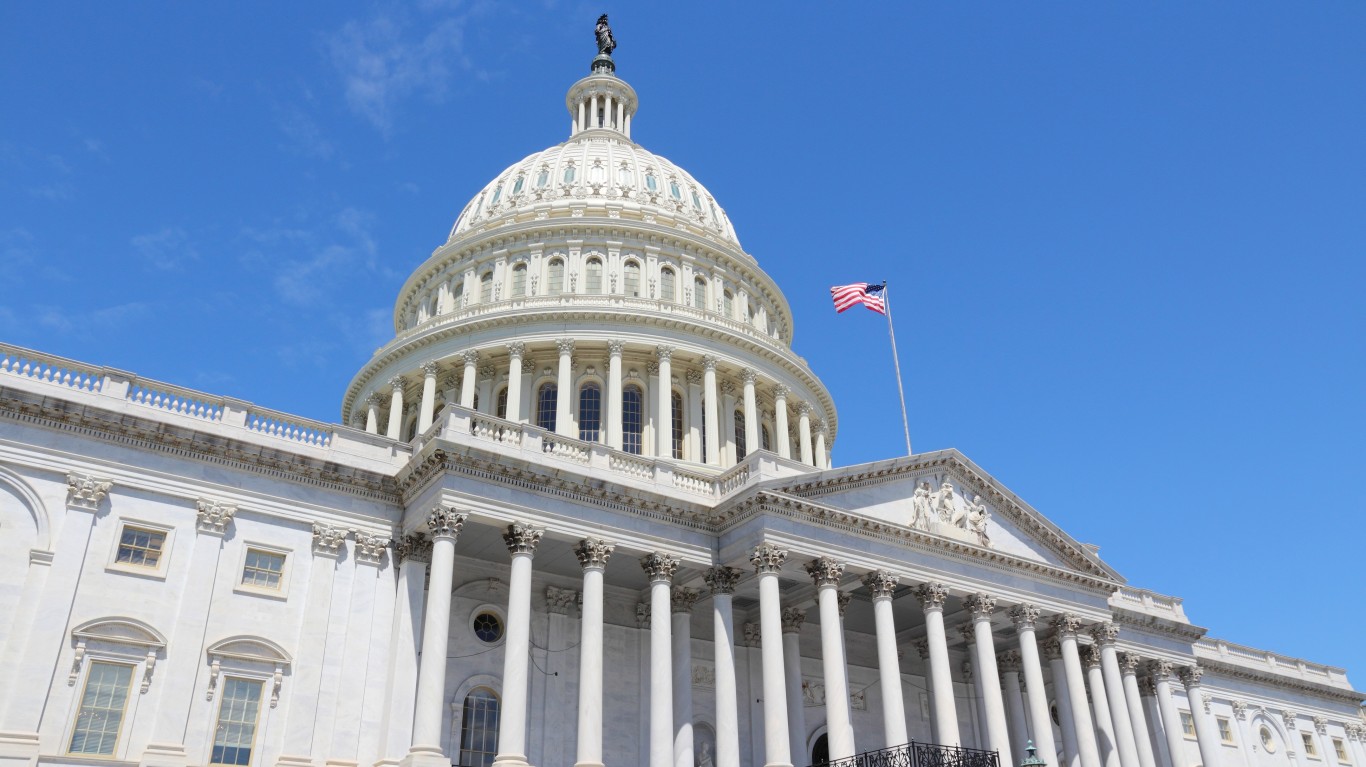
The National Capitol building.
Every two years one-third of the members of the U.S. Senate are up for reelection.
Question 5:
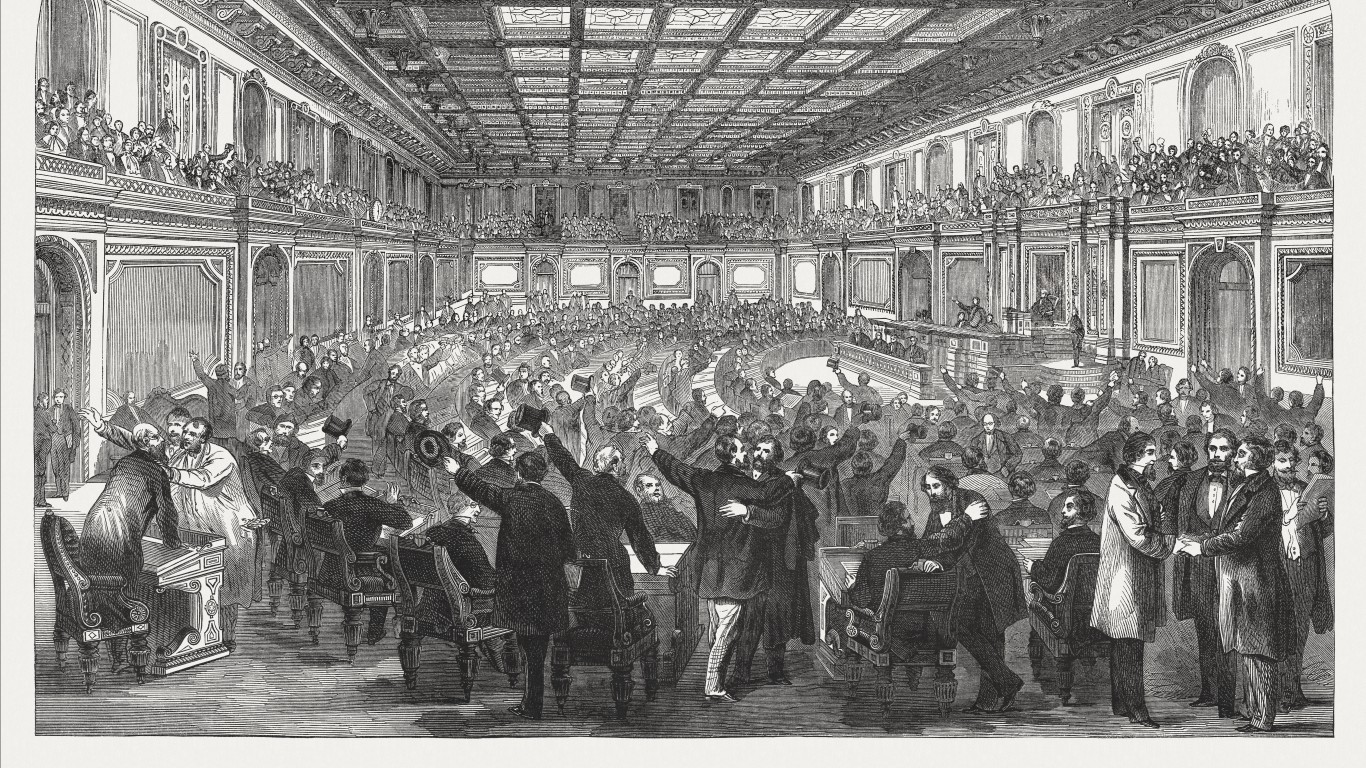
Passing the 13th Amendment in the House of Representatives.
The House of Representatives has how many voting members?
Answer: 435
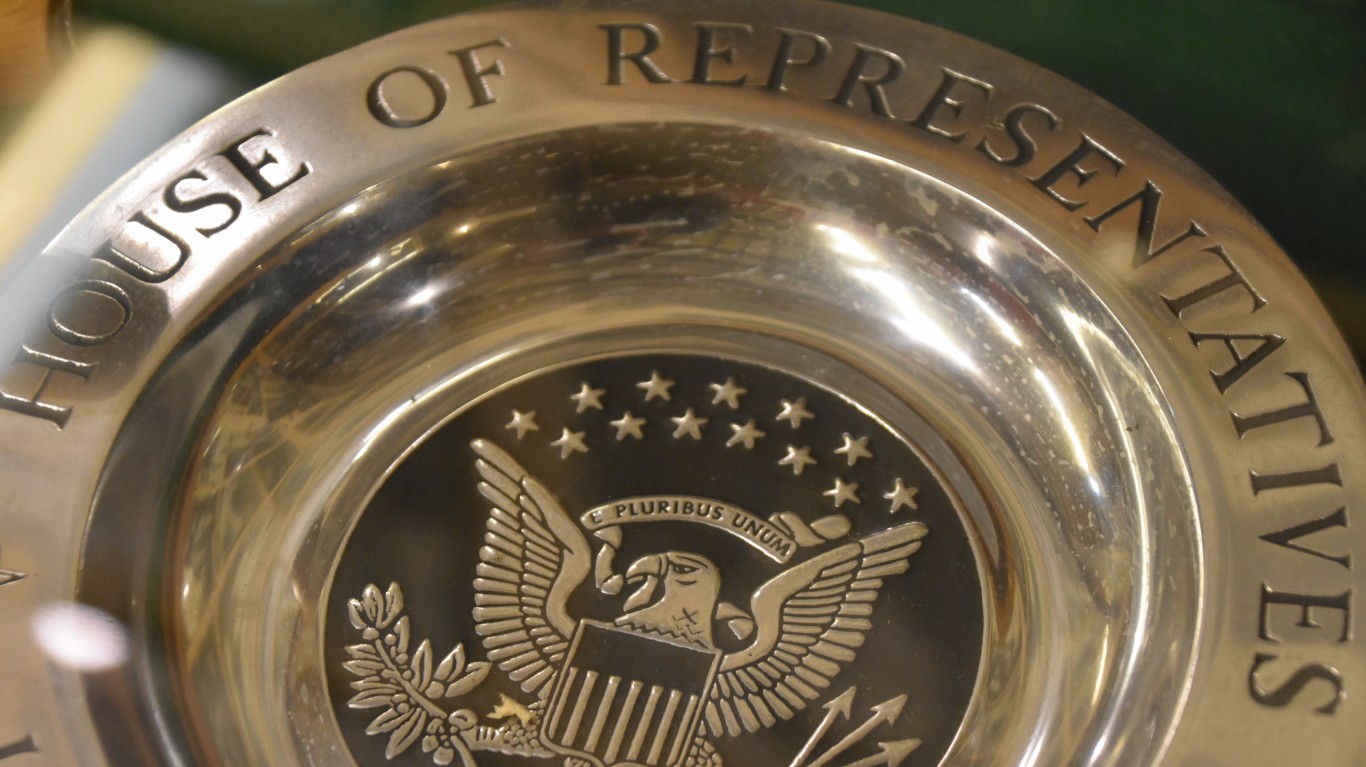
The House of Representatives.
The number of representatives of a state is based on the population of that state, with more populated states having more representatives than states with fewer people.
Question 6:
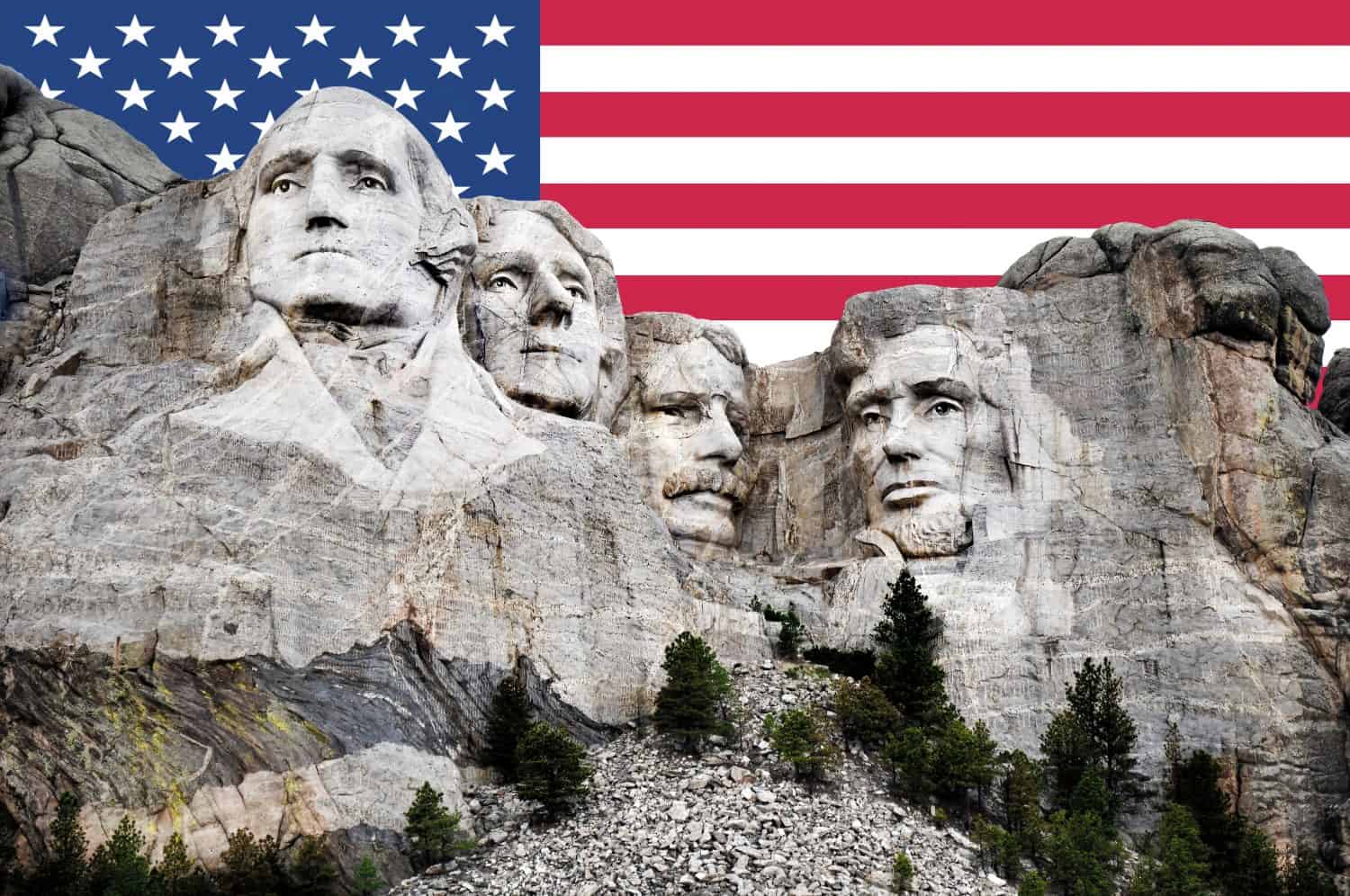
Mt. Rushmore.
If both the President and the Vice President can no longer serve, who becomes President?
Answer: The Speaker of the House

This applies to situations in which the President and Vice President die or are too sick or injured to complete their duties. The line of succession continues through the President’s cabinet.
Question 7:
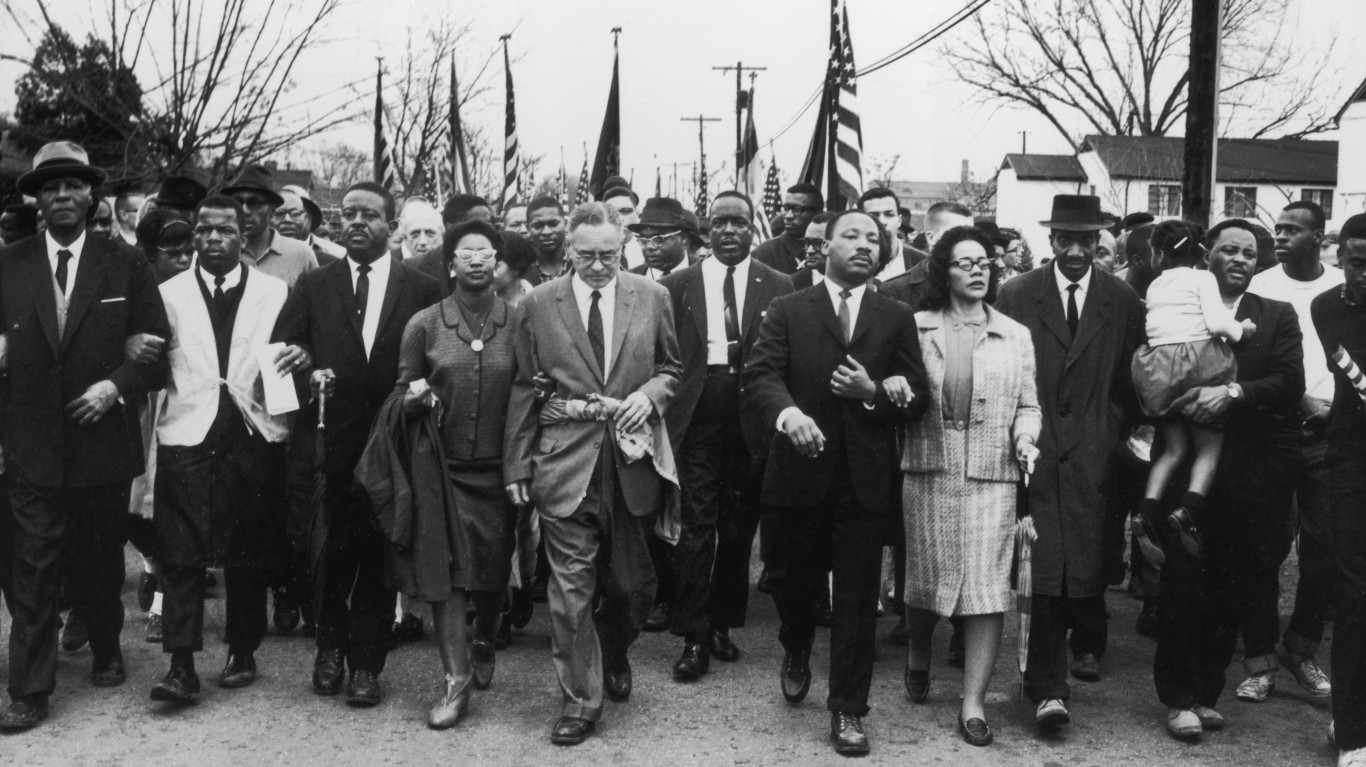
Selma To Montgomery March.
Describe one of the four amendments to the Constitution about who can vote.
Answer:
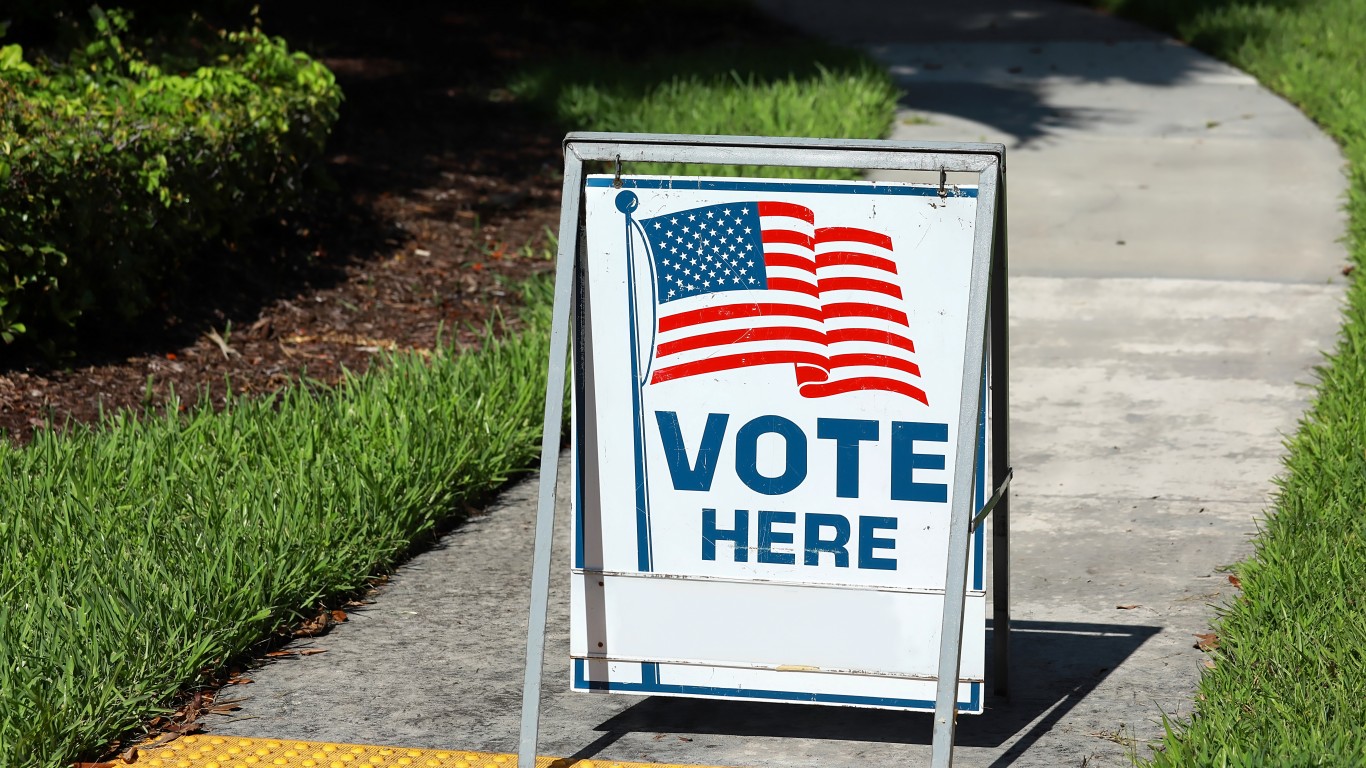
A voting sign.
- Citizens 18 and older can vote.
- You don’t have to pay a poll tax to vote.
- Any citizen can vote.
- A male citizen of any race can vote.
These are the rights guaranteed by the 15th, 19th, 24th, and 26th amendments. These rights historically excluded groups (e.g., Native Americans, residents of D.C. and territories) and still do not guarantee voting free from restrictions like voter ID laws.
Question 8:
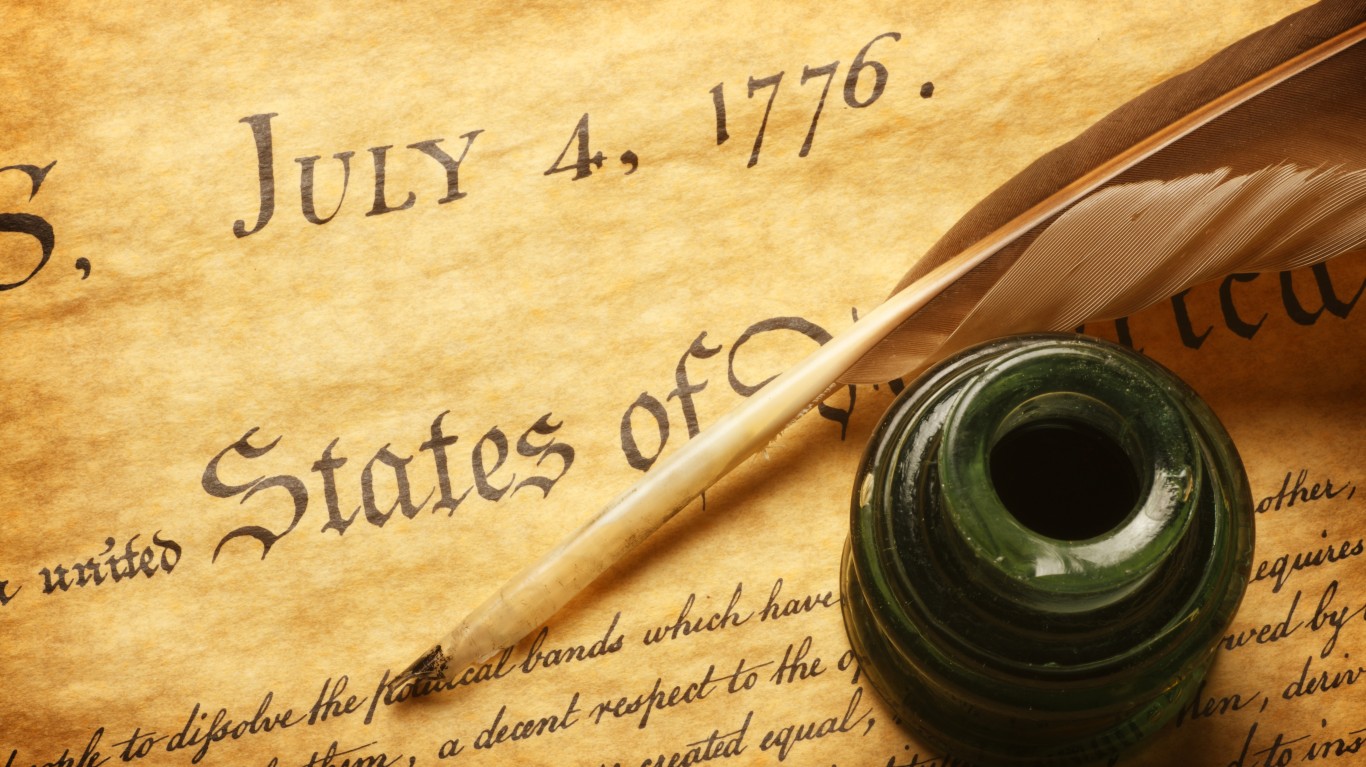
The Declaration of Independence.
Who wrote the Declaration of Independence?
Answer: Thomas Jefferson
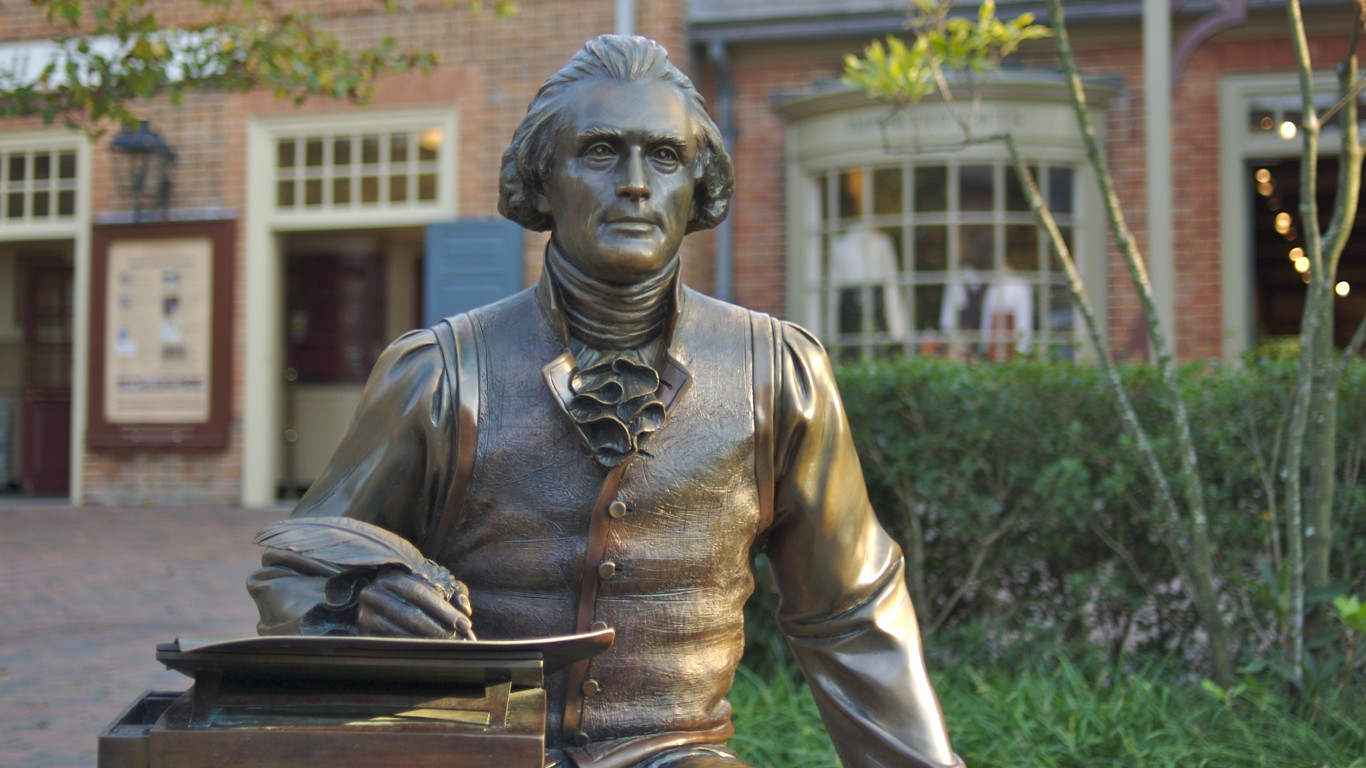
Thomas Jefferson.
Thomas Jefferson formed part of the Committee of Five that was given the responsibility of drafting the Declaration of Independence in 1776.
Question 9:
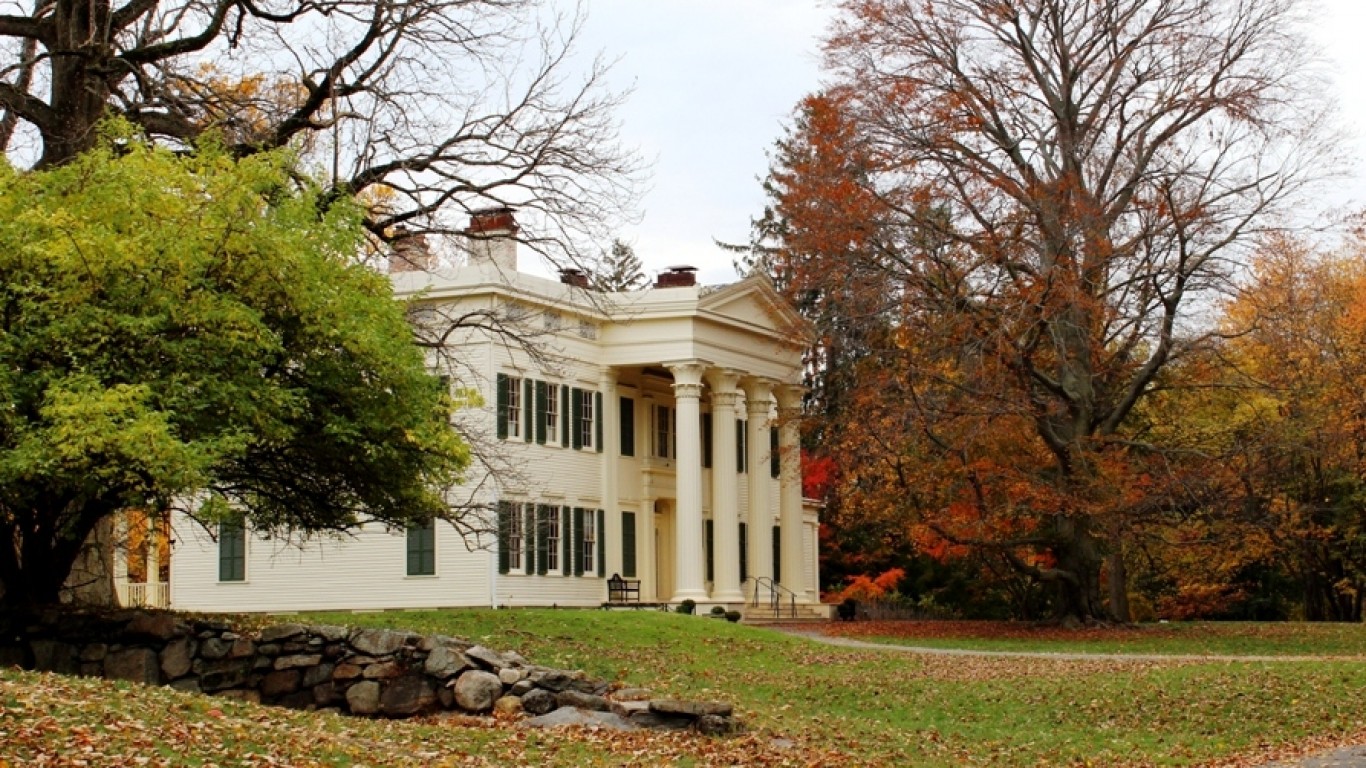
The 23 acre Jay Estate.
Name one of the writers of the Federalist Papers.
Answer: James Madison, Alexander Hamilton, John Jay, and Publius

Alexander Hamilton.
The Federalist Papers were a series of 85 essays and articles that were published in order to promote the ratification of the Constitution of the United States. The three men published these articles under the pseudonym Publius.
Question 10:

Paris, France.
What territory did the United States buy from France in 1803?
Answer: The Louisiana Territory
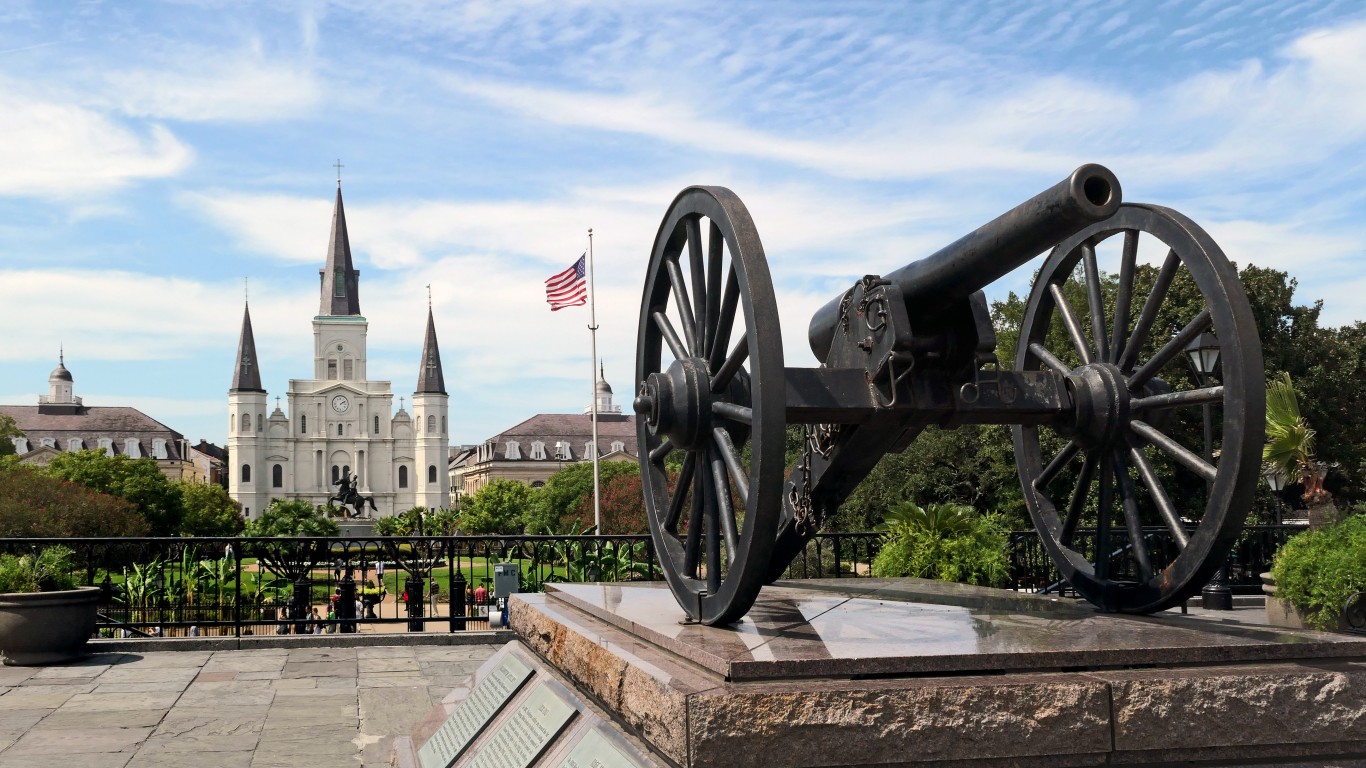
Historical landmark in New Orleans.
The territory of Louisiana consisted of the land West of the Mississippi River and cost about $18 per square mile in total. This territory was way more than the area that makes up the state of Louisiana today. It included all or part of 15 states, including Oklahoma, Arkansas, Nebraska, Montana, and Wyoming.
Question 11:

World War One.
Who was President during World War I?
Answer: Woodrow Wilson
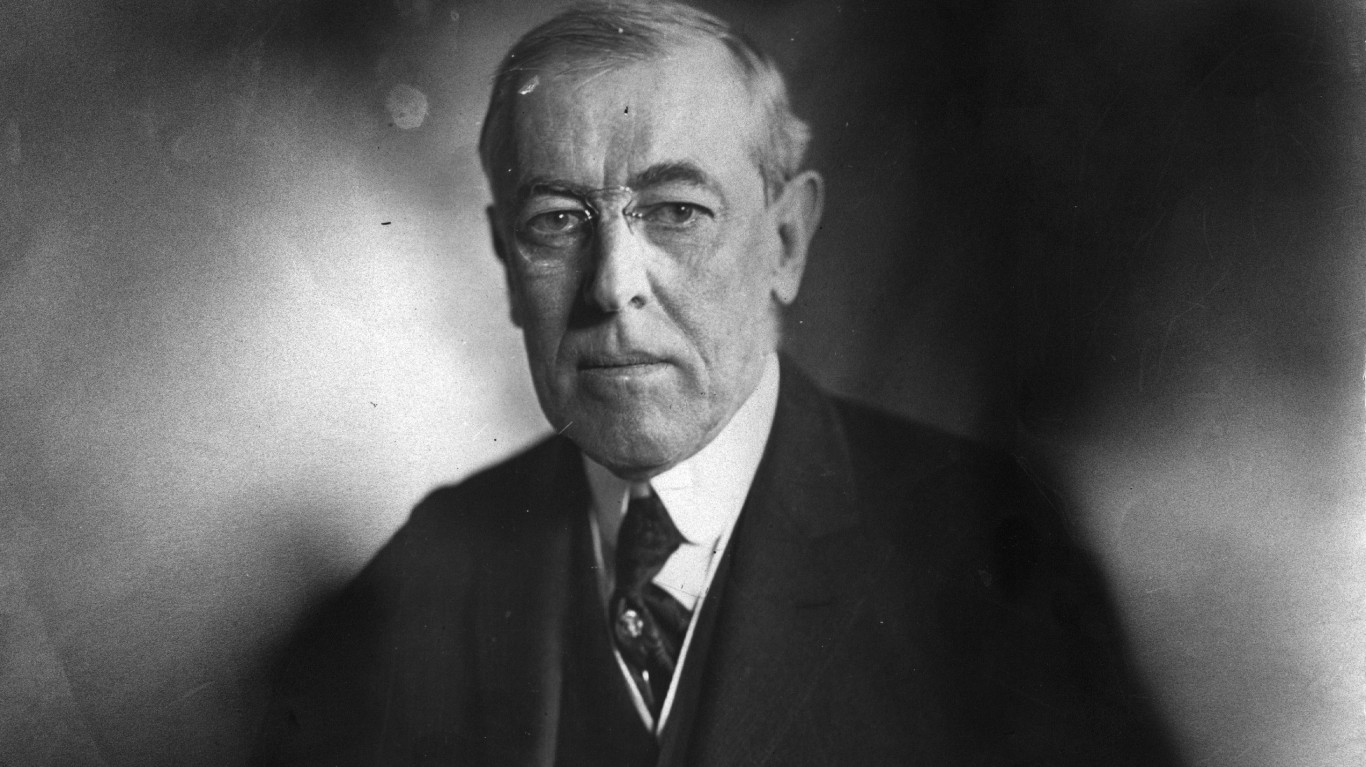
Woodrow Wilson.
Woodrow Wilson was the 28th president of the United States. He led the United States into WWI, was a leading proponent of the League of Nations, supported segregation, and instituted the national income tax. Wilson initially avoided endorsing women’s suffrage but later came out in favor and pushed for the 19th Amendment’s passage in 1919.
Question 12:
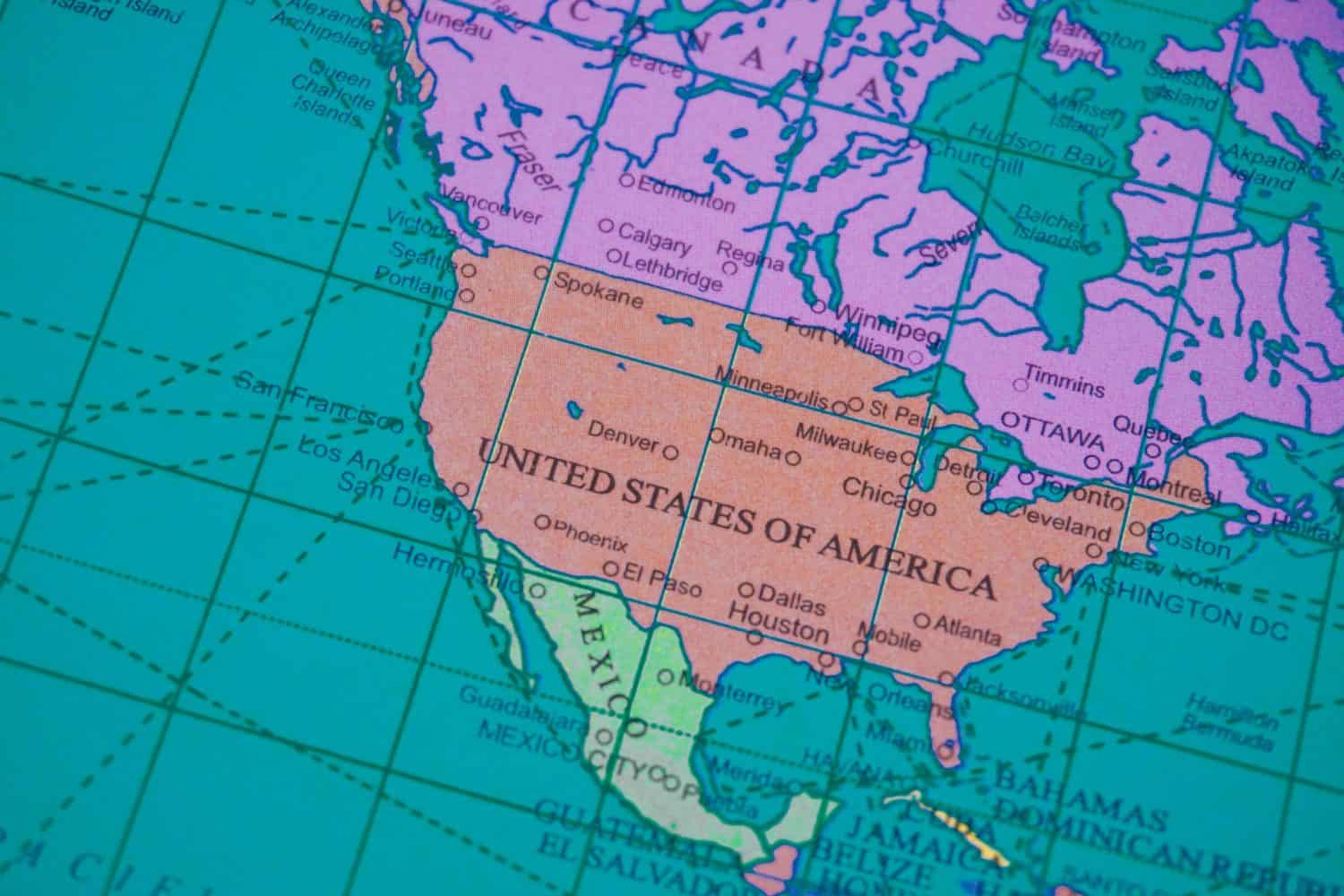
Map of North America.
Name one U.S. territory.
Answer: Puerto Rico, Virgin Islands, Samoa, Northern Mariana Islands, Guam
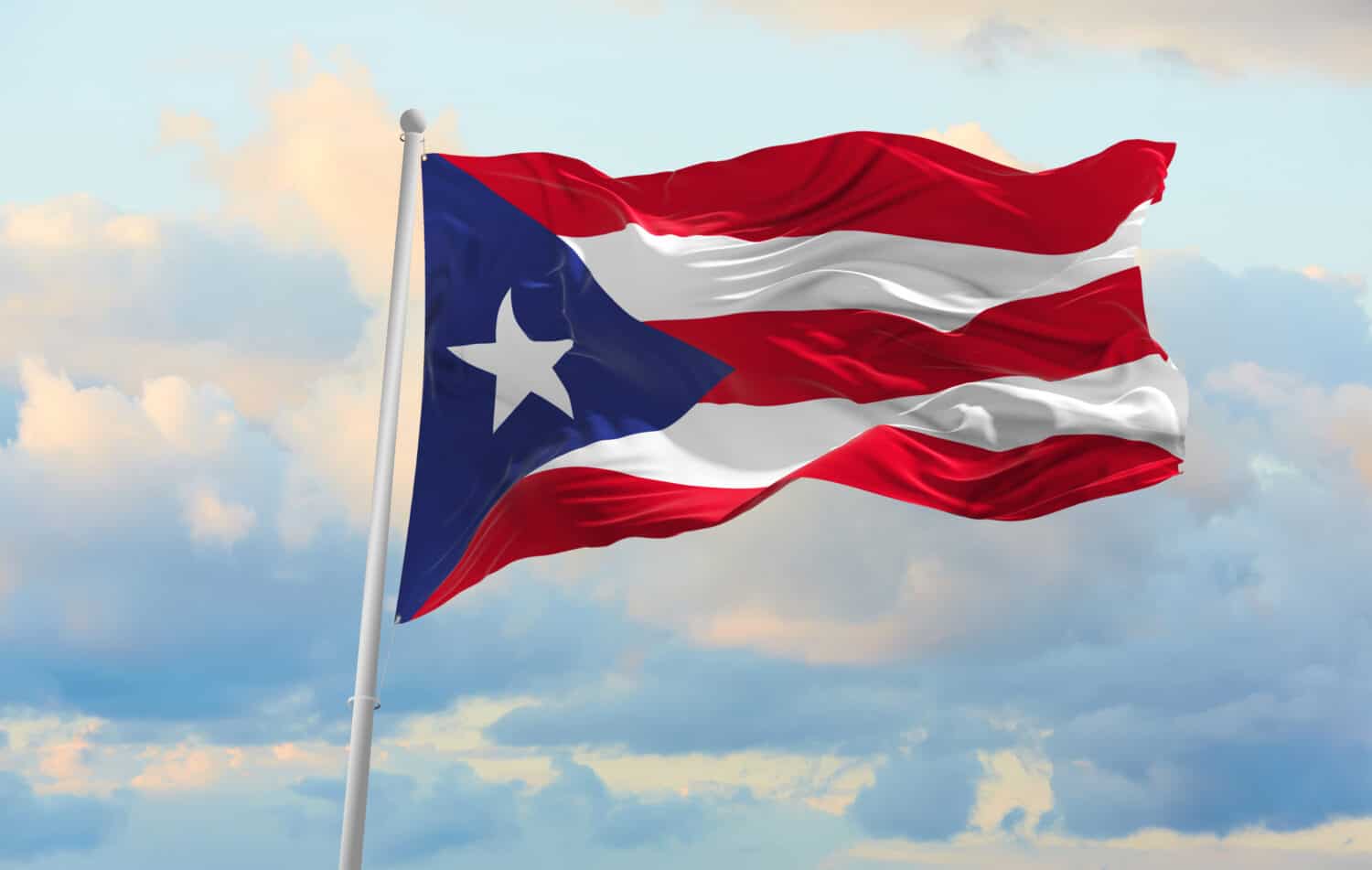
Flag of Puerto Rico.
U.S. territories cannot vote in presidential elections and have non-voting representatives in Congress. Their poverty rates are much higher than that of states.
Question 13:
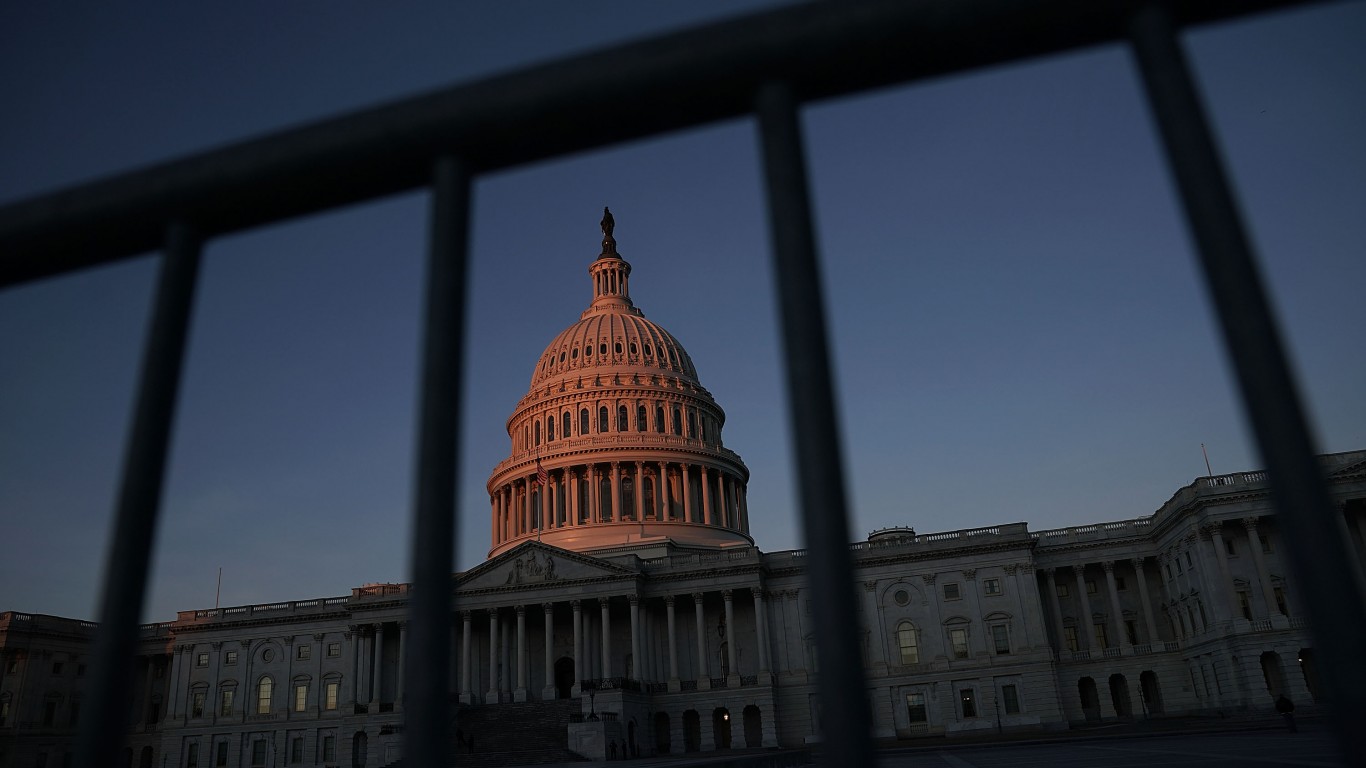
The U.S. Capitol.
Name your U.S. Representative.
Answer: Varies by state

Voting booths.
Every U.S. citizen is represented by an elected person in the House of Representatives. There are currently 435 voting members of the House of Representatives. If you didn’t know the answer to this question, you can use various online tools to find our representative, including the Find Your Representative resource provided by the House of Representatives itself.
Question 14:

The Cabinet Room of the White House.
Name two Cabinet-level positions.
Answers:

President Obama.
- Secretary of Agriculture
- Secretary of Commerce
- Secretary of Defense
- Secretary of Education
- Secretary of Energy
- Secretary of Health and Human Services
- Secretary of Homeland Security
- Secretary of Housing and Urban Development
- Secretary of the Interior
- Secretary of Labor
- Secretary of State
- Secretary of Transportation
- Secretary of the Treasury
- Secretary of Veterans Affairs
- Attorney General
All cabinet positions are political positions selected by the President and approved by the Senate. They are typically party loyalists. Their primary, and initial, responsibility is to advise the president on their specific area of expertise and assignment. Their responsibilities and powers have grown over the years as more of the power of the President has been delegated to these people.
Question 15:
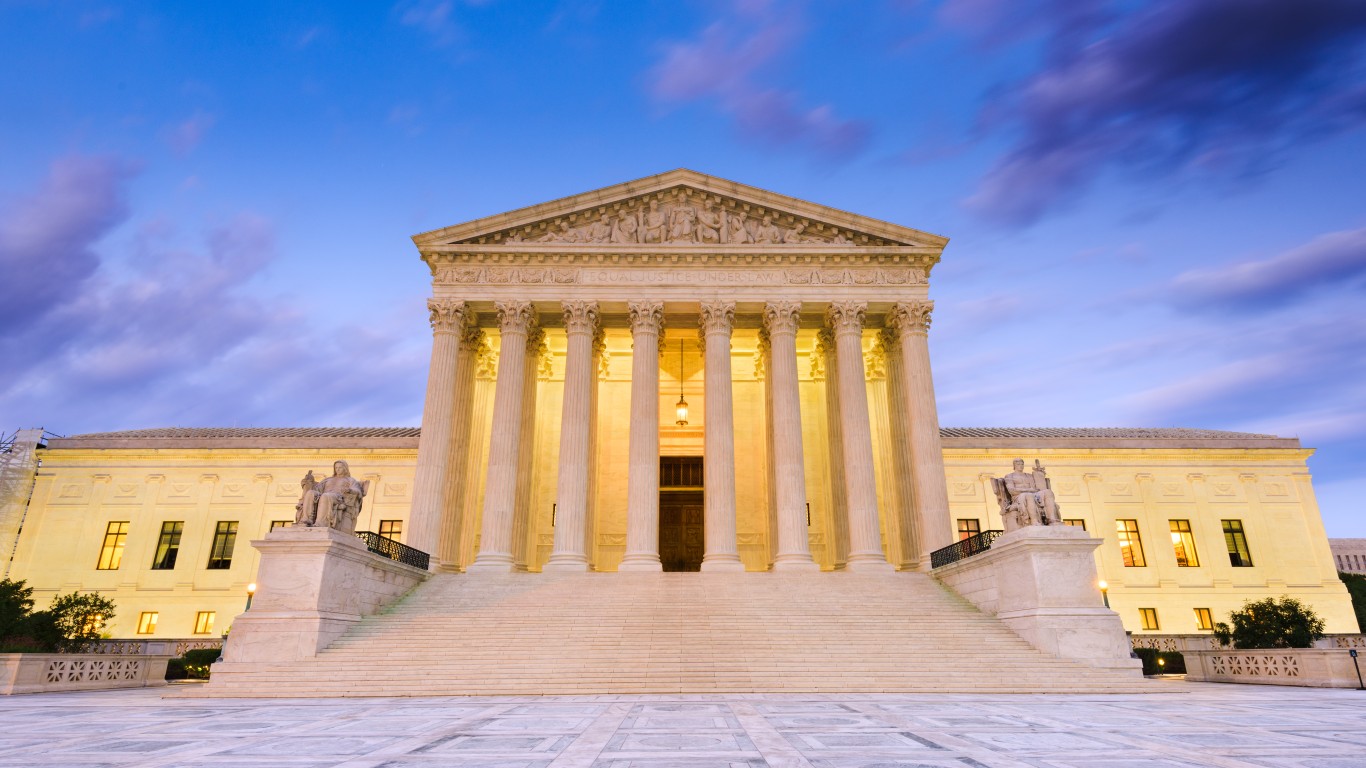
The United States Supreme Court Building.
Who is the Chief Justice of the United States now?
Answer: John Roberts
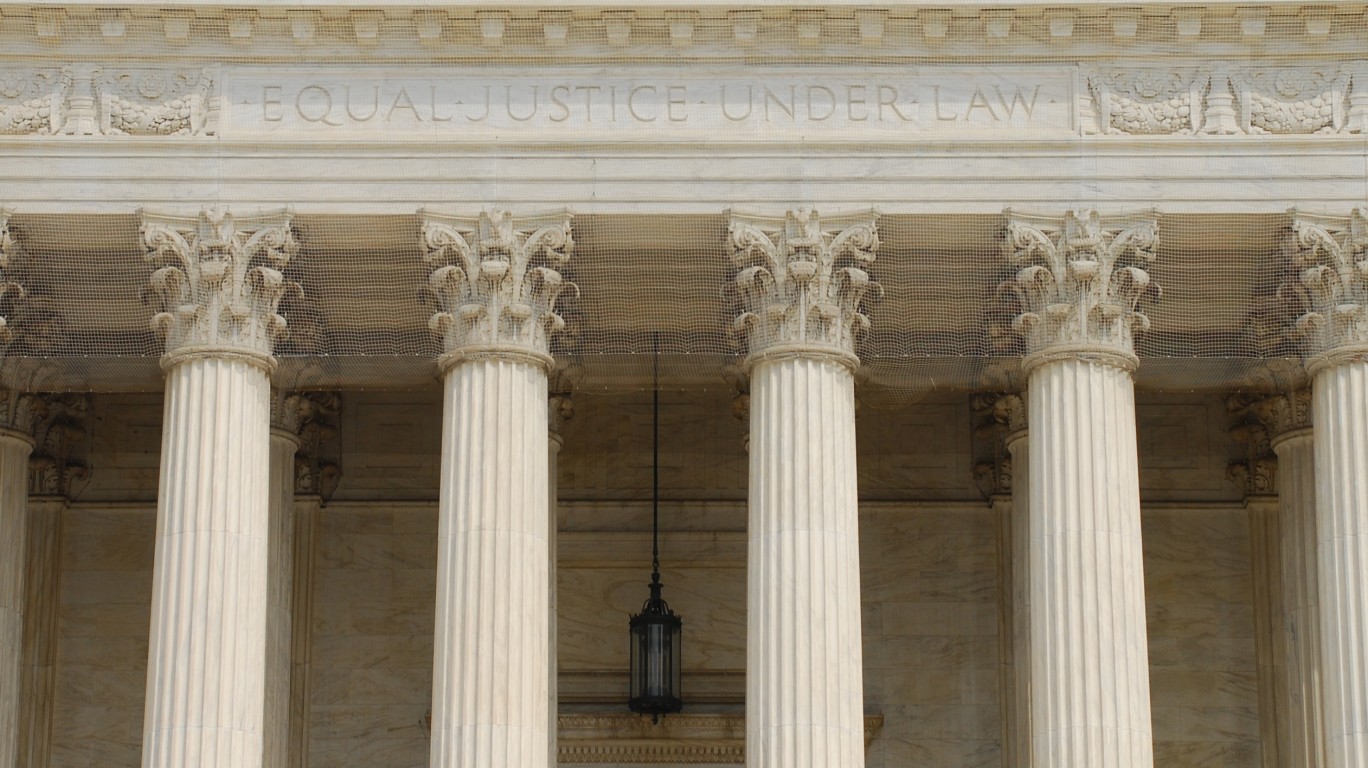
Supreme Court panoramic with text Equal Justice Under Law.
Chief Justice John Roberts was appointed to the Supreme Court on September 29, 2005, by George W. Bush. He is generally conservative but has sided with liberal justices on key cases. Roberts is currently 69 years old. He is the 17th person to hold the position of chief justice and has presided over the strong and significant ideological shift of the Supreme Court toward conservatism, including the repealing of long-established rights and settled law.
Question 16:

Voting in the United States.
Who is the Governor of your state now?
Answer:
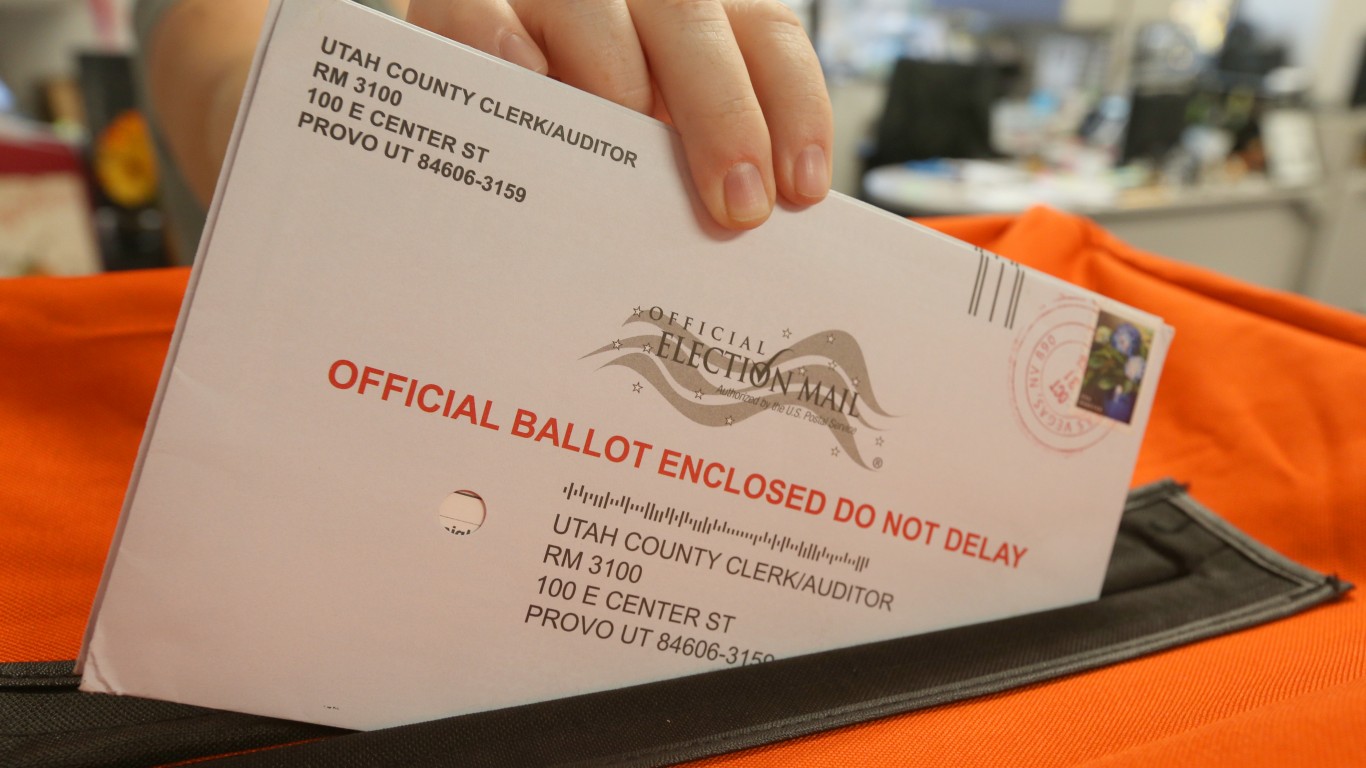
An election ballot.
In all U.S. states, the governor is directly elected and has similar functions and powers as the President of the United States. Every state has different laws regarding who can run for governor and when, how long a governor’s terms are, and how many terms they can serve. You can find your state or territorial governor by finding your state on this list.
Question 17:

A U.S. flag.
Name two rights of U.S. citizens.
Answer:

Michael Johnson.
- Freedom of expression
- Freedom of speech
- Freedom of assembly
- Freedom to petition the government
- Freedom of religion
- The right to bear arms
According to United States law and numerous court cases, the people of the United States have repeatedly reaffirmed that these rights apply to every person who lives within the United States, not just citizens or legal immigrants. (Non-citizens, minors, and felons may be restricted from bearing arms)
Question 18:
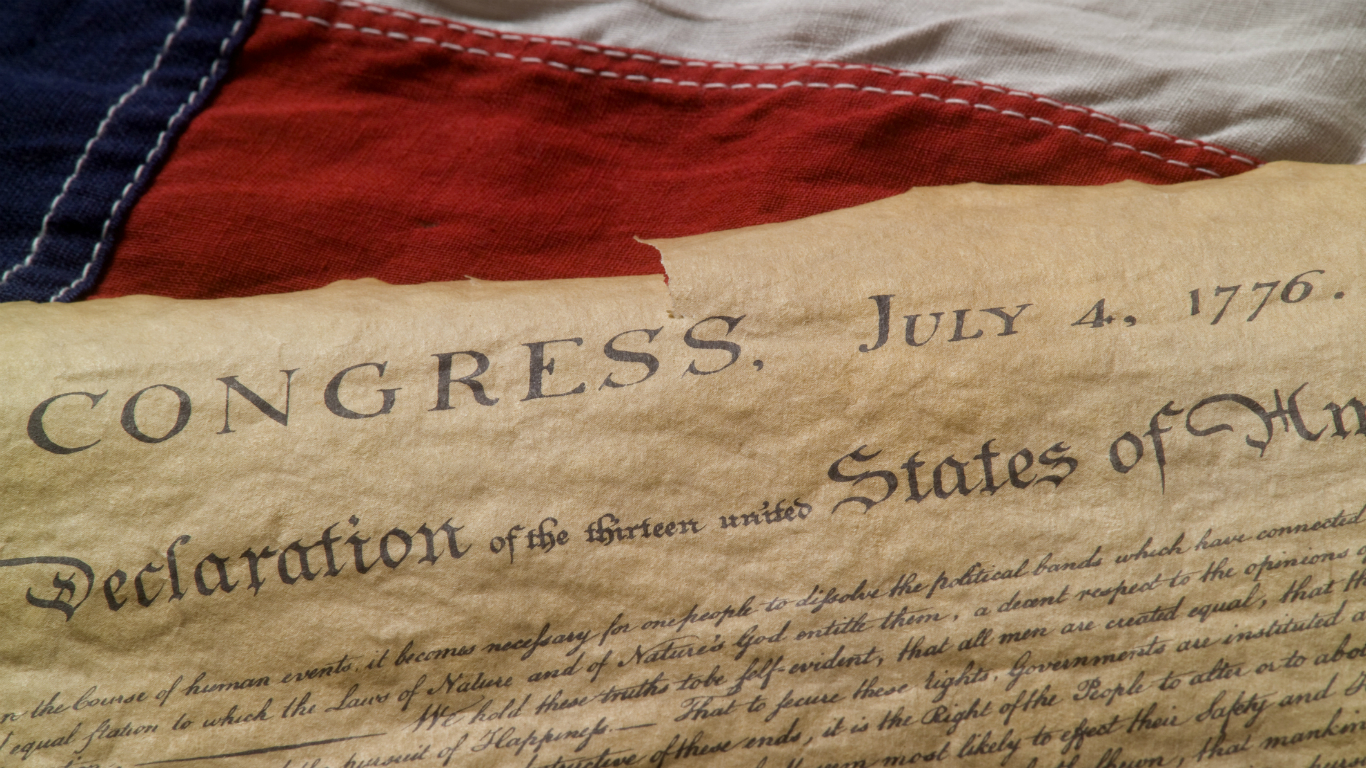
The Declaration of Independence.
Name three of the 13 original states.
Answers:
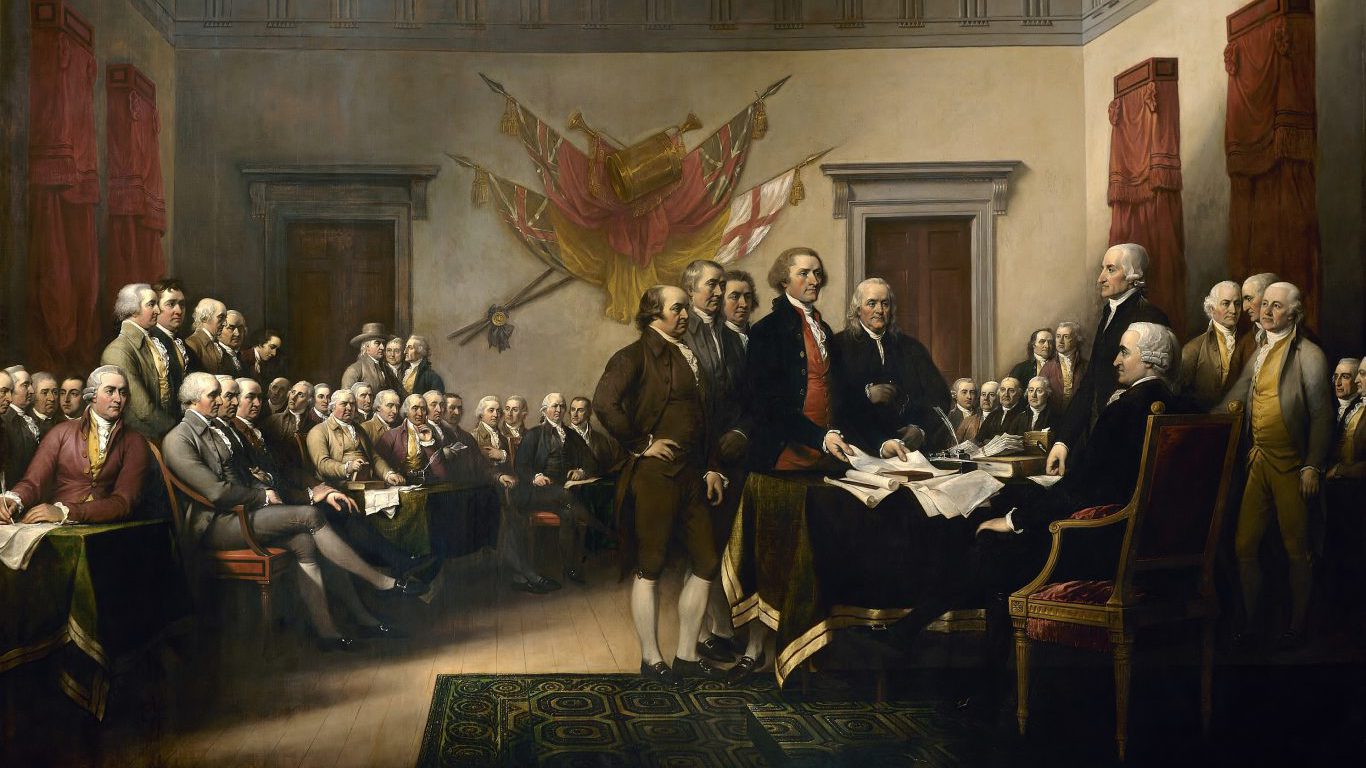
Signing of The Declaration of Independence.
- New Hampshire
- Massachusetts
- Rhode Island
- Connecticut
- New York
- New Jersey
- Pennsylvania
- Delaware
- Maryland
- Virginia
- North Carolina
- South Carolina
- Georgia
After the vote to form the United States, the original 13 British colonies became the original 13 states. The existence of the United States of America was recognized by Great Britain in the Treaty of Paris in 1783, thereby ending any legal and territorial objections to the new country.
Question 19:
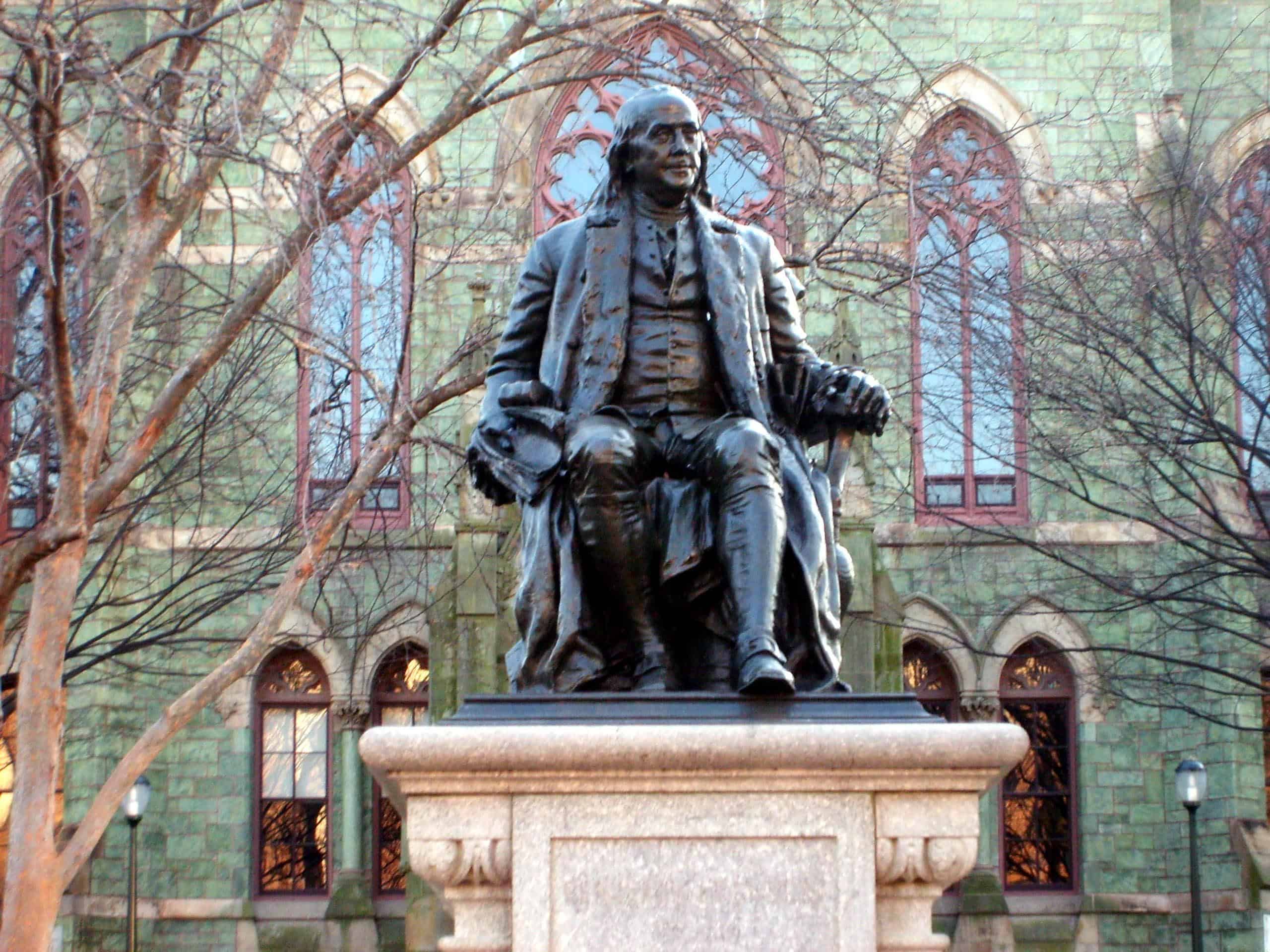
Benjamin Franklin.
Name one thing Benjamin Franklin is famous for?
Answer:
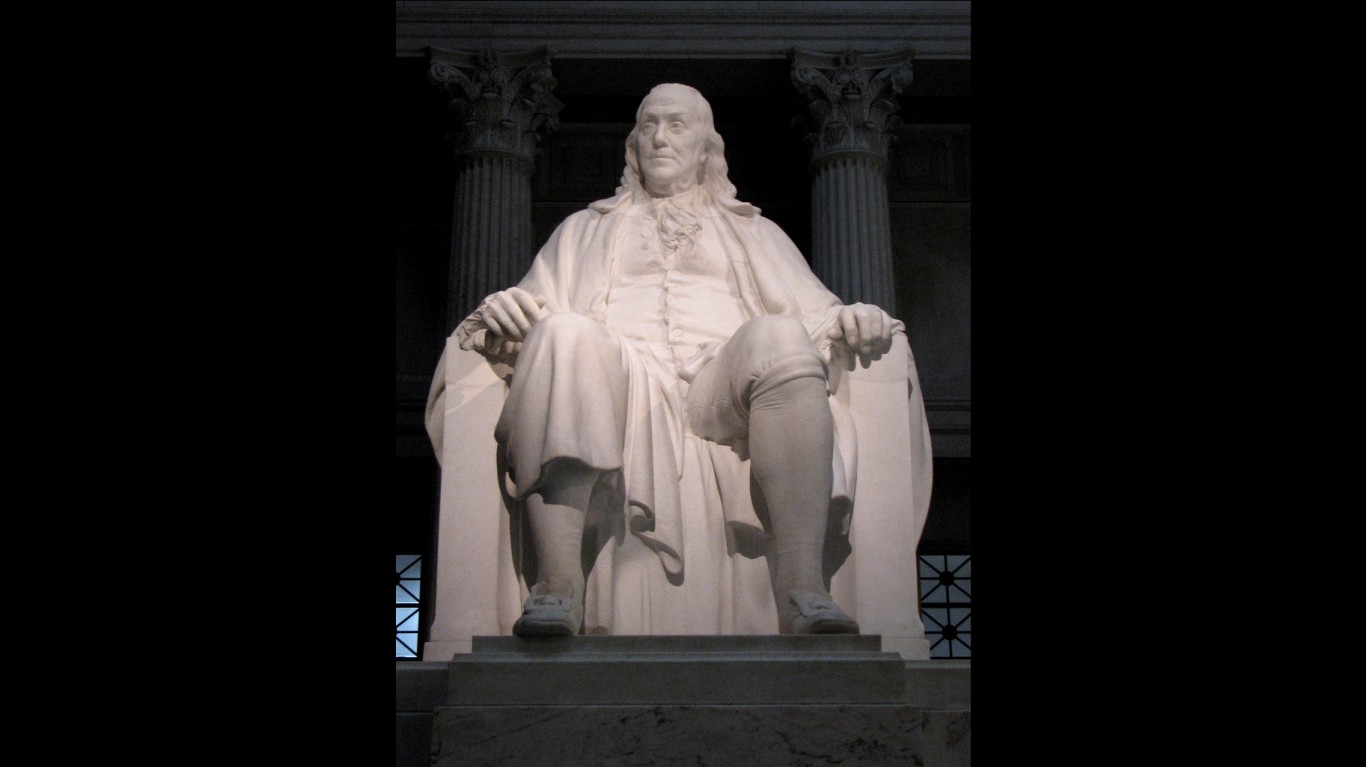
Benjamin Franklin.
- U.S. diplomat
- Oldest member of the Constitutional Convention
- First Postmaster General of the United States
- Writer of “Poor Richard’s Almanac”
- Started the first free libraries
Of course, Benjamin Franklin is famous for many things, most of which can fit into one of the five categories listed above. But when it comes to the founding of the United States and the formation of its government and culture, Ben’s contributions in these five areas are among the most significant and secured his place in history for centuries.
Question 20:
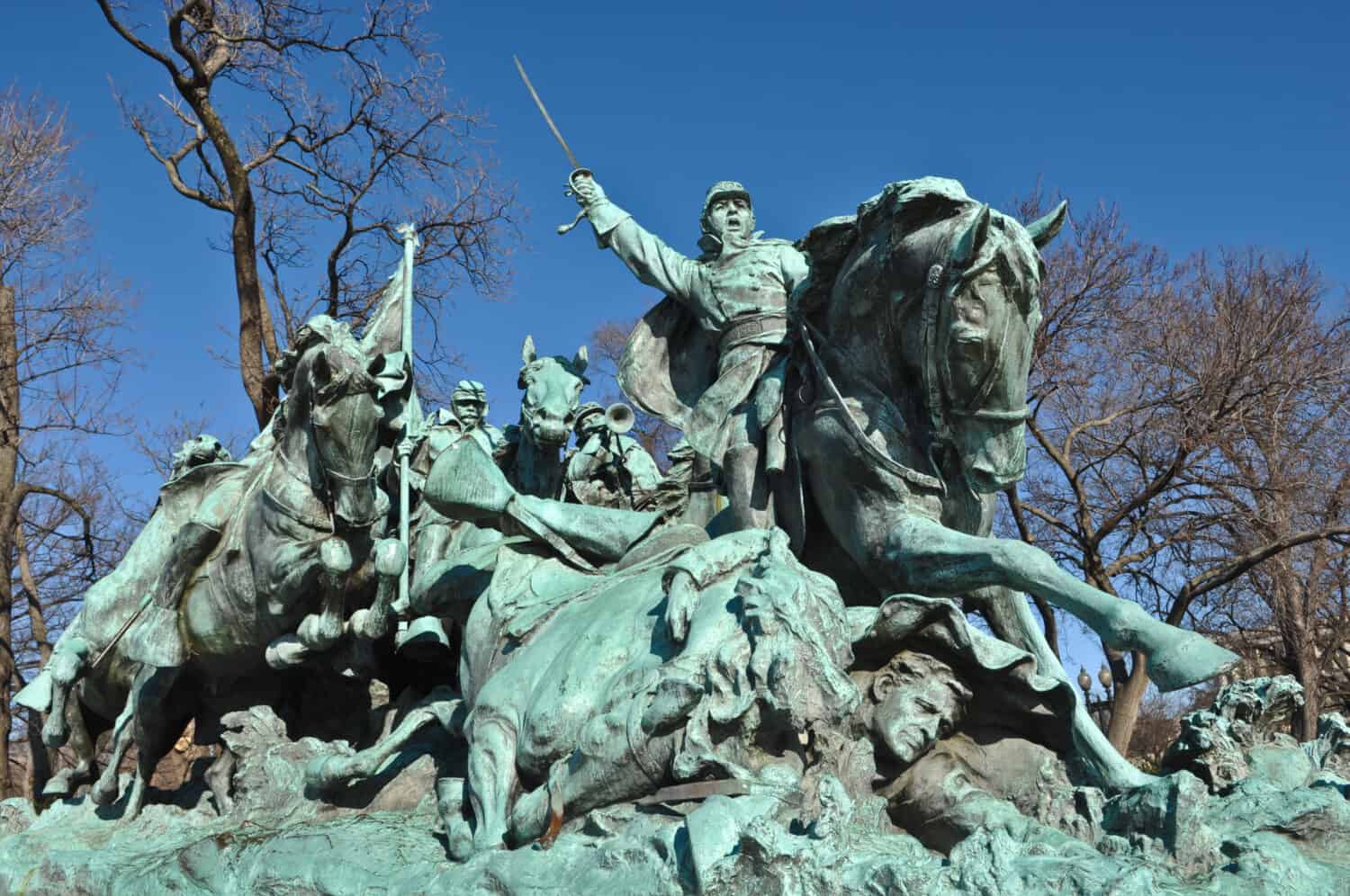
A Civil War statue.
Name one problem that led to the Civil War.
Answer:
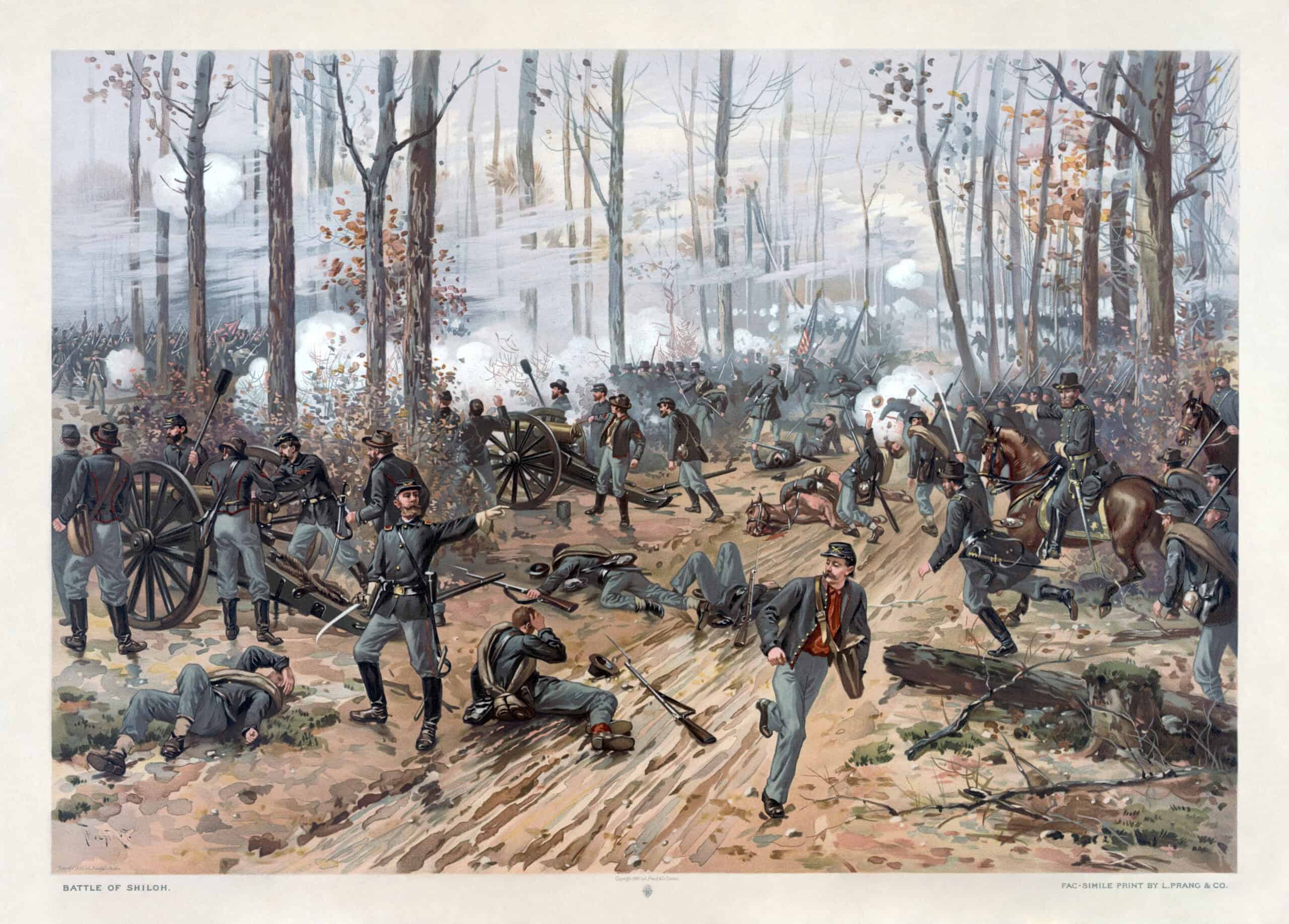
Illustration of the Battle of Shiloh.
- Slavery
- Economic reasons
- States’ rights
Naturally, the three reasons above are inextricably linked together and inseparable when it comes to the Civil War. The claim that states had the right to determine the legality of slavery for themselves and the economic impact emancipation would have on the industry of the Southern States eventually led to armed conflict. Historical revisionists and ill-informed political actors have increasingly claimed other reasons for the Civil War, but slavery was the root cause of the conflict according to historians and the people who fought on behalf of the Confederacy.








 Top Gaining Stocks
 Top Losing Stocks