


Defense spending continues to climb worldwide, with governments pouring billions into modernizing their armed forces. Yet military strength cannot be measured by money alone. Factors such as manpower, equipment diversity, logistical capability, geography, natural resources, and even economic stability all play a crucial role in shaping a nation’s overall military effectiveness. Each year, the Global Firepower Index attempts to capture this complex picture by ranking the militaries of more than 140 countries. In this system, as some states climb the ladder due to new investments or strategic advantages, others inevitably lose ground. This article takes a closer look at the countries that have fallen in the most recent rankings and explores the political, economic, and strategic reasons behind their decline.
This post was updated on September 13, 2025 to provide the most up-to-date info as of 2025.
Why This Matters
Year-on-year military strength comparisons can be difficult, but they help provide a glimpse into the global balance of power. The United States is still the world’s top military power, while some key allies are struggling with political and economic problems. It’s important to know where these weaknesses lie.
Japan
2023 rank: 8th
2024 rank: 7th
2025 rank: 8th
Defense budget: $57 billion
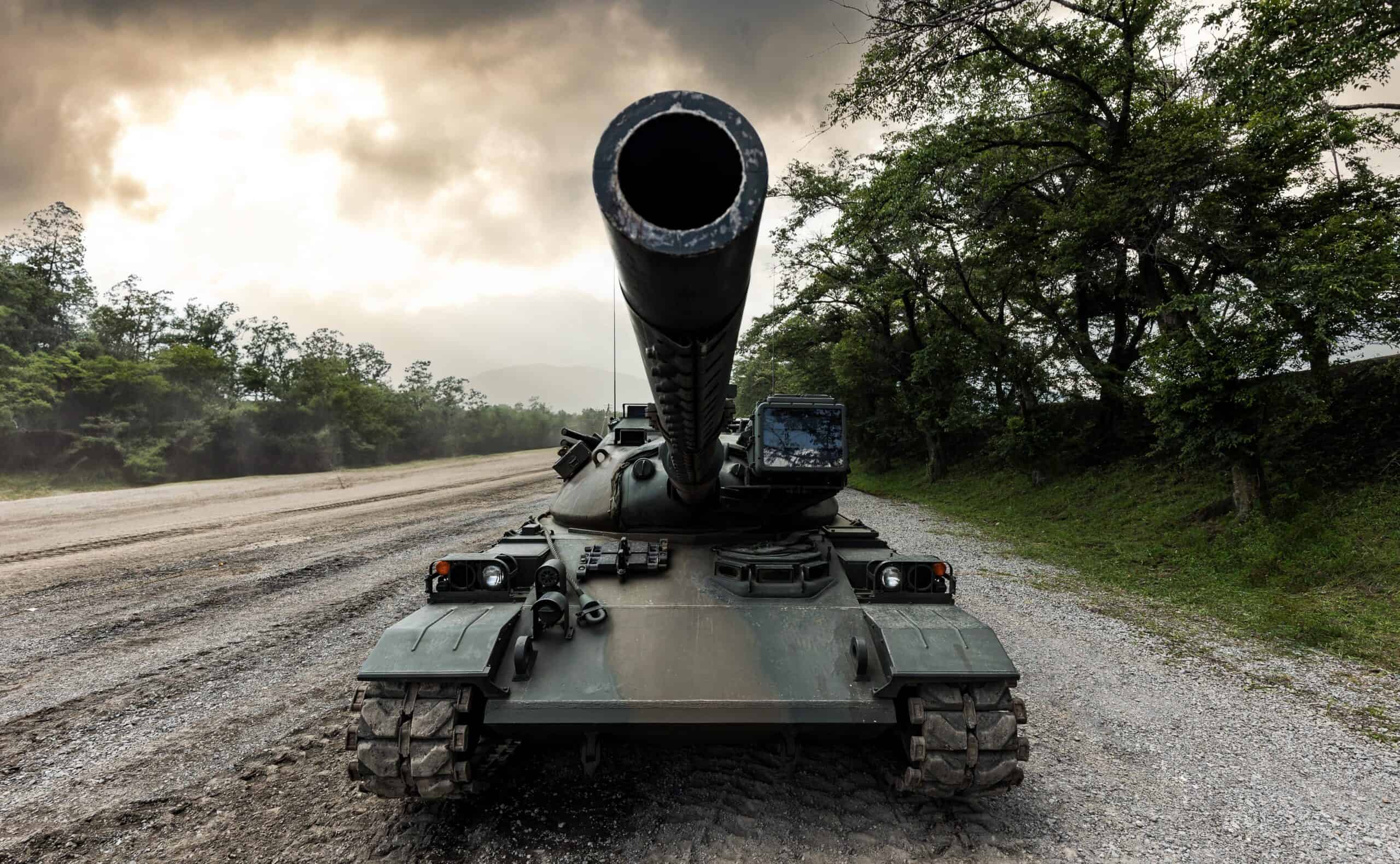
Japan fell from 7th place in the Global Firepower Index in 2024 to 8th place in 2025, not because of a major decline in its own capabilities, but due to relative changes among other nations. The index weighs over 60 factors—such as manpower, equipment, defense budget, logistics, and geography—and if Japan’s growth in these areas remained steady while competitors advanced, the country would naturally slip in rank. In particular, some nations likely boosted defense spending, procurement, or overall readiness more aggressively, allowing them to overtake Japan. In short, Japan’s drop reflects stronger improvements elsewhere rather than a sudden weakening of its military strength.
Iran

2023 rank: 17th
2024 rank: 14th
2025 rank: 16th
Defense budget: $15.45 billion
Iran dropped in ranking from 14th in 2024 to 16th in 2025 in the Global Firepower Index. Several factors likely contributed: it suffered strategic setbacks via its regional proxies (in Syria, Yemen, etc.), which weakened its external influence and military footprint. On the economic side, sanctions continued to strain its ability to procure or replace military materiel. Also, relative improvements by other nations in military budgets, equipment modernization, manpower, or logistical readiness mean that even without a sharp deterioration, Iran fell behind in the competition.
Pakistan
2023 rank: 7th
2024 rank: 9th
2025 rank: 12th
Defense budget: $7.64 billion
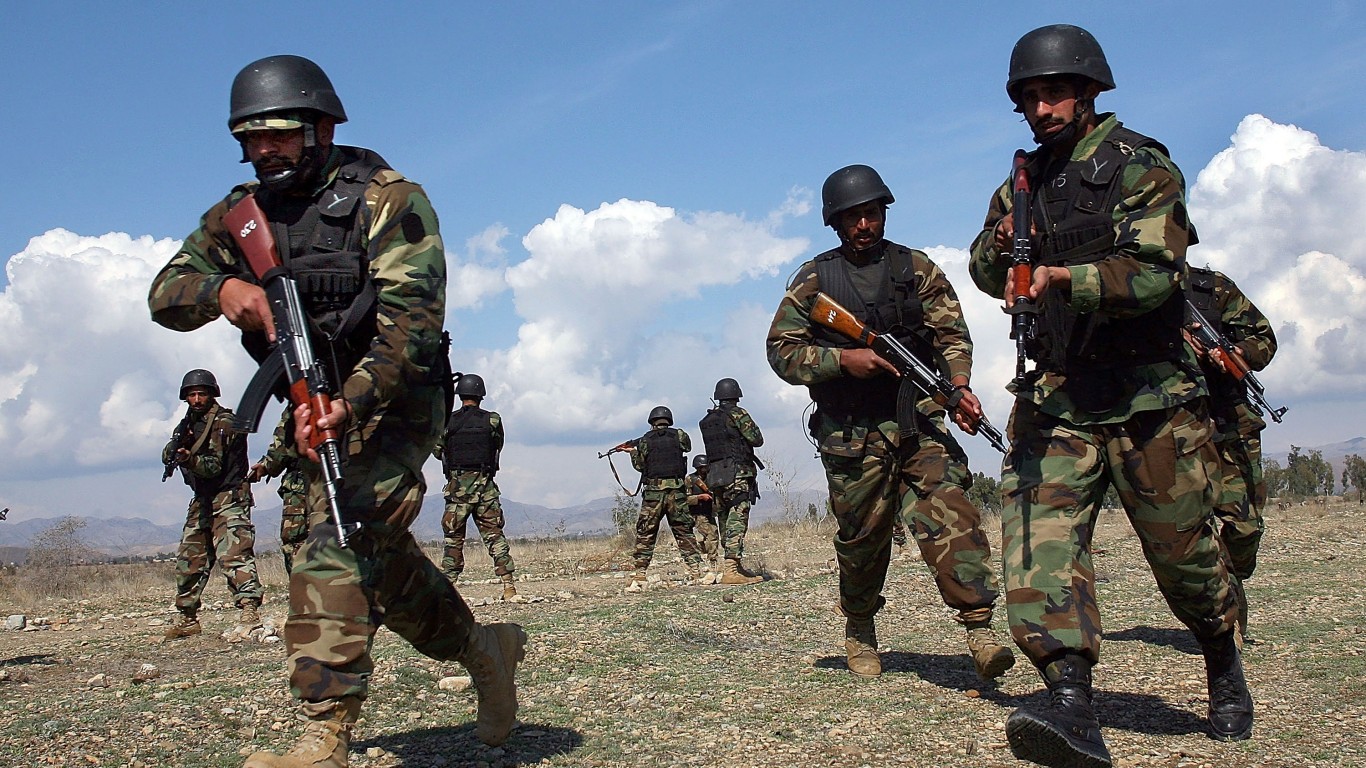
Pakistan’s military power belies its weak economy and extremely low GDP per capita. With an estimated 170+ nuclear warheads, Pakistan’s high ranking mostly comes from its ballistics and large standing army. Former president Zulfikar Ali Bhutto once remarked in 1965 that his people would eat “grass and leaves” if it meant getting nuclear weapons. The military is the dominant force in Pakistani politics and a drain on its underdeveloped economy. Relations with the U.S. remain complicated, but in recent years they’ve shifted to a more transactional footing, especially around counterterrorism and regional stability. Pakistan faces recurring political instability and economic crises.
Egypt
2023 rank: 14th
2024 rank: 15th
2025 rank: 19th
Budget: $5.87 billion
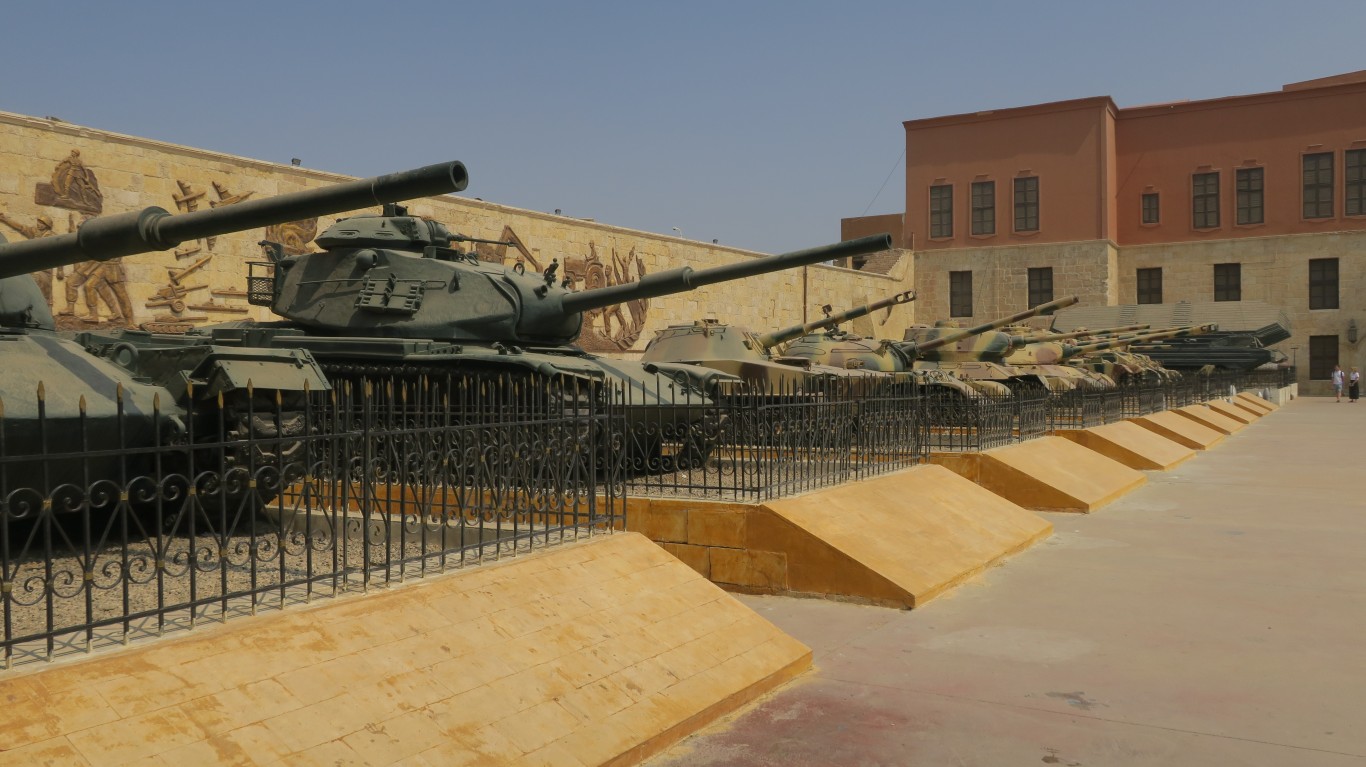
Egypt dropped from 15th in 2024 to 19th in 2025. Egypt’s economic struggles (currency instability, rising budget deficits, and declining investment) could have strained its ability to maintain or modernize military hardware, affecting readiness or procurement. Second, relative improvements by other nations (increasing defense budgets, acquiring more capable equipment, better logistics or force projection) may have pushed Egypt down even if its own strength didn’t materially decline. In short, it seems less that Egypt’s military got significantly weaker, and more that others made enough gains while its ability to keep pace was constrained by economic and logistical headwinds.
The most populous nation in the Middle East and North Africa (MENA), Egypt’s military strength is a source of economic weakness. The military overthrew the democratically elected president Mohamed Morsi in 2013, after just over a year in power. Abdel Fattah el-Sisi, former head of the Egyptian armed forces and current president, seized power in 2014. The military has a stranglehold on Egypt’s economy and profits handsomely from major construction projects like the New Administrative Capital being constructed near Cairo. Geopolitical events like the war in Ukraine (Egypt relies on Russia and Ukraine for wheat) and the war between Hamas and Israel have seen the Egyptian pound plummet in value. Attacks on Red Sea shipping by the Houthi have plunged revenue from the Suez Canal by 44% from last year.
Accordingly, Egypt’s economic crisis threatens its ability to maintain military strength, but thanks to its key geopolitical position, loans from the International Monetary Fund (IMF) are still coming in. For global trade, Egypt is essentially “too big to fail.”
Ukraine

2023 rank: 15th
2024 rank: 18th
2025 rank: 20th
Defense budget: $53.7 billion
Ukraine slipped from 18th place in the 2024 Global Firepower Index to 20th in 2025, and several factors likely explain this decline. Sustained fighting has led to heavy equipment losses that have not been fully replaced, while delays and bottlenecks in Western military aid have further strained Ukraine’s ability to maintain its previous momentum on the battlefield. At the same time, other nations improved their relative standing by boosting procurement, manpower, or logistical capacity, pushing Ukraine lower in the rankings despite its resilience. The fall in rankings highlights both the toll of prolonged conflict and the competitive nature of global military comparisons.
Conclusion
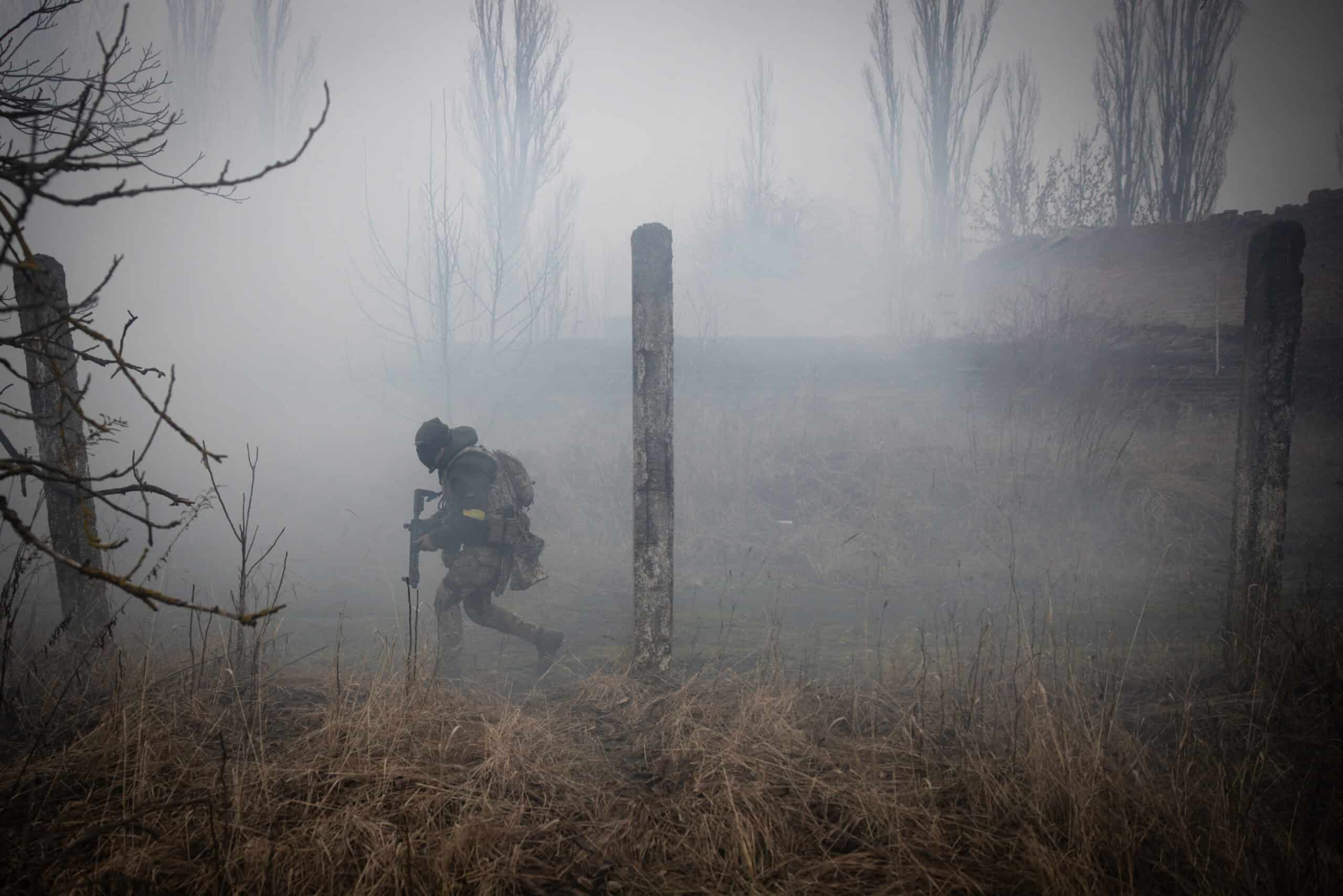
With increased global military spending, staying ahead of the competition is much more difficult. There are different underlying causes for a decline in military strength, but they are most likely to be economic and political. The militaries of Egypt and Pakistan certainly don’t lack prominence but have major systemic issues to overcome. Ukraine is feeling the effects of a sustained conflict with a damaged but still powerful adversary.









 Top Gaining Stocks
 Top Losing Stocks