


In the wake of World War 2, the United States emerged as an industrial powerhouse after supplying its own military and its allies with a wide array of weapons and equipment. Companies like Boeing, General Motors and Ford contributed greatly to the war effort, and would continue on past the war to great success in the decades to come.
Boeing played an integral role in World War 2. The B-17 Flying Fortress and B-29 Superfortress bombers, both produced by Boeing, became iconic symbols of American air power. These aircraft delivered devastating blows to Axis forces, with the B-29s dropping the atomic bombs on Japan. Aside from bombers, Boeing also manufactured fighter planes, reconnaissance aircraft, and transport planes.
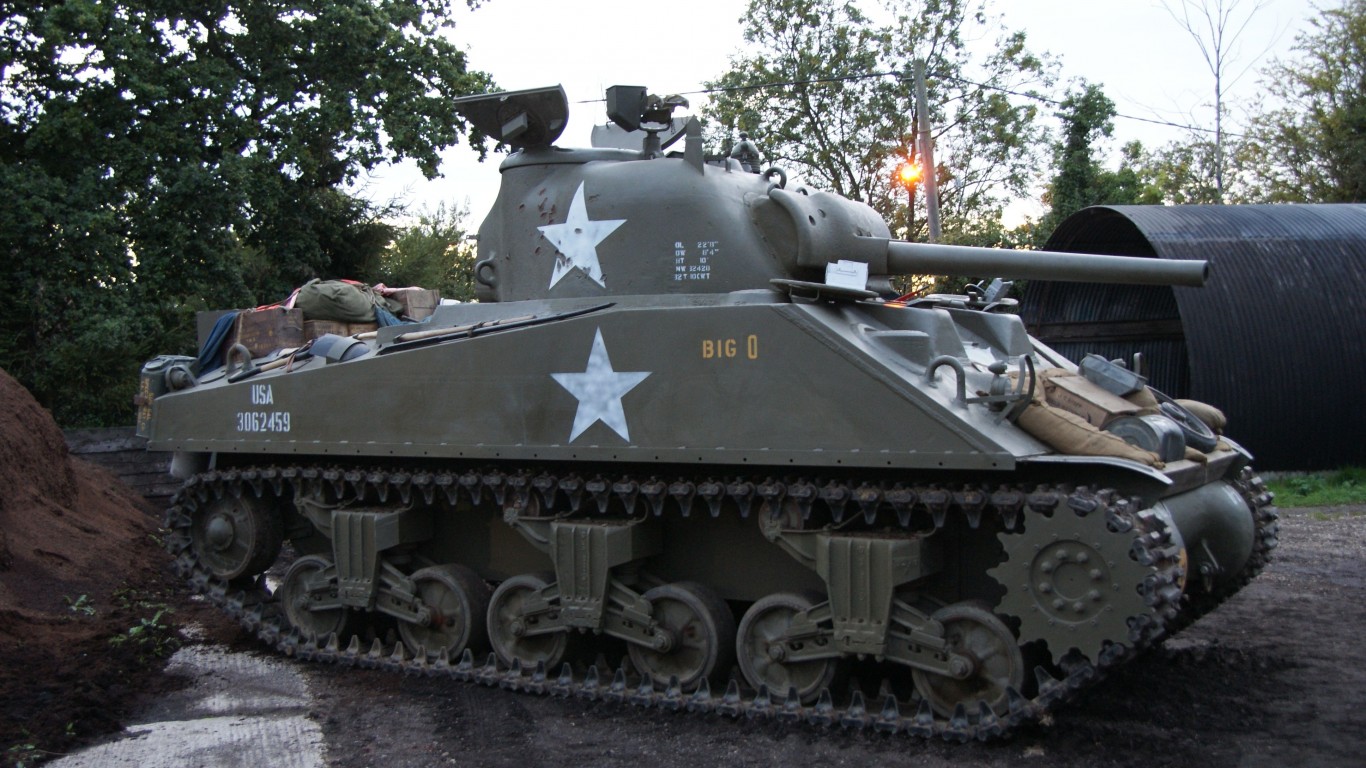
General Motors also pivoted its vast automotive production capacity to meet the demands of the U.S. military. The company’s plants churned out a wide range of military vehicles, from trucks to tanks. The most famous of these was the Sherman tank, which became the backbone of the Allied armored forces. GM’s expertise in mass production greatly contributed to the rapid mobilization of U.S. forces, providing much needed support to the war effort on multiple fronts. Here, 24/7 Wall St. is not just taking a look at Boeing or General Motors, but at all the major companies that contributed to the World War 2 wartime economy.
To identify the most notable American weapons manufacturers of World War II, 24/7 Wall St. reviewed a variety of historical and military sources, including Military Factory. We ordered the manufacturers alphabetically and included supplemental information regarding notable weapons, aircraft, or vehicles each produced.
Here is a look at the American companies that contributed to the World War 2 economy:
Why Are We Covering This?
Understanding World War 2 is important to appreciate how the modern world’s current political and military order was shaped. As the most catastrophic conflict in human history, World War 2 reshaped borders, redefined global alliances, and hit the gas pedal on technological innovation. This conflict bore witness to the rapid advances in small arms, aircraft, armored vehicles, and naval warfare. Military doctrine evolved hand-in-hand with technology during this time as well, shaping much of modern military strategies. World War 2 would set the stage for the world we know today, in more ways than we could possibly comprehend.
American Locomotive Company
- Notable weapons: M7 Priest, M4 Sherman Tank
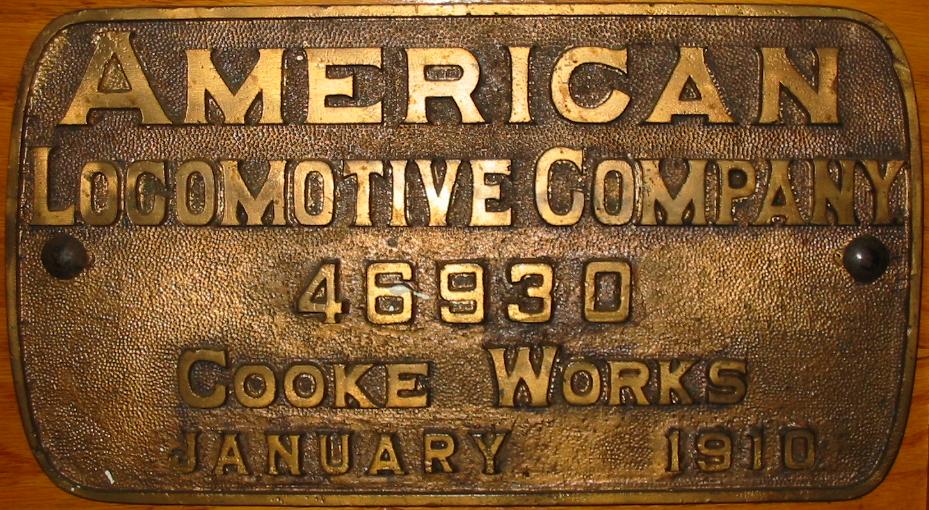
Known for producing the M4 Sherman and M7 Priest, the American Locomotive Company transformed its industrial capacity from rail to armor during World War 2. Its factories turned out thousands of tanks, self-propelled howitzers, and anti-aircraft guns that supported Allied offensives across Europe. The company was fairly flexible in adapting locomotive engineering to wartime production made it a huge difference in America’s armored might.
Beech Aircraft Corporation
- Notable weapons: Beech AT-10 Wichita, Beech C-45 Expeditor
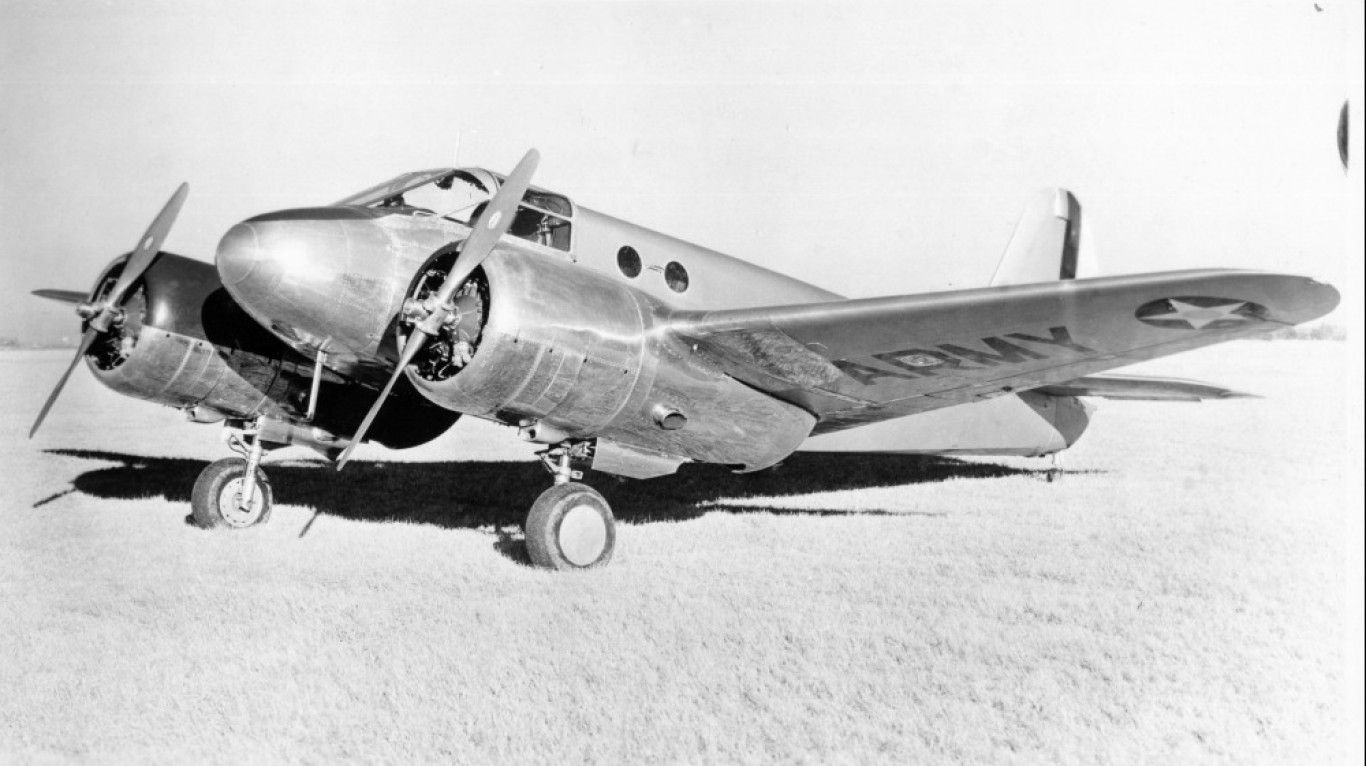
Founded in 1932 in Wichita, Kansas, Beech Aircraft was an essential wartime manufacturer through its designs like the AT-10 Wichita trainer and C-45 Expeditor transport. The AT-10 alone trained thousands of Allied pilots, while the C-45 served as a reliable multi-role aircraft throughout the war. Now part of Textron Aviation, Beechcraft’s legacy endures with civilians as well as the military.
Bell Aircraft Corporation
- Notable weapons: Bell P-39 Aircobra, Bell P-59 Aircomet, Bell P-63 King Cobra
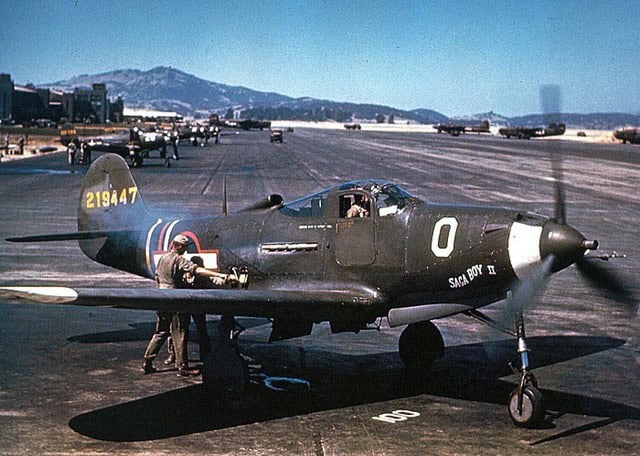
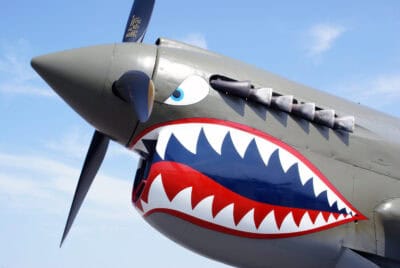
Before it was known for its helicopters, Bell Aircraft built some of the most innovative fighters of the early jet age. Its P-39 Airacobra, P-59 Airacomet, and P-63 Kingcobra pushed American aviation into new territories with their turbo-superchargers and jet propulsion concepts. Founded in the 1930s, Bell’s contributions bridged the gap between prop power and the dawn of jet warfare. The company would later join Textron Aviation in the 1960s.
Boeing Company
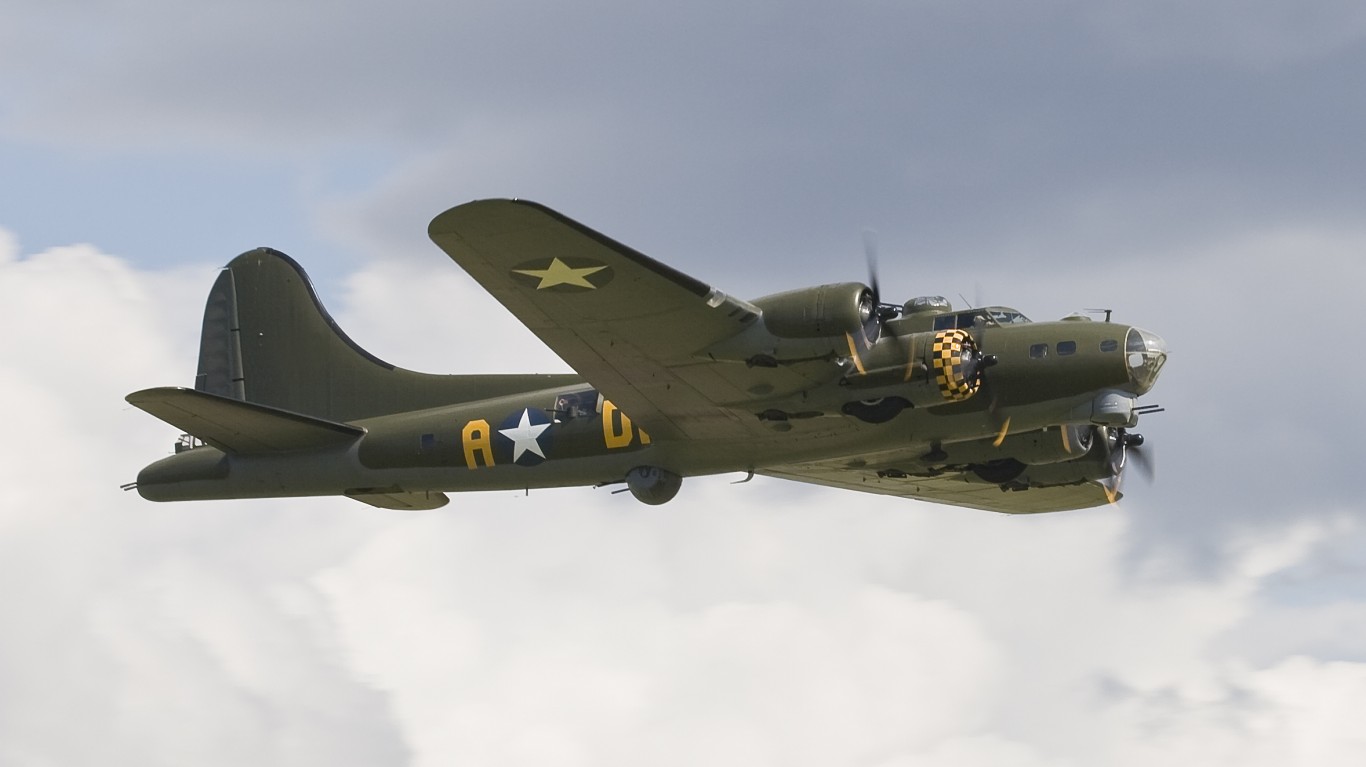
- Notable weapons: B-17 Flying Fortress, B-29 Superfortress,
Boeing’s wartime legacy is anchored by the B-17 Flying Fortress and the B-29 Superfortress. The Superfortress would ultimately end the war in 1945 delivering the atomic bombs to Hiroshima and Nagasaki, cementing Boeing’s name in history. Beyond its military work during the war, the company also laid the groundwork for its future as one of the world’s leading commercial and defense aerospace giants.
Brewster Aeronautical Corporation
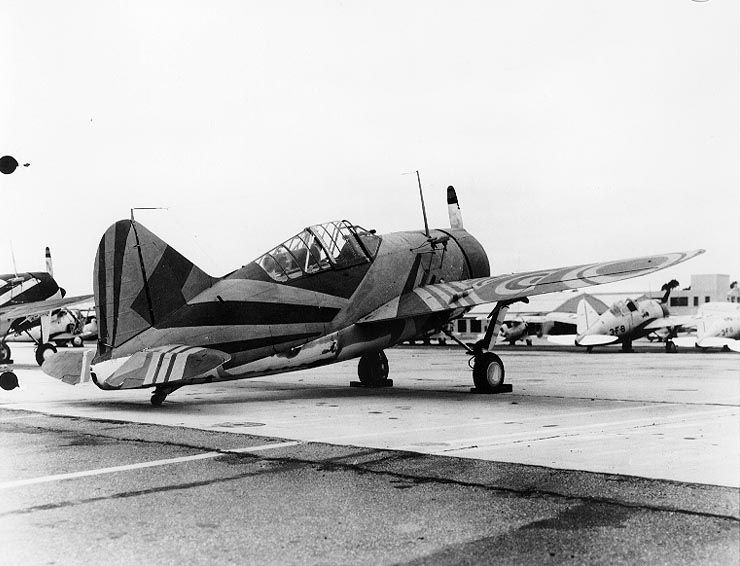
- Notable weapons: Brewster F2A (Buffalo), Brewster SB2A Buccaneer
Once a lowly carriage maker, Brewster pivoted to aviation in the interwar years and produced aircraft like the F2A Buffalo and SB2A Buccaneer. Both saw action in the early Pacific campaign, serving with U.S. and Allied forces despite mixed combat results. Though the company eventually folded after the war, Brewster’s designs marked an important transitional period in naval aviation development.
Colt Firearms

- Notable weapons: Colt M1911 Pistol, Browning M1917, Colt Browning M1895 (Potato Digger)
Colt’s wartime output included several legendary American firearms like the M1911, Browning M1917 machine gun, and Colt Browning M1895 “Potato Digger.” The M1911 became the definitive sidearm of the U.S. Armed Forces, with over 2.5 million produced by 1945. The M1911 is known for its longevity and has served well into the 21st century, making it one of the most enduring handguns ever issued.
Consolidated Aircraft
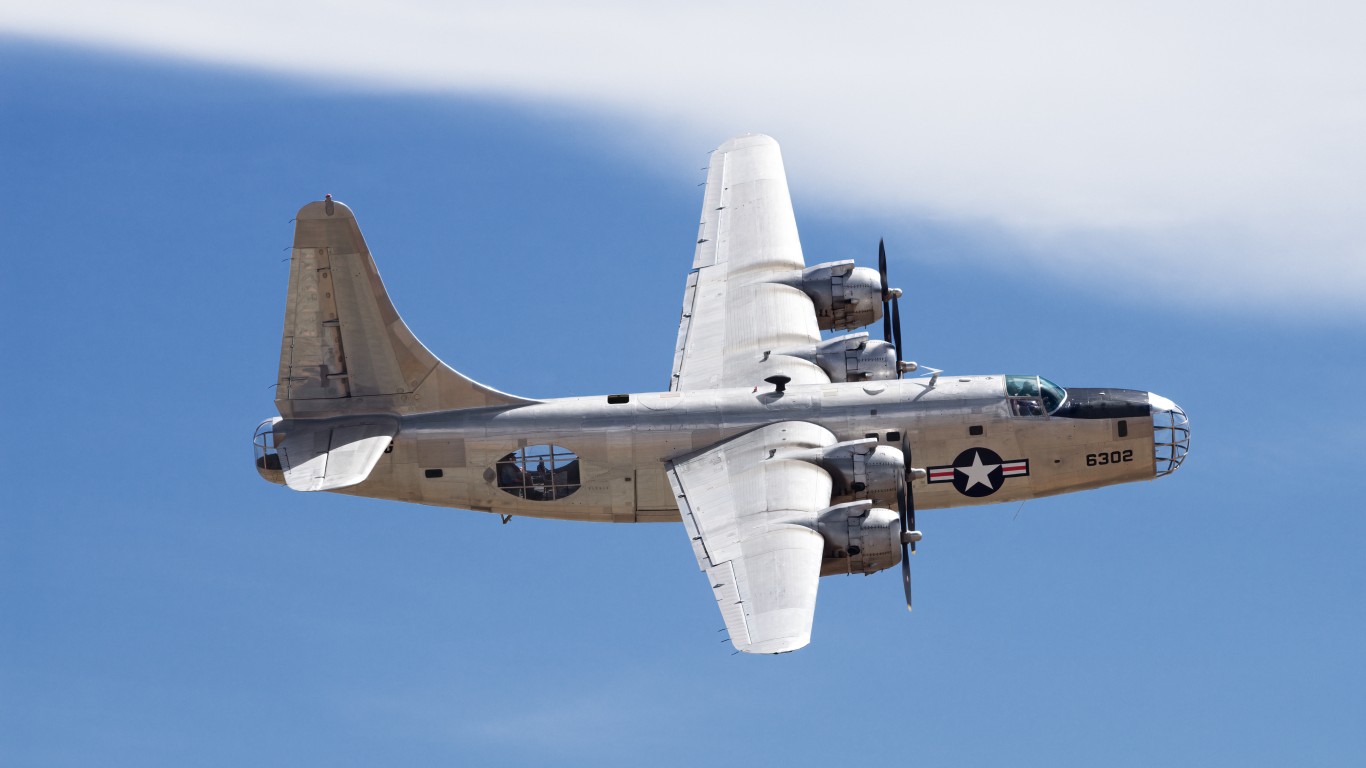
- Notable weapons: B-24 Liberator, B-32 Dominator, PB2Y Coronado
Consolidated Aircraft produced the B-24 Liberator, one of World War 2’s most prolific heavy bombers, with over 18,000 built. The Liberator’s long range and heavy payload made it indispensable across both European and Pacific theaters. The company also built the B-32 Dominator and PB2Y Coronado patrol bomber before merging with Vultee Aircraft in 1943 to form Consolidated-Vultee (Convair).
Cranston Arms
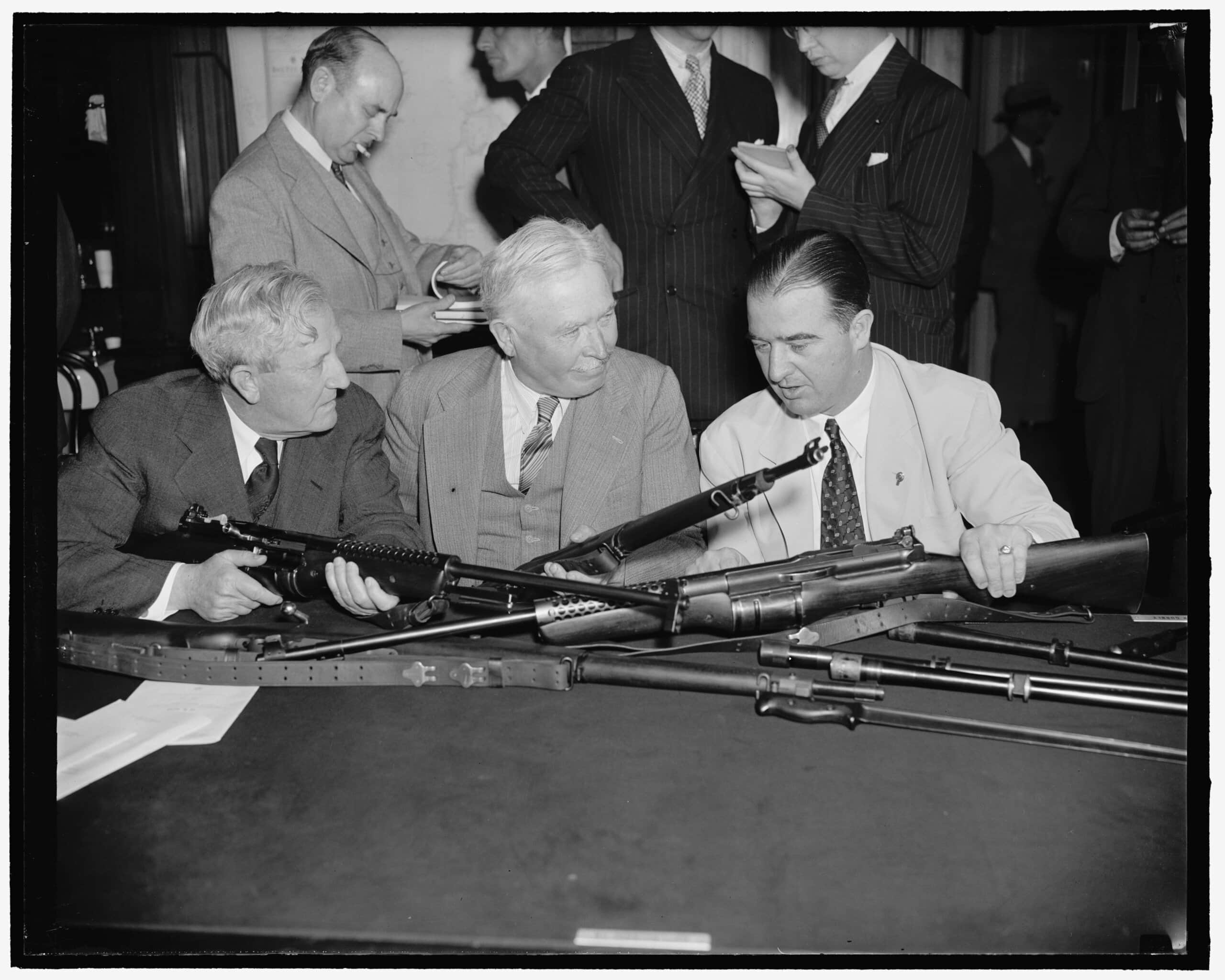
- Notable weapons: Johnson Model 1941 LMG, Johnson Model 1941 Rifle
Cranston Arms is best known for manufacturing Melvin Johnson’s Model 1941 rifle and light machine gun, adding some diversity to America’s small-arms lineup. While less common than the M1 Garand, these recoil-operated rifles introduced innovative features and saw limited combat use. Though opinions were mixed, Cranston’s contributions reflected the experimental edge of U.S. infantry design during the war.
Curtiss Aeroplane and Motor Company
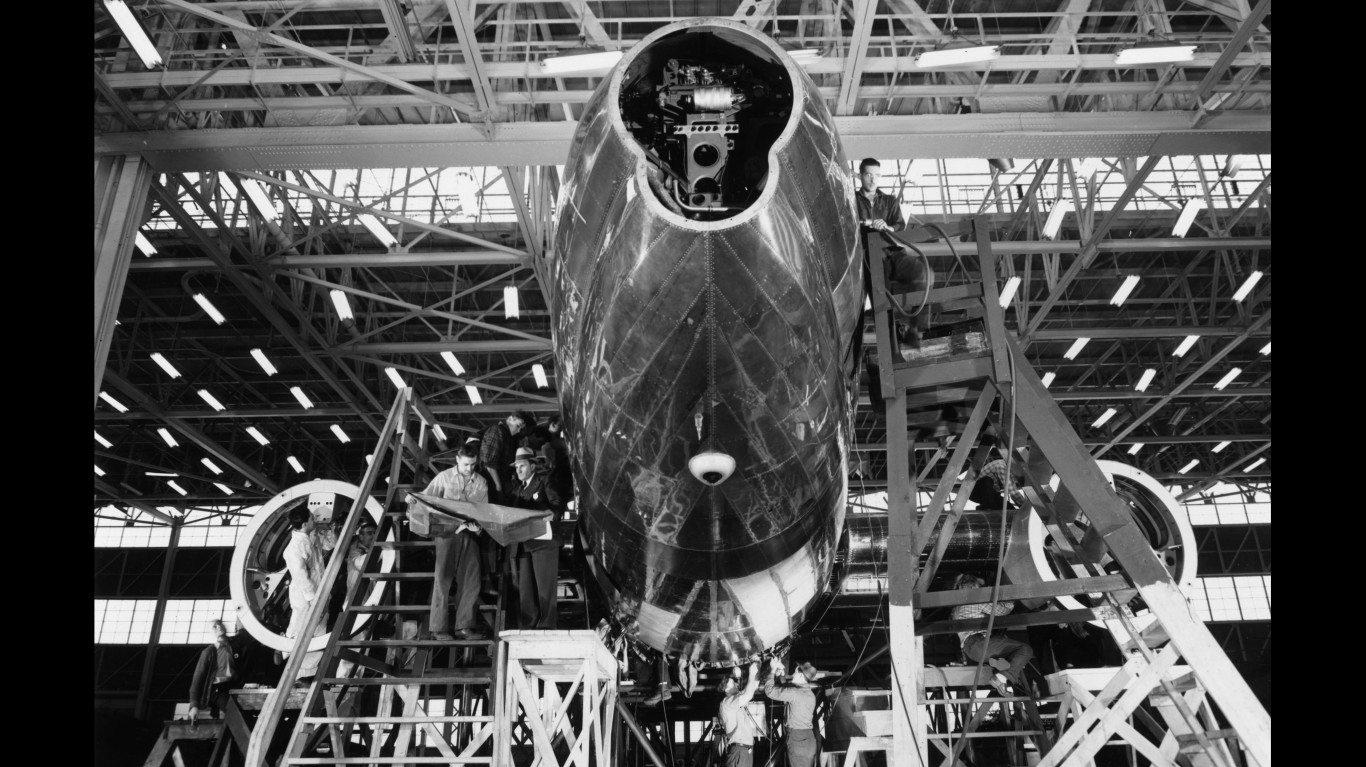
- Notable weapons: SB2C Helldiver, SC Seahawk, C-46 Commando
Curtiss Aeroplane produced several major wartime aircraft, including the SB2C Helldiver, SC Seahawk, and C-46 Commando. The Helldiver, despite early criticism, went on to sink more enemy tonnage than any other Allied aircraft in World War 2. After the war, Curtiss merged with the Wright Company, forming Curtiss-Wright—one of the foundational names in American aerospace engineering.
Detroit Tank Arsenal
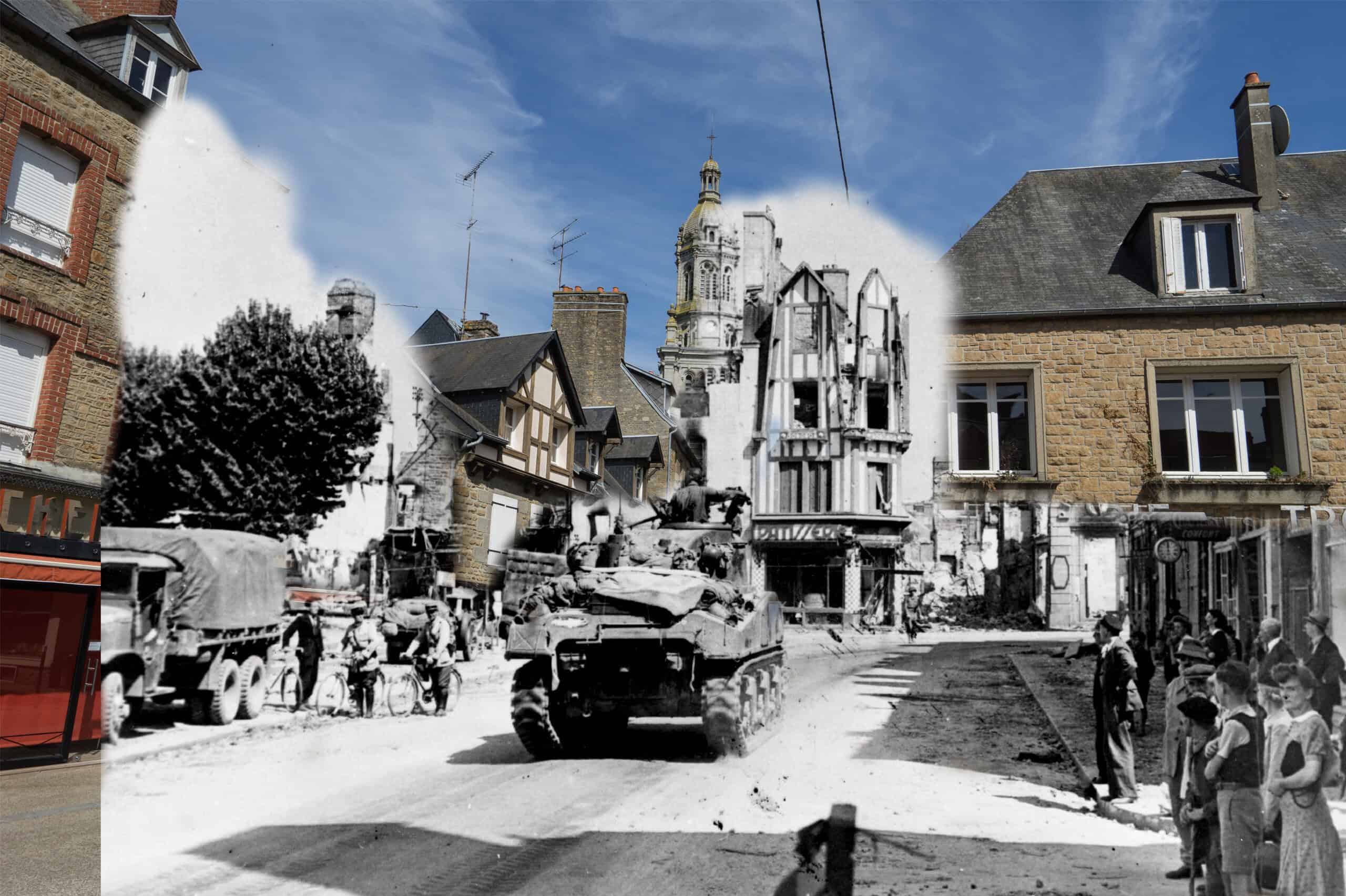
- Notable weapons: M26 Pershing Tank, M4 Sherman Tank
Built by Chrysler in 1940, the Detroit Arsenal was the United States’ first plant dedicated solely to tank production. It mass-produced M4 Shermans and M26 Pershings, the backbone of U.S. armored forces in Europe. The arsenal’s output not only helped secure Allied victory but also set a precedent for large-scale, assembly-line manufacturing of modern armored vehicles.
Douglas Aircraft
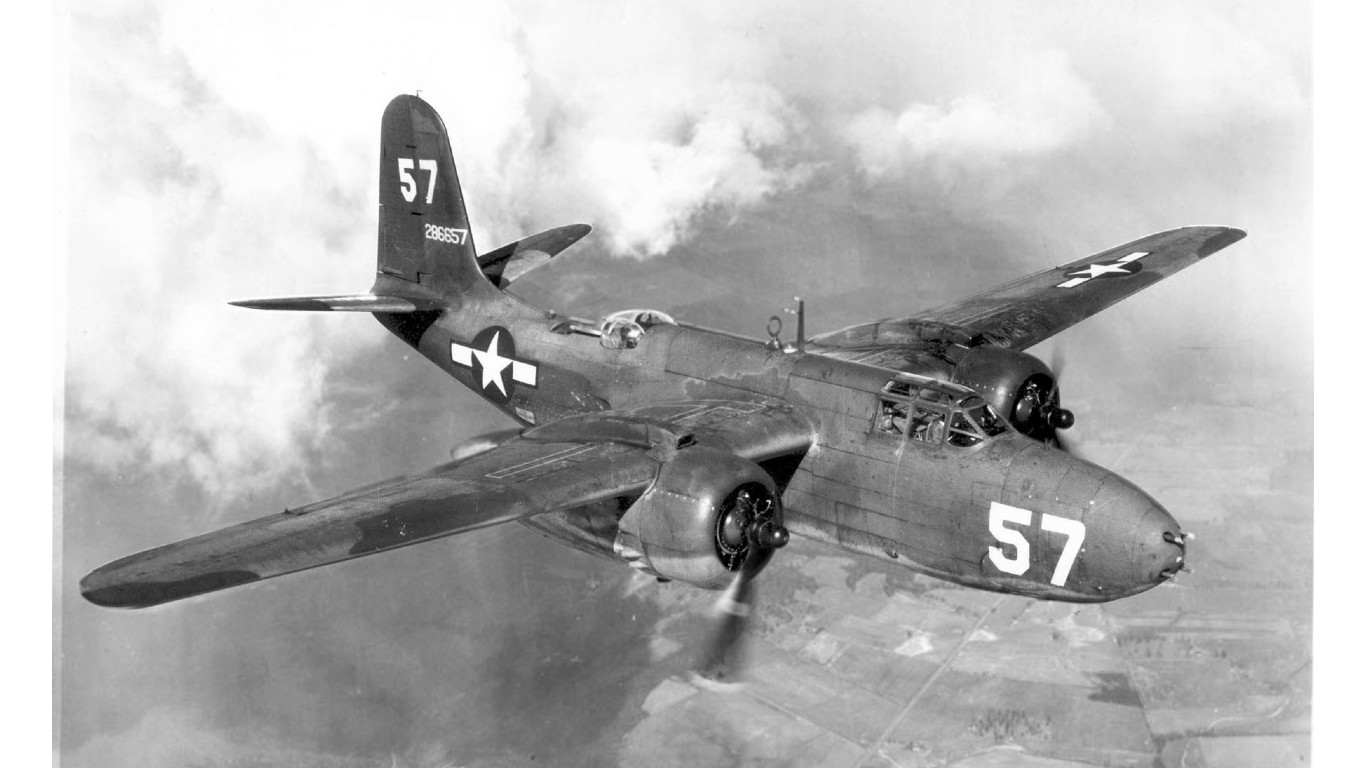
- Notable weapons: A-20 Havoc / Boston, A-26 / B-26 Invader, C-47 Skytrain / Dakota
Founded after the First World War, Douglas Aircraft became one of America’s premier aircraft manufacturers by the time of World War 2. It designed the A-20 Havoc, A-26 Invader, and C-47 Skytrain which served across every major theater. The C-47 became legendary for paratrooper drops and supply runs, while the A-26 proved effective as a fast light bomber. Douglas would later merge with Boeing in 1997.
Fisher Tank Arsenal
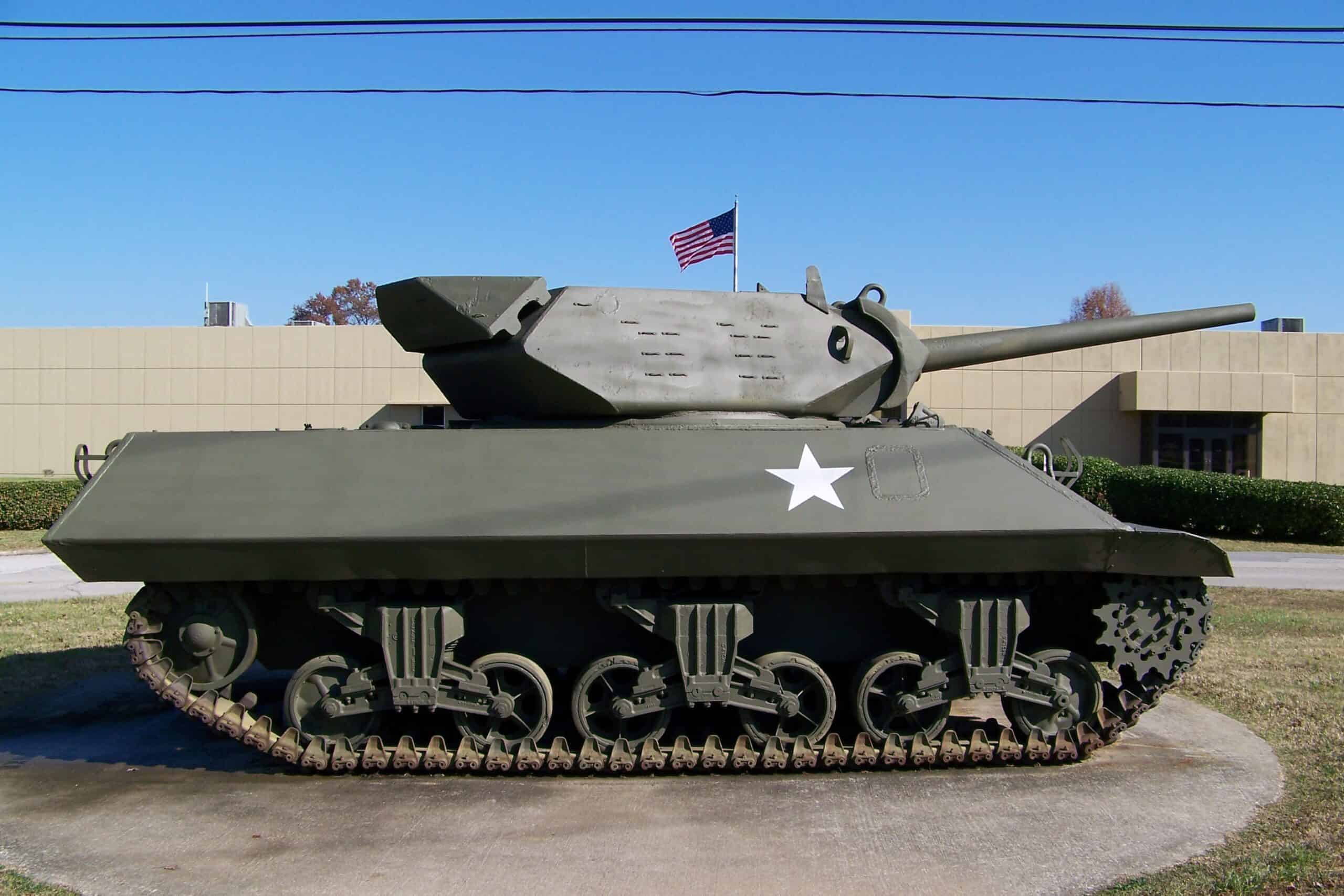
- Notable weapons: M10 Wolverine, M4 Sherman Tank, M26 Pershing Tank
Opened in 1942 in Michigan, Fisher Tank Arsenal played a major role in American armored production. The plant turned out over 12,000 tanks during World War 2, including variants of the M4 Sherman and M26 Pershing that spearheaded Allied advances in Europe. After the war, Fisher shifted to Cold War designs like the M48 Patton.
Ford Motor Company
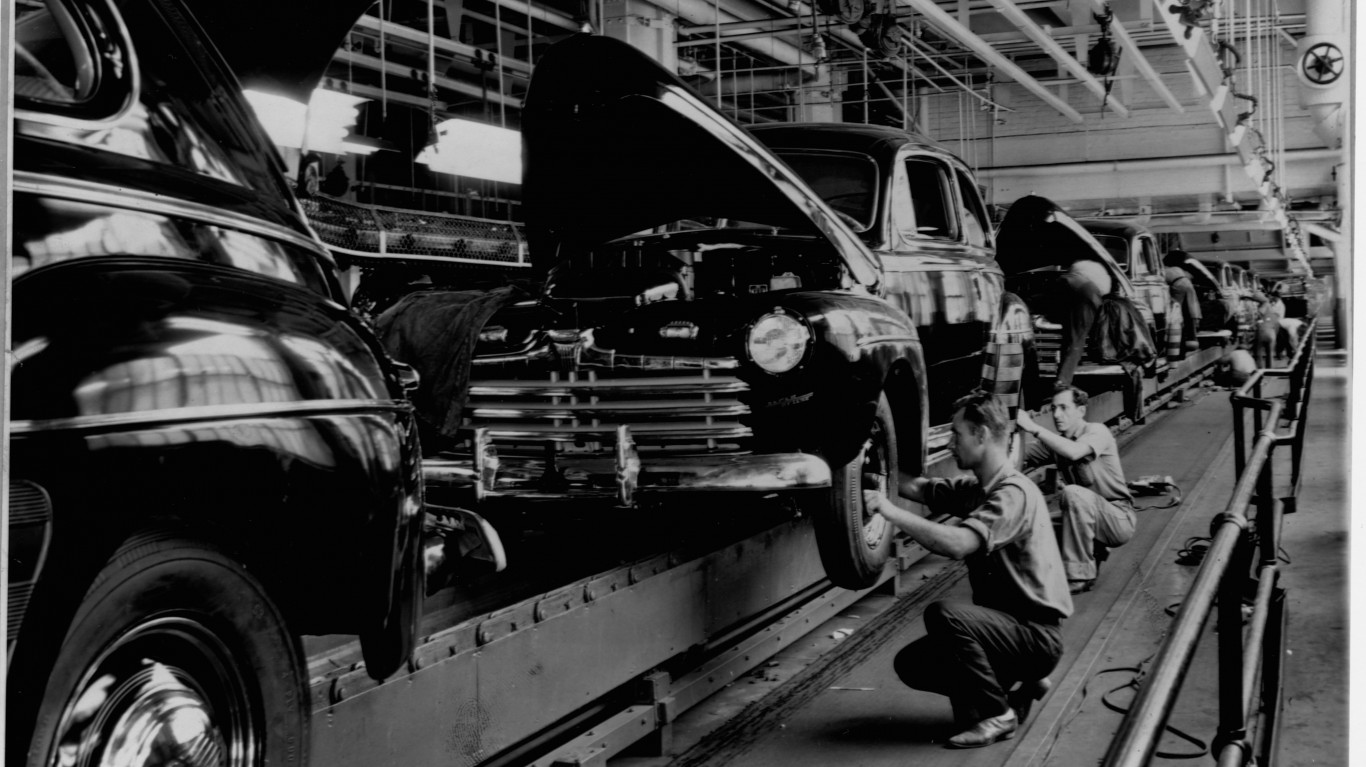
- Notable weapons: M10-A1 Tank Destroyer, Ford GP/GPW
Ford transformed its automobile factories into military production hubs during World War 2, building everything from the M10A1 Tank Destroyer to the GP and GPW reconnaissance vehicles (predecessors of the Jeep). In total, Ford produced an estimated 278,000 military vehicles, including armored cars and tanks.
General Motors Company
- Notable weapons: M3 (Grease Gun), M18 Hellcat, M19 Air Defense Vehicle
Beginning in 1940, General Motors converted much of its output to supply the U.S. military with vehicles, engines, and weapons systems. GM’s wartime contributions included the M3 “Grease Gun,” the M18 Hellcat tank destroyer, and the M19 Air Defense Vehicle. Altogether, the company produced over $12 billion in war materiel.
Glenn L. Martin Company
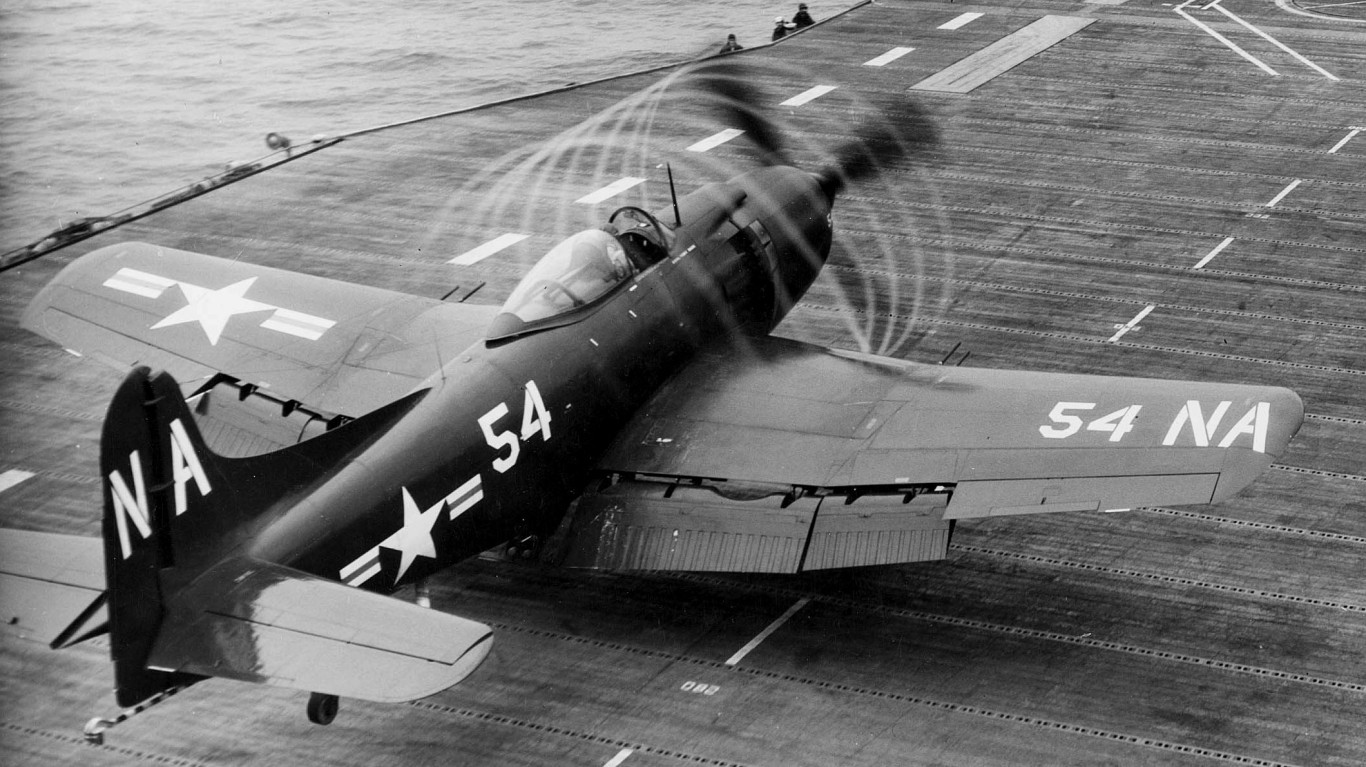
- Notable weapons: Martin AM Mauler, Martin B-26 Marauder, Martin Baltimore
The Glenn L. Martin Company became synonymous with American bomber power through aircraft like the B-26 Marauder, A-22 Maryland, and Martin Baltimore. The Marauder earned a reputation for precision and resilience in combat. Following the war, Martin’s legacy endured through mergers that eventually formed Lockheed Martin, now one of the world’s largest aerospace and defense contractors.
Grumman
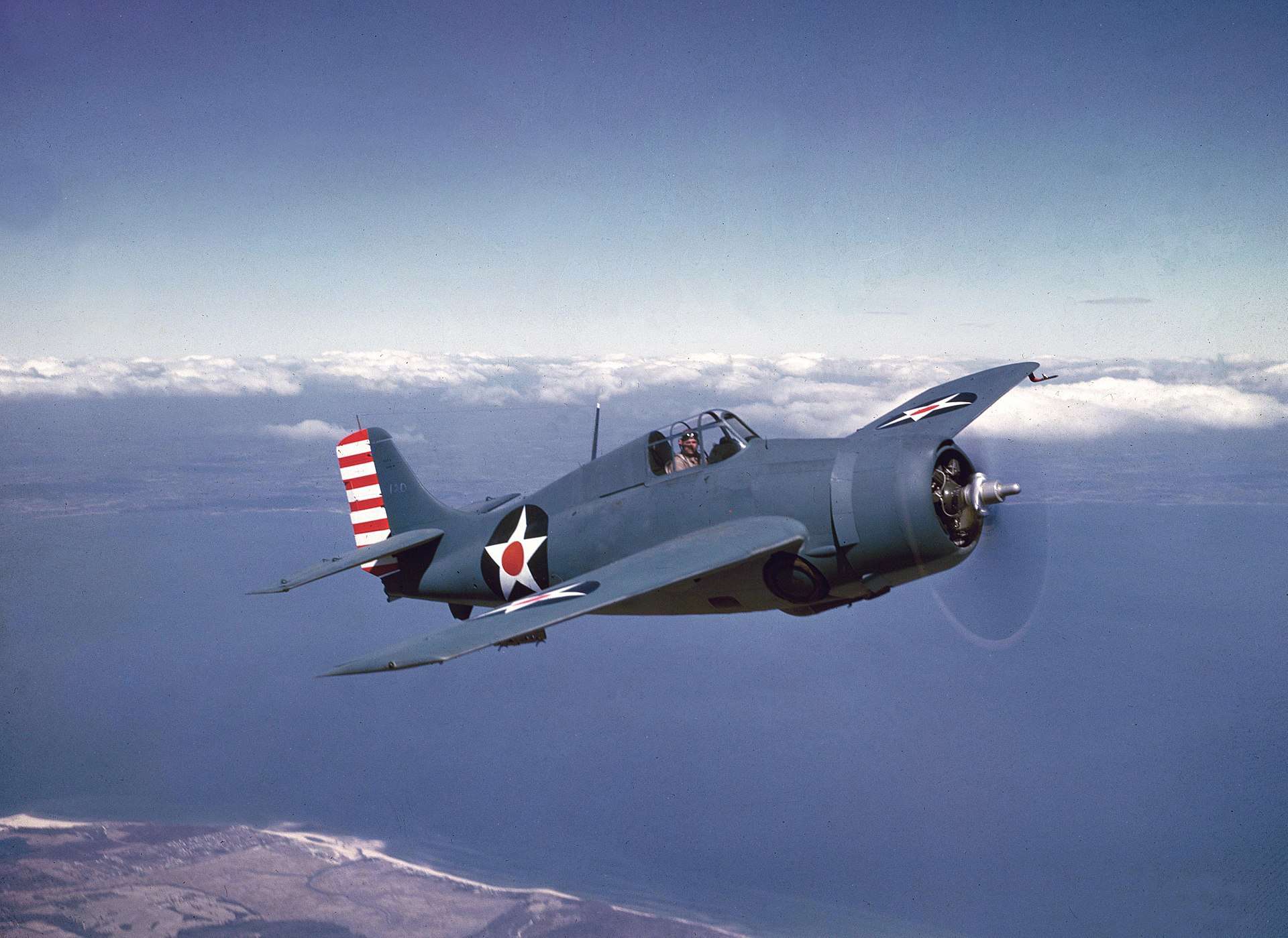
- Notable weapons: Grumman TBF Avenger, Grumman F4F Wildcat, Grumman F6F Hellcat
Grumman—known today as Northrop Grumman—was one of the most prolific naval aircraft manufacturers of the Second World War. Its F4F Wildcat and F6F Hellcat fighters defined carrier air combat in the Pacific, while the TBF Avenger torpedo bomber became a staple of naval strike operations. Over 7,500 Wildcats alone were produced.
Lockheed Aircraft
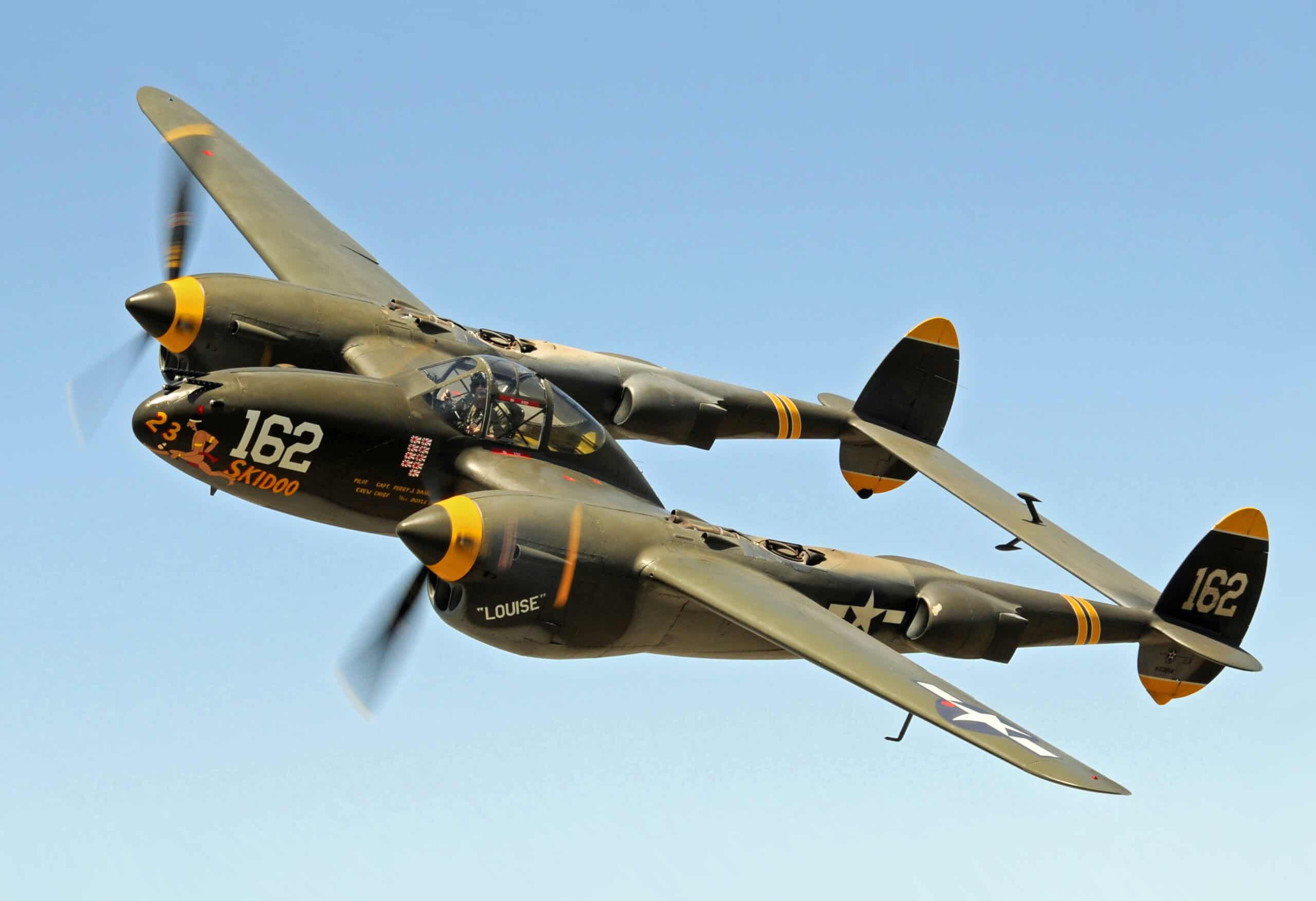
- Notable weapons: Lockheed Hudson, Lockheed P-38 Lightning, Lockheed P-80 Shooting Star
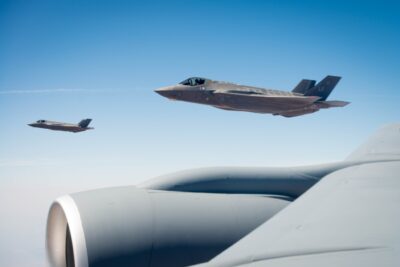
Lockheed delivered several of the most distinctive Allied aircraft of the war, including the Hudson patrol bomber, the P-38 Lightning, and the early jet-powered P-80 Shooting Star. The P-38 was renowned for its speed, range, and concentrated firepower of four .50 caliber guns and a 20 mm cannon. Today’s F-35 Lightning II carries on the name and legacy of this World War 2 icon.
North American Aviation
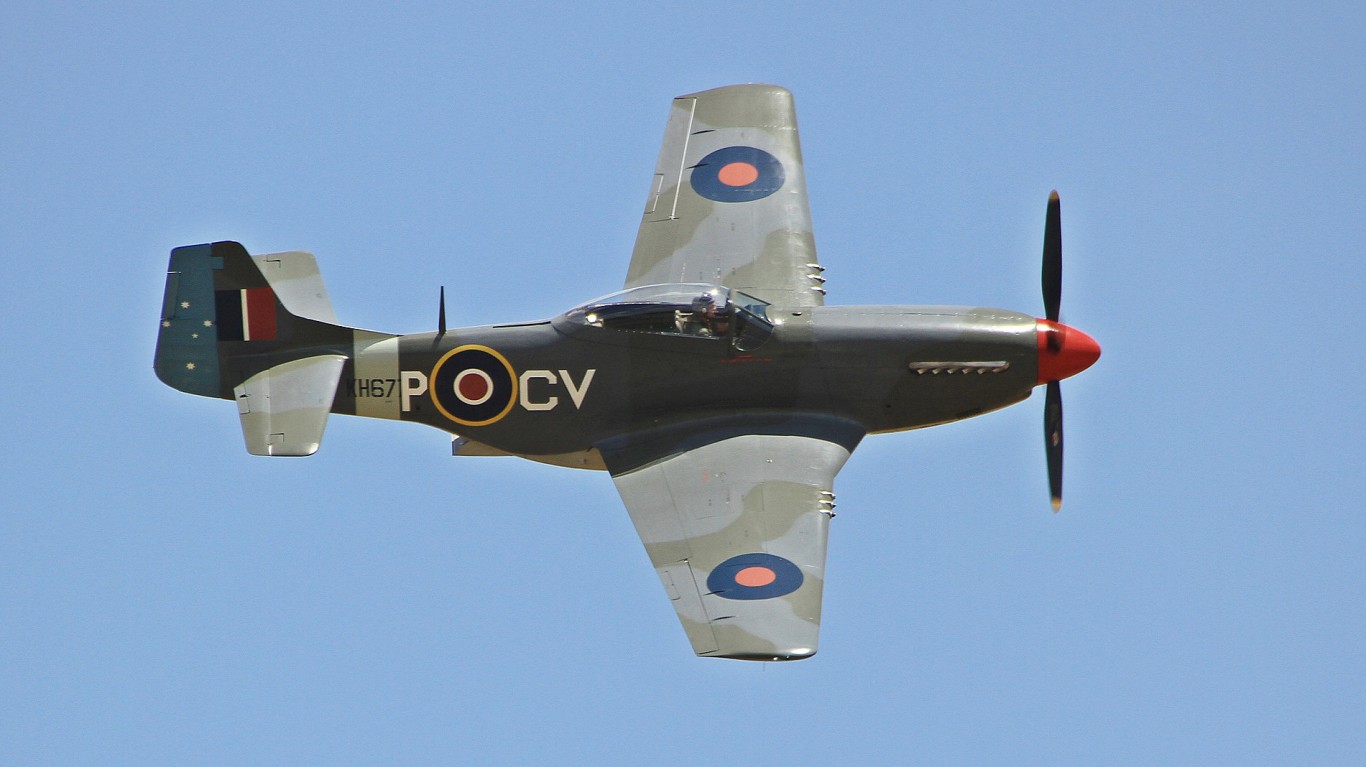
- Notable weapons: North American P-51 Mustang, North American T-6 Texan, North American B-25 Mitchell
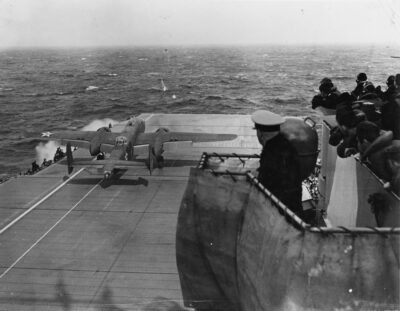
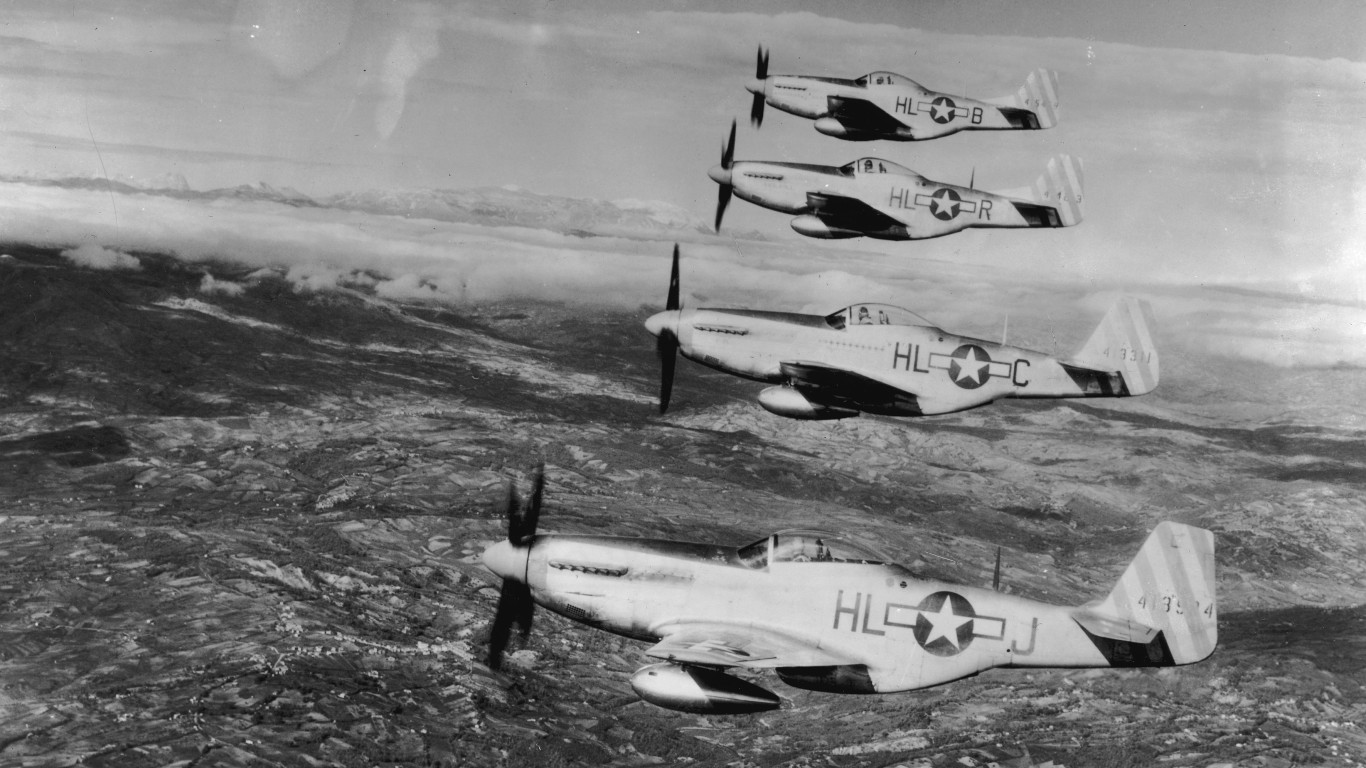
North American Aviation produced some of the most celebrated aircraft in Allied service. The P-51 Mustang achieved legendary status as a long-range escort fighter, while the B-25 Mitchell and T-6 Texan became mainstays in bombing and pilot training roles. Postwar mergers eventually brought North American under the Boeing umbrella.
Northrop
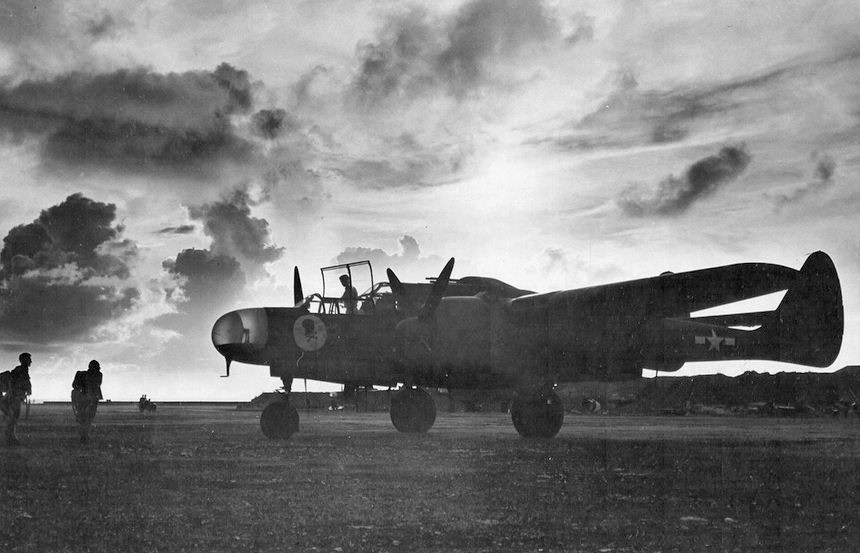
- Notable weapons: Northrop N-3PB Nomad, Northrop P-61 Black Widow
Founded in 1939, Northrop entered the war as a young but ambitious aircraft builder. Its P-61 Black Widow became the first U.S. fighter designed specifically for night combat, equipped with radar, four .50 caliber guns, and four 20 mm cannons. Nearly 700 were built, proving decisive in nighttime operations. The company would later evolve into Northrop Grumman, one of the most advanced defense manufacturers in the world.
Remington Arms
- Notable weapons: Remington Model 10 Shotgun, M1903A3
Remington Arms, one of America’s oldest gunmakers, supplied Allied forces with reliable rifles and shotguns throughout World War 2. Its M1903A3 rifle and Model 10 shotgun were staples among U.S. troops. The company was later divided into separate entities, but Remington’s name continues on countless firearms.
Republic Aviation
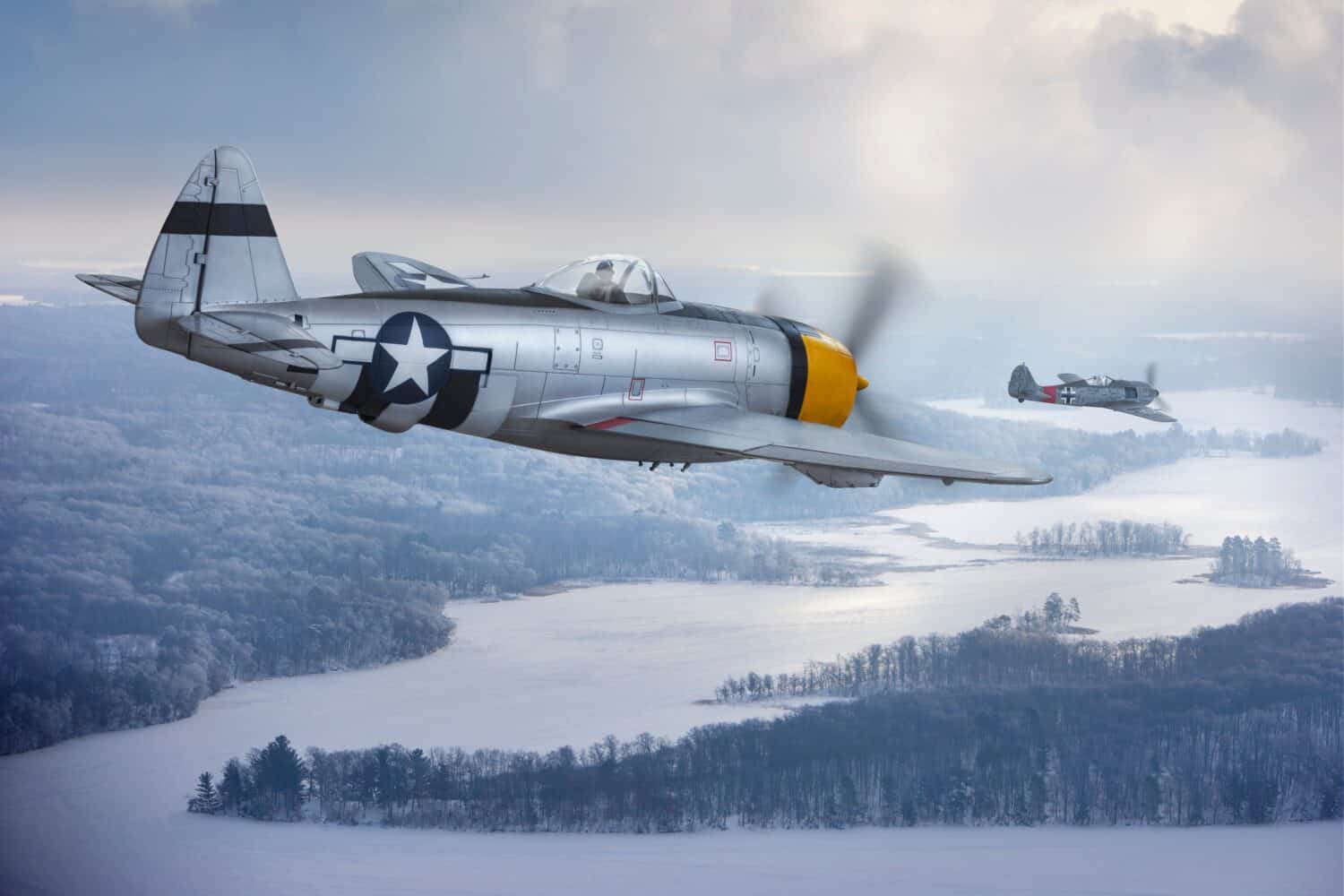
- Notable weapons: Republic P-43 Lancer, Republic P-47 Thunderbolt
Reorganized in 1939, Republic pivoted to high-performance fighters, most notably the P-47 Thunderbolt and P-43 Lancer. First delivered in June 1942, the P-47 became one of the most-produced American fighters of the war (15,660 built). Known for its speed and devastating firepower, the P-47 escorted bombers and hammered enemy lines throughout the war.
Rock Island Arsenal
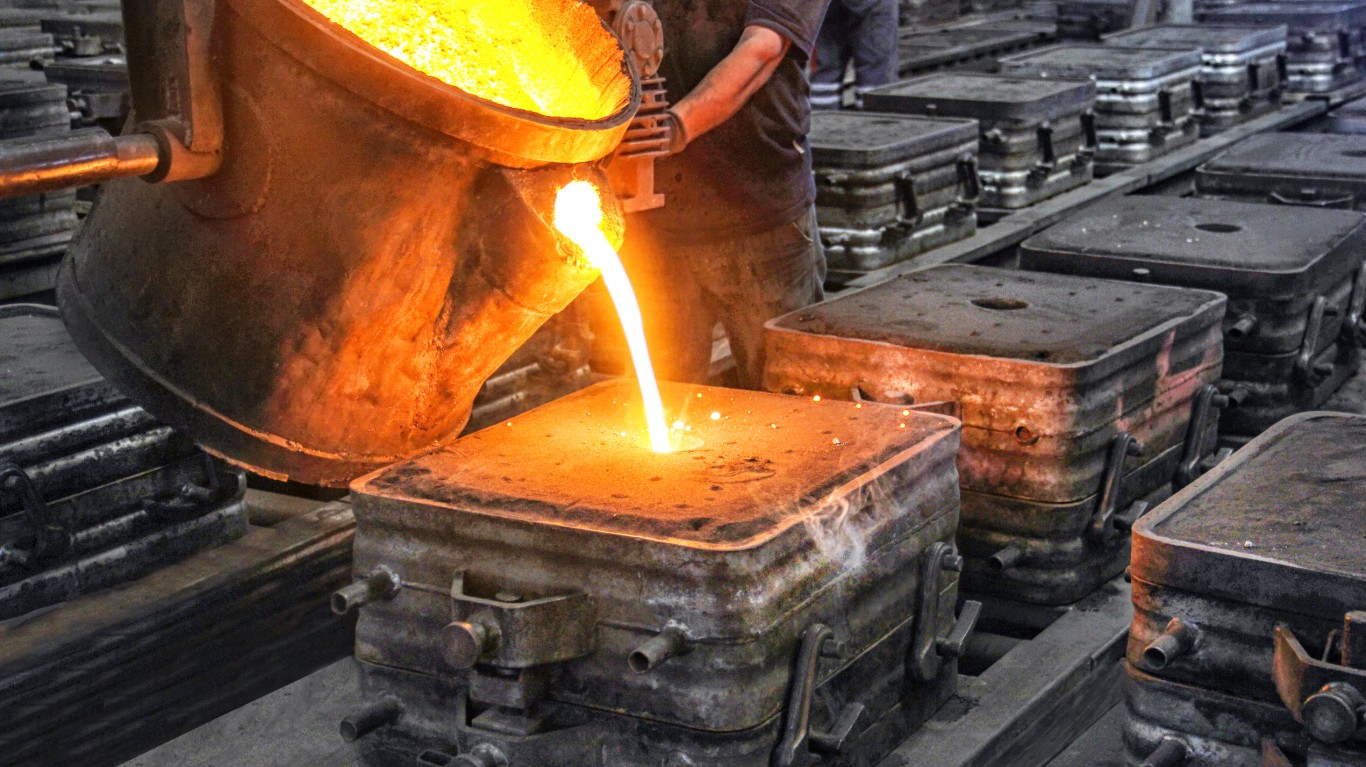
- Notable weapons: M101 Towed 105mm Medium Howitzer, M1 Light Tank, M2 Light Tank
Rooted in the Civil War era, Rock Island Arsenal specialized in U.S. Army artillery and armored projects, producing the M101 105mm howitzer and contributing to early light tanks like the M1 and M2. Its output and engineering experience helped build out pre-war concepts into the larger and more capable armored forces that followed.
Savage Arms Corporation
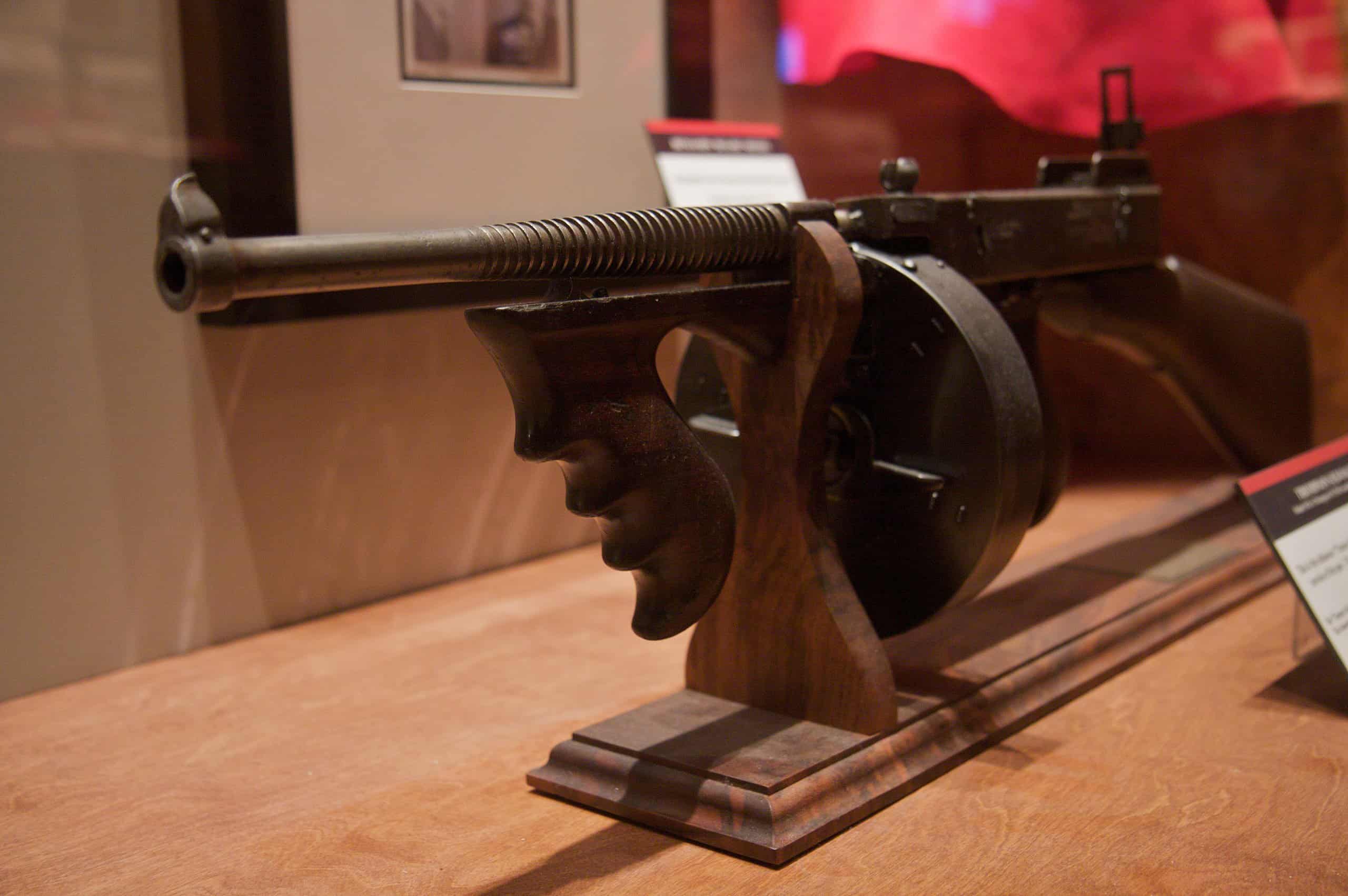
- Notable weapons: M1 Thompson (Tommy Gun), Savage Arms M720 Shotgun
Best known for rifles and shotguns, Savage also produced the M1 Thompson “Tommy Gun” in wartime quantities alongside its M720 shotgun. Outside of the Hollywood fame associated with the Tommy Gun, the Thompson earned a reputation for close-quarters firepower, giving Allied troops a solid automatic weapon for assaults, urban fighting, and patrols.
Sikorsky
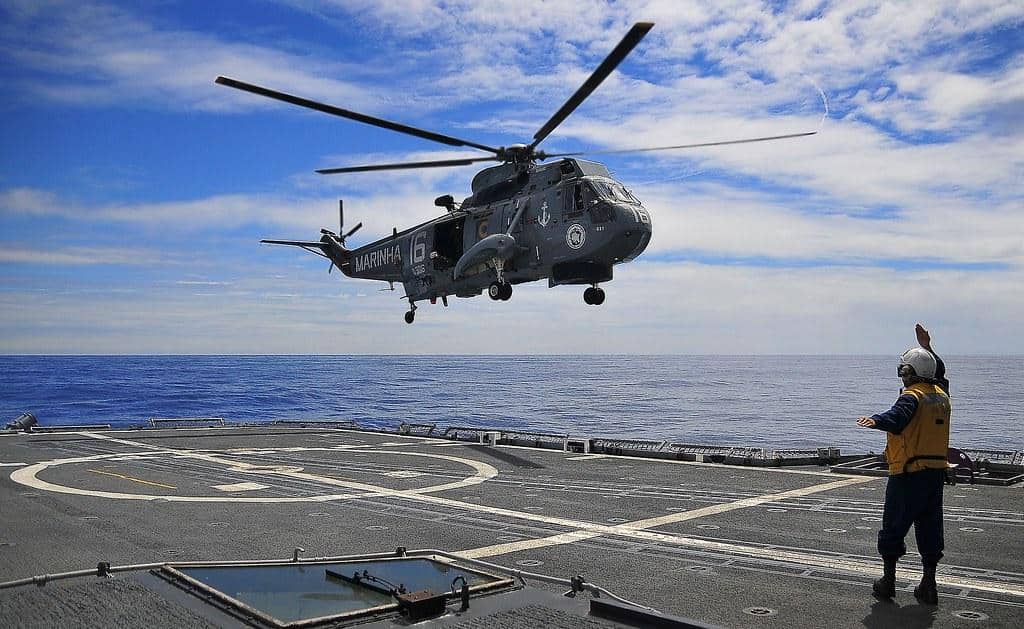
- Notable weapons: Sikorsky R-4, Sikorsky S-43
Sikorsky—now part of Lockheed Martin—pioneered practical helicopter flight. The R-4, introduced in 1942, became the first widely produced helicopter that saw use in reconnaissance, rescue, and liaison roles. Early types like the S-43 and the R-4 laid the groundwork for the global helicopter era that followed.
Smith & Wesson
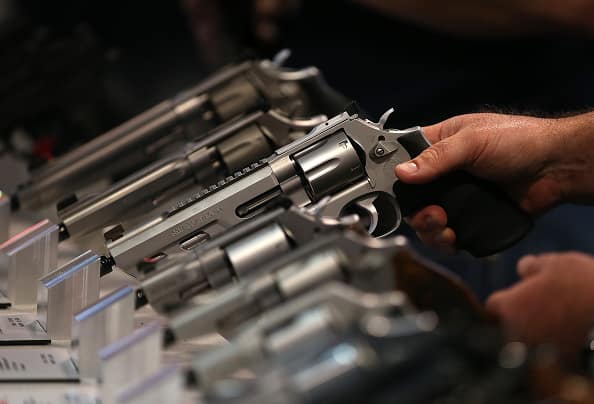
- Notable weapons: S&W Model 10 Revolver, S&W Model 27
S&W’s revolvers, notably the Model 10 and Model 27, carried forward the company’s 19th-century reputation into World War 2. Issued in various roles to U.S. and Allied forces, these sidearms were valued for reliability and simplicity. These traits have kept Smith & Wesson a mainstay name in military and police circles ever since.
Springfield Armory
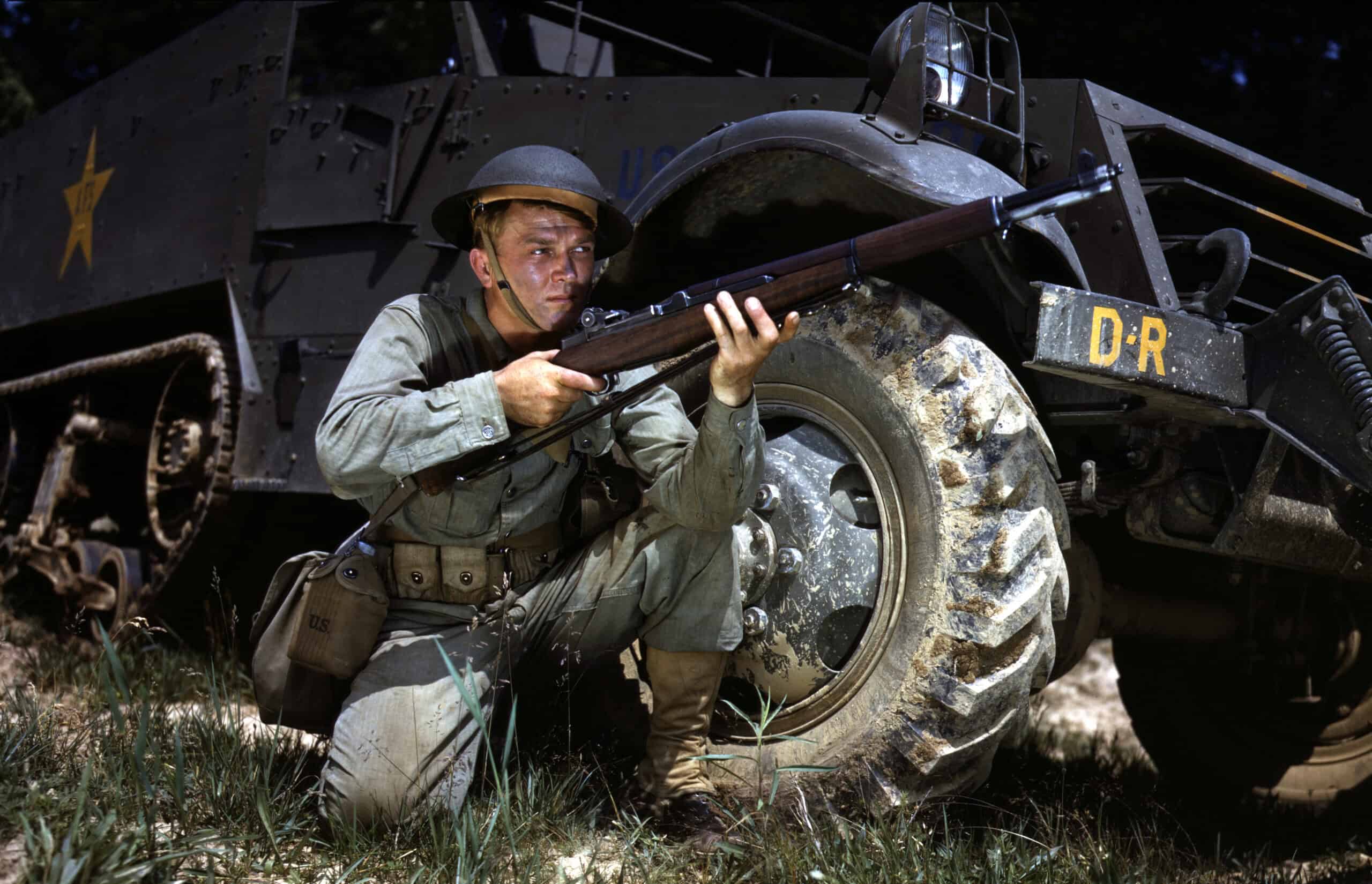
- Notable weapons: M1 Garand, Springfield M1903 Sniper Rifle
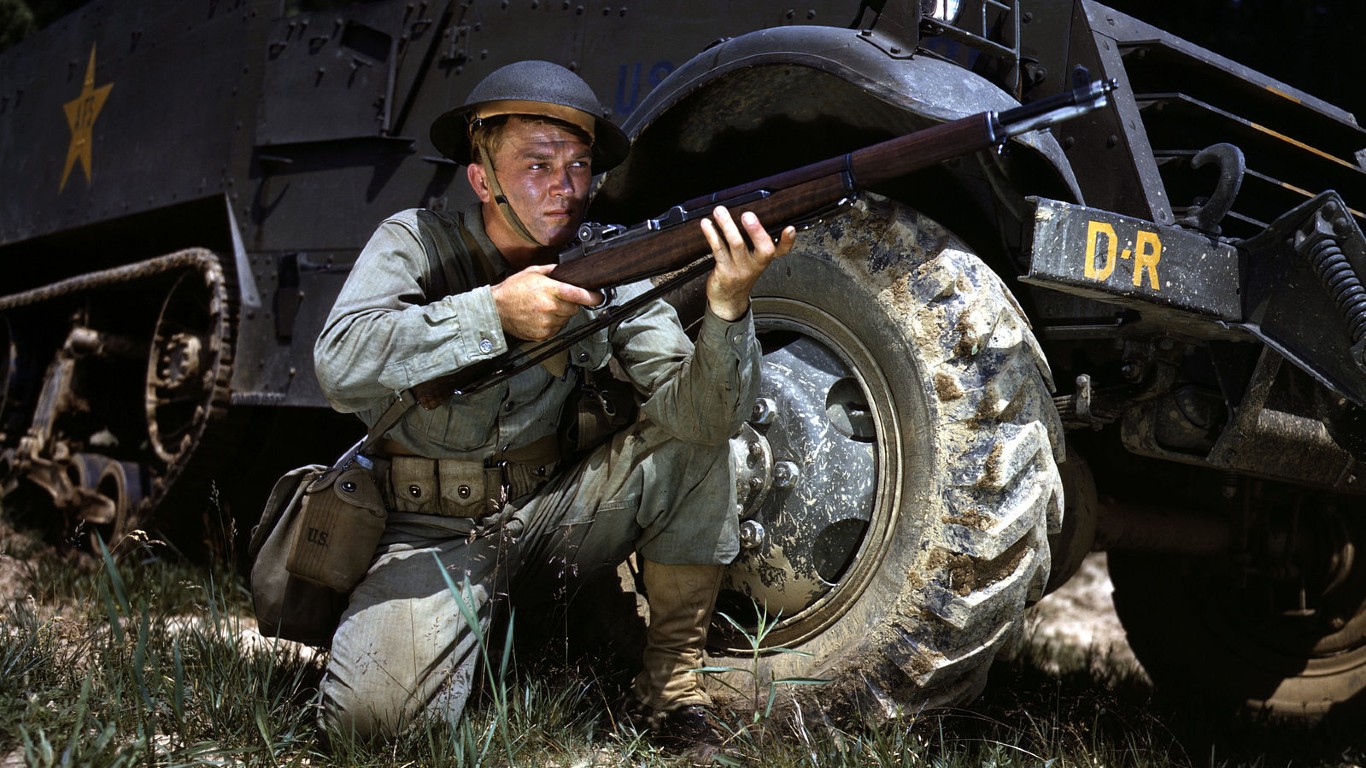
A pillar of American arms since the Revolution, Springfield delivered World War 2 icons like the M1 Garand and sniper-configured M1903 variants. The semi-automatic Garand’s reliability and rate of fire drew Gen. George S. Patton’s famous praise and gave U.S. infantry a decisive edge from North Africa to the Pacific.
Stinson
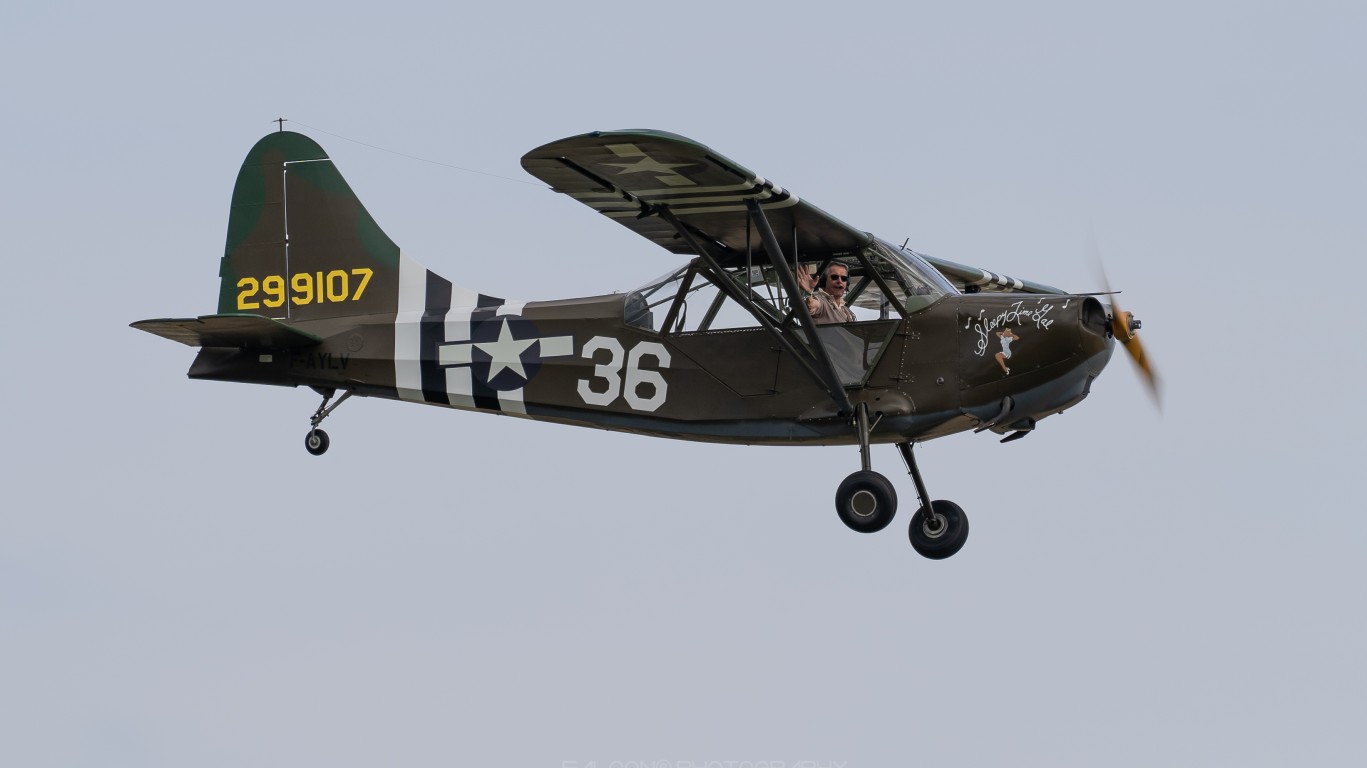
- Notable weapons: Stinson L-1 Vigilant, Stinson L-5 Sentinel, Stinson Reliant
Detroit-based Stinson focused on light utility and liaison aircraft, producing the L-1 Vigilant, Reliant, and the L-5 Sentinel. Nearly 4,000 L-5s served in World War 2, as well as in Korea. These aircraft played integral roles in spotting artillery, evacuating casualties, and ferrying messages.
Vought

- Notable weapons: Vought F4U Corsair, Vought OS2U Kingfisher, Vought SB2U Vindicator
Specializing in carrier aviation, Vought produced the F4U Corsair, OS2U Kingfisher, and SB2U Vindicator. The Corsair, which entered combat in 1943, combined speed and range to dominate Pacific dogfights and strike missions. Also, Vought’s broader portfolio kept U.S. Navy decks stocked with capable aircraft.
Vultee Aircraft
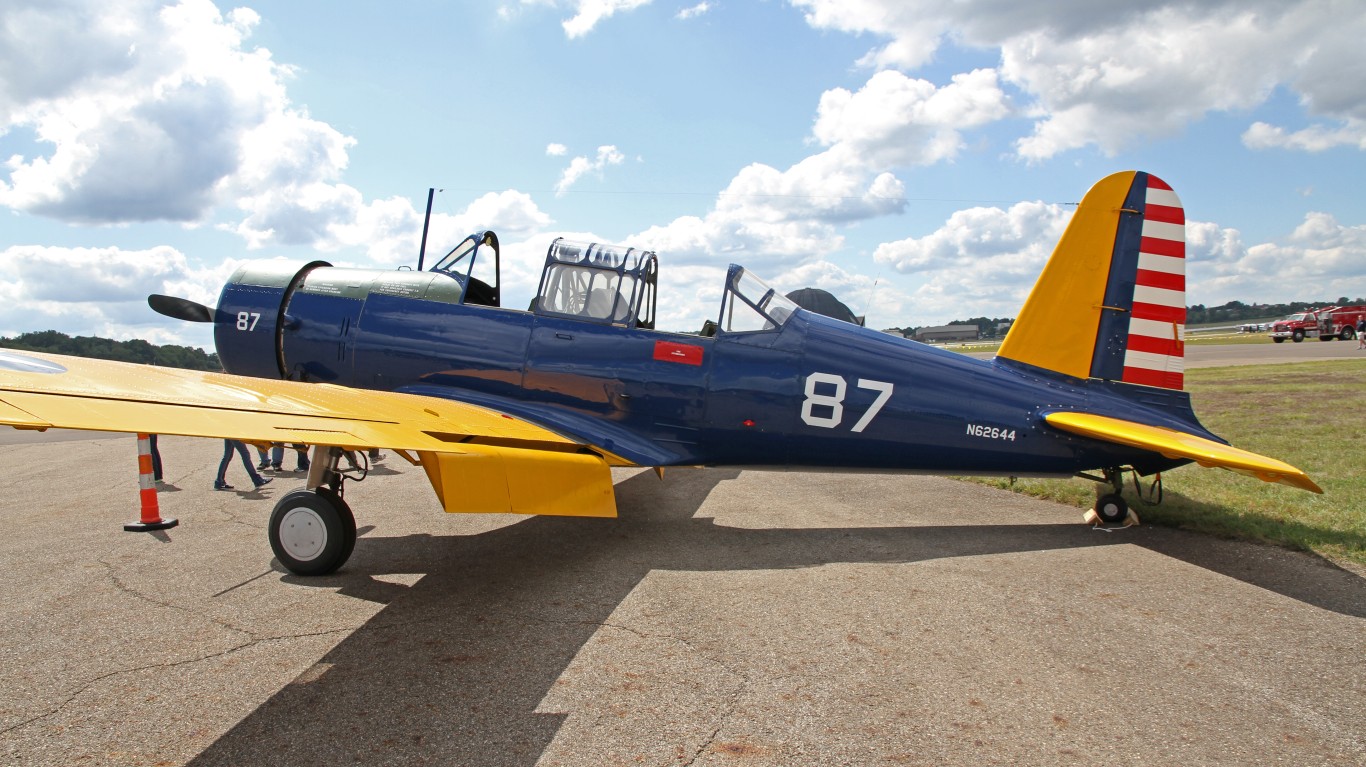
- Notable weapons: Vultee P-66 Vanguard, Vultee A-35 Vengeance, Vultee BT-13 Valiant
Vultee’s A-35 Vengeance dive bomber and BT-13 Valiant trainer filled critical wartime niches. Nearly 2,000 Vengeances served in Allied inventories and the BT-13 trained legions of pilots. In 1943, Vultee merged with Consolidated to form Convair, carrying its manufacturing expertise into the post-war aerospace boom.
Winchester Repeating Arms

- Notable weapons: M1 Carbine, M1917 Enfield, Winchester Model 1912 Shotgun
Famed for Old West lever actions, Winchester left an indelible mark on World War 2 with the M1 Carbine, along with the M1917 Enfield and Model 1912 shotgun. The carbine became a staple for support troops and officers. It acted as an symbol of Winchester’s ability to adapt heritage gunmaking to modern war.






 Top Gaining Stocks
 Top Losing Stocks